South Dakota Youth Pheasant Dates
There's nothing quite like introducing a young person to the timeless tradition of pheasant hunting, but if you're like many parents or mentors, you've probably felt that familiar frustration trying to navigate the complex world of hunting regulations, especially when it comes to specific dates and requirements for youth. It can feel like you need a law degree just to figure out when and how your aspiring hunter can legally chase roosters. This comprehensive guide is designed to cut through that confusion, giving you all the details you need to understand the South Dakota Youth Pheasant Season, from precise dates to licensing and preparation, ensuring a memorable and legal experience for the next generation of hunters.
Understanding the South Dakota Youth Pheasant Season
The sound of pheasants flushing from a cattail slough is a symphony for any hunter, but for a young person experiencing it for the first time, it's pure magic. South Dakota, renowned as the Pheasant Capital of the World, doesn't just embrace this heritage; it actively fosters it through dedicated programs like the Youth Pheasant Season. This isn't just a random set of dates; it's a carefully crafted opportunity designed to welcome new hunters into the fold.
The Philosophy Behind a Dedicated Youth Hunt
Imagine trying to learn to ride a bike on a busy highway. That's a bit what it can feel like for a new hunter trying to navigate the opening weekend of the regular pheasant season. The crowds, the intense competition for birds, and the sheer volume of activity can be overwhelming, even for seasoned veterans. This is precisely why South Dakota, like many other states, has established a dedicated youth season. The core philosophy is straightforward: create a less pressured, safer, and more educational environment where young hunters can truly connect with the outdoors without the added stress of a crowded field.
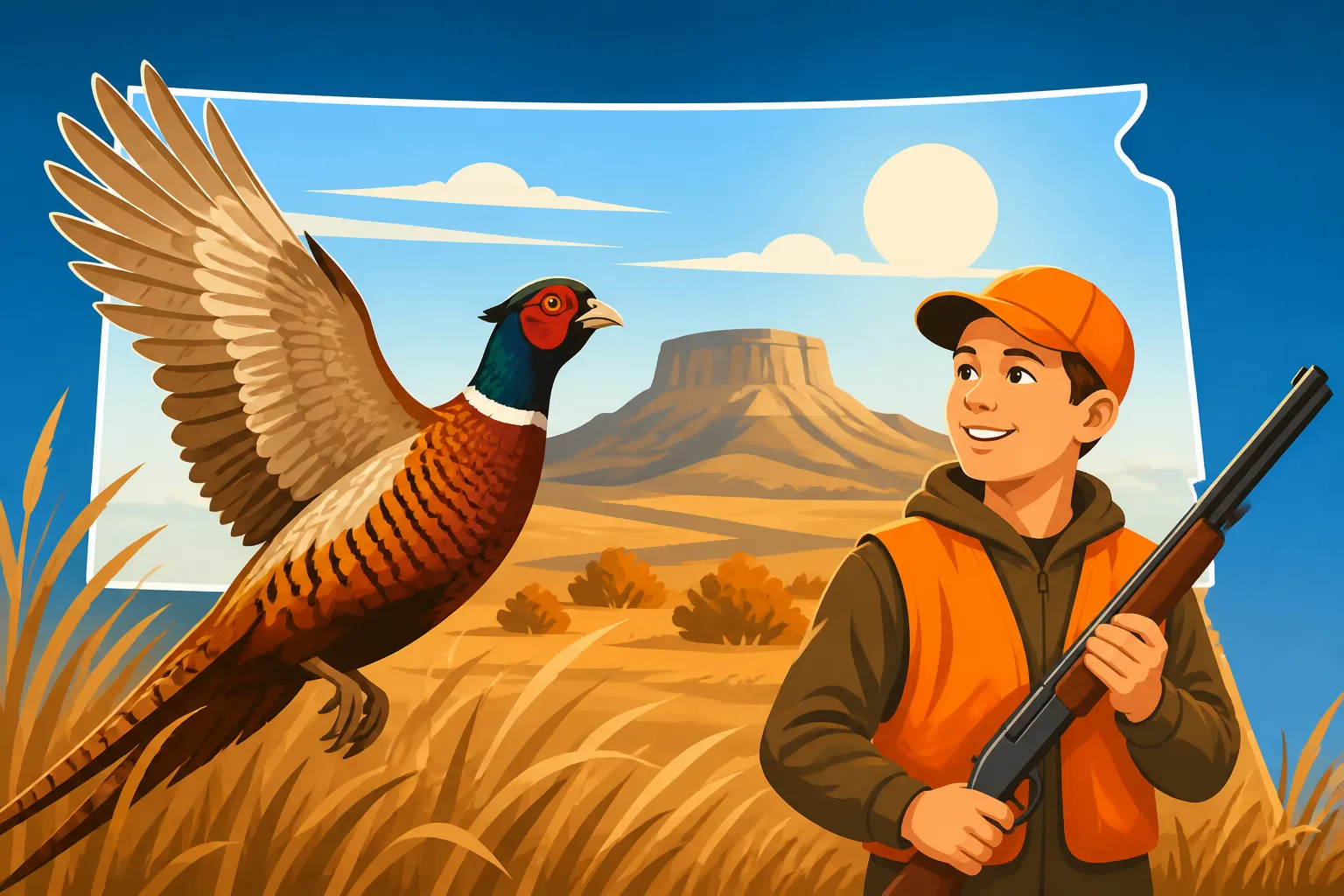
This special season is all about mentorship. It provides an invaluable window for experienced hunters—parents, grandparents, aunts, uncles, or trusted friends—to pass down not just shooting skills, but also crucial lessons in ethics, conservation, and responsible hunting practices. It’s an investment in the future of hunting, ensuring that the passion for the outdoors and its traditions continue for generations to come. Many hunters vividly remember their first pheasant, and these youth hunts are designed to forge those lifelong memories, instilling a deep appreciation for wildlife and wild places.
Pinpointing the Annual Youth Season Dates
One of the most common questions I get is, "When exactly is the youth pheasant season?" It's a fair question, and thankfully, the South Dakota Game, Fish and Parks (GFP) Department keeps it pretty consistent year after year. The South Dakota Youth Pheasant Season typically opens a week or two before the statewide regular pheasant season. This timing is intentional, aligning with the philosophy of reduced pressure.
For many years, the season has kicked off around the last weekend of September or the first weekend of October. While specific dates can shift slightly each year based on calendar alignment, you can generally mark your calendar for a two-day weekend period. For instance, in recent years, the youth season has often run from Saturday to Sunday, preceding the much-anticipated general opener. It's always best to check the current year's hunting handbook or the South Dakota GFP website as soon as it's published to get the precise dates. Planning ahead with the exact dates in mind allows you to ensure your young hunter has the optimal experience.
Essential Requirements for Young Hunters
Getting a young hunter ready isn't just about finding the right shotgun; it's also about understanding the legalities. South Dakota has specific rules in place to ensure safety and responsible participation, and knowing these requirements well in advance will save you headaches and ensure a smooth hunt.
Age and Residency Eligibility
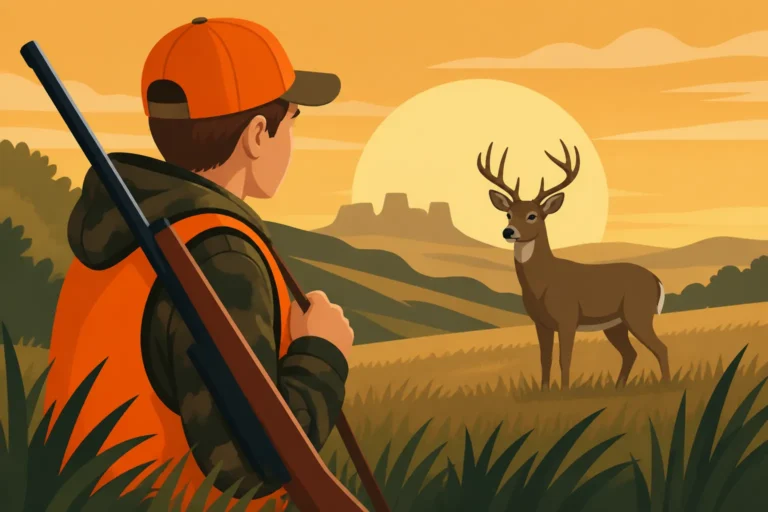
When it comes to the South Dakota Youth Pheasant Season, age is a primary factor. To participate, a youth hunter must typically be under the age of 18 on the opening day of the youth season. Generally, this means hunters 10-17 years old are eligible. Younger children might be able to participate as observers or dog handlers, learning the ropes, but active hunting with a firearm falls within that defined age bracket. It's crucial that a properly licensed adult (at least 18 years old) accompanies the youth hunter and acts as a mentor throughout the entire hunt. This isn't just about supervision; it's about active guidance, ensuring safe firearm handling and ethical decisions in the field.
Residency also plays a role, though the youth season is often open to both residents and nonresidents. For nonresident youth, the process is usually the same as for resident youth in terms of age, but the associated license costs might differ. Always double-check the South Dakota GFP regulations specifically for nonresident youth, as there can sometimes be subtle distinctions. The primary goal, regardless of residency, is to foster a safe and enjoyable introduction to hunting.
Licensing, Stamps, and Hunter Education
Navigating the various licenses and stamps can sometimes feel like a puzzle, but for the youth pheasant season, it's fairly straightforward. Every young hunter, whether resident or nonresident, will need a valid South Dakota Youth Small Game License. This is their primary permit to hunt upland birds like pheasants. Additionally, a South Dakota Habitat Stamp is mandatory for almost all hunting activities in the state, including for youth. It's a small fee that goes directly to supporting vital wildlife habitat projects, a great lesson for young conservationists.
If your hunting plans also involve migratory birds (which isn't typically the focus of a pheasant hunt but could overlap if other birds are pursued), a Federal Migratory Bird Hunting and Conservation Stamp (often called a "Duck Stamp") would also be required for those over 16. However, for just pheasants, the Youth Small Game License and Habitat Stamp are the key components.
Perhaps the most important requirement, however, is hunter education. South Dakota mandates that anyone born after December 31, 1954, must complete a state-certified hunter education course to purchase a hunting license. This means almost all eligible youth hunters will need to have completed this course. The good news is that these courses are widely available, often online or through local instructors, and they cover critical topics like firearm safety, wildlife identification, and hunting ethics. For those who haven't completed hunter education yet, South Dakota offers an Apprentice Hunter Program. This allows an unlicensed individual (including youth) to hunt with a licensed, experienced adult mentor without first completing hunter education, offering a valuable pathway to try hunting before committing to the full course. It’s an excellent way to get a feel for the sport. You can find more details on South Dakota Hunter Safety Requirements through the GFP website.
Making the Most of the Youth Pheasant Hunt
A successful youth pheasant hunt isn't just about bagging birds; it's about building confidence, fostering a love for the outdoors, and creating lasting memories. Thoughtful preparation, from gear to strategy, makes all the difference.
Strategic Preparation for Young Shotgunners
One of the biggest hurdles for young hunters is finding a shotgun that fits them properly. An ill-fitting gun can lead to discomfort, poor shooting, and a negative experience. Look for youth model shotguns, typically in 20 gauge, with shorter stocks and lighter frames. Brands like Mossberg, Remington, and Savage often offer excellent youth variants. Ensure the gun fits their stature – the length of pull is especially critical for comfortable shouldering and aiming. Consider starting with lighter loads, like target or low-recoil pheasant loads, to minimize recoil and build confidence. You want them to focus on the bird, not the kick.
Safety, of course, is paramount. Always enforce the four fundamental rules of firearm safety: treat every gun as loaded, always point the muzzle in a safe direction, keep your finger off the trigger until ready to shoot, and be sure of your target and what's beyond it. Blaze orange is not just a suggestion; it’s a legal requirement in South Dakota when hunting pheasants, especially on public lands or during the regular season. For youth, it’s absolutely critical, ensuring they are highly visible to everyone in the hunting party. Hearing protection (earmuffs or plugs) and eye protection (shooting glasses) are non-negotiable every time a shotgun is fired. Before the hunt, spend time at a local trap or skeet range. This practice is invaluable for building familiarity with the firearm, practicing safe gun handling, and developing shooting skills in a controlled environment. A strong foundation of Safe Gun Handling on a Bird Drive ensures everyone has a fun and secure outing.
Locating Prime Habitat and Mentorship Strategies
Finding pheasants in South Dakota isn't usually the biggest challenge, but finding accessible pheasants during the youth season can sometimes take a bit of effort. The good news is that South Dakota offers an incredible amount of public hunting land in South Dakota. Your best friends will be the South Dakota Public Hunting Atlas and online mapping tools. Programs like South Dakota Walk-In Areas Explained and South Dakota Game Production Areas provide access to hundreds of thousands of acres of prime pheasant habitat. Look for areas with a mix of dense cover like cattail sloughs, tall grass, and food plots adjacent to harvested crop fields. These are classic pheasant hideouts, especially later in the morning.
For scouting, tools like GoHunt can be invaluable. Its mapping layers allow you to e-scout from home, identifying public land boundaries, potential habitat, and even access points. You can effectively use these tools for Reading Aerial Imagery for Cattail Cover to pinpoint promising pockets of cover that might hold birds.
The mentorship aspect is crucial. As the adult, your role extends beyond just pointing out birds. It's about teaching respect for the land and the animals, demonstrating proper field dressing, and sharing stories. Focus on the experience, not just the harvest. Walk at a comfortable pace for the young hunter, take breaks, and let them be actively involved in decision-making, like where to walk next or how to approach a cover strip. Emphasize patience and observation. It's a chance to teach them about wildlife behavior, the importance of good dog work (if you have one), and the sheer joy of being out in nature. Remember, the goal is to ignite a lifelong passion, not just to fill a bag.
Advantages and Unique Aspects of the Youth Season
While hunting pheasants is always an exciting endeavor, the youth season offers some distinct advantages that make it particularly special for introducing new hunters to the sport. These unique characteristics are designed to optimize the learning experience and increase the chances of success.
Reduced Hunting Pressure and Enhanced Opportunities
One of the most significant benefits of the youth pheasant season is the dramatically reduced hunting pressure compared to the general opener. Imagine: fewer vehicles parked along the roads, fewer hunters walking the same fields, and less competition for prime cover. This creates a much calmer and more relaxed atmosphere, which is ideal for a young hunter. Birds, too, tend to be less "spooky" than they will be a week or two later when the full force of hunting season descends upon them. This means roosters might hold tighter, providing better flushing opportunities and more time for a young hunter to react and get a shot off.
This reduced pressure translates directly into enhanced opportunities for learning and success. Without the rush and crowds, mentors can take their time explaining scenarios, demonstrating gun safety, and allowing the youth hunter to make mistakes and learn from them without feeling judged or pressured. It’s a prime chance for them to really get a feel for how birds use cover, how a dog works a field, and the rhythm of a pheasant hunt. This relaxed environment contributes heavily to building confidence in young hunters, making their initial experiences positive and encouraging them to continue with the sport. It's often easier to focus on instruction and field craft when you're not constantly looking over your shoulder for another hunting party.
Rules on Shooting Hours and Bag Limits
While the spirit of the youth season is relaxed, specific rules regarding shooting hours and bag limits are in place and must be strictly followed. For the South Dakota Youth Pheasant Season, shooting hours typically begin at 10:00 AM Central Time. This is a crucial detail, as it aligns with the general South Dakota Pheasant Season and is designed to allow birds to leave their roosts naturally and feed, spreading out into cover before hunters arrive. This later start also offers a more leisurely morning for young hunters to get ready without the rush of a dawn start. The hunting day concludes at sunset. Always confirm the exact legal shooting hours for the current year’s season, as these can occasionally have minor adjustments.
The daily bag limit for the youth pheasant season is generally the same as the regular season: three roosters. The possession limit, which is the maximum number of pheasants you can have in your possession at home or in camp, is also consistent, usually set at 15 roosters after the first day, increasing by the daily bag limit each day thereafter. It's important to remember that only roosters (male pheasants) are legal to harvest in South Dakota. Teaching young hunters to identify roosters by their distinctive plumage is an early and important lesson. These consistent limits help maintain wildlife populations while still providing ample opportunity for a successful hunt. For a deeper dive into the reasons behind the 10 a.m. start, you might find more insights by searching for Why Pheasant Hunting Starts at Ten.
| Requirement | Youth Pheasant Season (Typical) | Notes |
|---|---|---|
| Dates | Last weekend of Sept / First weekend of Oct | Consult current GFP regulations for exact dates |
| Age Eligibility | Under 18 years old | Must be accompanied by a licensed adult (18+) |
| Residency | Open to both residents and nonresidents | License costs may vary for nonresidents |
| Required Licenses | Youth Small Game License, Habitat Stamp | Federal Duck Stamp if over 16 and hunting migratory birds |
| Hunter Education | Required if born after Dec 31, 1954 | Apprentice Hunter Program available for those without certification |
| Shooting Hours | 10:00 AM Central Time to Sunset | Consistent with general pheasant season |
| Daily Bag Limit | 3 Roosters | Only male pheasants can be harvested |
| Possession Limit | 15 Roosters (after first day, increases by 3) | |
| Blaze Orange | Mandatory | Ensures high visibility for safety |
| Mentorship | Required (Licensed adult 18+) | Focus on safety, ethics, and education |
Disclaimer
Please remember that hunting regulations, seasons, and licensing requirements can change. While this guide provides comprehensive and up-to-date information based on typical South Dakota GFP guidelines, it is absolutely essential to consult the most current South Dakota Game, Fish and Parks hunting handbooks and official website before planning or embarking on any hunt. This information is for general guidance only and should not be considered legal advice.