Guided Turkey Hunts in the Black Hills
Venturing into the majestic Black Hills for a spring turkey hunt is a dream for many, but for those unfamiliar with its rugged terrain and elusive Merriam's turkeys, the experience can quickly shift from dream to daunting challenge. Navigating vast ponderosa pine forests, understanding the subtle nuances of mountain gobblers, and finding reliable access can be incredibly frustrating. This guide will walk you through everything you need to know about guided turkey hunts in the Black Hills, helping you understand their value, what to expect, and how to choose the right outfitter to make your hunt successful and memorable.
The Unique Appeal of Black Hills Turkey Hunting
There's something truly special about chasing gobblers through the Black Hills of South Dakota. It's a hunting experience that sets itself apart from the prairie or river bottoms, offering a different kind of challenge and an unforgettable backdrop.
Why the Black Hills is a Turkey Hunter's Dream
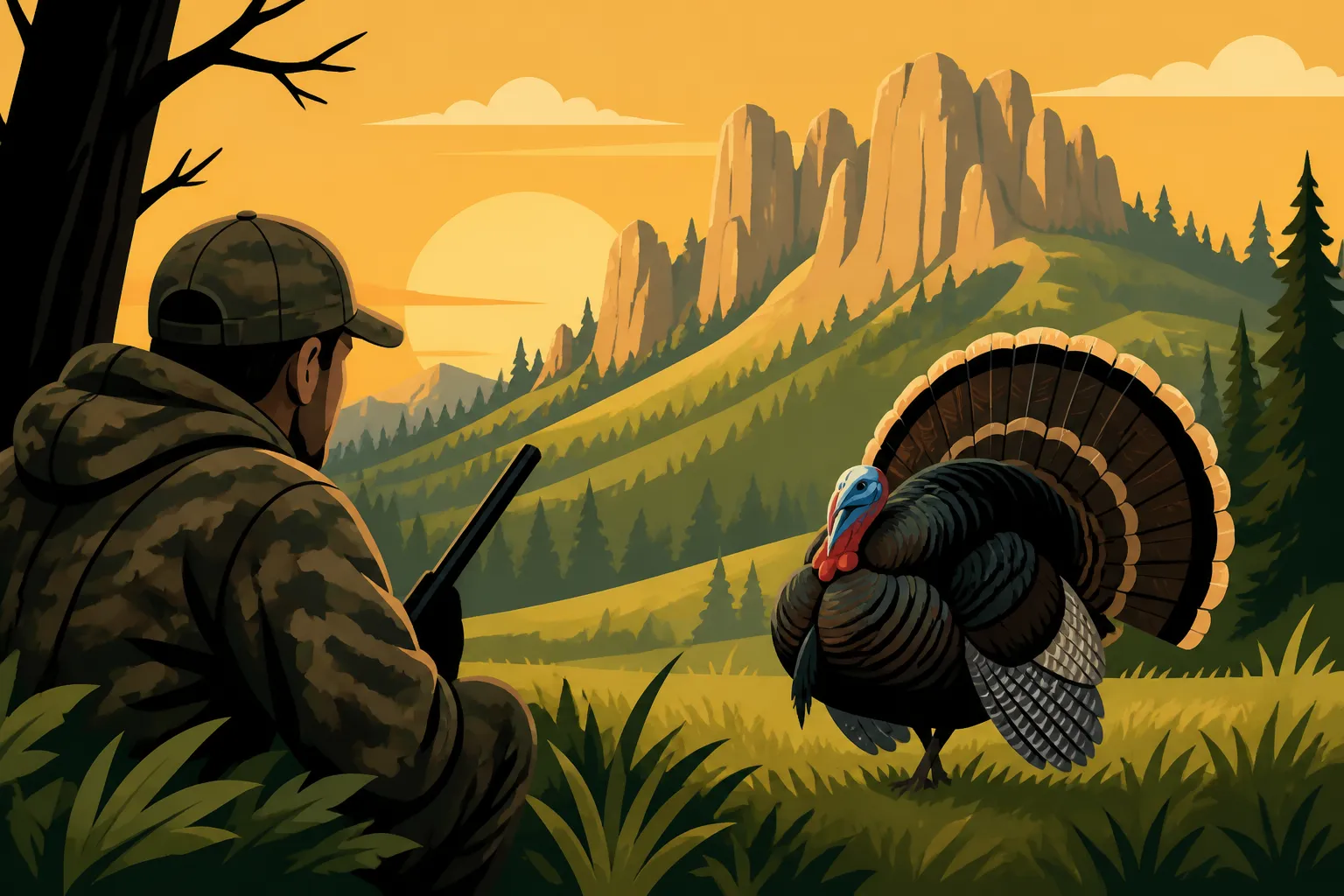
The Black Hills isn't just a picturesque landscape; it's a prime habitat for Merriam's turkeys, a subspecies known for its striking white-tipped tail feathers and preference for mountainous, timbered environments. Unlike the more common Eastern or Rio Grande turkeys, Merriam's gobblers often call from high roosts, navigate steep canyons, and can be incredibly vocal, making for an exciting, interactive hunt. The expansive ponderosa pine forests provide excellent cover, and the rising and falling terrain creates endless opportunities for strategic setups and challenging stalks. Hearing a gobble echo through the canyons as the sun rises over the dark timber is an experience that resonates deeply with hunters, a stark contrast to the open fields of the prairie. The air is crisp, the scenery is breathtaking, and the feeling of truly being in the wild is palpable. It's an immersive experience that goes beyond just harvesting a bird. You’re not just hunting; you're exploring a truly unique ecosystem.
Common Challenges for DIY Hunters
While the allure is strong, the Black Hills can present significant hurdles for do-it-yourself hunters, especially those new to the area or mountain turkey hunting. First and foremost, the sheer size and ruggedness of the Black Hills National Forest can be overwhelming. What looks like a promising ridge on a map can turn into a grueling hike through thick brush and steep inclines. Steep Ridge Access in the Black Hills can be a real workout, and knowing which ridges hold birds versus which are just empty timber comes from years of experience. Locating birds in such vast, often homogenous timber can feel like finding a needle in a haystack. You might hear a distant gobble, but pinpointing its exact location and devising a strategy to approach without busting the bird requires intimate knowledge of the terrain and bird behavior. Moreover, Black Hills turkeys, like any wild game, can become pressured, changing their patterns and responding less readily to calls. Understanding how these birds move, where they water, and where they tend to strut throughout the day is crucial, and it's knowledge typically gained over many seasons afield. For hunters on a limited schedule, spending days just learning the land can eat into valuable hunting time.
What a Guided Black Hills Turkey Hunt Entails
For many, especially non-residents or those with limited time, a guided hunt transforms the Black Hills turkey dream into a realistic and often highly successful endeavor. It's about leveraging someone else's lifetime of learning.
The Value of Local Expertise
This is where a good guide truly shines. These individuals aren't just taking you hunting; they are sharing decades of accumulated knowledge about the specific nuances of the Black Hills and its Merriam's turkeys. They know the seasonal changes in bird behavior, which drainages consistently hold birds, and even the specific trees where gobblers prefer to roost. A guide can often put you on birds much faster than you could on your own, saving you days of frustrating scouting and hiking. They've already done the legwork of finding active gobblers, scouting roost sites, and identifying key strutting areas. Their expertise extends to calling techniques, knowing when to be aggressive and when to be subtle, what calls work best for specific situations, and how to read a gobbler's mood. They're also adept at navigating the challenging terrain safely and efficiently, ensuring you're in the right spot at the right time. For hunters seeking a focused, efficient hunt, this local knowledge is invaluable. Services like BookYourHunt often feature detailed profiles of guides and outfitters in the Black Hills, allowing you to connect with professionals who possess this critical local insight, simplifying the search for reputable expertise.
Typical Hunt Structure and Services Provided
A guided Black Hills turkey hunt typically follows a well-established rhythm designed to maximize your chances of success. Your day might start well before dawn, as guides aim to be in position to listen for gobblers sounding off from their roosts. This often involves quiet hikes up steep slopes in the dark, using the terrain to get within striking distance. After a bird is located, the guide will devise a calling and setup strategy, often placing you in a prime shooting position while they work the call. Mid-day might involve "run-and-gun" tactics, hiking and calling to locate less pressured birds, or focusing on strut zones where gobblers might appear. Evening hunts often involve positioning near known roosting areas to intercept birds as they fly up for the night.
Most reputable outfitters offer packages that include a significant array of services. Expect comfortable lodging, often in a cozy cabin or lodge environment right in the heart of the Black Hills. Hearty meals are frequently part of the deal, ensuring you're fueled for the demanding days afield. Transportation during the hunt, from the lodge to hunting areas, is almost always included. Post-harvest services, such as field dressing and initial bird cleaning and packaging, are common. However, it's crucial to clarify what's included and what's not. Typically, your hunting licenses and tags, personal gear (shotgun, ammunition, camouflage), and taxidermy services are separate costs. It's also customary to consider Tipping Guides and Dog Handlers in South Dakota for their hard work and dedication.
Choosing the Right Guide for Your Black Hills Adventure
Selecting a guide for your Black Hills turkey hunt is a personal decision that can significantly impact your experience. It's not just about finding someone with an open date; it's about finding the right fit for your hunting style and expectations.
Key Questions to Ask Potential Outfitters
Before committing to a guide, take the time to have a detailed conversation and ask plenty of questions. This due diligence can save you a lot of grief and ensure a more satisfying hunt. Start by asking about their guide-to-hunter ratio. Are you hunting one-on-one, or will you be part of a larger group with a single guide? This impacts the personalized attention you receive. Inquire about their typical hunting methods: Do they primarily focus on roost hunts, aggressive run-and-gun tactics, or static blind setups? While Merriam's are often pursued with a mobile approach, knowing their style will help you prepare. Don't shy away from asking about their success rates. Be realistic here; a "100% opportunity rate" is different from a "100% harvest rate." Understand what "success" means to them and how it aligns with your goals. A guide that guarantees a bird might be operating on private land with limited pressure or even releasing birds, which might not be the wild Black Hills experience you're after. Also, ask about their experience specifically with Merriam's turkeys in the Black Hills. How many years have they been guiding this particular species in this region? Finally, consider how platforms like GoHunt can be useful. While GoHunt might be more known for big game draw odds and strategy, it's a great resource for overall hunting information and sometimes features forums or articles that can indirectly help you find or vet reputable guides, or understand the general landscape of guided hunts in South Dakota.
Understanding Costs and Inclusions
The financial aspect is, understandably, a major consideration. The cost of a guided South Dakota turkey hunt can vary significantly based on several factors. Most outfitters offer either day rates or multi-day packages. Day rates are usually for a single day of hunting, while packages might include two, three, or even five days of hunting, often with lodging and meals rolled into the price. The longer the hunt, the more opportunity you generally have. Factors influencing the cost include the length of the hunt, the luxury level of the accommodations, whether you're hunting private land (which often commands a higher price) or public ground, and the number of services included. A basic guided hunt might just include the guide's time and expertise, while a premium package could cover everything from airport pickup to bird processing. Always get a detailed breakdown of what your payment covers. Also, pay close attention to deposit requirements and cancellation policies. Life happens, and understanding what happens to your deposit if you need to cancel is crucial. Some outfitters allow you to roll a deposit to the next season, while others have strict non-refundable clauses. Make sure you're comfortable with the terms before signing any agreement.
Licence and Tag Considerations
Securing your South Dakota turkey tag is paramount, and it's almost always the hunter's responsibility, even on a guided trip. South Dakota typically offers different turkey seasons and units, some requiring a draw, especially for specific regions or timeframes, while others may have over-the-counter options. The Black Hills often falls into a category where demand can be high, so understanding the South Dakota Turkey Licence Draw process and application deadlines is critical. Non-residents, in particular, need to be aware of quotas and application periods, which often occur many months before the spring season. Your guide can certainly help clarify the current regulations and point you towards the correct application forms, but you must ensure your licence is in hand well before your hunt date. Always double-check the South Dakota Turkey Season Dates for the specific unit and weapon type you plan to hunt, ensuring it aligns with your booking. Don't leave this to the last minute; a guided hunt means nothing if you don't have a legal tag in your pocket.
Maximizing Your Guided Turkey Hunt Experience
Once you've booked your guided Black Hills turkey hunt, there are several steps you can take to ensure you get the absolute most out of the experience, both in terms of success and enjoyment.
Physical Preparation and Gear for Mountain Turkeys
Hunting in the Black Hills is not a walk in the park; it's physically demanding. The terrain can be steep, rocky, and covered in thick timber, requiring significant hiking, often at elevation. Even if your guide uses a vehicle to access certain areas, you'll still be doing plenty of walking and climbing. Start a fitness regimen well before your hunt, focusing on cardiovascular endurance and leg strength. Long walks, especially up hills or stairs, will pay dividends. As for gear, comfortable, broken-in hiking boots with good ankle support are non-negotiable. Nothing ruins a hunt faster than sore feet or blisters. Layered clothing is also essential for adapting to the Black Hills' notoriously variable spring weather; mornings can be chilly, but mid-day can become surprisingly warm. Think moisture-wicking base layers, insulating mid-layers, and a waterproof/windproof outer shell. Layering for South Dakota Wind is good advice no matter what you're hunting in the state. While your guide will likely have calls, bringing your own mouth calls or pot calls that you're proficient with can be a confidence booster. Good optics, like a pair of 10x binoculars, can also be invaluable for spotting birds from a distance.
Being a Good Client and Team Player
Remember that your guide is your partner in this endeavor. Their primary goal is to help you harvest a turkey and have a great time, but they can only do so much. Be open and honest about your physical capabilities, hunting experience, and expectations. Listen carefully to their instructions, especially when it comes to movement and calling setups. They know the birds and the land better than anyone. Be patient; turkey hunting often involves periods of waiting, and birds don't always cooperate on cue. Practicing your shooting beforehand is also crucial. Know your shotgun and your preferred turkey load intimately, and be confident in your ability to make a clean shot at various distances. A range day where you pattern your gun and practice shooting from a sitting or kneeling position will make a huge difference. Finally, embrace the experience beyond just pulling the trigger. Enjoy the breathtaking scenery, the sound of the woods waking up, and the challenge of the chase. Being a positive and respectful client contributes to a better experience for everyone, and it adheres to fundamental principles of Safe Gun Handling on a Bird Drive, which applies to any guided hunting scenario.
Disclaimer
This article is for general informational purposes only and does not constitute professional advice. Laws, prices and regulations vary by location and change over time. Consult a qualified professional for guidance on your specific situation.