Prairie Grouse Guides in South Dakota
Many hunters dream of chasing prairie grouse, drawn by the allure of these wild, iconic birds and the vast, beautiful South Dakota landscape they inhabit. However, the reality of finding and consistently hunting sharp-tailed grouse and prairie chickens on your own can be incredibly daunting, leading to frustrating days of covering endless ground with little to show for it. This guide will walk you through what a guided prairie grouse hunt in South Dakota entails, helping you decide if it's the right path to fulfilling that unique hunting ambition.
The Unique Challenge of South Dakota Prairie Grouse Hunting
Let's be honest: prairie grouse hunting isn't your typical pheasant stroll along a shelterbelt. It's a whole different beast, and that's precisely what makes it so special – and often, so challenging for those unfamiliar with it. You're not just looking for birds; you're trying to read a landscape that stretches for miles in every direction, understanding subtle nuances that might hold a covey of sharptails.
Understanding the Birds and Their Habitat
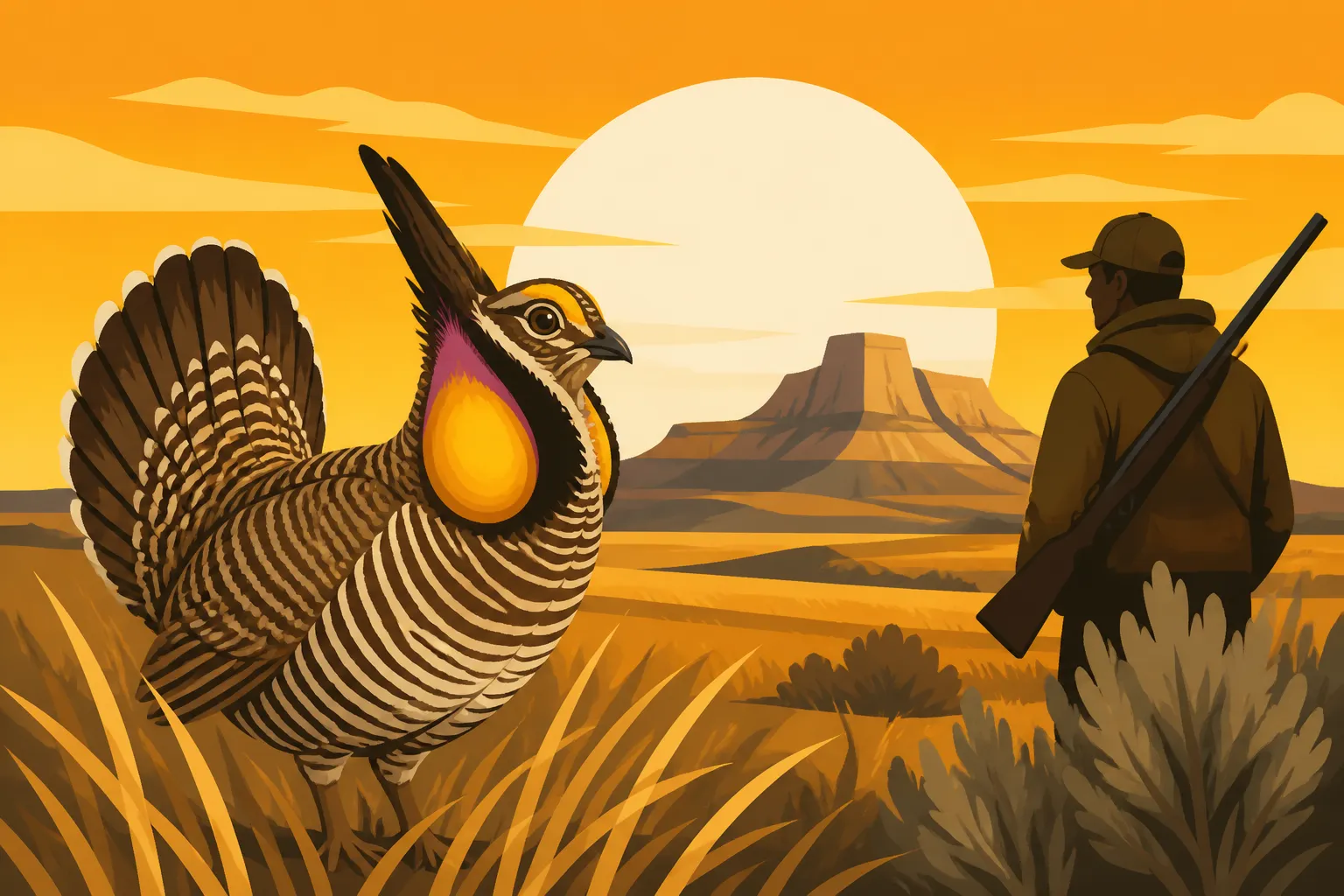
Prairie chickens and sharp-tailed grouse are magnificent birds, but they are also incredibly elusive and have distinct behaviors that differ significantly from the more commonly hunted pheasants. Unlike pheasants that often hold tight in dense cover, grouse can be notoriously flighty, flushing at long range, or they can hunker down in sparse cover that you wouldn't expect. They favor vast expanses of native grasslands, subtle draws, and fields of specific forage. When you're standing on an overlook, gazing across miles of rolling prairie, it can feel like trying to find a needle in a haystack – and that needle can fly away before you even know it's there.
Their preferred cover isn't always obvious to the untrained eye. A small dip in the terrain, a slight change in grass height, or a patch of wild rose bushes can be all it takes to hold a covey. These birds also move based on the time of day, weather conditions, and even the direction of the wind. Understanding these patterns, knowing which patches of grass they'll be in during the morning versus midday, or where they'll seek shelter on a blustery afternoon, takes years of accumulated experience. Without that intimate knowledge, many hunters spend their days walking past birds they never knew were there, or flushing them out of range without realizing their mistake.
Navigating the Expansive Landscape
The sheer scale of the South Dakota prairie is breathtaking, but it can also be incredibly intimidating for a hunter trying to go it alone. Public lands like National Grasslands and Walk-In Areas offer incredible opportunities, but they are vast, and finding productive ground within them can be a puzzle. Distinguishing property lines, understanding land ownership, and knowing where you can legally hunt can be a full-time job. It’s not uncommon for hunters to spend more time staring at maps or GPS devices than actually hunting, simply trying to ensure they aren't trespassing or walking past better opportunities. Hunting Pressure on South Dakota Public Ground can also shift birds into less accessible areas, making local intel invaluable.
Beyond navigation, there's the physical demand. Prairie grouse hunting is a walking man's game. You're not always driving roads and hopping out; you're often covering miles on foot, traversing uneven terrain, climbing draws, and pushing through thick grass. The open country means you're often exposed to the elements – the sun can be relentless, and the wind, especially in the afternoon, can be truly invigorating, to put it mildly. Without a plan or specific areas to target, these long walks can quickly become exhausting and unproductive, leaving you wondering if you're even in the right spot for Sharp-Tailed Grouse and Prairie Chickens in South Dakota.
What a Prairie Grouse Guide Brings to Your Hunt
This is where a dedicated prairie grouse guide truly shines. They bridge the gap between your desire to hunt these unique birds and the complex realities of the South Dakota landscape. A good guide doesn't just show you where to walk; they provide a comprehensive experience built on expertise, access, and specialized tools.
Expertise in Locating Birds and Reading the Land
Think of a prairie grouse guide as your personal expert on the subtleties of the prairie. They spend countless hours throughout the year scouting, observing bird patterns, and monitoring habitat conditions. This isn't a casual hobby for them; it's their profession, and their success hinges on knowing exactly where to find birds. They understand how factors like recent rainfall, forage availability, and even specific wind directions influence where grouse will be holding. When you're out there, a guide can point out a seemingly unremarkable patch of grass and explain why birds are likely to be there based on the lay of the land, the sun's angle, or the direction of an approaching weather front. Their ability to "read" the prairie is an invaluable asset that takes years, even decades, to cultivate on your own. For instance, they know which specific draws might hold birds in dry years, or how grouse move between feeding and roosting areas. This kind of deep local knowledge often outstrips anything you could glean from satellite images alone, even when Scouting South Dakota Public Ground Before the Season.
Access to Productive Hunting Ground
One of the biggest hurdles for any nonresident or DIY hunter is securing access to quality hunting ground. While South Dakota boasts incredible public hunting opportunities, the very best grouse hunting often occurs on private ranch land. Here, guides hold a distinct advantage. Many established guides have cultivated long-standing relationships with local landowners, securing exclusive or semi-exclusive hunting rights to thousands of acres of prime grouse habitat. This means you're not competing with other hunters, or constantly worrying about private property boundaries, which can be a significant challenge if you're trying to do your own Finding Private Land Access in South Dakota.
This access isn't just about quantity; it's about quality. Landowners often manage their pastures and hayfields in ways that create ideal grouse habitat, and guides know these areas intimately. They can take you to pastures that haven't been grazed recently, or to specific draws that consistently hold birds year after year. While some guides may also utilize public land, their private access ensures a diverse range of hunting scenarios and often higher concentrations of birds, increasing your chances of a successful hunt without the added stress of constantly finding new spots.
Specialized Dogs and Equipment
Hunting prairie grouse effectively almost demands good bird dogs, particularly pointing breeds. These birds can be very difficult to see once they hit the ground, and without a dog to lock onto their scent, you'll be walking past countless opportunities. A professional prairie grouse guide will typically arrive with a string of highly trained, experienced bird dogs – usually pointers or versatile breeds – specifically adapted to the vastness and the subtle scent of grouse. These dogs are conditioned for long hours in the field, capable of covering immense amounts of ground efficiently and reliably finding birds.
The guide’s dogs are often the stars of the show, working the wind, quartering the terrain, and locking up on point, creating those classic, heart-stopping moments. This is a huge advantage over hunting with an inexperienced dog or, even more so, going dogless, which, while possible for pheasants, is a monumental task for grouse. Beyond dogs, guides also come prepared with the right equipment for the terrain and conditions, from specialized vehicles that can navigate remote two-tracks to field-dressing supplies and coolers for proper game care, ensuring your birds are handled correctly once harvested.
Planning Your Guided Prairie Grouse Adventure
Deciding to book a guided hunt is just the first step. To ensure a rewarding experience, it's crucial to understand the practicalities, from costs to what questions you should be asking your potential guide. This preparation will help set clear expectations and ensure you're ready for the unique challenges and rewards of the prairie.
Understanding Costs and Inclusions
The cost of a guided prairie grouse hunt in South Dakota can vary widely depending on the duration, the amenities offered, and whether it's a dedicated grouse hunt or part of a multi-species package. Generally, you'll encounter daily rates or multi-day packages. These rates often include the guide's service, access to private land, the use of their trained dogs, and sometimes even bird cleaning and packaging. Some premium packages might also include lodging, meals, and airport transportation.
What's usually not included, and something you'll need to budget for separately, are your hunting licences, gratuities for the guide and any lodge staff, ammunition, and personal travel expenses. It's essential to get a detailed breakdown of what's covered in your specific package before you book. Don't be shy about asking for clarification on "all-inclusive" claims. Understanding What a South Dakota Hunt Price Includes will prevent any unpleasant surprises down the road. While I cannot provide specific figures, expect these hunts to be an investment, reflecting the specialized knowledge, effort, and access that guides provide.
Licensing and Logistics
Before you even step foot on the prairie, you'll need to ensure you have the correct South Dakota hunting licence. For prairie grouse, you'll need a nonresident small game licence, and typically a habitat stamp is also required. If you plan to combine your grouse hunt with other species like ducks or geese, additional stamps (like the federal duck stamp) and permits may be necessary. Remember that South Dakota Hunter Education and Licensing is a prerequisite for most hunters, so ensure you meet all requirements well in advance.
Logistically, consider the time of year. Early season (September) offers warmer weather and often more flighty birds, while later in the season (October) can see birds more concentrated, but with colder temperatures. Flying into a regional airport like Sioux Falls or Rapid City and renting a vehicle is a common approach. Many lodges or guides will offer suggestions for local accommodations or have their own lodging available. Prepare for travel time to get to your hunting area, as South Dakota is a big state.
Questions to Ask Potential Guides
Choosing the right guide is paramount to a successful hunt. Don't hesitate to ask detailed questions. Here's a table of essential inquiries:
| Category | Key Questions to Ask | Why It Matters |
|---|---|---|
| Experience | How long have you been guiding specifically for prairie grouse? | Indicates specialized knowledge beyond general bird hunting. |
| What type of habitat do you primarily hunt? | Ensures they focus on true prairie grouse environments. | |
| Hunt Structure | What's the typical daily schedule? | Helps you understand the pace and physical demands. |
| What's your guide-to-hunter ratio? | Affects individual attention and safety. Smaller ratios are often better. | |
| What breeds of dogs do you use? | Good to know if they're using dogs suited for grouse. | |
| Success & Ethics | How do you define a successful hunt for prairie grouse? | Sets realistic expectations; grouse hunting is about the experience, not just limits. |
| Can you provide references from past clients? | Essential for Checking a South Dakota Outfitter's Reputation. | |
| Logistics | What exactly is included in the price? | Crucial for budgeting and avoiding hidden fees. |
| What are your cancellation and refund policies? | Important for unforeseen circumstances. | |
| What physical conditioning is required for this hunt? | Helps you prepare appropriately. |
When researching, platforms like BookYourHunt can be a good starting point to research guides who specialize in these unique hunts, allowing you to compare options and read reviews from other hunters. Additionally, resources like GoHunt might offer additional insights into guide services or specific hunting units that could complement your search. Always aim for transparency and a clear understanding of what you're booking. You'll also want to discuss their policy on Tipping Guides and Dog Handlers in South Dakota so you can budget accordingly.
Maximizing Your Experience with a Prairie Grouse Guide
A guided hunt is an investment, and like any investment, you want to get the most out of it. Beyond the practical arrangements, there are ways to prepare yourself mentally and physically to truly embrace the unique challenges and beauty of hunting prairie grouse.
Physical Preparation and Realistic Expectations
Let's be blunt: prairie grouse hunting is a workout. You'll be covering a lot of ground, often uphill and downhill in native grass that can be knee-high or taller. While your guide's expertise will make your efforts more efficient, it won't eliminate the need for good physical conditioning. Start walking regularly, incorporate some uneven terrain, and ensure your boots are well broken in. Comfort is key when you're putting in miles. Consider the advice in Boots for Walking Cattails All Day – even though the cover differs, the need for supportive, durable footwear is the same.
It's also vital to set realistic expectations. Unlike some preserve pheasant hunts where limits are nearly guaranteed, wild prairie grouse hunting is just that: wild. Bird numbers can fluctuate with weather, habitat, and other factors. A "successful" hunt might mean you worked hard, saw incredible dog work, learned a ton about the birds, and maybe took a bird or two, rather than filling your vest every day. Embrace the challenge and the experience, rather than focusing solely on the bag limit. Your guide will work tirelessly to put you on birds, but the prairie has its own rhythm.
Embracing the Wildness
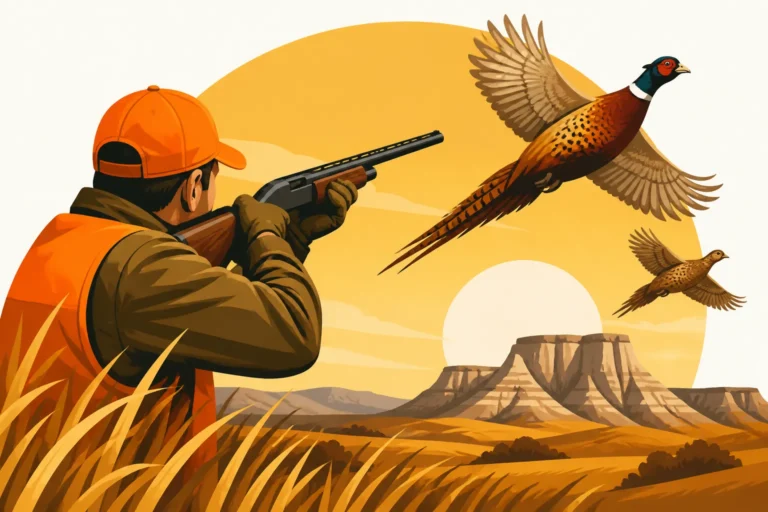
What truly sets prairie grouse hunting apart is the profound sense of wildness you encounter. This isn't manicured farm country; it's often vast, unbroken prairie, teeming with other wildlife like mule deer, antelope, and a myriad of bird species. Even if the hunting is tough, the sheer beauty of a South Dakota sunrise over endless grass, the sight of a pointer locked up solid, or the explosive flush of a covey against a blue sky, are experiences that stay with you long after the hunt is over.
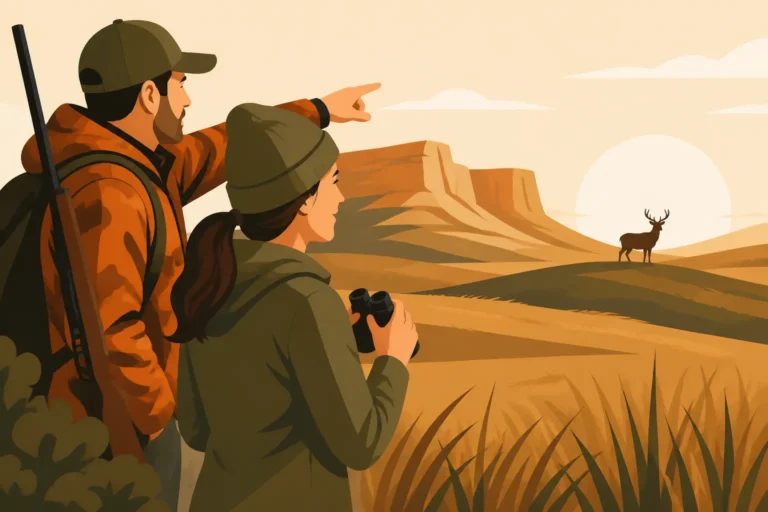
Your guide is not just a bird finder; they are often a wealth of knowledge about the ecosystem, the history of the land, and the nuances of South Dakota Prairie Grouse and Partridge. Engage with them, ask questions, and soak it all in. This is a journey into an authentic slice of Americana, where the connection to the land and the tradition of hunting runs deep. The challenge and the rewards are directly tied to the untamed nature of these birds and their environment. Glassing Grids on Open Breaks can be an art form that your guide will teach you, helping you appreciate the small details of the expansive landscape.
Essential Gear for Your Hunt
Beyond your firearm (typically a light 12 or 20 gauge shotgun), there are a few essential items that will significantly enhance your comfort and effectiveness on a guided prairie grouse hunt.
- Layered Clothing: The prairie weather can be unpredictable. Mornings can be chilly, midday warm, and afternoons windy. Dress in layers that you can easily add or shed. Pay attention to how to best utilize Layering for South Dakota Wind.
- Quality Boots: As mentioned, you'll be walking. Waterproof, comfortable, and supportive boots are non-negotiable.
- Water and Snacks: Staying hydrated and fueled is critical for long days afield.
- Good Optics: Binoculars can be incredibly useful for spotting distant birds or observing your dog's work.
- Blaze Orange: South Dakota regulations require blaze orange during certain hunting seasons for safety, but it's always a good idea to wear it when hunting with a group, regardless.
- GPS/Mapping App: Even with a guide, having your own mapping capabilities (like onX Hunt) on your phone can be helpful for understanding where you are in relation to terrain features, and for tracking your own movements, but always defer to your guide's navigation.
Disclaimer
This article is for general informational purposes only and does not constitute professional advice. Laws, prices and regulations vary by location and change over time. Consult a qualified professional for guidance on your specific situation.