Choosing Between Two South Dakota Lodges
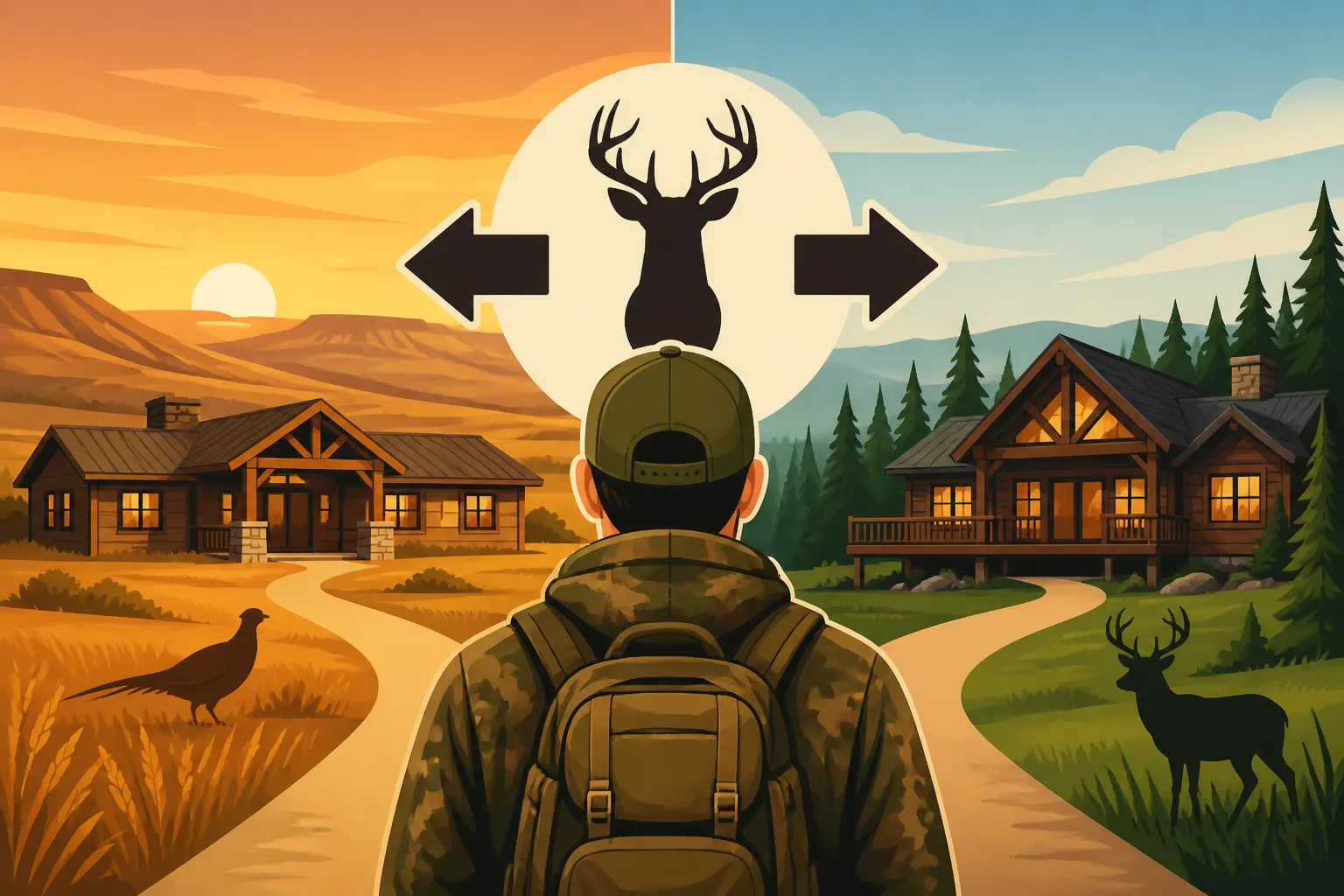
It’s a fantastic feeling, isn't it? That moment when you’ve finally decided a South Dakota hunting adventure is in your future, maybe a pheasant hunt with friends, or a solo quest for a big buck. You start your research, and then it happens: you narrow it down to two lodges, and suddenly, the decision feels impossible. Both look great, both have appealing photos, and both promise an incredible experience. This guide is here to help you move past that frustrating stalemate, giving you a detailed framework to meticulously evaluate and confidently choose the South Dakota lodge that's truly perfect for your hunt.
Defining Your Ideal South Dakota Hunting Experience
Before you can pick between two seemingly similar options, you really need to sit down and clarify what your "ideal" hunt actually looks like. It’s not just about getting a limit; it’s about the entire experience from the moment you arrive until you drive home. Being honest with yourself about these fundamental aspects will make the comparison process much clearer.
What Kind of Hunt Are You Really After?
South Dakota offers a diverse array of hunting opportunities, and lodges specialize in different things. Are you dreaming of a classic wild pheasant hunt, with miles of walking through diverse cover, or are you looking for a more managed, higher-volume experience often found on a private shooting preserve?
For pheasants, understanding the difference is crucial. Wild bird hunts typically mean more challenging flushes, varying bird numbers daily based on conditions, and a deeper connection to the vast prairie landscape. You'll often be walking larger tracts of natural cover, shelterbelts, and sloughs. On the other hand, a shooting preserve hunt might guarantee higher bird counts, with pheasants released regularly into cover specifically designed for hunting. Both have their place, but they offer vastly different styles of hunting. If your heart is set on the challenge of truly wild birds, a lodge focused primarily on preserve hunts, no matter how luxurious, simply won't fit the bill.
Perhaps you're not just after pheasants. Maybe you're considering a combo hunt, looking for a lodge that can also accommodate deer or waterfowl opportunities. Some lodges excel at one species but are merely adequate at others. Think about your target species, the type of terrain you prefer to hunt, and the physical demands you're willing to undertake. Are you happy to walk miles of dense cattails, or do you prefer a more accessible hunt with shorter walks? These preferences will naturally steer you toward one lodge over another. For a deeper dive into pheasant methods, check out Walking Speed That Holds Roosters and Late-Season South Dakota Pheasants in Heavy Cover.
Budget, Dates, and Logistics: Setting Your Non-Negotiables
Let's be real: budget is almost always a factor. While it's tempting to focus solely on the "per person per day" rate, a comprehensive look at the total cost is essential. Beyond the base price, you'll need to factor in licenses, transportation to and from the lodge, ammunition, gun rental if needed, tips for guides and staff, and potential costs for bird cleaning, packaging, and shipping. A lodge that initially appears cheaper might have more hidden fees, or simply not include as many services as a slightly more expensive option. It's really worth asking for a detailed breakdown of what is and isn't included when looking at What a South Dakota Guided Pheasant Hunt Costs.
Your preferred dates also play a huge role. South Dakota's pheasant opener is legendary, but it's also the busiest and often most expensive time. Are you flexible enough to consider a late-season hunt, perhaps after a fresh snowfall, which can offer unique challenges and different bird behavior? Lodges often have different availability and pricing for various times of the season. If you're locked into a specific week, check both lodges' availability before getting too attached.
Finally, think about logistics. How far is the drive from the nearest major airport? Do they offer airport pickup, or will you need a rental car? Are there any specific requirements for bringing your own firearms or ammunition? What about Flying With a Shotgun to South Dakota? Does one lodge have easier access via well-maintained roads, or does the other require navigating some questionable two-tracks that might be problematic in wet weather? These seemingly minor details can significantly impact the smoothness of your trip.
Essential Comparison Points for South Dakota Lodges
Once you have a clear picture of what you want, it's time to put those two lodges side-by-side and examine the specifics. This is where the detective work really begins.
Habitat, Guide Expertise, and Dog Programs
A lodge is only as good as the hunting ground it offers. Ask about the acreage they hunt, and more importantly, the quality and diversity of that habitat. Do they have a mix of natural grasslands, food plots, tree belts, and wetland sloughs? Does their ground experience heavy hunting pressure, or do they rotate fields to keep birds from getting too educated? You want to visualize yourself hunting there. The best lodges actively manage their habitat, ensuring prime cover throughout the season. You can often glean a lot by asking about their approach to managing land, or if they participate in programs like CREP. Reviewing aerial maps, if possible, can also give you insight into the layout of their hunting areas.
The guides are the backbone of any guided hunt. Are they experienced, knowledgeable about bird behavior, and safety-conscious? Do they communicate well, adapt to changing field conditions, and make the hunt enjoyable regardless of the bag limit? Don't be shy about asking about their guides' experience levels. A good guide can elevate an average hunt into a memorable one, while a poor guide can sour even a bird-rich day. Understanding What a Guide Does During a Bird Drive can help you formulate specific questions.
If you're hunting pheasants, the dog program is paramount. Many lodges provide well-trained pointing or flushing dogs, which are essential for finding and retrieving birds in thick South Dakota cover. Ask about the breed of dogs, their training, and how many dogs typically work a field. If you plan on Bringing Your Own Dog to a Lodge, inquire about their kennel facilities, any specific health requirements for your dog, and whether there are fees for bringing your canine companion. Some lodges are incredibly dog-friendly, while others prefer you use their staff's dogs. The synergy between guides and dogs can make or break a pheasant hunt.
Accommodations, Meals, and Amenities
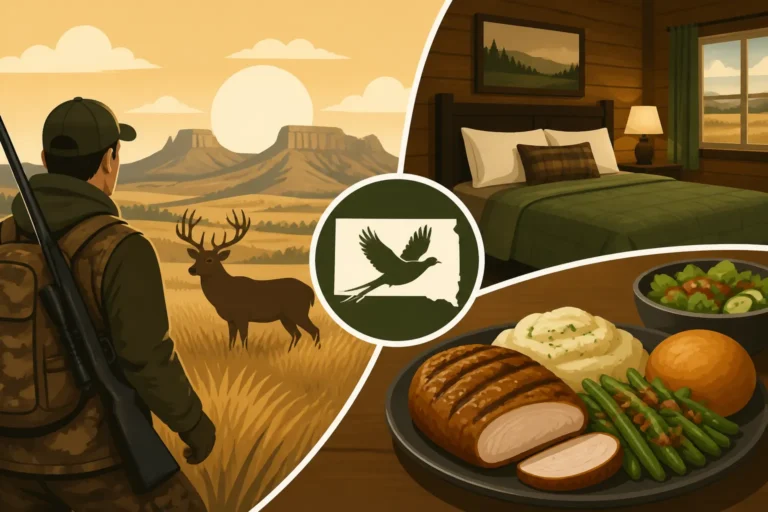
The "lodge" itself is where you'll be spending your non-hunting hours, so its comfort and atmosphere are crucial. Are you looking for a rustic, no-frills bunkhouse where hunters swap stories late into the night, or a luxurious retreat with private rooms and all the creature comforts? Both styles have their devotees. Ask about the sleeping arrangements: private rooms, shared rooms, or dorm-style? What about the bathrooms? Are they shared or private? The details matter for your comfort. Don't forget to consider Lodge Rooms and Meal Plans as part of your overall comfort assessment.
Meals are another big component of the lodge experience. Many South Dakota lodges pride themselves on hearty, home-cooked meals that refuel hunters after a long day in the field. Ask about their meal schedule, the type of food they serve, and if they can accommodate any dietary restrictions or allergies. Some lodges include all meals, snacks, and non-alcoholic beverages, while others might offer a continental breakfast and dinner, leaving lunch and drinks up to you.
Beyond the basics, what amenities does each lodge offer? A comfortable common area with a fireplace might be important to you for unwinding. Some lodges have game rooms, a pro shop, or even skeet ranges to sharpen your shooting skills. Think about what will enhance your downtime. Perhaps one lodge has reliable Wi-Fi and cell service, which can be surprisingly spotty in some parts of rural South Dakota. Little things like boot dryers, a dedicated cleaning station for birds, or even laundry facilities can make a big difference over several days.
Transparency, Reputation, and Client Feedback
This is where you move beyond the glossy brochures and social media photos. A lodge's reputation speaks volumes. How long have they been in business? Do they have a solid track record? One of the best ways to gauge this is by asking for references from past clients, which you can then follow up on. Don't just settle for one or two; ask for several, and try to get a mix of recent and older clients. Ask former guests specific questions about their experience: was the hunting as advertised? Were the guides friendly and professional? Were the accommodations clean and comfortable? This due diligence, including checking Getting References From Past Clients, is critical.
Online reviews can also be very informative, though always read them with a critical eye. Look for consistent themes, both positive and negative. How does the lodge respond to feedback, especially critical reviews? Their response can tell you a lot about their customer service philosophy. Websites like BookYourHunt or GoHunt often feature aggregated reviews and ratings that can provide a broad overview, allowing you to filter by specific criteria and see what other hunters are saying. Pay attention to how the lodge portrays itself compared to what clients are actually reporting.
Finally, consider the transparency of their booking process and contract. Are their prices clearly laid out? Are the terms for deposits, cancellations, and what happens if you don't draw a specific tag easy to understand? Any ambiguity or reluctance to provide clear answers should be a red flag. Reviewing the contract carefully, including understanding specific Red Flags When Booking in South Dakota, before you commit is non-negotiable.
Drilling Down into the Details: Beyond the Brochure
Once you've looked at the big picture, it's time to dig into the nuances. The devil, as they say, is in the details, and often these subtle differences are what truly distinguish one great lodge from another.
Understanding the Full Cost Picture
We touched on budget earlier, but let’s elaborate on the full financial commitment. When comparing two lodges, ask for an itemized list of everything that will factor into your final bill. This goes beyond the base rate for hunting and lodging.
Consider the cost of your South Dakota hunting licenses and habitat stamp. Are these included in the package, or are they an additional cost you'll need to purchase yourself? What about ammunition? Some lodges include a certain amount, others expect you to bring your own or purchase it on-site. The price of shells can add up, especially on a high-volume pheasant hunt.
Tipping is another significant, and often overlooked, expense. Guides, dog handlers, bird cleaners, and lodge staff all rely on tips for their excellent service. Ask the lodge about their recommended tipping guidelines, so you can budget appropriately. You can find more detail on this in Tipping Guides and Dog Handlers in South Dakota.
Then there are the "trophy fees" if you're hunting big game. While less common for pheasants, deer or antelope hunts sometimes have an additional fee for harvesting an animal of a certain size. Confirm whether any such fees apply. Lastly, factor in the cost of getting your game home. This could include professional bird cleaning and packaging, dry ice, shipping coolers, or even commercial shipping services for frozen meat or taxidermy. These services, while essential, can add a substantial amount to your overall trip cost.
Flexibility and Customization Options
Life happens, and sometimes plans need to change. How flexible are the lodges you're considering? Can they accommodate changes to your group size, within reason? What if one person in your party can't make it last minute? Are there options for Changing a South Dakota Hunting Period if something unexpected comes up, or can you roll a deposit over to the next season?
Consider specific needs of your group. If you have non-hunting guests who want to accompany the group, does the lodge allow them? Are there specific charges for their stay and meals? What about youth hunters? Many lodges are very welcoming to younger hunters and might even offer special rates or programs, aligning with initiatives like South Dakota Youth Pheasant Season or South Dakota Youth Small Game Licence. For hunters with disabilities, inquire about accessibility features at the lodge and in the field. Some lodges go above and beyond to ensure everyone can enjoy the hunt.
Beyond these practicalities, does the lodge offer any customization of the hunt itself? Can you choose to focus on certain types of cover, or spend more time walking versus blocking? Can you combine different species if you're interested in Combination Bird and Deer Packages? The ability to tailor the experience, even slightly, can make a hunt feel much more personal and satisfying.
Post-Hunt Services and Support
The hunt isn't truly over until your game is processed, packed, and safely on its way home. How do the two lodges handle post-hunt services?
For pheasants, most lodges offer bird cleaning and packaging. Ask if this is included in the price or an additional fee. What kind of packaging do they use? Vacuum-sealed birds are far superior for freezer life and transport. How do they keep the birds cool? Is there freezer space available for your game, especially if you're on a multi-day hunt? Understanding their process, as detailed in Bird Cleaning and Packaging Services, is key.
If you're hunting big game, what are their field dressing and transportation protocols? Do they have facilities for caping and quartering? Can they recommend local meat processors or taxidermists? Knowing these details upfront will save you a lot of stress, especially if you're successful on a large animal like a deer or antelope. Some lodges even partner with taxidermists or processors who can handle the entire process for you, including shipping the finished product.
Finally, think about follow-up. Will the lodge provide you with photos or videos from your hunt? Do they have a good system for staying in touch with past clients, perhaps offering early booking opportunities for the next season? These details contribute to the overall impression and can turn a one-time hunt into a cherished annual tradition.
Making Your Final Decision with Confidence
You’ve done your homework, dug into the details, and now it’s time to make that call. This final stage is about trust, communication, and leveraging all the information you've gathered.
Trusting Your Gut and Communicating Clearly
After meticulously comparing all the practical aspects, take a moment to consider your gut feeling. Which lodge simply feels right? Sometimes, intangible factors like the personality of the owner, the enthusiasm of the staff during your phone calls, or the overall vibe conveyed through their website can tip the scales. A friendly, welcoming atmosphere can significantly enhance your enjoyment, even if another lodge has slightly fancier amenities.
Communication is key throughout this process. Don’t hesitate to call both lodges multiple times with your questions. Pay attention to how quickly and thoroughly they respond. Do they answer your questions directly, or do they evade certain topics? A lodge that is responsive, transparent, and genuinely eager to ensure your satisfaction is usually a good bet. If something feels off, if you’re getting vague answers about critical details, or if their tone feels dismissive, that’s a significant warning sign. If something feels like a Red Flags When Booking in South Dakota, trust that instinct. Open and honest communication before booking can prevent misunderstandings and disappointment down the road.
Leveraging Online Resources and Platforms
While direct communication is paramount, online platforms can still play a crucial supporting role. Websites like BookYourHunt or GoHunt aren't just for initial searching; they can be invaluable for making your final decision. These platforms often allow you to view multiple photos, read detailed descriptions, and compare prices and inclusions side-by-side in a structured format.
Beyond that, the review sections on these platforms, or even independent hunting forums and social media groups, offer a wealth of anecdotal evidence. Look for patterns in reviews – are multiple people praising the same guide or meal? Are there recurring complaints about a certain aspect? While individual experiences vary, consistent feedback often points to a lodge's true strengths and weaknesses. Be sure to seek out Reviewing a South Dakota Outfitter details that align with your specific priorities.
Ultimately, the goal is to make an informed decision that aligns with your expectations and priorities. By taking the time to thoroughly research, ask tough questions, and consider both the tangible and intangible aspects of each lodge, you'll be well-equipped to choose the South Dakota hunting adventure that will create lasting memories.
Here’s a quick overview of key comparison points:
| Feature/Aspect | Lodge A Considerations | Lodge B Considerations | Your Priority Ranking |
|---|---|---|---|
| Hunting Style | Wild birds vs. Preserve, target species, terrain | Wild birds vs. Preserve, target species, terrain | High/Medium/Low |
| Habitat Quality | Acreage, diversity, pressure management | Acreage, diversity, pressure management | High/Medium/Low |
| Guide Expertise | Experience, professionalism, safety, communication | Experience, professionalism, safety, communication | High/Medium/Low |
| Dog Program | Quality of dogs, training, flexibility for own dog | Quality of dogs, training, flexibility for own dog | High/Medium/Low |
| Accommodations | Room types, amenities, cleanliness, comfort | Room types, amenities, cleanliness, comfort | High/Medium/Low |
| Meals | Quality, schedule, dietary accommodations | Quality, schedule, dietary accommodations | High/Medium/Low |
| Total Cost | Package inclusions, licenses, tips, processing, travel | Package inclusions, licenses, tips, processing, travel | High/Medium/Low |
| Flexibility | Group size, date changes, special requests, youth/non-hunters | Group size, date changes, special requests, youth/non-hunters | High/Medium/Low |
| Reputation/Reviews | References, online feedback, lodge responsiveness | References, online feedback, lodge responsiveness | High/Medium/Low |
| Post-Hunt Services | Game cleaning, packaging, shipping, taxidermy referrals | Game cleaning, packaging, shipping, taxidermy referrals | High/Medium/Low |
| Communication | Responsiveness, clarity, transparency | Responsiveness, clarity, transparency | High/Medium/Low |
Disclaimer
This article is for general informational purposes only and does not constitute professional advice. Laws, prices and regulations vary by location and change over time. Consult a qualified professional for guidance on your specific situation.