Asking About Shooting Distances
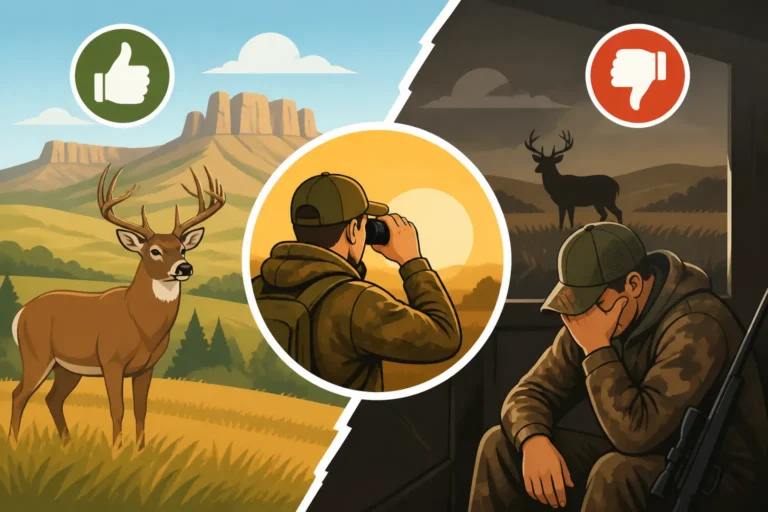
It's incredibly frustrating to spend countless hours preparing for a hunt, only to arrive in South Dakota and realize your practice wasn't quite aligned with the reality of the shots you're presented. The vastness of our prairies or the thick cover of our river bottoms can lead to vastly different shooting opportunities than what you might be used to. This guide will walk you through exactly what questions to ask your South Dakota outfitter or guide about anticipated shooting distances, helping you show up fully prepared and confident.
Understanding the Importance of Anticipated Shooting Distances
When you're planning a guided hunt, especially in a new area like South Dakota, one of the biggest unknowns is often the nature of the shots you'll be presented. It's not just about hitting a target; it's about making an ethical, clean kill, and that starts with understanding the likely distances you'll be shooting. If you've practiced all year out to 150 yards for deer, but the local hunting style or terrain typically presents 300-yard shots, you're immediately at a disadvantage.
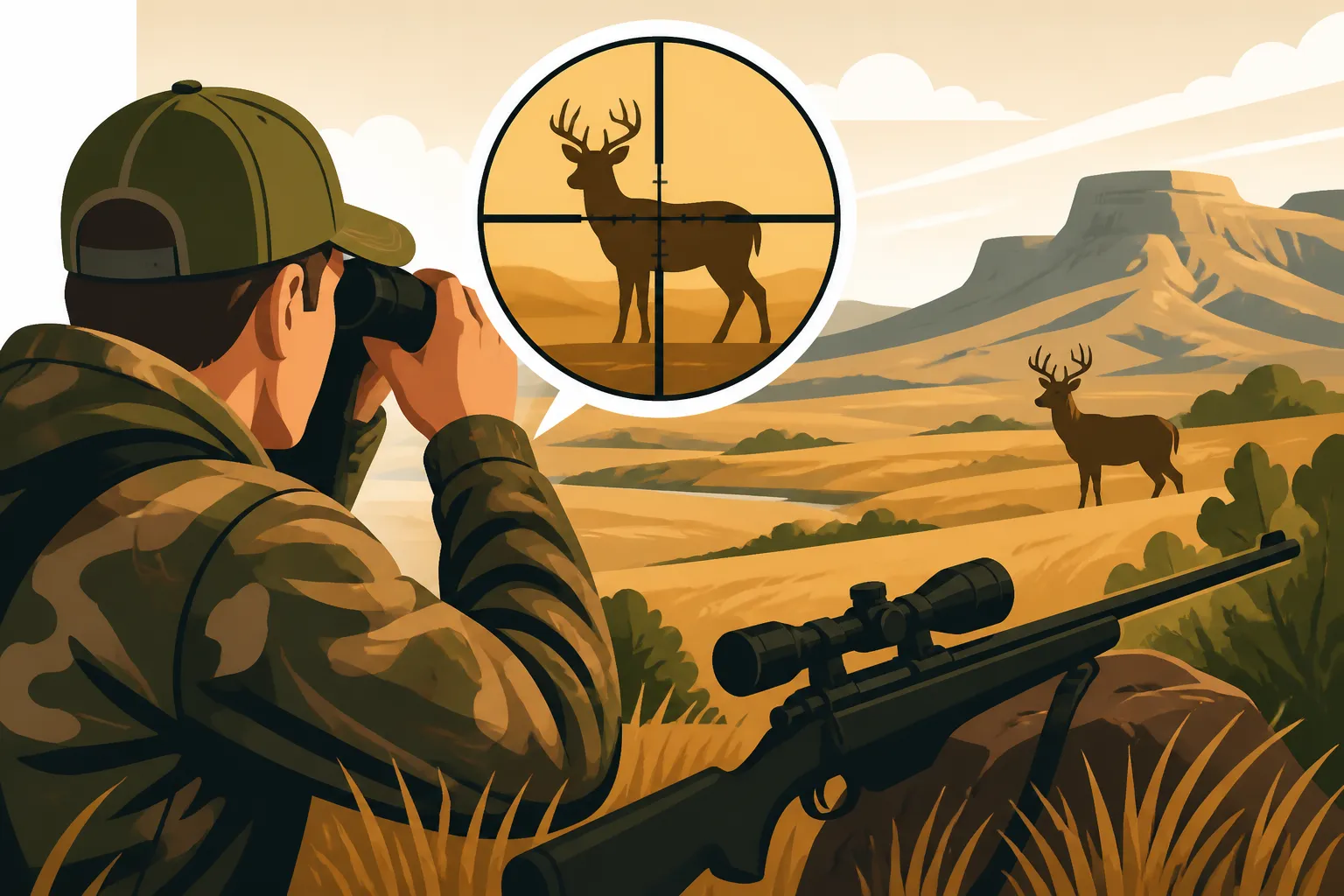
Imagine arriving for a pheasant hunt and finding yourself constantly behind the flushing birds because you expected close-quarter flushes, but the fields are huge, and the birds are running before getting up. Or, envision a long-range antelope hunt where you're set up for 400-yard shots on the open prairie, but you've only trained at 200 yards. This mismatch isn't just disappointing; it can lead to missed opportunities and, more importantly, potentially unethical shots. Knowing the expected ranges allows you to practice accordingly, select the right gear, and mentally prepare for the hunt ahead. It's a key part of responsible hunting and maximizing your chances of success. Our landscapes, from the thick South Dakota Pheasant Hunting Tactics for the Opener to the wide-open expanse where you might Spot-and-Stalk Antelope Hunting in South Dakota, demand different proficiencies.
Key Questions to Ask Your Outfitter or Guide
Asking about shooting distances isn't a sign of inexperience; it's a mark of a responsible hunter. A good outfitter will appreciate your proactive approach. Don't be shy – these are crucial details for your preparation and their ability to guide you effectively.
What Are the Average and Maximum Shooting Distances?
This is where you need to get specific. Don't just ask "how far will I shoot?" That's too vague. Break it down. Inquire about the average shot distance for the specific game you're after. For example, for pheasants, is it typically 20-30 yards on the flush, or do they often run and get up at 40-50 yards? For deer, is the typical shot 100-150 yards, or are 250-300 yard opportunities common?
Beyond the average, it's vital to ask about the maximum distance you might reasonably expect to shoot. This isn't about pushing your limits; it's about understanding the extreme end of the spectrum. If the guide says, "On a good day, we might get you a 200-yard deer shot, but be prepared for 350-400 on the big ones out here," that's invaluable information. It tells you to train for those longer distances, even if you hope for a closer shot. This distinction between average and maximum is critical for setting your practice goals. For instance, West River Mule Deer Hunting in South Dakota often means longer shots than hunting whitetails in dense cover.
How Do Terrain and Hunting Method Influence Ranges?
South Dakota's diverse landscapes directly impact shot distances. A hunt in the rolling grasslands and draws of West River country will present vastly different opportunities than a hunt along the dense timber of the Missouri River. Inquire how the specific terrain you'll be hunting affects typical ranges.
Consider a pheasant hunt: are you pushing dense cattail sloughs where birds flush close and hard, or walking vast CRP fields where they might hold longer or run far? For big game, are you Hunting Whitetails in South Dakota's Missouri River Timber where shots are often tight and fast, or are you glassing wide-open breaks and then stalking, which implies longer shots? Your guide is the expert on their ground, and they can tell you if their fields tend to have birds that run far or hold tight. They can explain how the contours of the land affect visibility and shot angles. This also extends to the hunting method itself: still-hunting heavy cover provides different opportunities than setting up on a food plot or engaging in a spot-and-stalk pursuit.
Factors That Influence Shot Distances in South Dakota
Several factors beyond just the game species play a huge role in the shot distances you'll encounter. Being aware of these can help you ask even more informed questions and prepare more thoroughly.
Species Behavior and Specific Hunting Methods
The very nature of the animal you're pursuing and the primary method used to hunt it will dictate the range. Pheasants, especially with flushing dogs, often present quick, close-range shots. However, if birds are pressured or if you're walking vast milo fields without tight cover, they might flush much further out, or even run extensively before taking flight. Deer, whether mule deer on the breaks or whitetails in river bottoms, will react differently to pressure and terrain. An antelope, known for its incredible eyesight, is rarely approached extremely close on the open prairie, often requiring longer shots.
Consider waterfowl hunting, too. Decoying ducks on a prairie pothole might mean shots within 30 yards, but field hunting geese or Decoying Antelope Over Water could mean birds circling high or coming into ranges that require precise yardage calls. Understanding if your outfitter primarily uses drives, spot-and-stalk, still-hunting, or blind setups will inform your expectation of shot distances. Sometimes, even subtle things like Hunting Pressure Patterns on Walk-In Areas can make game more wary and push them to expose themselves at longer ranges.
Weapon Choice and Hunter Skill Level
Your choice of weapon is paramount, and your guide needs to know your comfort level. Are you hunting with a shotgun, a rifle, or a bow? Each has inherently different effective ranges. For rifle hunting, what caliber are you using, and what is your effective ethical range with that rifle and ammunition combination? If you're using a .243 for antelope, your ethical maximum might be different than someone shooting a .300 Win Mag. For bowhunters, guides will need to manage expectations for much closer encounters.
It's also about honest self-assessment. Be upfront with your guide about your personal limitations. If you can consistently group shots at 200 yards but struggle beyond that, communicate this clearly. A good guide will work within your capabilities to try and present ethical shot opportunities. Don't let ego override safety and ethics. Many guides will want to confirm your proficiency, or at least understand it, before heading afield. They're not judging; they're ensuring a successful and responsible hunt for everyone. This is especially true for longer-range opportunities, where knowing your rifle's capabilities, like those relevant for Rifle Calibers for South Dakota Antelope, is vital.
Preparing Your Gear and Skills for Various Distances
Once you have a clear picture of the expected shooting distances, you can tailor your preparation to match. This means specific practice routines and making sure your gear is up to the task.
Targeted Practice and Skill Refinement
Knowing the distances allows you to make your practice sessions far more effective. Don't just punch paper at 100 yards if you're told 300-yard shots are common. Extend your range at the shooting bench. More importantly, practice from realistic field positions. Can you reliably hit your target from a prone position, off shooting sticks, or kneeling? Many shots on the South Dakota prairie, especially for big game, are taken from these less stable positions.
For upland birds, practice swinging through fast-moving targets and leading appropriately. Understand your shotgun's choke and what it does to your shot pattern at different ranges. Time spent Practicing Prone Shots on the Prairie or familiarizing yourself with your shotgun's capabilities in various conditions will pay dividends. If you're using an outfitter finding service like BookYourHunt, you can often find reviews that might hint at typical shot distances, giving you a head start on your preparation.
Essential Gear for Distance Management
Having the right equipment is non-negotiable for managing varying shooting distances. A good quality rangefinder is paramount, especially for big game. Guessing yardage on the open prairie can lead to significant misses. Investing in a reliable model that can read distances accurately and quickly is one of the best hunting purchases you can make. Furthermore, quality optics – binoculars and a rifle scope – that hold zero and offer clarity are crucial for spotting game at a distance and placing your shot precisely.
For longer rifle shots, consider a ballistic calculator or a system like a turret scope or custom ballistic reticle that helps compensate for bullet drop. Knowing your bullet's trajectory at different ranges takes the guesswork out of holdover. Make sure your rifle is sighted in and zeroed for the most common distances you expect, and that you know your holds or adjustments for both closer and longer shots. Platforms like GoHunt often feature gear reviews and articles on ballistic considerations, which can be incredibly helpful. Understanding how to use your Rangefinding Across Open Ground effectively is a skill in itself and should be practiced.
| Game Species | Common Hunting Method | Typical Shot Range (yards) | Recommended Gear for Distance Management | Essential Practice Focus |
|---|---|---|---|---|
| Pheasant | Driven/Walking with dogs | 20-40 (flush) | Choke tubes, fast-swinging shotgun | Snap shooting, leading moving targets |
| Whitetail Deer | Treestand/Still-hunting river bottoms | 50-150 | Rangefinder, clear rifle scope (low power) | Offhand/supported shots, quick target acquisition |
| Mule Deer | Spot-and-stalk open breaks | 150-300 | High-quality rangefinder, ballistic scope/turrets | Prone/shooting stick shots, wind reading |
| Pronghorn Antelope | Spot-and-stalk prairie | 200-400 | Advanced rangefinder, ballistic scope/turrets | Prone stability, long-range accuracy, windage |
| Waterfowl | Decoying/Layout blind | 20-50 | Choke tubes, fast-swinging shotgun, quality shells | Leading flying birds, target identification |
Disclaimer
This article is for general informational purposes only and does not constitute professional advice. Laws, prices and regulations vary by location and change over time. Consult a qualified professional for guidance on your specific situation.