Decoying Antelope Over Water
Hunting pronghorn antelope in South Dakota's vast, open country can be an incredibly frustrating experience. Their eyesight is legendary, and closing the distance on a wary buck across miles of flat prairie often feels impossible. Many hunters struggle to get within range, seeing bucks vanish over the horizon long before they can even shoulder a rifle. This guide dives deep into the strategic art of decoying antelope over water, offering a highly effective method to turn those distant mirages into real opportunities, even for the most seasoned hunter.
The Allure of Water: Understanding Antelope Behavior
Antelope, those speed demons of the prairie, might seem indifferent to much of their surroundings, but water is a non-negotiable necessity, especially during the dry, warm hunting seasons common in South Dakota. Understanding why they need it and how they use it is the foundation of successful decoying. It’s not just about finding a puddle; it’s about recognizing the critical role water plays in their daily lives.
Why Water is a Magnet in Dry Conditions
South Dakota's West River country, particularly the expansive National Grasslands like Buffalo Gap and Fort Pierre, can be incredibly arid, especially in late summer and early fall when antelope seasons often open. While antelope are highly adapted to dry environments and can get some moisture from the plants they eat, they still need to drink regularly, often daily, particularly when temperatures soar. Imagine running all day across the prairie under a blazing sun; you'd be thirsty too! This biological imperative makes reliable water sources absolute magnets. Ponds, stock tanks, slow-moving creeks, and even small seeps become critical gathering points. When you see scattered groups of antelope moving towards a central location in the heat of the day, there’s a very high chance they’re heading for a drink. The scarcity of these water sources in many areas concentrates animals, creating predictable patterns that we, as hunters, can exploit. Without these water sources, an antelope’s survival is truly jeopardized, which is why they are willing to expose themselves to danger to get a drink.
Daily Patterns Around Waterholes
Antelope don't just randomly appear at waterholes; they follow fairly predictable routines, dictated by the sun, temperature, and hunting pressure. Typically, you'll see a surge of activity around water during the cooler parts of the day – early morning after sunrise and late evening before sunset. However, in hot weather, mid-day visits become common, often when other animals are seeking shade. Bucks, especially mature ones, can be quite cautious. They might approach a waterhole slowly, often stopping on a distant ridge to survey the area before committing to a drink. This is where patience is your best friend. A small herd might send a doe or two in first, testing the waters, so to speak, before the rest follow. Observing these patterns, perhaps from a distance with your Glassing Grids on Open Breaks strategy, can provide invaluable intel on specific waterholes. Sometimes, younger bucks will be less cautious, but those big, old prairie monarchs will often use the cover of topography to approach and depart quickly.
Reading Sign and Approaching Undetected
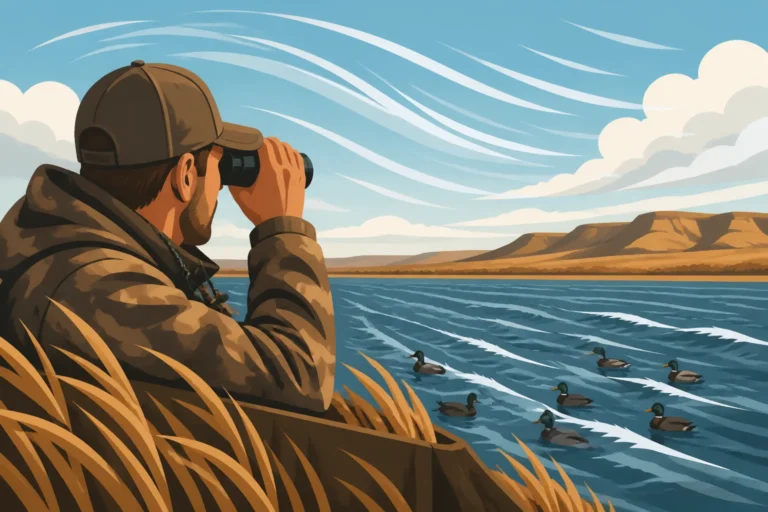
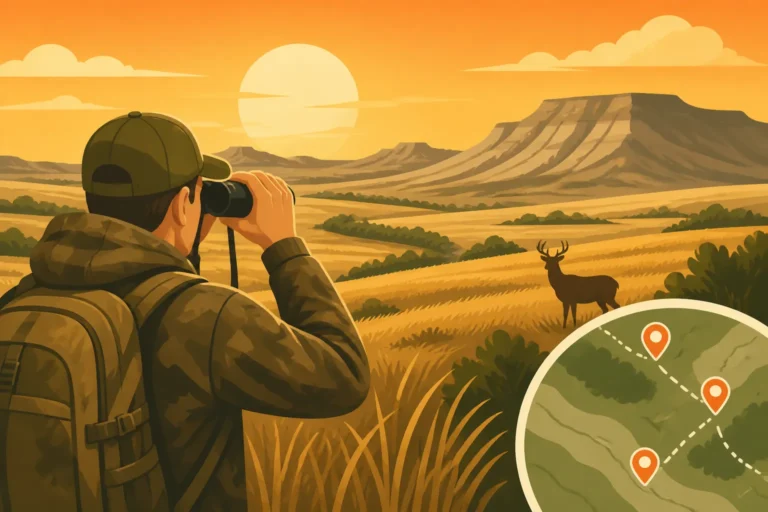
Before you even think about setting up a decoy, you need to "read" the waterhole itself. Look for fresh tracks in the mud, droppings around the edges, and browse lines on nearby vegetation. Heavily used water sources will have a distinct, well-worn appearance. Pay attention to the size of the tracks – bigger tracks mean bigger bucks. While these animals spend a lot of time out in the open, they are acutely aware of anything out of place. Approaching a waterhole for scouting or setup requires extreme caution. Use every bit of available terrain—coulees, washes, taller grass—to keep your silhouette broken and your approach hidden. A good pair of binoculars, like a quality 10x or 12x from a brand like Swarovski or Vortex, will be indispensable here for observing from a safe distance before committing. Remember, once an antelope spots you making a direct beeline for their water, the jig is likely up for that location, at least for a while.
Choosing the Right Decoy and Setup
Decoying antelope, especially over water, is a blend of art and science. It's about convincing one of the most wary animals on the prairie that a new visitor at their watering hole is not a threat, but rather something intriguing, or even challenging, to investigate.
Decoy Types and Realism
The market offers various antelope decoys, but for waterhole decoying, realism is paramount. You want something that looks like an actual antelope standing at the water's edge.
- Standing Buck Decoys: These are often the most effective. A full-body buck decoy, especially one with a decent rack, can provoke a territorial response from other bucks. Some of the best models are 2D or 3D foam or fabric designs that collapse for easy packing. Look for brands that offer realistic coloration and antler profiles. A static decoy is usually preferred for waterhole setups, as movement is often provided by the hunter.
- Doe Decoys: While less likely to elicit a territorial charge, a doe decoy can sometimes appear less threatening and draw curious bucks in. They can also be used in conjunction with a buck decoy to simulate a pair at the water.
- Decoys with Motion: Some decoys incorporate subtle motion (e.g., a wagging tail or head movement). While these can add realism, they can also be cumbersome for a waterhole setup where you're trying to remain low-profile. The movement is usually generated by the hunter, not the decoy itself.
When choosing, prioritize lightweight, packable options, as you'll often be carrying them a good distance. Durability is also key; the South Dakota prairie can be tough on gear. A company like GoHunt, which focuses on providing hunters with valuable intel and gear reviews, often highlights the pros and cons of different decoys based on user experience, so it's a good resource to check before investing.
Here's a quick comparison of common decoy types for waterhole setups:
| Decoy Type | Pros | Cons | Best Use Case |
|---|---|---|---|
| Full-Body Buck | Highly realistic, provokes territoriality | Can be bulky to carry, higher cost | Aggressive decoying, attracting dominant bucks |
| 2D Buck (Cardboard/Fabric) | Lightweight, highly portable, affordable | Less realistic up close, requires stability | Packing into remote spots, quick setups |
| Full-Body Doe | Less threatening, draws curiosity | Less likely to provoke a charge | Passive decoying, attracting curious bucks/groups |
| Combo (Buck & Doe) | Enhanced realism, draws multiple responses | Most bulky, most expensive | High-traffic waterholes, drawing attention from afar |
Positioning for Maximum Impact
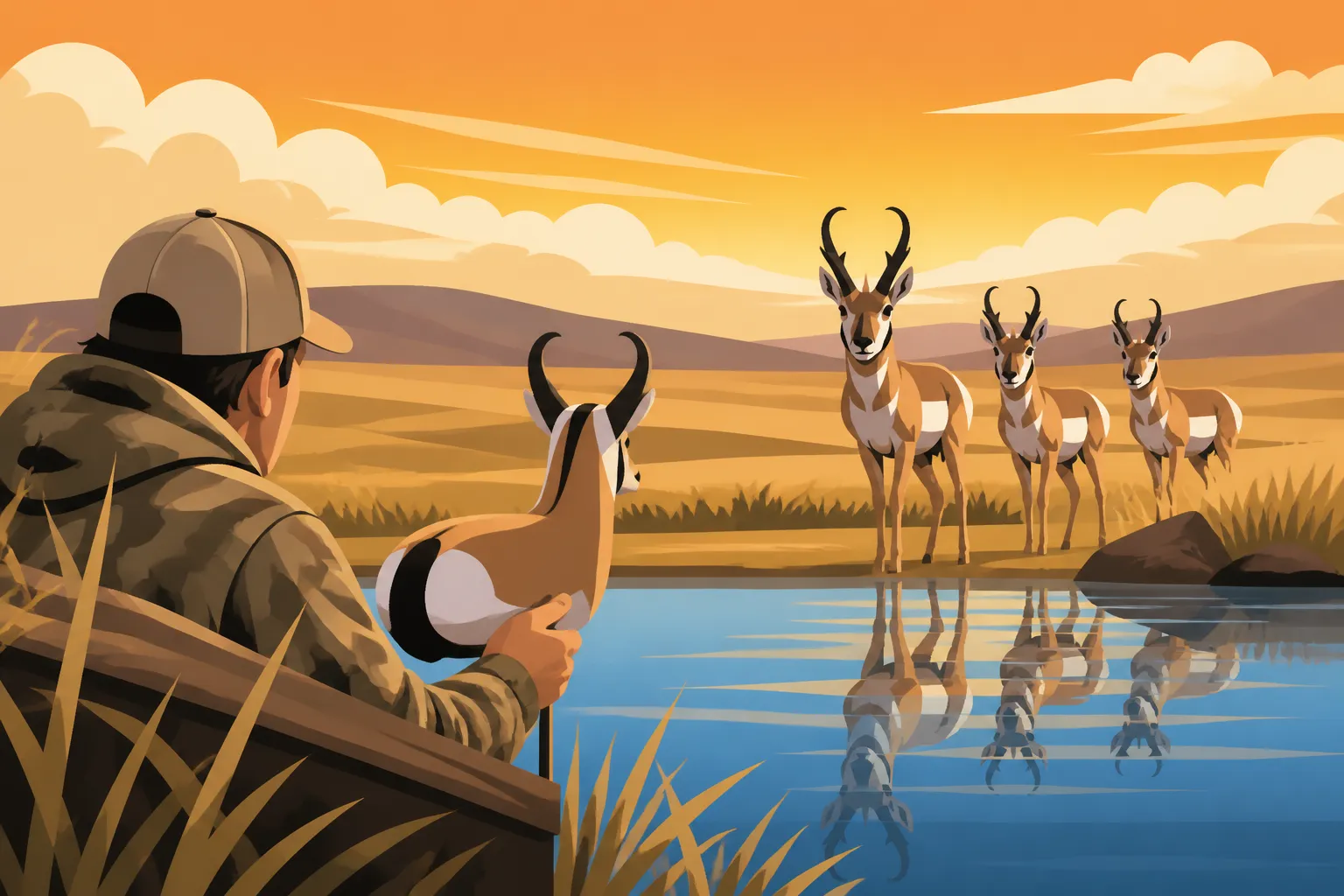
Once you have your decoy, its placement relative to the waterhole and your position is crucial. The goal is to make the decoy look natural and offer a clear shot opportunity when an antelope approaches.
- Facing Away or Sideways: Typically, you want your decoy facing slightly away from the direction you expect the antelope to approach, or quartering away from you. This presents a more relaxed posture, implying the antelope is simply focused on drinking. An antelope directly facing the approaching buck can sometimes be perceived as a challenge from too far out, causing them to hang up.
- Near the Edge, But Not In the Water: Place the decoy close enough to the water's edge to appear as if it's about to drink or has just finished. Avoid placing it directly in the water, as this can look unnatural and potentially damage your decoy. The idea is to create a scene.
- Wind Direction: Always, always, always consider the wind. You want the approaching antelope to walk into the wind towards your decoy, allowing your scent to be carried away from them. This also often means they'll approach from a specific direction, which you can anticipate. This plays heavily into your own concealment, which we'll discuss next.
- Angle to the Sun: Try to position the decoy so the sun is not directly behind it from the antelope's perspective. This prevents it from appearing as a stark silhouette, enhancing its realism. Ideally, the sun should be at your back, illuminating the decoy and the approaching antelope.
Think of it like setting a stage for a play, where the antelope is the star and your decoy is a critical prop. Every detail counts in this environment where eyes are king.
Camouflage and Concealment for the Hunter
You can have the most realistic decoy in the world, but if you're exposed, it's all for naught. Antelope have incredible eyesight, and they will pick up on the slightest movement or unnatural silhouette.
- Low Profile is Key: This isn't a treestand hunt. You need to be on the ground, and ideally, as low as possible. A ground blind is often the best option. These can be pop-up models (ensure they're quiet to deploy) or improvised blinds using natural vegetation like sagebrush, yucca plants, or a subtle dip in the terrain. The key is to break up your outline completely.
- Blending with the Background: Choose camouflage that matches the arid South Dakota prairie. Earth tones, tans, browns, and muted greens are generally effective. The most important thing is to avoid stark contrasts. Don't be "dark green" in a "tan" field.
- Head-to-Toe Concealment: Your face and hands are often the most exposed and reflective parts of your body. Wear a face mask, neck gaiter, and gloves. Even shiny watch faces or glasses can spook an antelope.
- Immobility: Once an antelope commits to approaching, movement is your enemy. Remain absolutely still. If you need to adjust for a shot, do it slowly, smoothly, and when the antelope's head is down or obscured. Practicing Prone Shots on the Prairie is invaluable here, as you'll often be shooting from a very low position.
Your ability to disappear into the landscape is just as important as the decoy itself. That's where quality gear and meticulous planning come into play.
Executing the Stalk and Decoy Placement
The moment of truth in waterhole decoying isn't just about waiting; it's about the execution of the entire sequence. From the careful approach to the final shot, every step is critical. Antelope hunting often feels like a chess match, and decoying over water adds another layer of tactical complexity.
Wind, Sun, and Terrain Considerations
Before you even step foot near the waterhole, you need to assess the environmental conditions with a hawk-like intensity.
- Wind Direction: This is arguably the most crucial factor. You need to know the prevailing wind and anticipate how it might shift. Your scent must be carried away from the waterhole and the path of any approaching antelope. Use a wind checker constantly during your approach and setup. If the wind is swirling or unpredictable, it might be better to wait for another day or find a different location. A good rule of thumb is to place yourself downwind of the water, and then position your decoy upwind of you, so that a buck approaching the decoy will likely present a broadside shot as he checks it out, with the wind in his favor.
- Sun Position: As mentioned, avoid having the sun directly behind your decoy from the antelope's perspective. Also, consider the sun's position relative to your blind. You don't want glaring sun in your eyes when that big buck finally shows up. The ideal is generally to have the sun at your back or to the side, illuminating the target.
- Terrain for Concealment: The undulating prairie offers natural dips, coulees, and rises that can be your best friends for a concealed approach. Study aerial maps (like those offered by GoHunt, which often have public land overlays for South Dakota) to identify natural travel corridors for antelope and the best approaches for yourself. Use every bit of cover to hide your movement until you're in position. Sometimes, even a slight rise is enough to break your silhouette and allow you to crawl into position without being seen.
Setting Up for the Shot
Once you've chosen your spot, the setup needs to be swift and silent.
- Deploy Decoy First: Carefully set up your decoy near the water's edge, adhering to the positioning guidelines discussed earlier. Make sure it's stable and won't be blown over by a gust of wind.
- Establish Your Blind: Immediately after decoy placement, melt into your chosen concealment. Whether it's a pop-up blind, natural vegetation, or a simple ground depression, ensure you have a clear shooting lane towards the decoy and the expected approach routes. Clear any small rocks or debris that might make noise if you shift position.
- Get Comfortable and Ready: Once concealed, get into your shooting position. For most decoying scenarios, especially in open country, a bipod or shooting sticks will be invaluable for stability. If you're using a prone setup, ensure you have enough clearance for your scope. Load your rifle, range your decoy (so you know your reference point), and prepare yourself for potentially long waits. This is a great time to review your Shot Placement on a Pronghorn knowledge.
Patience is Key
This cannot be stressed enough. Antelope hunting, particularly with decoys, is a game of immense patience. You might set up at dawn and not see an antelope until mid-afternoon.
- Resist the Urge to Peek: Constantly popping your head up or making sudden movements will get you busted. Use your binoculars or spotting scope very carefully, only when you're sure you're undetected.
- Be Prepared for Long Waits: Bring water, snacks, and mentally prepare for extended periods of stillness. A good book or podcast downloaded beforehand can help pass the time if you're easily bored, but only listen with one ear and keep alert!
- Wait for the Right Shot: When an antelope finally appears, don't rush. Let the animal commit. A buck might circle the decoy, approach cautiously, or even stand off at a distance. Let him close the distance, turn broadside, and present a confident shot. Rushing often leads to missed opportunities or, worse, a wounded animal. Remember, in open country, tracking can be incredibly difficult, so a clean shot is paramount.
Factors Influencing Success
Decoying antelope over water isn't a guaranteed slam dunk every time you try it. Many variables come into play, and understanding them can significantly tip the odds in your favor. It's about adapting to the unpredictable nature of wild animals and the South Dakota environment.
Impact of Weather and Temperature
Weather isn't just about comfort; it's a critical driver of antelope behavior.
- Heat is Your Friend: The hotter and drier the conditions, the more potent waterholes become as attractants. In sweltering South Dakota afternoons, antelope have to drink. This is often when they're most vulnerable to decoying over water. A scorching day with clear skies can make a waterhole irresistible.
- Cooler Temps and Rain: Conversely, cooler temperatures or recent rainfall can diminish the effectiveness of waterhole decoying. If there's standing water elsewhere, or if the antelope are getting enough moisture from lush vegetation (which is rare during prime antelope season), their drive to hit a specific waterhole lessens. They become less predictable.
- Wind Effects: We've already discussed wind for scent, but also consider its impact on the animals. Very strong winds can make antelope skittish and reduce their movement. Lighter, consistent winds are ideal. High winds can also make it difficult to shoot accurately, especially at longer distances across the prairie. Reading Wind at Four Hundred Yards is a skill that translates even to closer decoy shots, as you need to be aware of how gusts can affect both the animal and your bullet.
Hunting Pressure on Waterholes
Just like any other hunting method, pressure can quickly sour a good waterhole.
- Early Season vs. Late Season: Waterholes often see more traffic from both antelope and hunters early in the season, when animals are less educated. As the season progresses, and if a waterhole has been hit repeatedly, antelope can become incredibly wary. They might start using the water at night, or simply avoid it altogether.
- Public vs. Private Land: Public lands, like the National Grasslands and Walk-In Areas, naturally see more hunting pressure. If you're on public ground, expect other hunters to have the same idea. Being the first one to a productive waterhole, or scouting remote ones, can give you an edge. On private land, pressure might be lower, but antelope are still intelligent creatures. Checking Hunting Pressure Patterns on Walk-In Areas can provide insights into what to expect in different regions.
- Timing Your Hunt: If you know a waterhole is pressured, consider hunting it at unconventional times. Mid-day on a weekday might see less activity from other hunters than opening weekend. Sometimes, waiting out a period of heavy hunting pressure for a few days can allow animals to settle back into their patterns.
Time of Day Strategies
While antelope can visit waterholes at any time, certain periods offer higher odds for decoying success.
- Early Morning: As the sun rises and temperatures begin to climb, antelope will often make their first visit to water. This provides excellent light for shooting and often finds animals less disturbed.
- Late Afternoon/Evening: Similar to morning, antelope will often visit water before bedding down for the night. The golden hour light can be beautiful, but dwindling light can also make shot placement challenging if you wait too long.
- Mid-day in the Heat: This is often overlooked but can be highly effective, especially in very hot weather. While other hunters might be taking a break, antelope are feeling the thirst. The glare of the mid-day sun can also sometimes work in your favor, making it harder for antelope to spot your well-concealed position.
Your strategy for Blind Hunting a Prairie Waterhole should always factor in these time-of-day dynamics. Scout the waterhole on previous days, if possible, to observe which times are most active, and plan your hunt accordingly.
Common Mistakes and How to Avoid Them
Decoying antelope over water sounds simple in theory, but there are numerous pitfalls that can ruin a hunt. Being aware of these common errors and actively working to avoid them will drastically increase your chances of success. It's about learning from others' mistakes so you don't have to make them all yourself.
Improper Concealment
This is arguably the number one reason waterhole decoying attempts fail. Antelope vision is incredible, and they are constantly scanning their surroundings.
- The Silhouette Trap: Hunters often think simply sitting down is enough. It's not. Your outline against the sky or a contrasting background is a giant red flag. Always ensure you're in a depression, against dense vegetation, or inside a well-constructed blind.
- Movement is Murder: Even small, unconscious movements—shifting your weight, scratching an itch, or reaching for your phone—can be picked up. Once you're set, minimize all movement. Practice slow, deliberate movements for raising your rifle or adjusting optics.
- Reflective Surfaces: Anything shiny, from a watch face to a metal water bottle, can flash in the sun and spook an antelope. Cover or remove all reflective items. Use matte finishes on your rifle and scope.
- Unnatural Blinds: While pop-up blinds are convenient, ensure they blend into the environment. A bright green blind in a brown prairie field sticks out like a sore thumb. Some hunters take the time to brush in their blinds with local vegetation for ultimate concealment.
To truly melt into the background, think like an antelope trying to spot a predator. They're constantly looking for anything out of place.
Rushing the Setup or Shot
Impatience is a hunter's worst enemy, especially when decoying.
- Hasty Approach: Sprinting to your chosen spot, or making a direct, obvious approach, will alert every animal in the vicinity. Take your time, use terrain features, and move slowly and deliberately to avoid detection.
- Fumbling with Gear: Rustling gear, dropped items, or struggling to set up your decoy or blind loudly will send antelope packing. Practice your setup at home so it becomes second nature and you can do it silently and efficiently in the field.
- Shooting Too Soon: The adrenaline rush when a buck finally commits is intense, but resist the urge to shoot the moment he steps into range. Let him present a clean, broadside shot. Wait until he's settled, perhaps distracted by the decoy, and you have a high-confidence opportunity. How Close You Can Stalk a Pronghorn implies that they can often come in quite close to a decoy, so don't feel pressured to shoot at the first possible moment. Waiting for the perfect shot is not only ethical but increases your success dramatically.
Ignoring Wind Direction
While mentioned before, it's worth reiterating as a critical mistake.
- Scent Carries Far: Antelope have a decent sense of smell, and in the open prairie, scent can carry a long, long way. If your scent blows towards the waterhole or the anticipated approach path of an antelope, they will bust you before you ever see them.
- Shifting Winds: The wind can be notoriously fickle in South Dakota. What starts as a consistent breeze can shift unexpectedly. Continually monitor the wind with a wind checker. If it shifts unfavorably, you have a tough choice: either relocate (if possible and undetected) or pack it in and try another day. Trying to tough it out with a bad wind rarely ends well.
- Scent Control: While no amount of scent control will completely mask human odor, taking precautions like showering with scent-free soap, wearing clean hunting clothes, and storing them in scent-proof bags (brands like ScentLok or Scent Crusher can help here) can slightly mitigate the risk if the wind becomes marginal. However, a proper downwind setup is always your primary defense.
By proactively addressing these common pitfalls, you turn potential failures into successful learning opportunities and significantly increase your odds of punching that South Dakota antelope tag.
Gear Essentials for Waterhole Decoying
Success in decoying antelope over water isn't just about strategy; it's also about having the right tools for the job. The South Dakota prairie is demanding, and your gear needs to stand up to the challenge while aiding in your mission of stealth and precision. You wouldn't try to track a deer in the Black Hills without proper boots, and you shouldn't attempt a waterhole decoy setup without a well-thought-out gear list.
Optics and Rangefinding
Given the legendary eyesight of pronghorn and the vastness of their habitat, superior optics are non-negotiable.
- High-Quality Binoculars: A good pair of 10x or 12x binoculars (like those from Zeiss, Leica, or the aforementioned Swarovski/Vortex) will be your most important scouting tool. You'll use them to scan the horizon for approaching antelope, observe their behavior, and locate your target buck from a distance. The clarity and light-gathering capability are crucial for spotting animals far off or in low light conditions. You might use these even more than your rifle scope.
- Spotting Scope: While not strictly essential, a compact spotting scope can be incredibly helpful for confirming a buck's trophy potential (referencing your Judging a Pronghorn Buck in the Field knowledge) without having to move or get too close. It allows for detailed observation from a safe distance, minimizing disturbance.
- Laser Rangefinder: Absolutely critical. The open prairie can play tricks on your eyes, making distances hard to judge. A rangefinder ensures you know the exact distance to your decoy and any incoming antelope, allowing for precise shot placement. Practice with it beforehand so it's second nature to use quickly and quietly. Accuracy with your shots relies heavily on knowing the exact range.
Clothing and Scent Control
Your attire needs to blend you into the environment and minimize your scent.
- Appropriate Camouflage: As discussed, choose patterns and colors that match the prairie environment. Brands like Sitka Gear or First Lite offer excellent patterns designed for open country.
- Layering: South Dakota weather can be unpredictable. Mornings can be chilly, mid-day scorching, and evenings cool again. Dress in layers that you can easily add or shed to regulate your temperature, minimizing movement and discomfort.
- Breathable Fabrics: You'll likely be doing some walking and sitting in the sun, so moisture-wicking, breathable fabrics are key to staying comfortable and dry.
- Scent Control: While controversial, minimizing human odor is still a good practice. Use scent-free laundry detergent and body wash, and store your hunting clothes in airtight containers or bags. While it won't fool an antelope's nose entirely, it can reduce your footprint, especially if the wind momentarily shifts or swirls.
Shooting Rests and Blinds
Stability for your shot and effective concealment are non-negotiable.
- Bipod or Shooting Sticks: A sturdy bipod attached to your rifle or a reliable set of shooting sticks are essential for prone or seated shooting positions. The prairie offers very little natural support, and an antelope can be a small target, especially when excited. Practice with your chosen rest to ensure quick, stable deployment.
- Ground Blind (Portable or Natural): Whether you bring a lightweight, packable pop-up blind or plan to use natural cover, having a dedicated concealment solution is paramount. Ensure it's large enough to comfortably hide you and your gear, and that it offers shooting windows without exposing your outline. If using a pop-up, choose one that's quick, quiet, and easy to set up and take down. Companies like Primos or Barronett Blinds offer compact options that work well for this application.
- Comfort Items: A small, lightweight pad to sit or lie on can make long waits much more bearable. Being comfortable helps you remain still and focused.
By thoughtfully assembling your gear, you’re not just carrying equipment; you’re carrying confidence and increasing your chances of success when that wary South Dakota antelope finally steps into range. Remember to also consider your Rifle Calibers for South Dakota Antelope and ensure you are comfortable and proficient with your chosen setup.
Disclaimer
Hunting is an inherently dangerous activity. Always prioritize safety, follow all local and state regulations, and obtain proper licenses and permits. This guide provides general information and should not replace professional instruction or personal judgment. Be aware of your surroundings and respect wildlife.