Hunting With a Landowner Instead of an Outfitter
For many hunters, the thought of experiencing South Dakota's legendary hunting, especially for pheasants, deer, or antelope, brings up a common fork in the road: do you book with an expensive outfitter, or do you try to tackle it yourself? While outfitters offer undeniable convenience, the rising costs and desire for a more authentic experience lead many to wonder if securing direct landowner permission is a viable, rewarding alternative. This guide aims to explore that very path, walking you through the ins and outs of connecting with private landowners for your next South Dakota hunt.
Understanding the Allure and the Alternative
The vast prairies, river bottoms, and rolling hills of South Dakota hold a special place in the hearts of hunters, drawing them in with the promise of robust game populations. Yet, accessing these fertile hunting grounds often comes with a perceived barrier.
Why Many Hunters Consider Outfitters
Let's be honest, the idea of an outfitter is incredibly appealing, especially for someone who isn't local or has limited vacation time. They handle virtually everything, from lodging and meals to guiding you directly to prime hunting spots. You show up, hunt, and often leave with a cooler full of game. For nonresident pheasant hunters, in particular, the convenience of having access to thousands of acres of managed habitat, experienced dog handlers, and delicious meals at a lodge can justify the cost. They often have established relationships with multiple landowners, securing access that would be nearly impossible for an individual hunter to gain. If you're looking for a hassle-free, all-inclusive experience, an outfitter often seems like the only logical choice.
However, that convenience comes with a price tag that can be prohibitive for many. Beyond the financial aspect, some hunters feel a disconnect from the land and the true spirit of the hunt when everything is pre-arranged and managed. There's a certain satisfaction that comes from truly earning your hunt, from doing the legwork and finding your own success.
The Appeal of DIY and Landowner Access
Hunting directly with landowner permission, on the other hand, offers a different kind of reward. It's often more affordable, as your primary costs are travel, lodging (which can be a motel or even camping), and your license. But the appeal goes far beyond just saving money. It's about the adventure of the chase, the satisfaction of scouting and figuring things out on your own. There's an immense sense of accomplishment in successfully navigating the landscape, reading the sign, and connecting with the land on a deeper level.
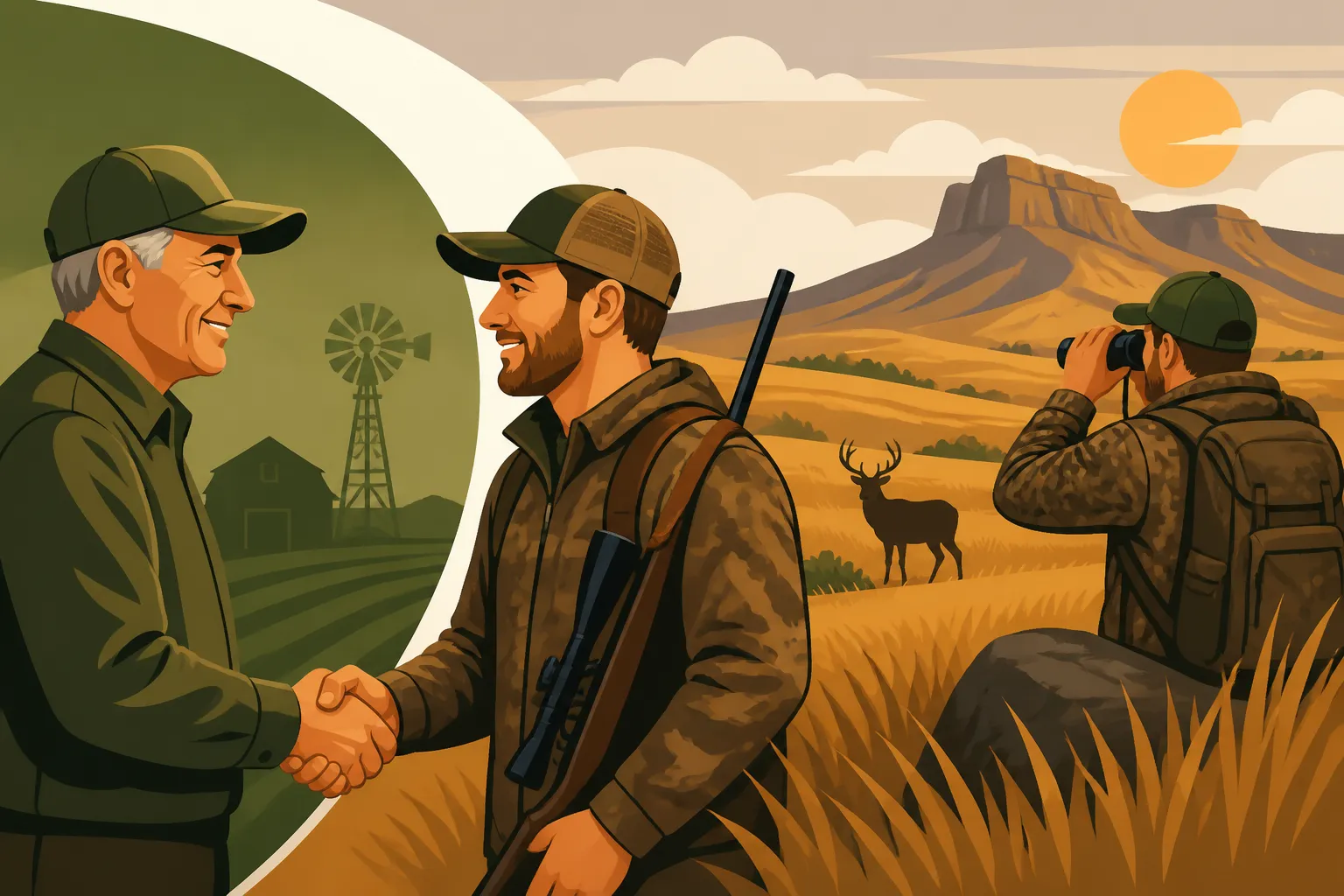
Securing permission directly from a landowner fosters a personal connection. You're not just a client; you're often treated as a guest, and a respectful relationship can lead to opportunities for years to come. It brings back a sense of the "old school" hunt, relying on your communication skills, charm, and preparedness rather than a booked package. It’s a chance to truly experience the independent spirit of hunting in South Dakota, without the structured environment of a guided trip.
The Hunt for Landowner Permission: Where to Start
The first step in hunting with landowner permission is often the most daunting: figuring out who to ask and how to approach them. It takes preparation, patience, and a good understanding of the local landscape and culture.
Researching Potential Areas and Landowners
Before you even think about knocking on a door, you need to do your homework. Start by identifying general areas that hold the game you're after. For pheasants, think about regions known for high bird populations and diverse habitat like cattail sloughs, shelterbelts, and CRP fields. For deer or antelope, look at areas with good cover, water sources, and known travel corridors. The South Dakota Game, Fish and Parks (GFP) website is your best friend here, especially their South Dakota Public Hunting Atlas. This interactive map will show you public lands, including Walk-In Areas (WIAs), Game Production Areas (GPAs), and federal lands like National Grasslands. These public areas can be excellent starting points for your own scouting, and often, private lands adjacent to or near public hunting ground can also hold significant game.
Beyond the public atlas, modern mapping tools like onX Hunt or even tools that integrate with platforms like GoHunt can be invaluable. These apps allow you to see property boundaries, landowner names, and often even contact information. You can layer satellite imagery with plat maps to identify prime habitat features on private parcels and then cross-reference with landowner information. Look for properties that have cover, food sources, and water, especially if they are situated between larger blocks of public land or in areas with less road access. This combination suggests that the land likely holds game and might receive less hunting pressure. Don't just focus on big blocks of land; sometimes a smaller, overlooked parcel with great cover can be a honey hole for roosters or a bedding area for a good buck.
Timing Your Approach for Best Results
Timing is absolutely critical when approaching landowners. Showing up a week before pheasant opener, when they're already fielding dozens of calls and dealing with harvest, is often a recipe for rejection. The ideal time to ask for permission is often in the off-season, well before the hunting frenzy begins. This could be in late spring or early summer, when farmers are busy with planting but not yet stressed by harvest, or in late winter after the previous season has closed.
Making contact during these quieter periods allows you to introduce yourself without pressure. It shows forethought and respect for their time. For example, if you're hoping to hunt deer in the fall, reaching out in July or August gives you ample time to build rapport. For pheasants, a late spring or early summer visit can put you at the top of their mind when the season rolls around, long before the phone starts ringing off the hook in October. Remember, they are often making decisions about who gets access months in advance, and a considerate, early approach can make all the difference.
Crafting Your Pitch: Building Trust and Respect
Once you’ve identified potential landowners and chosen your timing, the next step is the actual conversation. This is where your personal skills come into play. A genuine, respectful approach can open doors that remain closed to others.
Making First Contact and Presenting Yourself
When approaching a landowner, first impressions matter immensely. Whenever possible, make contact in person. A phone call or email can be easily dismissed, but a face-to-face conversation shows initiative and sincerity. Dress presentably – clean, respectful attire, not your hunting camo. Think casual but neat, like you're meeting someone for the first time in a professional-yet-friendly context.
Start by introducing yourself clearly, stating your name and where you're from. Immediately explain why you're there: you're looking for an opportunity to hunt, perhaps mentioning the specific species you're interested in, like pheasants or whitetail deer. Be polite and articulate, and most importantly, be respectful of their time. Ask if it’s a good time to talk for a few minutes. If they're busy, offer to come back at a more convenient time. This simple gesture can go a long way.
During the conversation, emphasize your commitment to safety and respect for their property. Many landowners have had bad experiences with inconsiderate hunters, so addressing their potential concerns upfront is crucial. Mention that you always follow game laws, respect fences and gates, and will leave no trace. If you have a well-behaved dog for bird hunting, mention its training and good manners. Offer references if you have them, especially if you’ve hunted other private lands previously. Your goal is to convey trustworthiness and reliability, showing them you're the kind of hunter they'd want on their land. Many landowners just want to know you're not going to tear up their fields or leave gates open.
What to Offer and How to Be a Good Guest
Beyond just asking for permission, consider what you can offer in return. While not always necessary, a small gesture of appreciation can build immense goodwill. This doesn't necessarily mean money; many landowners prefer help around the farm or ranch. Perhaps you could offer to help mend a fence, move hay bales, or assist with a small repair project during the off-season. Or, offer to share a portion of your harvest – a few cleaned pheasants or some venison can be a highly appreciated gift, especially if the landowner doesn't hunt themselves or rarely gets to enjoy the fruits of their land.
If permission is granted, your work has just begun. Being a good guest is paramount to maintaining the relationship and ensuring future access. Always follow through on every promise you made. Close every gate, stay on designated paths, pick up all your spent shells and trash, and report any observed issues, like damaged fences or suspicious activity, to the landowner. If you encounter any problems, such as a flat tire on their land or an accidental trespass onto a neighboring property, communicate immediately and honestly with them.
After the hunt, always follow up with a thank-you. A heartfelt card, a phone call, or even a small gift like a gift certificate to a local restaurant can reinforce your gratitude. This gesture confirms you valued the opportunity and shows you're thinking beyond just this one season. Establishing this kind of positive rapport can turn a one-time permission into a lasting hunting friendship, offering you access for years to come. Remember the advice from Gifts and Thanks for Landowner Access – it's about building a bond.
Navigating Common Landowner Concerns
Landowners often have very legitimate concerns when considering granting hunting permission. Understanding these concerns and being prepared to address them thoughtfully can significantly increase your chances of success.
Addressing Liability and Safety
One of the biggest worries for any landowner is liability. What happens if a hunter gets injured on their property? South Dakota has recreational use statutes that offer some protection to landowners who allow recreational use of their land without charge. However, many landowners may not be fully aware of these protections or simply prefer to err on the side of caution.
When discussing access, you can politely mention that you understand their concerns about safety and liability. Reassure them of your experience, your commitment to safe gun handling, and your awareness of your surroundings. Emphasize that you are a responsible adult who takes personal responsibility for your actions. If they express hesitation, you might even offer to sign a waiver of liability, though many landowners won't require it. The key is to show you've considered their perspective and are willing to be part of the solution, not a potential problem. Some hunters even carry personal liability insurance as part of their hunting coverage, which can be an additional reassurance. Knowing South Dakota's specific rules regarding South Dakota Hunter Education and Licensing and demonstrating your adherence to them can also build confidence.
Another aspect of safety is respecting their operations. If they have livestock, you need to be extra vigilant about closing gates, not disturbing animals, and being aware of their presence. If they're actively working fields, you need to be mindful of equipment and personnel. Always ask about any specific areas to avoid, or times when they prefer you not to be there. This shows respect for their livelihood and daily operations.
Managing Expectations for Success
Landowners aren't outfitters, and it's crucial to manage your own expectations, and theirs, regarding hunting success. They are granting you access to their land, not guaranteeing you a trophy or a limit of birds. Make it clear that you understand this. Your goal isn't to demand results, but to enjoy the opportunity to pursue game on their property.
If they ask about your expectations, be realistic. "I'm just looking for a chance to get out and enjoy the prairie, and if I happen to connect with a rooster or a deer, that's a bonus," is a much better response than "I'm hoping to bag my limit of pheasants every day." This humility goes a long way. It demonstrates that you value the experience and the access more than the sheer volume of game.
Explain that you enjoy the challenge of a do-it-yourself hunt and appreciate the chance to scout and learn the land. If they mention that hunting has been tough in a particular year, acknowledge it and express your understanding. Your objective is to build a long-term relationship, and that means proving you're a reasonable, appreciative hunter who understands the realities of wild game populations. Remember, the relationship you build can often be more valuable than any single day's harvest.
The Benefits and Challenges of Landowner Hunting
Choosing the path of direct landowner permission offers a unique set of rewards and, naturally, some hurdles to navigate. It's not always easy, but for many, the benefits far outweigh the difficulties.
The Rewards of a Direct Relationship
There’s something incredibly fulfilling about hunting land you’ve personally secured access to. The connection forged with a landowner often goes deeper than a simple transaction. You become familiar with the land, understanding its nuances, the best places for game to hide, and how different weather conditions impact animal movement. This intimate knowledge is something you simply can't buy with a guided hunt. You might learn about historical game patterns, secret coverts, or areas that hold late-season birds when other spots are empty. This direct knowledge often comes from conversations with the landowner, who knows their property better than anyone.
Furthermore, a strong relationship can lead to opportunities that extend beyond just hunting. You might be invited to join them for a meal, share stories, or even assist with farm tasks, immersing you more deeply in the local culture. It truly transforms a hunting trip into a richer, more meaningful experience. This personal investment often results in a profound sense of stewardship for the land, knowing that you are a trusted guest responsible for its care. Over time, you may even find yourself anticipating returning to that specific farm or ranch not just for the hunting, but for the rekindling of a friendship. This kind of access also gives you greater control over your hunting schedule and methods, allowing you to hunt how and when you prefer, within the agreed-upon terms, without the constraints of a larger group or strict outfitter schedule.
Potential Hurdles and How to Overcome Them
Of course, securing landowner permission isn't without its challenges. The most common hurdle is rejection. You will likely hear "no" more often than "yes," and you need to be prepared for that. Don't take it personally. Landowners have many reasons for declining permission—previous bad experiences, existing leases, family hunting, or simply a preference to keep their land private. Politely thank them for their time and move on to the next prospect. Persistence, tempered with respect, is key. It's often a numbers game.
Another challenge can be limited or inconsistent access. A landowner might grant you permission for a single day, or for a specific part of their property, or only for a certain species. Be grateful for any access you get and perform admirably, hoping to expand it in the future. The terms might change from year to year, depending on their needs or changes in hunting pressure. This requires flexibility and understanding on your part.
You might also face the challenge of managing your own expectations for success. Unlike an outfitter who often "manages" birds or deer for clients, a private landowner's primary focus isn't hunting. Their land's game populations fluctuate naturally, and you're responsible for your own scouting and hunting strategy. While you might have access to good habitat, it doesn't guarantee a limit or a trophy. Embrace the natural ebb and flow of hunting, and appreciate the opportunity regardless of the harvest. If you face rejections, utilize tools that help you find alternative options, whether it's more public land or even other private land. For instance, services like BookYourHunt are primarily for booking guided trips, but even reviewing their listings can sometimes give you ideas about what types of areas are desirable and where guides operate, providing clues for your own DIY research.
| Aspect | Landowner Permission (DIY) | Outfitter/Guided Hunt |
|---|---|---|
| Cost | Generally lower (licenses, travel, lodging, food) | Significantly higher (all-inclusive packages, guide fees) |
| Control | High (your schedule, methods, pace, solo or small group) | Limited (set schedules, group dynamics, guide's direction) |
| Effort Required | High (research, communication, scouting, planning) | Low (most logistics handled for you) |
| Relationship | Personal, direct, long-term potential | Transactional, client-based |
| Flexibility | High (can adapt plans, explore new areas) | Lower (tied to booking, specific dates) |
| Success Guarantee | None (relies on your skill, scouting, and luck) | Often higher likelihood of success (managed land, expertise) |
| Authenticity | Very high (raw, independent, immersive experience) | Can be less authentic (more commercialized) |
When an Outfitter Might Still Be the Right Choice
While the appeal of hunting with landowner permission is strong, it's also important to acknowledge that it's not always the best fit for everyone or every situation. There are distinct scenarios where a guided hunt simply makes more sense.
Situations Where Guides Excel
If you are a first-time hunter to South Dakota and completely unfamiliar with the terrain, game behavior, and local regulations, a reputable outfitter can be an invaluable asset. They provide immediate expertise, accelerating your learning curve and greatly increasing your chances of success. They know the best South Dakota Pheasant Hunting Tactics for the Opener, for example, and understand the nuances of the landscape. They can teach you about Reading Prairie Coulees for Mule Deer or where to find Late-Season South Dakota Pheasants in Heavy Cover.
Similarly, if your vacation time is extremely limited and you want to maximize your hunting hours without the stress of planning and scouting, an outfitter’s all-inclusive service is hard to beat. You land, you hunt, you leave. This is especially true if you have a specific trophy goal, like a Boone & Crockett antelope or a large Black Hills bull elk. Outfitters often have access to prime private land that is specifically managed for these larger animals, or they have the knowledge and resources to guide you on public lands where such animals are known to reside. They invest heavily in scouting and habitat management, which translates to higher success rates for their clients. For those who prioritize efficiency and a high probability of bagging game, a guided hunt can be a strategic investment. While this article focuses on the DIY path, if you ever find yourself leaning toward a guided trip, resources like BookYourHunt or GoHunt’s outfitter search functions can be helpful for researching what’s available.
Combining Approaches: Public Land and Limited Private Access
It's also worth considering a hybrid approach that blends the best of both worlds. Many hunters find success by combining extensive hunting on South Dakota's excellent public lands—like Walk-In Areas, Game Production Areas, or National Grasslands—with limited, permission-based private access. This allows you to experience the vastness of the public resource while also having a few "pocket properties" secured through landowner relationships that you can visit when public pressure is high or when game patterns shift.
For example, you might spend several days exploring various Hunting South Dakota Walk-In Areas for pheasants, enjoying the challenge of hunting unmanaged birds. Then, perhaps for a specific afternoon or a full day, you might have permission from a local farmer to walk a prime shelterbelt or cattail slough on their property. This strategy provides flexibility, diversifies your hunting opportunities, and often maximizes your overall experience without the full cost of an outfitter. It truly embraces the spirit of self-reliance while still leveraging the power of personal connections. This balancing act allows you to control your budget, expand your hunting skills, and forge relationships, all while taking advantage of South Dakota’s generous public access programs.
Disclaimer
This article is for general informational purposes only and does not constitute professional advice. Laws, prices and regulations vary by location and change over time. Consult a qualified professional for guidance on your specific situation.