Opening Weekend Crowds on Public Ground
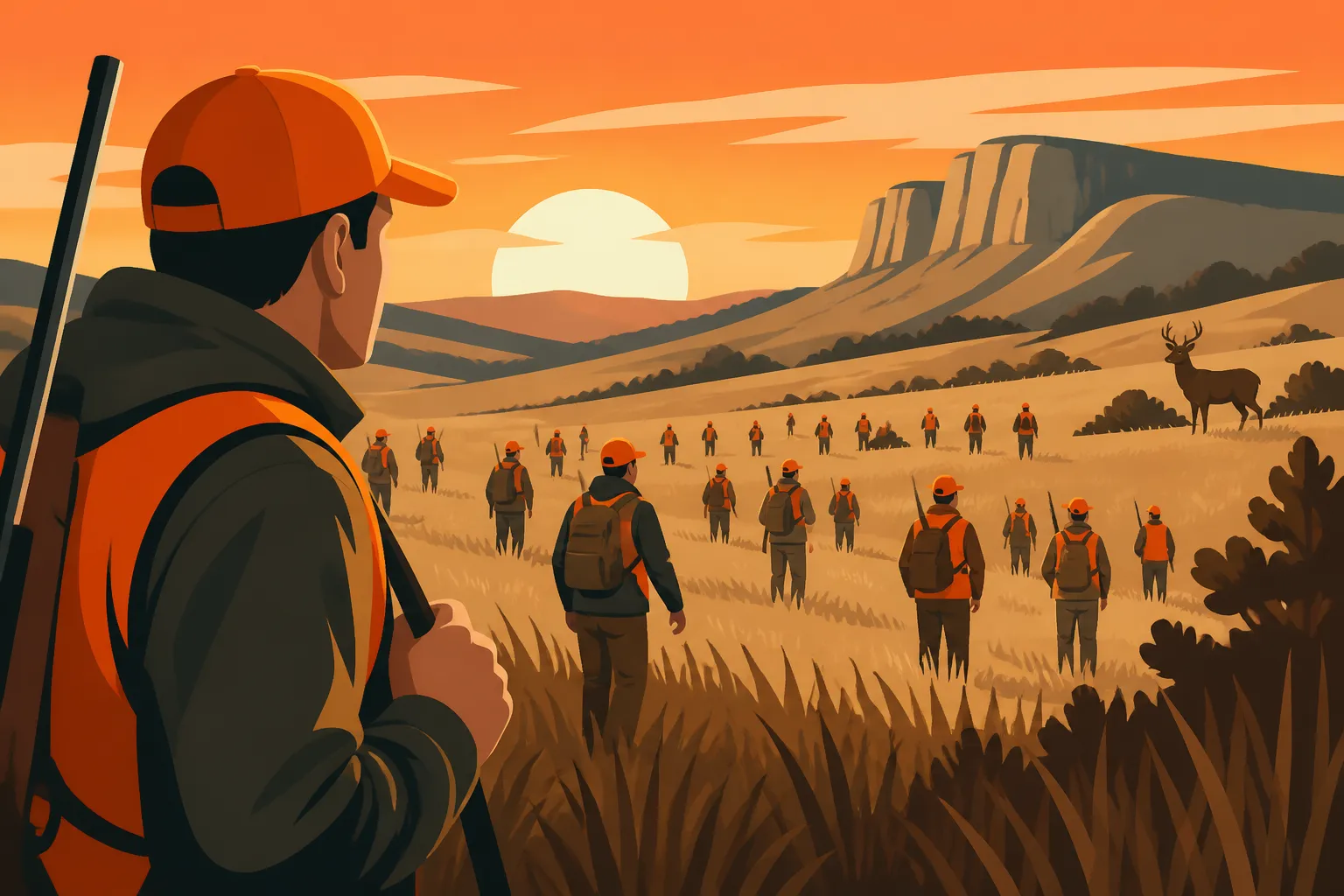
It’s a tale as old as time for many hunters in South Dakota: you’ve been dreaming of opening weekend all year, visualizing those crisp mornings and flushing pheasants, only to arrive at your favorite public hunting spot and find it packed with other eager hunters. That feeling of frustration, of having your secret spot no longer so secret, is completely valid. It can feel like your hunting experience is compromised before it even begins. This comprehensive guide is here to help you navigate the busy waters of opening weekend on South Dakota’s public lands, offering practical strategies to find quieter corners and make the most of your hunt, even when the crowds are out.
Understanding the Opening Weekend Phenomenon
South Dakota's reputation as a hunting paradise draws folks from all corners, and understandably, everyone wants to be out there on the first day. This creates a unique set of challenges, particularly on public lands that are readily accessible. It’s not just about the number of hunters; it’s about how their presence influences game behavior and impacts the overall experience.
The Irresistible Lure of the Opener
There's a special kind of magic about opening day. Whether it's the pheasant opener, the start of deer season, or the first crack at waterfowl, it's a deeply ingrained tradition for many. The anticipation, the camaraderie, the hope of fresh, unpressured game – it all coalesces into a powerful draw. Everyone wants to be part of that initial burst of activity, fueled by the promise of birds or bucks that haven't yet learned to dodge hunters. This collective excitement, while wonderful for the spirit of hunting, inevitably leads to concentrated pressure on easily found public areas. The thought of When South Dakota Walk-In Areas Get Crowded is enough to make any seasoned hunter sigh, knowing that those popular spots will be a beehive of activity.
Limited Access vs. High Demand
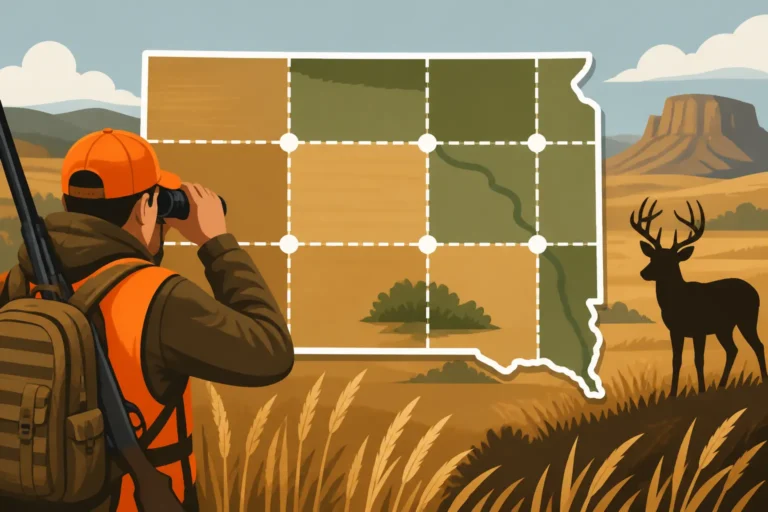
South Dakota is blessed with a significant amount of public hunting land, from Walk-In Areas (WIAs) and Game Production Areas (GPAs) to National Grasslands. However, the sheer volume of hunters who descend upon the state, especially nonresidents who might be less familiar with local nuances, often funnels into these easily identifiable public tracts. Many hunters rely on apps and maps to locate green or yellow parcels, and everyone is essentially looking at the same map. This means that while there’s plenty of public ground, the perceived accessible ground often gets hit hardest. It's a classic supply and demand scenario where prime spots get oversubscribed, forcing game into smaller, thicker, or less obvious cover.
Species-Specific Pressure Points
The impact of opening weekend crowds isn't uniform across all game species. For pheasants, for instance, a heavy hunting push on opening weekend can quickly educate birds, making them run farther, flush wilder, and dive into the densest cover imaginable. You might find that Why Birds Run Instead of Flush becomes a frequent observation. Deer hunters might encounter bucks that are pushed out of traditional bedding areas into less desirable habitat, or they might become almost entirely nocturnal. Waterfowl hunters might see birds short-stopping or diverting their flight paths away from popular potholes and larger bodies of water. Understanding how different species react to this initial pressure is key to adapting your strategy.
| Public Land Type | Typical Opening Weekend Pressure | Common Game Species | Notes |
|---|---|---|---|
| Walk-In Areas (WIAs) | High to Very High | Pheasant, Deer, Waterfowl, Grouse | Often easily identifiable, visible from roads, popular with all hunters. |
| Game Production Areas (GPAs) | Medium to High | Pheasant, Deer, Waterfowl, Grouse, Turkey | Can vary widely by size and location; some are well-known hotspots. |
| National Grasslands | Medium to High | Mule Deer, Antelope, Pheasant, Grouse, Coyotes | Vast, but access points and popular features (water, draws) get hit. |
| Missouri River Access | Medium to High | Waterfowl, Whitetail Deer, Turkeys, Pheasants | Boat ramps, easily accessible timber, and islands see significant use. |
| School & State Trust Lands | Low to Medium | Deer, Antelope, Pheasant, Grouse, Coyotes | Often less clearly marked or harder to access, which can be an advantage. |
Strategies for Dodging the Crowds
While it might seem daunting, there are absolutely effective strategies to avoid the opening weekend scrum and still have a fantastic hunt. It requires a bit more effort, some flexibility, and a willingness to think outside the box, but the reward of a quieter, more productive hunt is well worth it.
Timing Your Hunt Differently
The most obvious way to avoid crowds is simply not to hunt exactly when everyone else does. For many South Dakota pheasant hunters, the official shooting hours start at 10 a.m. on opening weekend. That first hour or two can be absolute chaos, with vehicles lining roadsides and hunters piling into fields. Consider waiting until later in the day, after the initial rush has subsided and some hunters have already left for lunch or to try other spots. Even better, if your schedule allows, consider hunting on a Sunday afternoon or, if you're a nonresident with a multi-day license, even waiting until the first Monday or Tuesday. Weekday Versus Weekend Public Ground often presents a stark contrast in hunting pressure. You’d be amazed at how quickly the pressure can drop off after the initial excitement of Saturday morning.
Another approach is to focus on those marginal weather days. If the forecast calls for a drizzle or a stiff wind, many fair-weather hunters will stay home or retreat to lodges. These can be prime opportunities for dedicated hunters who are prepared for the elements. Game often moves more predictably in adverse weather, and with fewer people afield, you’ll have a much more serene experience. Sometimes the discomfort of a little rain or cold can lead to the best memories and the least competition.
Seeking Out Less Accessible Areas
Hunters, by nature, are often drawn to convenience. If an area has a clear parking lot and a mowed path, it's going to get attention. To truly escape the crowds, you need to look for areas that require a little more effort to reach. This means studying maps for parcels of public land that are landlocked by private property or require a significant hike to access. Don't be afraid of a long walk; Walking Distance From Public Parking can be your biggest ally. Many hunters won't venture more than a quarter-mile from their vehicle, leaving vast tracts of public land virtually untouched.
These less accessible spots might involve crossing a steep draw, wading through a wet slough, or parking a mile down the road and walking in. The key is to find public ground that isn't immediately obvious from a main road or has physical barriers that deter casual hunters. Sometimes, these harder-to-reach areas are actually adjacent to heavily pressured spots, meaning game could be pushed into them. Access Routes That Do Not Blow Out Birds are critical to consider when planning your approach to these secluded areas.
Targeting Overlooked Habitat
When everyone is focused on big, obvious blocks of cattails or towering cornfields, it’s time to look for the small, seemingly insignificant patches of cover that often get overlooked. Think about small pockets of weeds along a fence line, narrow shelterbelts that don’t look productive, or brushy creek bottoms that might not hold a "limit" of birds but could hold a couple of roosters or a bedded buck. These areas often provide sanctuary for game that has been bumped out of larger, more popular cover.
For pheasants, this might mean tiny potholes with marginal cattails or even strips of matted down grass in an otherwise open field. Deer hunters should focus on brushy draws, isolated timber stands, or even small patches of dense cedars in rolling grasslands. These are the places that get passed over because they don't scream "big game." However, for a pressed animal seeking refuge, they are perfect. It requires a different mindset, one that values persistence and attention to detail over simply covering large swaths of ground.
Utilizing Technology and Scouting to Your Advantage
In today’s hunting world, technology has given us incredible tools to scout and plan our hunts, making it easier than ever to find those hidden gems and avoid the masses. Combining these digital resources with some good old-fashioned pre-season footwork can give you a significant edge.
Leveraging Digital Mapping Tools
Modern hunting apps are game-changers for identifying public land and understanding terrain, especially when trying to avoid crowds. Platforms like onX Hunt have revolutionized how hunters approach public ground. You can quickly see land ownership boundaries, locate Walk-In Areas, Game Production Areas, and National Grasslands, and even see topographical features that indicate thick cover or natural funnels. Use the aerial imagery in onX Hunt to zoom in on potential bedding areas, dense thermal cover, or small, isolated patches of habitat that might be missed by road hunters. Pay close attention to onX Layers for South Dakota Land Status to confirm boundaries and access points.
Another excellent tool is the official South Dakota Public Hunting Atlas. This interactive map provides detailed information on all public hunting opportunities, often highlighting specific rules or access notes for each area. Use it to cross-reference with apps like onX Hunt to get the most comprehensive picture. Before you even set foot in the field, you can identify potential areas that are further from main roads, have more challenging terrain, or are simply not as visually appealing at first glance, making them less likely to be overwhelmed by hunters.
Pre-Season Scouting for Hidden Gems
While digital tools are invaluable, nothing beats putting boots on the ground for pre-season scouting. A couple of trips to a prospective area before the season opens can reveal insights that no map can provide. You’ll be able to identify exact access points, gauge the density of cover, locate water sources, and find fresh sign that indicates game presence. More importantly, you can identify those hard-to-reach spots or overlooked habitat features we discussed earlier. E-Scouting Walk-In Areas Before the Season is a great start, but follow it up with a physical visit if possible.
During your scouting trips, pay attention to potential pressure points. Where are the obvious parking spots? What kind of sign do you see near those spots? Then, challenge yourself to find an alternative. Can you park a mile away and walk in? Is there a different, less obvious approach to a block of public land that might deter others? This kind of diligent scouting allows you to develop a "Plan B" (and C, and D) for opening weekend, giving you options when your primary spots are already occupied.
Reading Aerial Imagery for Cover
Becoming adept at interpreting aerial imagery is a skill that will pay dividends, especially on the wide-open spaces of South Dakota. Look for changes in vegetation, subtle elevation shifts, and variations in water features that might indicate prime game habitat or a natural funnel that animals will use. For pheasants, search for finger-like projections of cattails, small clumps of shelterbelts, or even un-mowed areas in otherwise clean fields. These aren't always easy to spot from the ground or even from a vehicle, but a bird's-eye view on an app like GoHunt can reveal them.
For deer, focus on the edges where different habitat types meet – where grasslands transition to timber, where agricultural fields meet dense draws, or where brushy pockets interrupt open prairie. These transition zones are often prime travel corridors and bedding areas. The more you practice Reading Aerial Imagery for Cattail Cover or other habitat types, the better you’ll become at identifying key features that concentrate game and, importantly, finding those areas that might not be obvious to the casual observer.
Ethical Considerations and Hunter Etiquette
Sharing public land, especially during peak times like opening weekend, requires a strong sense of ethics and good sportsmanship. Navigating crowded conditions isn't just about finding game; it's about respecting other hunters and ensuring a safe, positive experience for everyone.
Sharing the Resource Responsibly
When you encounter other hunters on public land, remember that you’re all there for the same reason: to enjoy the pursuit of game. A simple wave, a nod, or a friendly "Good luck!" goes a long way. If you see another party already working a field or a draw, consider moving to a different area. It’s frustrating to have someone walk in on your hunt, so extend that courtesy to others. There's plenty of ground out there, even if it doesn't always feel like it.
Avoid "sky-busting" waterfowl that are outside your effective range if another group is working them, or cutting off another pheasant hunting party’s drive. These actions not only demonstrate poor sportsmanship but can also ruin the hunting for everyone involved. Being mindful of your impact on other hunters helps maintain the positive image of the hunting community and ensures that these public lands remain enjoyable for future generations.
Parking and Access Point Etiquette
It seems like a small detail, but how and where you park can significantly impact other hunters. When pulling into a public access point, try to leave ample room for others. Don’t block gates, two-track trails, or other hunters’ vehicles. If a parking area is full, avoid creating a new, impromptu parking spot that might hinder agricultural operations or block a road. Sometimes, Parking Away From the Cover You Hunt can be beneficial not just for avoiding crowds, but also for respecting other hunters. By parking a little farther away, you might avoid spooking game right at the access point, and you won’t look like you’re trying to monopolize the entire section.
Remember that many public access roads are also used by landowners and other outdoor enthusiasts. Keep roads clear and avoid leaving trash. A positive relationship with local communities and landowners is crucial for the continued success of public land programs.
Safety First, Always
In crowded conditions, safety becomes even more paramount. Always be acutely aware of your surroundings, know where your hunting partners are, and be conscious of other hunters you might not even know are there. Blaze orange is your best friend when hunting uplands or big game in thicker cover, providing a vital visual cue. Never swing on game outside of your safe zone of fire, and always identify your target and what is beyond it. During a pheasant drive, for example, maintaining Muzzle Discipline With Blockers Ahead is non-negotiable.
In busier areas, consider using non-toxic shot for pheasants, even if not required, to minimize environmental impact, especially around water. Clear communication within your hunting party, strict adherence to safe gun handling rules, and a constant awareness of your environment are the pillars of a safe hunt, regardless of how many other people are in the field with you.
Disclaimer
This article is for general informational purposes only and does not constitute professional advice. Laws, prices and regulations vary by location and change over time. Consult a qualified professional for guidance on your specific situation.