Weekday Versus Weekend Public Ground
If you've ever found yourself in South Dakota, boots on the ground on a crisp Saturday morning, only to pull up to a public hunting area already teeming with trucks, then you know the unique frustration of hunting pressure. It often feels like the best spots are overrun, and the peace you seek is shattered by other hunters. This guide is here to unravel the perennial question for any hunter in the Pheasant Capital: how do weekdays compare to weekends on South Dakota's public hunting ground, and how can you make the most of your time, no matter when you hit the field?
Understanding the South Dakota Public Land Landscape
South Dakota is a hunter's paradise for good reason. The state prides itself on offering vast amounts of accessible public hunting land, drawing sportsmen and women from all corners of the country. But with such opportunity comes a certain level of competition, and understanding the lay of the land, both literally and figuratively, is crucial for success.
The Draw of South Dakota's Public Access
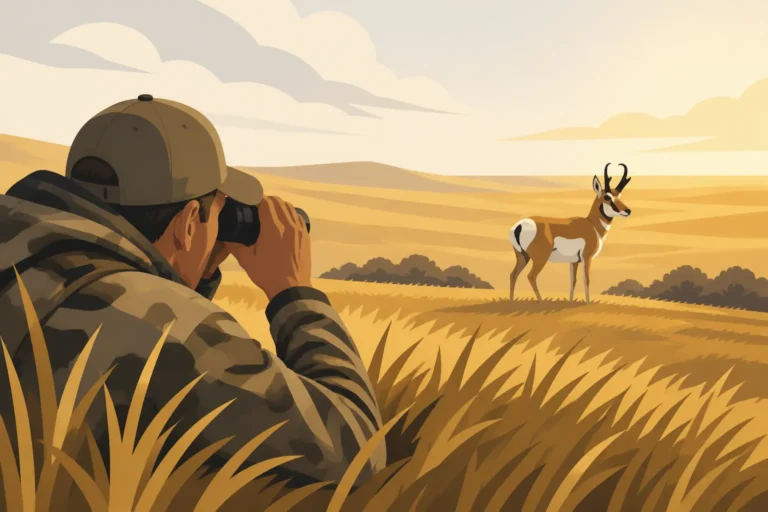
The sheer volume and variety of public hunting land in South Dakota are truly remarkable. We're talking about everything from sprawling national grasslands to smaller, often overlooked Game Production Areas (GPAs), and the crown jewel for many bird hunters, the numerous Walk-In Areas (WIAs). These lands, managed by entities like the South Dakota Game, Fish and Parks (GFP) and the U.S. Forest Service, represent an incredible resource. They provide vital habitat for pheasants, deer, antelope, waterfowl, and more, making them prime targets for anyone seeking a hunt without the need for private land access.
For many, the ease of finding these spots through resources like the South Dakota Public Hunting Atlas or detailed mapping apps such as GoHunt, makes the state an irresistible destination. Whether you're chasing ringnecks in the eastern part of the state or stalking mule deer out west, there's public ground available. This accessibility is a double-edged sword, however. It means more opportunity for everyone, but it also translates directly into higher hunting pressure, especially during peak seasons.
The Reality of Hunting Pressure
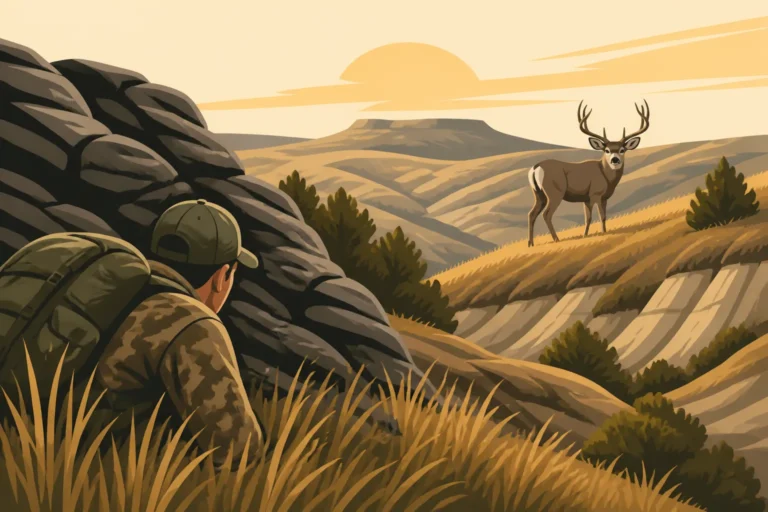
The moment hunting season opens, especially for something as popular as pheasants, South Dakota's public lands transform. What might have been a quiet field during the summer suddenly becomes a hub of activity. This pressure isn't just a nuisance; it fundamentally alters animal behavior. Pheasants that would normally hold tight in cover will flush wild, often well out of range, or simply run for miles ahead of hunters. Deer, typically active during daylight hours, can become almost entirely nocturnal, retreating to the deepest, thickest cover, or worse, slipping onto adjacent private land where they know they'll find sanctuary.
Specific seasons amplify this phenomenon dramatically. The pheasant opener, for instance, is practically a holiday in South Dakota, drawing crowds that can make it feel like every patch of accessible habitat has a hunting party in it. Similarly, during the deer rut, popular West River units can see a significant influx of hunters, all hoping to catch that cruising buck. Understanding this inherent challenge—that easy access often leads to greater pressure—is the first step in formulating a successful hunting strategy. The key then becomes figuring out how to navigate or avoid the busiest times.
The Weekend Warrior's Challenge: Navigating Crowds
For most hunters, weekends are the only realistic time to get out into the field. Work, family, and other commitments often make mid-week excursions impossible. This means embracing the reality of increased competition and adapting your strategies to stand a chance of success.
What to Expect on Saturday and Sunday
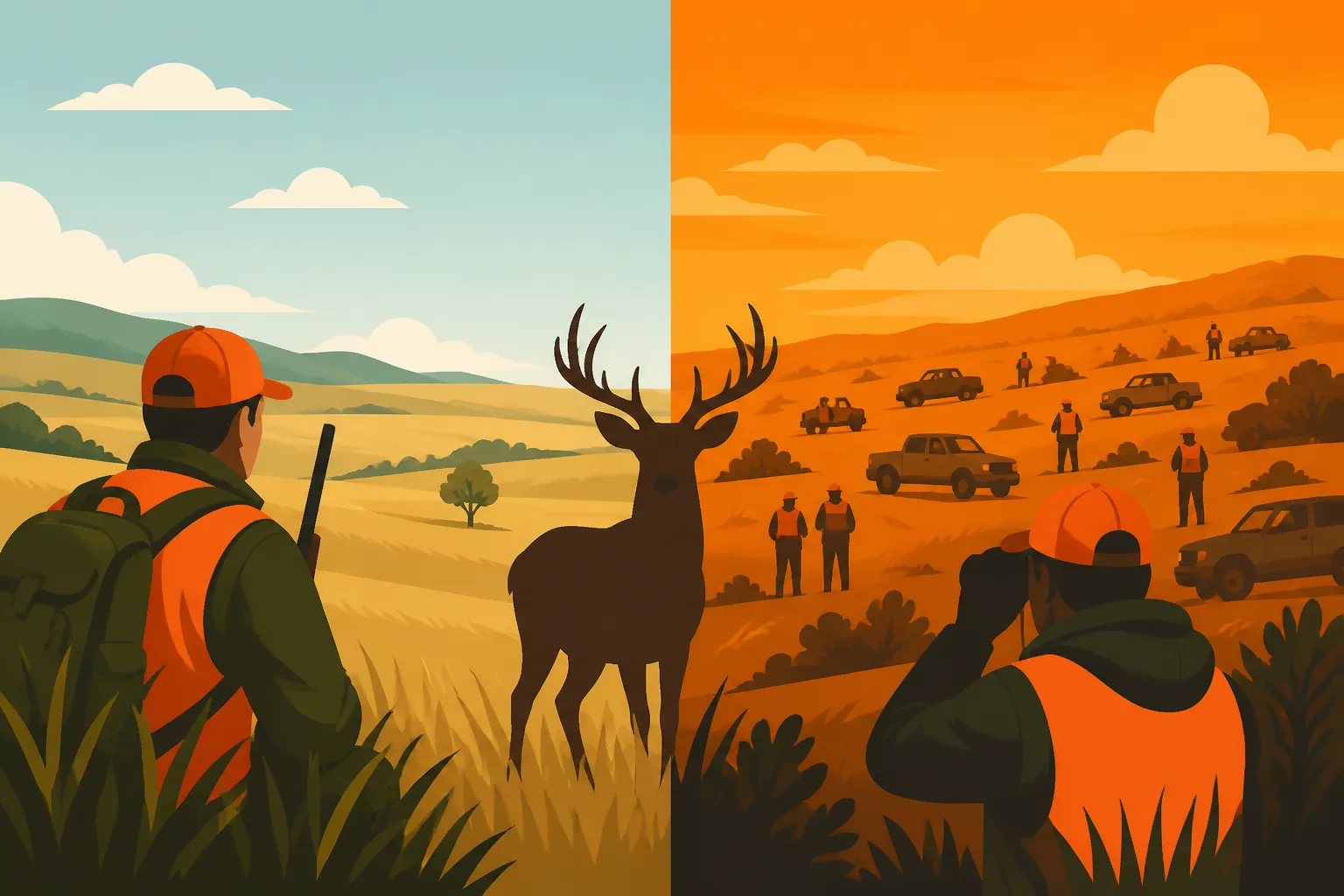
If you're heading out to public land on a Saturday or Sunday during prime hunting season, prepare for company. You'll likely encounter parking lots full of trucks and trailers, multiple groups of hunters working the same large fields, and a general air of bustling activity. For pheasant hunters, this often means seeing birds flush 100 yards out, having already been pushed repeatedly by other groups. It might also mean finding your carefully chosen piece of cover already occupied or hearing distant shots from multiple directions throughout the day.
Big game hunters might face similar scenarios, with more vehicles on two-tracks, increased foot traffic, and deer that are highly alert, or simply absent from areas that typically hold them. This constant human presence changes game patterns significantly. Birds and deer learn quickly, becoming educated to hunter movements and sounds. They'll use dense cover more effectively, move under the cover of darkness, or relocate to less disturbed areas, frequently just over a fence line onto private property. Safety also becomes a paramount concern with more hunters in the field. Always be aware of your surroundings and the location of other hunting parties. This is where understanding Hunting Pressure Patterns on Walk-In Areas becomes vital for safety and success.
Strategies for High-Pressure Weekend Hunts
While the crowds can be disheartening, don't throw in the towel on weekend hunts just yet. Success is still possible, but it requires a different mindset and more creative tactics. One of the most effective strategies is to simply "go deeper" or "harder" than everyone else. Most hunters stick close to their vehicles or only penetrate the most obvious cover. By being willing to walk farther, push into thicker, nastier cattail sloughs, or navigate tricky terrain that others avoid, you can often find unpressured game. This might mean busting through heavy briars or crossing a muddy slough that looks intimidating.
Another approach is to focus on smaller, overlooked parcels of public ground. While everyone else descends on the 160-acre WIA next to the highway, that smaller 40-acre GPA tucked away on a gravel road might hold hidden gems. Use your mapping apps, like GoHunt, to identify these less obvious spots or access points. Sometimes, simply approaching a larger public area from an unconventional access point can put you into birds or deer before other hunters have made it that far.
Lastly, consider hunting later in the day when others are calling it quits. Many weekend warriors head in for lunch or pack up mid-afternoon. The late afternoon and evening hours can often provide a brief reprieve from pressure, allowing game to relax and become more active. This is particularly true for pheasants, who start thinking about their evening roosts. Remember the importance of Parking Away From the Cover You Hunt to minimize disturbance and provide a quieter approach.
The Weekday Advantage: Finding Solitude and Success
If your schedule allows for it, hunting South Dakota's public lands during the week can be a truly transformative experience, often feeling like a completely different hunt altogether.
Why Weekdays Offer a Better Experience
The difference between public land on a Saturday versus a Tuesday can be absolutely staggering. Picture this: you pull up to a Walk-In Area, and instead of a line of trucks, you might see one, maybe two, or even none at all. The sense of solitude is palpable, and that alone can make the hunt more enjoyable. With significantly reduced pressure, the game animals—be they pheasants, deer, or grouse—are far less skittish.
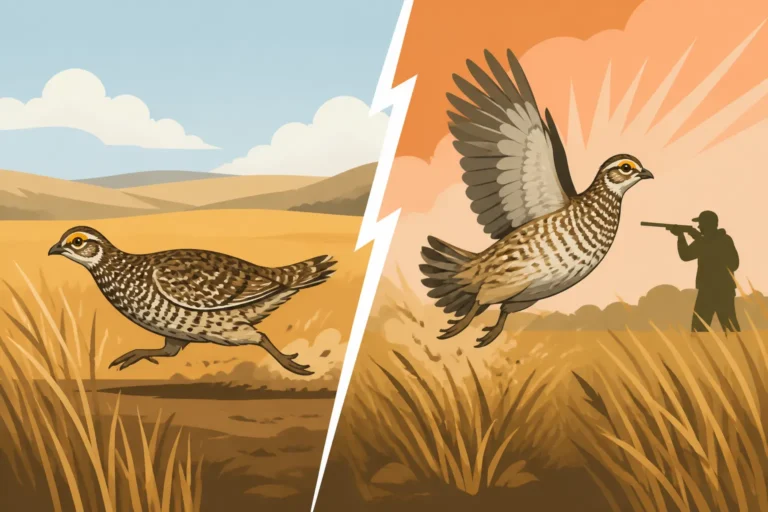
This calmness translates directly into a better hunting experience and often, improved success rates. Birds hold tighter, allowing your dog to work more thoroughly, and giving you better flush-to-shot opportunities. Deer are more likely to move during daylight hours, less prone to bolting at the first hint of human presence. You're not competing with multiple groups trying to drive the same section of cover, meaning you can execute your plan without interruption. Midweek, especially Tuesday through Thursday, typically offers the lowest pressure, as most hunters are back at work or school.
Capitalizing on Midweek Opportunities
With less pressure, your hunting tactics can become more nuanced and less about simply outworking the crowds. For pheasant hunting, this means you can work lighter cover more effectively. Instead of needing to blast through the nastiest cattails, you might find birds holding in lighter grass, fence rows, or even standing corn edges. Dogs can work at a more natural pace, scenting birds that haven't been pushed relentlessly. Think about Ten a.m. Start Times and Bird Behaviour and how a calmer morning can translate to predictable bird movement, especially if they haven't been harassed from legal shooting time onward. You might find more success by slowing down and letting your dog thoroughly work an area, knowing that birds haven't already been flushed out by a parade of hunters. For deer hunters, less pressure means hitting traditional bedding areas at times when they would normally be empty on a weekend. Bucks might be moving more freely, scent checking scrapes or feeding during the middle of the day. This is where detailed e-scouting with tools like GoHunt, combined with fresh field observations (especially if you're lucky enough to be able to do some Reading Snow for Deer and Predator Sign), can really pay off. You might identify a small, often-overlooked treeline or a secluded coulee that acts as a highway for deer during the week when human intrusion is minimal.
Planning Your Hunt: Maximizing Time and Resources
Whether you're committed to weekend hunts or have the flexibility for midweek excursions, careful planning is key to making the most of your South Dakota hunting adventure.
Comparing Weekday and Weekend Logistics
When planning your trip, consider the distinct logistical differences between weekdays and weekends. Weekday hunts might mean taking vacation days, but the payoff in reduced pressure can be well worth it. Lodging options, if you're staying in a hotel or Airbnb in a small hunting town, might also be more readily available and potentially cheaper during the week. Weekend hunts, while convenient for most schedules, demand more strategic planning regarding where and how you'll hunt to mitigate crowds.
Travel time is another factor. Driving across South Dakota on a Friday afternoon or Sunday evening can mean more traffic, especially on major routes leading into popular hunting regions. During the week, roads are often clearer. Consider the value of a longer trip spanning several weekdays versus multiple short weekend trips. A longer stay allows you to explore more areas, adapt to changing weather conditions, and truly immerse yourself in the hunt. For those planning an extended stay, researching options for Camping on South Dakota Public Land can also be a cost-effective and immersive way to experience the prairie.
| Feature | Weekday Hunt | Weekend Hunt |
|---|---|---|
| Hunting Pressure | Significantly Lower | Significantly Higher |
| Game Behavior | Calmer, more predictable, hold tighter, more daylight activity | Skittish, prone to running/flushing wild, often nocturnal, move to private |
| Crowd Levels | Minimal vehicles, fewer hunters per area | Full parking lots, multiple groups working same cover |
| Tactical Approach | Can be more relaxed, thorough, focus on natural patterns | Must be more aggressive, deeper, target overlooked areas |
| Lodging/Travel | Often more availability, potentially lower rates, less traffic | Book well in advance, higher demand, more traffic |
| Solitude Factor | High | Low |
| Success Odds | Generally Higher | Requires more effort and adaptability |
Using Technology and Local Knowledge
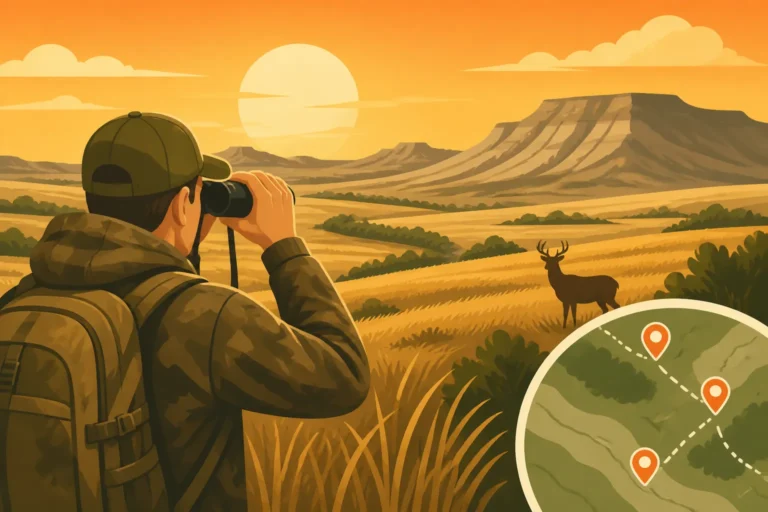
In today's hunting world, technology is an indispensable tool, especially when navigating public land. Mapping apps, like GoHunt, are truly game-changers. They allow you to layer public and private land boundaries, identify access points, understand terrain features, and even mark potential hotspots from the comfort of your home. This capability to E-Scouting Walk-In Areas Before the Season is invaluable, helping you pinpoint those small, out-of-the-way public parcels that might hold unpressured game, regardless of whether you're hunting midweek or weekend. You can analyze aerial imagery to spot thick cover, water sources, and potential travel corridors.
Beyond the digital tools, don't underestimate the power of local knowledge. While finding someone to give up their honey hole is rare, engaging with locals, visiting small-town cafes, or even just observing general traffic patterns can provide subtle clues about hunting pressure. Keep an eye on the official channels, too, like the South Dakota GFP Commission Season Proposals, which can offer insights into game populations and expected pressure in different units. Even knowing general details, like where Black Hills Forest Motor Vehicle Use Maps are available for public land, can provide critical insight into where hunters are allowed to access and thus where pressure might be concentrated.
Ultimately, whether you hunt on a bustling Saturday or a quiet Tuesday, success in South Dakota comes down to preparation, adaptability, and a willingness to put in the effort. Understanding the dynamics of weekday versus weekend pressure is just another tool in your hunting arsenal, helping you to make informed decisions and hopefully, fill your vest or freezer. Knowing How Far Roosters Fly When Pushed can influence your approach, whether you're dealing with heavily pressured weekend birds or calmer midweek roosters that might sit longer. Understanding Where Roosters Sit at Midday on a less pressured day compared to a weekend when they are constantly harassed, will give you an edge.
Disclaimer
Hunting is an inherently dangerous activity. Always prioritize safety, follow all local and state regulations, and respect private property. The information provided in this guide is for informational purposes only and should not replace proper hunter education and adherence to all applicable laws. Always consult the most current South Dakota Game, Fish and Parks regulations before heading afield.