Walking Distance From Public Parking
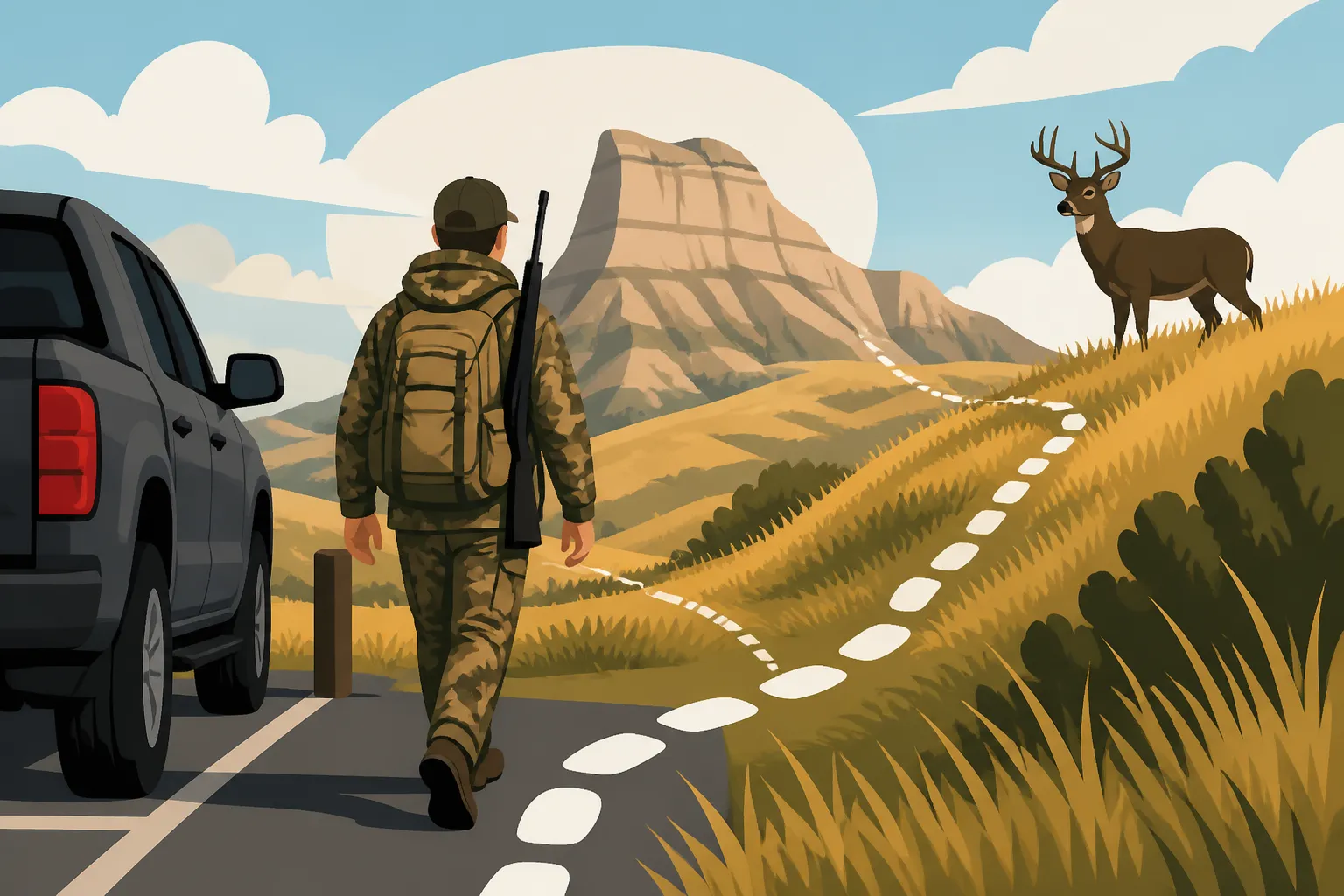
One of the biggest realities of hunting public land in South Dakota is that your vehicle isn't going to drop you right on top of the birds or big game. You're going to walk, often a lot further than you anticipate, especially if you're trying to get away from other hunters. This guide is all about understanding the true walking distance from public parking, what influences it, and how you can prepare for and strategize around those treks to make your South Dakota hunt more successful and enjoyable.
The Reality of "Public" Access: Beyond the Pavement
It's easy to look at a map, see a big block of green or yellow representing public land, and think, "Great, easy access!" But the reality on the ground, especially here in South Dakota, can be quite different. "Public" doesn't always mean "easy," and the distance from where you legally park your truck to where you actually start hunting can be a significant journey in itself. This initial leg of your hunt is often overlooked, but it's crucial to understand before you even tie your boots.
Understanding South Dakota's Public Land Types
South Dakota boasts an incredible amount of public hunting ground, from the famed Walk-In Areas (WIAs) to expansive Game Production Areas (GPAs) and vast stretches of National Grasslands. Each type of land has its own nuances when it comes to access. WIAs, for instance, are private lands leased by the state, often agricultural fields or grasslands, explicitly for public foot access. They're a blessing, but they also mean you're often parking on a county road right-of-way and crossing a ditch and a fence line before you even step onto the huntable ground. You're looking for that yellow sign, then navigating a new landscape. If you're wondering How Much Public Hunting Land South Dakota Has, it's a lot, but understanding how to access it is key.
Game Production Areas (GPAs) are state-owned lands, managed for wildlife habitat. These often have designated parking areas, but even then, the prime cover might be a long way from the gravel lot. National Grasslands, while seemingly endless, can have sparse road networks, meaning you might be parking off a two-track and striking out across rolling prairie. The common thread here is that regardless of the public land type, your hunt often begins with a meaningful hike from your vehicle. Don't confuse simply being able to access a public area with being able to hunt it effectively without a decent walk. Understanding South Dakota Walk-In Areas Explained can help you visualize this initial distance.
The Initial Trek: From Vehicle to Edge
Let's paint a picture: you've arrived at a promising Walk-In Area on a crisp October morning, just after the sun has broken the horizon. You see other trucks parked along the road. You find your spot, pull your shotgun from the case, load your vest with shells, water, and snacks, and leash your excited dog. Before you even set foot in the prime pheasant cover, you might have to navigate a roadside ditch, which could be anything from a shallow swale to a muddy, chest-high trench. Then, there's often a fence to cross – perhaps barbed wire, perhaps electric – requiring careful maneuvering, especially with a dog or a firearm. This isn't just a casual stroll; it's the start of your physical effort, potentially burdened with gear, and it's all before you've even entered the habitat you came to hunt.
The frustration often stems from this initial barrier. You scouted a great-looking field on the map, full of cattails and CRP grass, but the "easiest" entry point might still be 400 yards from the nearest legal parking spot, requiring you to cross a quarter-mile of mowed stubble or a thorny shelterbelt. These initial distances, while seemingly small, add up, especially if you're doing multiple pushes throughout the day. It's not uncommon to walk a mile or more just getting into position before the main event begins, and that's a key distinction many hunters miss when planning their trip.
Navigating Access Points and Terrain
Finding a truly discreet and effective access point is half the battle. If you pull up to a WIA sign and see three other trucks, chances are those hunters are going to hit the easiest, closest cover first. The birds know this. The deer know this. Smart hunters often choose to park further away, or at a less obvious entry point, even if it means adding a half-mile to their initial walk. Why? Because that extra effort often means less competition and potentially more game. It's a calculated decision: a longer walk on the front end might save you a lot of walking through pressured, empty cover later.
Consider the terrain itself. A flat, mowed stubble field is one thing, but that ideal pheasant cover might be a dense, chest-high cattail slough that starts 800 yards from the road and extends another half-mile. Or perhaps it's a steep-sided prairie coulee, hidden from view, requiring a significant downhill trek to reach the bottom where a wary mule deer buck might be bedded. The "walking distance" isn't just linear distance; it's also about the effort required to traverse the landscape. A single mile through thick, undulating cattails with a strong headwind feels dramatically different than a mile down a flat gravel road. This often pushes hunters to consider their Boots for Walking Cattails All Day or their Layering for South Dakota Wind long before they ever leave the house.
Factors Influencing Your Walking Distance
The distance you'll actually cover on a South Dakota hunt isn't a fixed number. It's a dynamic calculation influenced by a variety of factors, from the behavior of the game animals themselves to the ever-present hunting pressure and the capricious prairie weather. Understanding these variables is key to planning a successful hunt and setting realistic expectations for your physical output.
Hunting Pressure and Desirable Cover
It's a simple truth: the more hunters in an area, the further you'll likely have to walk to find undisturbed game. South Dakota's public lands, especially during popular seasons like the pheasant opener, can see a significant influx of hunters. When hunters and their dogs systematically comb easily accessible cover – the field edges closest to the road, the shallow parts of a slough – the game animals react by seeking refuge in deeper, thicker, or more remote areas. This means if you want to find those wily roosters or those mature bucks, you'll often have to venture beyond where most people stop.
Consider a large block of CRP grass. The first hundred yards might be well-trampled, but 800 yards in, where the habitat is dense and human scent is minimal, that's where the birds feel safe. For big game, especially mule deer, they'll often retreat into the deepest, most inaccessible draws and coulees once hunting season begins. This phenomenon is why experienced hunters often dedicate the first hour of their day to just walking, getting past the initial pressure, and into those overlooked pockets. It's a fundamental aspect of Hunting Pressure Patterns on Walk-In Areas – the birds and deer simply go where they won't be bothered, and that's usually deeper inside the public access areas.
Terrain, Weather, and Physical Demands
The physical demands of a South Dakota hunt can be significant, and they directly influence how far you're willing or able to walk. Imagine slogging through a dense, frozen cattail slough in December, with snow drifts up to your knees, and a bitter north wind howling. That mile suddenly feels like three. Conversely, walking a mile across short-stubble grain fields in mild October weather is a breeze. The terrain itself, whether it's rolling hills, steep coulees, muddy potholes, or dense shelterbelts, dictates your pace and effort.
Your gear also plays a huge role. A fully loaded pheasant vest, carrying extra shells, water, a first-aid kit, and a couple of pheasants in the game bag, adds significant weight. If you're hunting big game, the thought of field dressing an animal a mile from the truck, then quartering and packing it out, will influence how far you're willing to venture. And let's not forget your canine companion. Pushing a dog through heavy cover for miles on end, especially in warm early-season conditions, requires careful monitoring and plenty of water. All these elements combined mean that a given "walking distance" can feel vastly different from one hunt to the next.
Species-Specific Habits and Habitat
Different game species have different tolerances for human disturbance and preferences for habitat, which in turn affects how far you'll need to walk to find them. Pheasants, while often found close to food sources, will quickly run and flush deep into thick cover when pressured. If you're hunting Late-Season South Dakota Pheasants in Heavy Cover, expect to walk into the densest, nastiest stuff you can find, often a considerable distance from easy access. These birds become incredibly wary after a few weeks of hunting pressure.
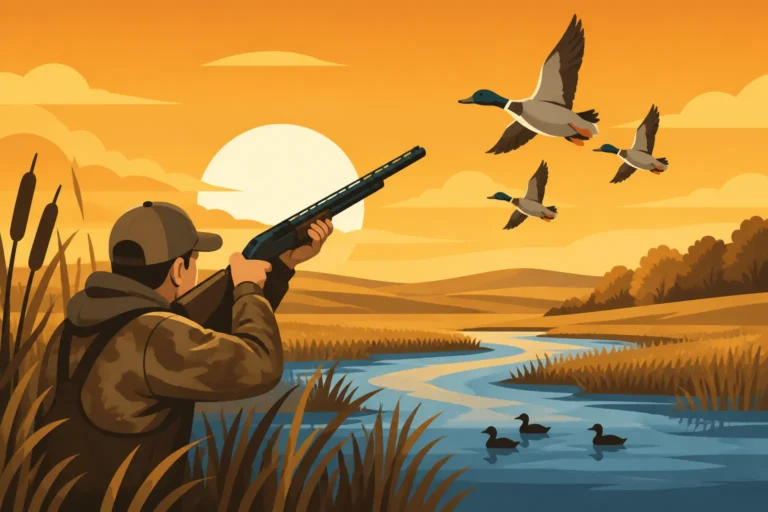
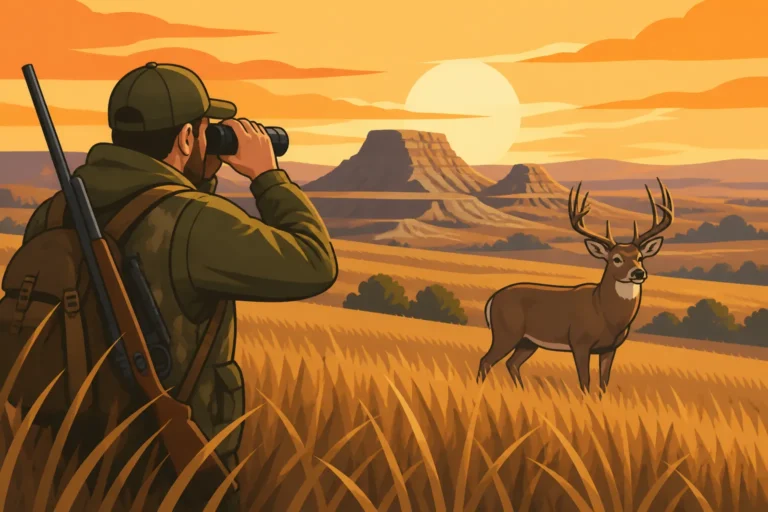
Mule deer, especially mature bucks on the West River breaks, are masters of using terrain to their advantage. They'll often bed in deep, hidden coulees or breaks, far from roads, making you work to get into position for a stalk. You might glass a buck a mile out, but the stalk could involve miles of walking and crawling through draws and washes. Understanding Reading Prairie Coulees for Mule Deer is crucial for these hunts. Waterfowl, particularly ducks on prairie potholes, also tend to congregate on the more remote, less-disturbed bodies of water, meaning you might have to haul decoys, blinds, and gear a long way from the nearest road or even a two-track access point. Knowing the habits of your target species directly informs your walking strategy.
Strategies for Estimating and Minimizing Your Footwork
While walking is an undeniable part of hunting South Dakota's public lands, smart planning and the right tools can help you estimate your distances more accurately and, in some cases, minimize unnecessary footwork. It's all about working smarter, not just harder, to get to where the game is.
Leveraging Mapping Tools for Pre-Hunt Scouting
In today's hunting world, digital mapping tools are an absolute game-changer. Services like onX Hunt and GoHunt allow you to meticulously scout potential hunting areas from the comfort of your home. You can identify public land boundaries, locate legal parking spots, pinpoint dense cover, identify terrain features like coulees or sloughs, and even mark potential entry and exit routes. This is incredibly valuable for estimating walking distances before you ever step foot on the ground. You can use their distance measuring tools to get a realistic idea of how far you'll need to trek from a parking spot to a promising piece of cover.
I can't stress enough the benefit of e-scouting. By layering satellite imagery with public land designations, you can visualize the terrain, spot natural travel corridors, and even identify small, overlooked pockets of habitat that might be too far for casual hunters but perfect for a determined walk-in. This detailed analysis can help you avoid wasted steps and focus your efforts on the most promising areas. It's like having a bird's-eye view of your hunt unit, allowing you to be incredibly precise in your planning. You can literally draw out your intended path and see the mileage before you leave your couch. If you haven't yet, familiarize yourself with Using the South Dakota Public Hunting Atlas or consider the benefits of E-Scouting Walk-In Areas Before the Season.
Planning Your Route and Entry Points
Once you've done your digital homework, it's time to translate that into a physical plan. Instead of just pulling over at the first public land sign, consider strategically chosen parking spots that might be further from the "obvious" entry but put you in a better position for your actual hunt. This could mean parking a half-mile down the road at a less-used access point, or even parking on adjacent public ground and walking into your target area, rather than directly at it. This approach can help with Access Routes That Do Not Blow Out Birds.
Think about the wind, too. If you're going to make a long walk into a piece of cover, plan your route so that the wind is in your favor as you approach the areas you expect to hold game. This might add a little extra distance to your walk but is far more effective than busting birds or deer because your scent is blowing directly into their sanctuary. By planning your approach meticulously, you can often reach the most productive parts of the habitat with minimal disturbance and maximum stealth. A slight detour to circle around a piece of cover might add 400 yards to your walk, but if it means you approach from a downwind direction into unpressured game, it’s 400 yards well spent. It often pays off to be mindful of Parking Away From the Cover You Hunt to reduce initial pressure.
The Art of the "Walk-In" and When to Turn Back
Embracing the "walk-in" mentality means understanding that significant foot travel is part of the deal. You need to be prepared physically, mentally, and with the right gear. That includes adequate water, snacks, layers of clothing, and a First Aid Kit for a Prairie Hunt. For pheasant hunting, plan your drives to maximize your coverage while minimizing backtracking. For big game, accept that a successful stalk or recovery might mean a multi-mile trek over challenging terrain.
However, there's also an art to knowing when to turn back. Sometimes, you'll walk into an area and realize the birds have been pressured out, or the sign for big game simply isn't there. Rather than stubbornly pushing on for miles with no results, recognize that it might be more productive to cut your losses, return to the vehicle, and try another spot. It can be hard to admit defeat, especially after a long walk, but conserving your energy for a more promising location is a smart hunting strategy. The goal is to hunt effectively, not just to log miles.
Here's a quick guide to average walking distances you might encounter for various South Dakota hunting scenarios from public parking to where the game might hold:
| Scenario / Game Type | Typical Initial Walk-In Distance (from legal parking to prime cover) | Total Estimated Daily Walking Distance (including hunting efforts) | Key Influencing Factors |
|---|---|---|---|
| Early Season Pheasants | 0.25 – 0.75 miles | 3 – 6 miles | Weather, initial hunter pressure, accessible cover near roads |
| Late Season Pheasants | 0.75 – 1.5 miles | 5 – 10+ miles | Heavy cover density, increased bird wariness, snow depth |
| West River Mule Deer (Spot & Stalk) | 0.5 – 2+ miles (to glassing point, then stalk) | 6 – 12+ miles | Terrain ruggedness, distance of bedded bucks, wind direction |
| East River Whitetails (River Bottoms) | 0.25 – 1 mile | 2 – 5 miles | Thickness of timber, proximity of food/water, river access |
| Pronghorn Antelope (Spot & Stalk) | 0.5 – 2 miles (to initiate stalk) | 4 – 8 miles | Openness of prairie, ability to use terrain for concealment |
| Prairie Waterfowl (Potholes) | 0.5 – 1.5 miles (to ideal blind setup) | 1 – 3 miles (plus hauling gear) | Water access, marsh conditions, proximity of flight paths |
These are estimates, of course, and the actual distances can vary wildly depending on the specific location, day, and your hunting style.
Hunting South Dakota's public lands is an incredibly rewarding experience, but it’s also a physically demanding one. The journey from your parked vehicle to that prime piece of cover is a critical, often underestimated, part of the hunt. By understanding the types of public access, accounting for hunting pressure and terrain, and leveraging modern mapping tools, you can better prepare for the walking distances involved. Embrace the hike, plan smartly, and you’ll find that those extra miles often lead to the most memorable experiences and successful harvests on the South Dakota prairie.
Disclaimer
This article is for general informational purposes only and does not constitute professional advice. Laws, prices and regulations vary by location and change over time. Consult a qualified professional for guidance on your specific situation.