South Dakota Pheasant Possession Limit
It can be incredibly frustrating to wrap up a fantastic day of pheasant hunting in South Dakota, only to realize you're not entirely sure how many birds you can actually bring home or keep in your cooler for the duration of your trip. The daily limit is one thing, but that "possession limit" often trips up even seasoned hunters. This guide is here to clear up that confusion, diving deep into the South Dakota pheasant possession limit so you can enjoy your hunt without worrying about legal headaches.
Understanding the South Dakota Pheasant Possession Limit
Let's cut right to the chase, because this is often the biggest question mark for hunters, especially those visiting from out of state. South Dakota is renowned for its pheasant hunting, and while the daily bag limit lets you know how many roosters you can harvest in one day, the possession limit dictates how many you can legally have at any given time, whether they're in your vest, your vehicle, your lodge freezer, or back at your home state.
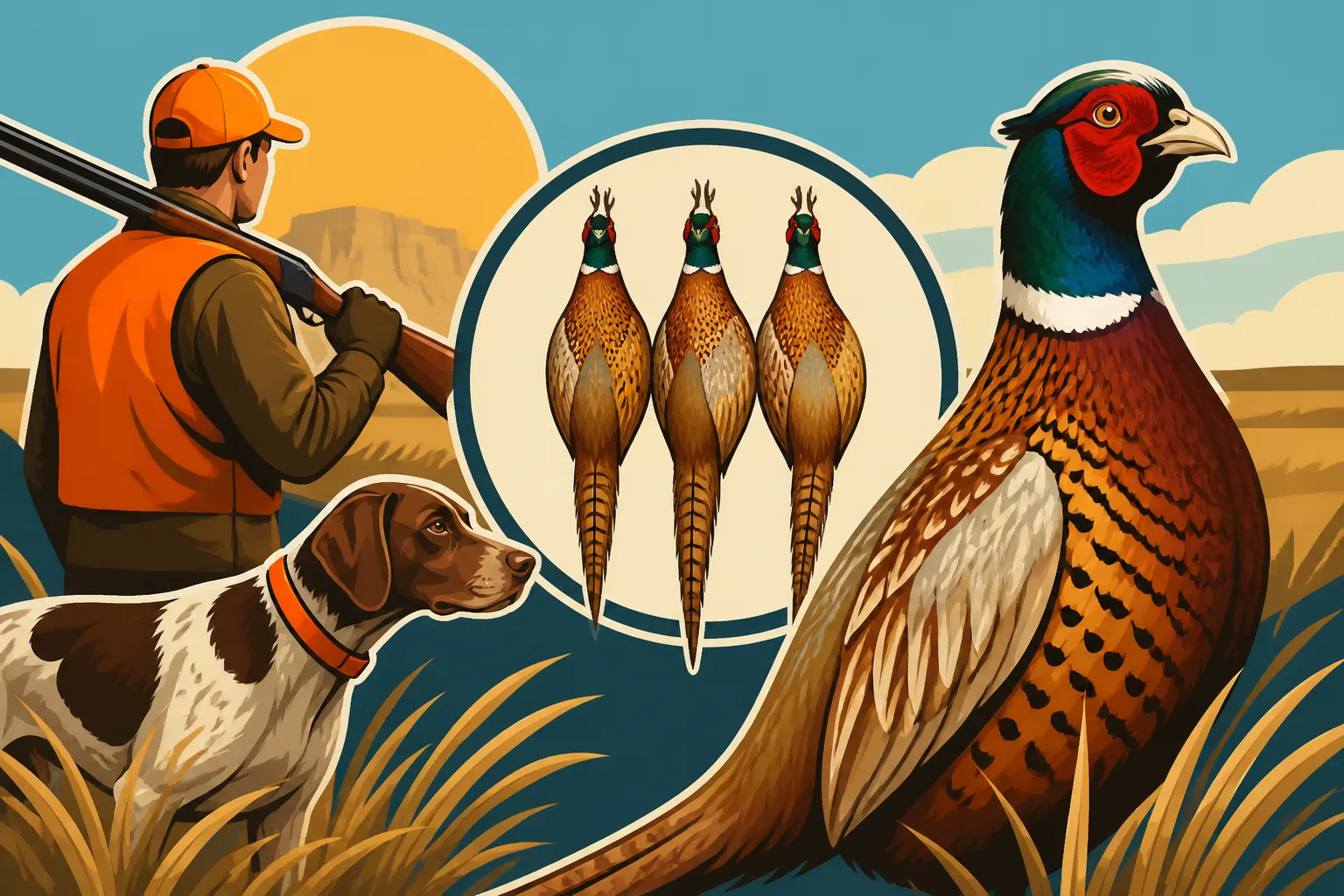
For pheasants in South Dakota, the daily bag limit is generally three (3) roosters. This means that from legal shooting hours until the end of the day, you can harvest up to three male ring-necked pheasants. But the possession limit is a different beast entirely. It's set at fifteen (15) roosters. That's five times the daily bag limit.
Now, this isn't just an arbitrary number. It’s designed to allow hunters on multi-day trips to accumulate birds without breaking the law, while still preventing commercialization or over-harvest. Imagine you're on a five-day hunting trip. If you hit your daily limit every day, by the end of your trip, you'd have 15 birds. This possession limit ensures that those hard-earned birds are legally yours to transport and store.
It's crucial to understand that "possession" refers to any birds under your control, regardless of when or where they were harvested. If you shot three birds on Monday, three on Tuesday, and three on Wednesday, you now have nine birds in your possession. You can continue hunting, and if you shoot three more on Thursday, you'll have twelve. This continues until you reach that 15-bird possession limit. Once you hit 15, you cannot legally harvest any more birds until you've reduced your possession to below 15 by consuming them, giving them away (following proper transfer rules), or heading home. Many hunters use mapping tools like GoHunt to keep track of hunting areas and sometimes even their daily harvest as part of their hunt planning, though tracking your possession limit is ultimately a personal responsibility.
Daily Limit Versus Possession Limit: A Clear Distinction
It’s easy to conflate the daily bag limit with the possession limit, but they serve distinct purposes. Think of the daily limit as your "on-the-field" quota for a single calendar day. Once you've shot three roosters, your hunting for pheasants that day is done, no matter how much daylight is left. You can't just go back out and shoot another one because you "cleaned your birds from yesterday."
The possession limit, on the other hand, is your "total inventory" limit. It’s what prevents a hunter from harvesting an unsustainable number of birds over the course of an entire season or trip. This distinction becomes particularly important for non-resident hunters who often plan longer trips to maximize their time in the field. They might choose specific South Dakota Pheasant Season and Licences options that allow for multiple hunting periods. Understanding both limits ensures you stay within the bounds of the law throughout your entire adventure.
For a clearer picture, consider this:
| Limit Type | Description | Quantity (Roosters) | When it Applies |
|---|---|---|---|
| Daily Bag Limit | The maximum number of birds you can harvest within a single calendar day (from legal shooting hours to the end of the day). | 3 | While actively hunting, or on your person / in your vehicle at the end of a hunting day. |
| Possession Limit | The maximum total number of birds you can legally have under your control at any given time, regardless of when or where they were harvested. This includes birds stored in freezers, coolers, or at home. | 15 | Anytime you are in possession of birds, on the hunt or after. |
It’s a common scenario: a group of friends comes to South Dakota, and over several days, they each shoot their daily limit. By the time they're ready to head home, they have a substantial number of birds. As long as no individual hunter exceeds their 15-rooster possession limit, they are golden. If, however, one hunter decides to keep 18 birds for himself because he had "extra space in the cooler," he would be in violation, even if the total group count was under.
Why Does a Possession Limit Even Exist?
At first glance, possession limits might seem like an extra layer of bureaucracy designed to confuse hunters. But there's a really good reason why wildlife agencies, like South Dakota's Game, Fish and Parks (GFP), implement them. These limits are crucial tools in responsible wildlife management, ensuring the long-term health of pheasant populations and promoting ethical hunting practices.
One of the primary reasons is conservation. While South Dakota typically boasts robust pheasant populations, unregulated harvest could quickly deplete local bird numbers. The possession limit, working in conjunction with the South Dakota Pheasant Daily Bag Limit, helps distribute the harvest across a broader base of hunters and over a longer period, rather than allowing a few individuals to take an excessive number of birds. This approach safeguards the breeding stock for future generations, a principle vital for any sustainable hunting program.
Another significant factor is preventing commercialization. Without a possession limit, it would be far easier for individuals to harvest large quantities of game birds for resale, effectively turning hunting into an illegal commercial enterprise. This undermines the spirit of fair chase and puts undue pressure on wildlife resources. The possession limit helps to ensure that hunting remains a recreational and subsistence activity, not a profit-driven one.
Consider the reality of a hunter traveling to South Dakota for a week-long trip. If there were no possession limit beyond the daily bag, theoretically, they could take 3 birds a day for seven days, accumulating 21 birds. But then what? Would they just keep accumulating? The 15-bird possession limit offers a reasonable cap for a typical multi-day hunting excursion, allowing for a good harvest without encouraging over-extraction from the wild. It also nudges hunters to be mindful of how they plan their trips and manage their game. For instance, knowing you can take up to 15 birds, you might plan your trip length accordingly or consider options like South Dakota Youth Pheasant Season if you're bringing younger hunters, as their limits might differ or contribute to the overall party possession.
Ultimately, these regulations are about ensuring that the incredible pheasant hunting opportunities in South Dakota remain vibrant for years to come. They're a testament to the state's commitment to wildlife stewardship and fair opportunity for all hunters.
Practical Strategies for Managing Your Pheasant Limit
Navigating the daily and possession limits smoothly requires a little planning and good practice, especially when you’re on a multi-day hunt or traveling a long distance to get your birds home. It's not just about what you shoot, but what you do with the birds afterward.
Keeping Track and Storage
The simplest way to avoid issues with your possession limit is to keep a running tally of how many birds you've harvested and are currently storing. Whether you jot it down in a notebook, use a hunting app, or just have a reliable memory, knowing your count is paramount.
Once those roosters are down, proper storage is your next big concern, especially if you're hunting in warmer early-season conditions. You’ll want to get those birds cooled down as quickly as possible. This means having ample cooler space with plenty of ice. Remember, if you’re driving around all day, your birds can warm up fast. It's critical to understand Keeping Birds Cool in a Warm Truck to preserve the quality of the meat. A warm bird can spoil quickly, and nobody wants that. Many lodges or even local motels have freezers available for guests, which is a huge benefit for multi-day trips.
Cleaning and Transport Considerations
When you clean your birds, you'll need to remember South Dakota’s specific rules regarding proof of species and sex during transport. For pheasants, the law typically requires that one fully feathered wing or the head remain naturally attached to the bird while in transit from the field to your residence or taxidermist. This allows game wardens to easily identify the species and confirm it’s a male pheasant. Cutting all wings off immediately might seem convenient, but it can land you in hot water. Details like these are covered when learning about Cleaning Pheasants in the Field and are vital for legal compliance.
Once your birds are cleaned and properly stored (frozen is best for long drives), you'll need to consider Tagging and Transporting Birds Legally. While pheasants don't typically require individual tags like big game, having your hunting license, habitat stamp, and any necessary permits (like the South Dakota Habitat Stamp Requirements or South Dakota Nonresident Small Game Licence Price) readily accessible is always smart. If you're transporting birds for someone else, or they're transporting birds for you, always make sure there's a clear paper trail or declaration. Most states require that the person whose limit the birds count against is the one transporting them unless specific documentation states otherwise. Always check the regulations of any state you’ll be traveling through as well, not just South Dakota.
Working with Lodges and Outfitters
If you're hunting with a lodge or an outfitter, they are typically experts in helping you manage your daily and possession limits. Reputable lodges, like those found through resources like GoHunt, will often have dedicated game cleaning stations and ample freezer space. They can guide you on the best practices for cleaning, packaging, and storing your birds according to South Dakota law. Some even offer vacuum-sealing services to help you preserve your birds for the journey home, ensuring the meat quality remains top-notch for delicious meals, tying into themes like Pheasant Meat Handling and Cooking. Don’t hesitate to ask your outfitter or lodge staff about their specific procedures for game management; they are there to help make your hunt legal and enjoyable.
Navigating South Dakota's Unique Hunting Structure
South Dakota’s approach to hunting regulations, while generally straightforward, has a few nuances that can impact how you manage your pheasant possession limit. Understanding these elements will ensure a smoother, more enjoyable hunting experience.
For non-resident pheasant hunters, one of the most distinctive features is the requirement to purchase a license valid for specific five-day periods. This isn't just a simple date range; it's a structural element that ties into your overall hunting plan. You choose your initial five-day period, and if you wish to hunt longer, you can purchase additional five-day periods. This system inherently influences how many "daily limits" you can accumulate over your trip, directly affecting your possession count. For example, if you plan to hunt for two distinct five-day periods, you have the potential to take 30 birds (3 birds/day x 10 days) over your entire stay, but your possession limit at any single moment is still 15. This is where careful planning and perhaps more frequent trips home or processing can become a factor.
Public land access also plays a significant role in how hunters plan their trips and subsequently manage their game. South Dakota offers a vast amount of public hunting land, including Hunting South Dakota Walk-In Areas and Game Production Areas. These areas are fantastic resources for hunters, allowing for extensive pheasant hunting without needing private land access. Whether you're hunting vast CRP fields on a Walk-In Area or the dense cover of a South Dakota Game Production Area, the possession limit applies universally. It’s the same 15 roosters, whether you’re on public or private ground.
The best way to stay informed about all these regulations is to consult the official South Dakota Game, Fish and Parks (GFP) website and their annual hunting regulations handbook. This is your definitive source for the most current and accurate information. Websites and apps, including GoHunt, can be excellent supplementary resources for maps, drawing odds, and general information, but for specific legal requirements like possession limits, always cross-reference with the GFP. The rules can be updated annually, so what was true last season might have a slight tweak this year. This due diligence is crucial for a legal hunt, whether you're laying out blinds on South Dakota stubble for geese or walking cattails for pheasants.
Remember, the goal of these regulations isn't to make hunting harder; it's to protect the resources and ensure the sport remains accessible and rewarding for everyone. By understanding and respecting the South Dakota pheasant possession limit, you're doing your part to keep this incredible hunting tradition alive and well.
Disclaimer
Please remember that hunting regulations can change. Always consult the official South Dakota Game, Fish and Parks (GFP) website or their most current hunting handbook for the precise and up-to-date regulations before heading into the field. This article provides general information and should not be considered a substitute for official legal guidance.