South Dakota Waterfowl Guide Packages
South Dakota's vast prairie and abundant waterbodies offer some of the most incredible waterfowl hunting experiences in the country, but the sheer scale and complexity can be daunting for even seasoned hunters. Between understanding migration patterns, scouting prime locations, setting up massive decoy spreads, and navigating private land access, it often feels like you need a full-time job just to prepare for a successful trip. This guide will walk you through everything you need to know about South Dakota waterfowl guide packages, helping you cut through the confusion and maximize your time in the blind.
Why Consider a Waterfowl Guide in South Dakota?
The appeal of South Dakota for waterfowl hunters is undeniable, with incredible numbers of ducks and geese passing through the Central Flyway. However, translating that potential into a full strap of birds often requires more than just showing up with a shotgun. Many hunters find that a guided experience isn't just a luxury, but a practical way to overcome common hurdles and truly enjoy their time in the field.
Navigating Complex Seasons and Regulations
One of the biggest headaches for out-of-state hunters, and even many residents, is keeping up with the ever-changing tapestry of seasons, zones, and regulations. South Dakota has specific opening and closing dates that can vary by duck species, goose species, and even by geographic zone within the state. Add to that varying bag limits, possession limits, shooting hours, and federal requirements like the HIP registration and Federal Duck Stamp, and it's enough to make your head spin.
A good guide is an expert in these local rules and will ensure your hunt is fully compliant, saving you from potential fines or game violations. They live and breathe these regulations, often staying abreast of the latest changes from the South Dakota Game, Fish and Parks. Imagine arriving, exhausted from a long drive, and immediately having to double-check every single detail before you can even think about setting up. A guide handles all that meticulous planning and knowledge, allowing you to focus purely on the hunt. They understand the nuances of South Dakota Waterfowl Seasons and Zones, ensuring you're targeting birds legally and ethically.
The Advantage of Local Knowledge and Scouting
South Dakota is huge, and its waterfowl landscape changes dramatically throughout the season, sometimes even day-to-day. What was a hot spot last week might be barren today due to weather, feeding patterns, or hunting pressure. This is where a guide’s local knowledge becomes invaluable. They spend countless hours before and during the season scouting, observing bird movement, identifying key feeding fields, and locating prime roosting water.
Think about the sheer amount of ground you'd have to cover yourself to gain that kind of insight. Guides often have a network of contacts, including local farmers, who provide updates on where birds are working. They know which potholes are holding birds, which cut cornfields are being hammered by geese, and where the ducks are loafing between feeding cycles. This eliminates days of frustrating, fruitless driving and allows you to hunt where the birds actually are, dramatically increasing your chances of success. A guide can tell you exactly when to expect peak migration for South Dakota Early Canada Goose Dates or the best spots for Decoying Ducks on a South Dakota Prairie Pothole.
Accessing Prime Private Land
While South Dakota does boast a good amount of public hunting land, especially through its Walk-In Area program and Waterfowl Production Areas, the vast majority of the most productive waterfowl hunting happens on private agricultural land. Gaining access to these prime fields and sloughs can be incredibly difficult for independent hunters. Farmers are often inundated with requests, and many already have arrangements or lease their land.
Waterfowl outfitters typically have long-standing relationships with landowners, often leasing exclusive hunting rights to thousands of acres of prime ground. This means you'll be hunting fields that have been carefully managed for pressure, are actively being used by birds, and are off-limits to other hunters. This private land access is arguably one of the biggest benefits of a guided hunt, taking away the constant worry of finding a spot and the potential for crowding that can sometimes occur on popular public areas. It’s a game-changer when it comes to consistently finding birds, especially when considering the widespread nature of waterfowl hunting in South Dakota. This gives you peace of mind that you're not battling Hunting Pressure on South Dakota Public Ground every time you head out.
Understanding Different Waterfowl Guide Packages
Just like there are countless types of waterfowl habitat in South Dakota, there are also various guide packages tailored to different hunting preferences, group sizes, and target species. Knowing what kind of experience you're looking for can help you narrow down your options and find the perfect fit for your next hunting adventure.
Day Hunts Versus Multi-Day Experiences
The most fundamental choice you'll make is between booking a single day hunt or a multi-day package. Day hunts are great if you're already in the area, have limited time, or simply want to "test the waters" with a particular outfitter. They usually involve meeting the guide before dawn, heading to a pre-scouted location, hunting through the morning flight, and then wrapping up after limits are met or activity slows.
Multi-day packages, on the other hand, offer a more immersive and comprehensive experience. These often include lodging, meals, and multiple days of hunting. They're ideal for out-of-state hunters making a long journey, allowing for several opportunities to hunt different species or locations depending on bird movement and weather. A multi-day hunt also builds in some flexibility; if one morning is slow due to a weather front, you have other days to make it up. These packages vary widely, but typically cover everything from a cozy bed to a hearty breakfast, right down to bird cleaning. It's truly a full-service experience designed to let you focus on the hunt without worrying about the logistics of travel and accommodation.
Species-Specific Hunts: Ducks, Geese, or Combo
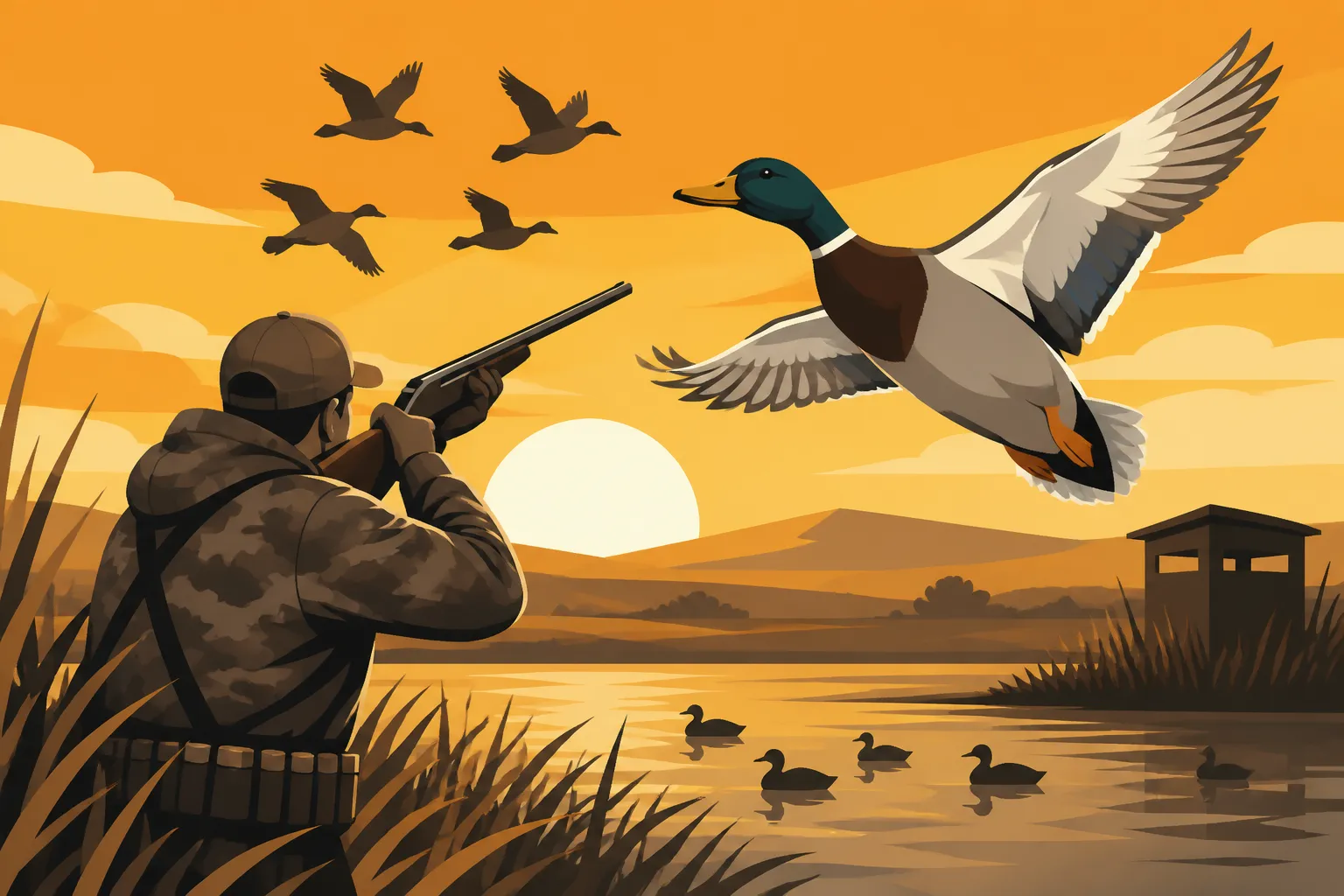
Waterfowl hunting in South Dakota can be broadly categorized into duck hunting and goose hunting, though many outfitters offer combination hunts. Duck-specific hunts often focus on prairie potholes, small marshes, or managed water impoundments. The setups might involve smaller decoy spreads, portable blinds, and a focus on morning flights into feeding or loafing areas. Mallards, pintails, gadwalls, and wigeon are common targets, depending on the South Dakota Duck Season Zones and migration timing.
Goose hunts, especially for Canada geese, usually take place in dry fields such as cut corn, alfalfa, or winter wheat. These hunts require massive decoy spreads, often hundreds of full-body goose decoys, along with layout blinds or pits for concealment. Guides spend considerable time identifying which fields geese are feeding in. Some outfitters also specialize in spring snow goose hunts, which are a completely different ballgame with even larger spreads and electronic calls during the conservation order. A combo hunt aims to provide the best of both worlds, perhaps a morning goose hunt in a field followed by an afternoon duck hunt on water, maximizing your opportunities. Understanding the South Dakota Duck Bag Limits and goose limits is crucial for planning which type of hunt best suits your desired experience.
Inclusions: Decoys, Blinds, and Dog Handlers
One of the biggest advantages of a guided waterfowl hunt is that the outfitter provides all the expensive, bulky, and difficult-to-transport gear. You won't need to haul hundreds of decoys, heavy layout blinds, or large boat blinds across state lines. The guide will have a fully equipped spread, often tailored to the specific field or waterbody being hunted, ensuring optimal realism and effectiveness. This often includes everything from a massive Layout Blinds on South Dakota Stubble setup for geese to realistic spreads for Decoying Ducks on a South Dakota Prairie Pothole.
Many packages also include experienced dog handlers and well-trained retrievers. This is a huge benefit, as a good dog is absolutely essential for recovering downed birds efficiently and ethically, especially in thick prairie cover or cold water. If you don't have your own dog, or if you prefer to leave yours at home, having a professional retriever on hand is a massive advantage. Confirming these inclusions upfront is always a good idea, as some guides might charge extra for certain services or expect you to bring certain items.
What to Expect from a South Dakota Waterfowl Outfitter
Once you've decided a guided waterfowl hunt is for you, understanding the typical flow and what's expected can help you prepare mentally and practically for your adventure. A guided hunt is a partnership, and knowing your role can contribute greatly to the overall success and enjoyment of the trip.
Typical Daily Schedule and Logistics
A guided waterfowl day in South Dakota usually starts very early. You’ll likely meet your guide well before civil twilight, often an hour or more before legal shooting light, to allow ample time to travel to the field or water and set up the spread. This often means waking up in the pre-dawn hours, sometimes around 3:30 or 4:00 AM, depending on the season and location. Be prepared for a quick breakfast on the go, or a packed lunch provided by the outfitter.
Once at the hunting location, the guide will direct the setup of decoys and blinds. Your active participation in this process is often expected and appreciated; it's part of the experience. After the setup, it's a waiting game. The guide will handle the calling and direct the shot, ensuring safety and optimal opportunity. Most waterfowl hunts conclude after the morning flight, often by late morning or early afternoon, after bag limits are met or bird activity ceases. Afterward, everyone helps with the retrieve and the breakdown of the spread. For multi-day hunts, the schedule repeats, often with different locations chosen based on prior day observations and scouting.
Gear You'll Need and Gear Provided
While the outfitter provides much of the heavy equipment like decoys and blinds, there's still essential personal gear you'll be responsible for. First and foremost, you'll need a reliable shotgun (often 12-gauge is preferred for versatility) and appropriate steel shot ammunition. Make sure your shotgun is cleaned and patterned before the trip. Layered clothing is crucial for South Dakota's unpredictable weather, as temperatures can swing wildly. Waterproof and windproof outer layers are non-negotiable, especially when sitting in a blind for hours. Waders are often necessary for duck hunts on water or retrieving birds from wet fields.
Don't forget basics like a hunting license, federal and state duck stamps, HIP registration, eye protection, ear protection, a headlamp, and a small backpack for personal items. Many outfitters provide snacks and non-alcoholic beverages, but it's always wise to bring some of your own. Your guide will typically provide a detailed packing list, but it's important to ask early on what they expect you to bring versus what they supply. This applies especially to things like the South Dakota Federal Duck Stamp Rules and South Dakota HIP Registration, which are always your responsibility.
Bird Limits, Tagging, and Processing
During the hunt, your guide will keep track of the birds harvested to ensure your group stays within the legal daily bag limits for each species. It’s critical to listen to their instructions regarding shot opportunities and bird identification to avoid accidentally shooting protected species or exceeding limits. After the hunt, birds will need to be properly tagged according to South Dakota regulations, usually with a tag from your license, especially if you're not immediately processing them.
Many multi-day packages include bird cleaning and packaging, where your harvested ducks and geese are breasted out, put in vacuum-sealed bags, and often frozen for your journey home. This is a huge convenience, as cleaning a dozen or more birds after a successful hunt can be a messy and time-consuming task. Always confirm if this service is included or an additional charge. If you’re on a day hunt or your package doesn’t include processing, you'll need a plan for handling your birds to keep the meat fresh, especially if you have a long drive home.
Costs and Booking Your Guided Waterfowl Adventure
Understanding the financial aspects and the booking process for a South Dakota waterfowl guide package is crucial for a smooth and stress-free experience. These hunts represent an investment, and like any investment, it pays to do your homework.
Deciphering Guide Fees and Package Pricing
Waterfowl guide package pricing in South Dakota can vary significantly based on several factors: the length of the hunt (day vs. multi-day), the species targeted, the quality of the outfitter and their ground, and the inclusions (lodging, meals, processing). Day hunts might run a certain amount per hunter, while multi-day packages are often priced per person for a set number of days and nights. These rates generally include the guide’s services, access to private land, decoy spreads, and blinds.
When reviewing pricing, look closely at what is explicitly included and what might be an add-on. Some guides might charge extra for ammunition, bird processing, or even retrieving a bird with their dog if not explicitly stated. Always clarify these potential additional costs upfront. Remember, these are not just fees for a guide's time, but also for their extensive knowledge, scouting efforts, equipment maintenance, and the access to prime hunting ground that would be nearly impossible to secure on your own.
Deposits, Cancellations, and the Fine Print
Booking a guided hunt almost always requires a deposit, often a significant portion of the total package price. This deposit secures your dates and helps the outfitter cover initial costs and commitments. Be sure to understand the deposit amount, the payment schedule for the remaining balance, and the acceptable payment methods.
Cancellation policies are equally important. Life happens, and sometimes plans change. A good outfitter will have a clear, written cancellation policy that outlines deadlines for refunds or rescheduling options. Some might offer a full refund outside of a certain window, while others might only offer to roll your deposit over to a future date. Weather clauses are also critical for waterfowl hunting; understand what happens if a hunt is canceled due to severe weather or unsafe conditions. Will you get a refund, or will the hunt be rescheduled? Always request a written contract or booking agreement and read it thoroughly before submitting any payment. Reputable booking platforms like BookYourHunt often have clear terms and conditions outlined, which can add a layer of transparency.
When and How to Book the Best Dates
South Dakota waterfowl season, especially the prime migration periods, books up incredibly fast. If you're hoping to hunt during the peak of the fall migration, especially for mallards or Canada geese, it's not uncommon to book your trip a year or even two years in advance. The opener and key dates around holidays or weekends are often the first to go. Booking during less popular weekdays or the late season might offer more availability and potentially different hunting dynamics.
The best way to book is directly through the outfitter after you’ve done your research, or by using reputable online platforms. Websites like BookYourHunt specialize in connecting hunters with vetted outfitters, often providing detailed package information, availability calendars, and secure booking processes. These platforms can simplify the search, allowing you to compare options side-by-side. Make sure you're clear on your desired dates, group size, and any specific preferences (like duck-only or goose-only hunts) when you initiate contact.
Choosing the Right Waterfowl Guide for Your Group
Selecting the right waterfowl guide is paramount to ensuring a successful and enjoyable hunting trip. It's not just about finding someone with a license; it's about finding a professional who aligns with your expectations and provides the experience you're seeking.
Essential Questions to Ask Potential Outfitters
Before you commit to a guide package, put together a list of pointed questions. This isn't about being confrontational, but about being informed. Here are some key areas to cover:
- Experience & Licensing: How long has the guide been operating in South Dakota? Are they fully licensed and insured? This ensures you're with a legitimate professional.
- Hunting Areas: What kind of land do they primarily hunt (private, public, a mix)? How much acreage do they control, and how far is it from the lodge? South Dakota Landowner Licence Preference can give certain advantages, so knowing their relationship to the land is key.
- Success Rates: What are their typical success rates for the time of year you're considering? Be realistic, as waterfowl hunting is never "guaranteed." Ask about average daily bag limits.
- Gear Provided: Reconfirm exactly what equipment is provided (decoys, blinds, calls, dogs) and what you are expected to bring.
- Group Size & Guide-to-Hunter Ratio: How many hunters will be in your group, and what is the guide-to-hunter ratio? Will your group be hunting exclusively, or will you be combined with other parties?
- Bird Care & Processing: Detail how birds are handled after the hunt, from tagging to cleaning and freezing.
- Lodging & Meals (for multi-day): Ask about the accommodations, amenities, and meal plans. Are special dietary needs accommodated?
- Safety Protocols: What are their safety procedures in the field, especially regarding firearms and water safety?
- References: Always ask for references from past clients who hunted during the same time of year you plan to go.
Reading Reviews and Seeking References
In today's interconnected world, information about outfitters is often readily available. Spend time online reading reviews on dedicated hunting forums, social media groups, and outfitter listing sites. Pay attention to consistent themes, both positive and negative. Look for comments on professionalism, bird numbers, dog performance, food, and overall experience.
Beyond online reviews, directly contacting past clients is incredibly valuable. When you ask an outfitter for references, take the time to call them. Ask specific questions about their experience: Was the outfitter responsive? Did the hunt meet expectations? Were there any hidden costs? How did they handle unexpected challenges, like bad weather? Were the birds plentiful and the setup effective, like those described in Field Hunting Geese in South Dakota Cut Corn? Sites like GoHunt often compile outfitter information and can be a good starting point for finding reputable guides with verifiable reviews and references.
Ensuring a Good Fit and Realistic Expectations
Ultimately, the best guide for you is one who matches your hunting style and expectations. If you're a hardcore hunter who wants to shoot your limit every day, make sure the guide operates with that intensity. If you prefer a more relaxed pace, enjoy the camaraderie, and are satisfied with fewer birds, communicate that upfront. Don't be afraid to discuss your physical capabilities honestly, as some waterfowl hunts can involve considerable walking, carrying gear, or wading in cold water.
Set realistic expectations for your hunt. Waterfowl hunting is hunting, not shopping. Weather conditions, bird migration, and even local farming practices can impact success. A great guide will put you in the best possible position, but nature always has the final say. Go into the hunt with an open mind, a willingness to learn, and a positive attitude, and you’re far more likely to have a memorable and successful South Dakota waterfowl adventure, regardless of the final bird count.
| Package Type | Description | Pros | Cons | Typical Inclusions |
|---|---|---|---|---|
| Day Hunt | Single-day hunting experience, typically focusing on morning flights. | Lower cost; flexibility; good for locals or short trips. | Limited opportunities; no lodging/meals usually. | Guide, private land access, decoys, blinds, dog/handler. |
| Multi-Day Hunt | 2-5+ days of hunting, often with lodging and meals. | More opportunities; immersive experience; less logistical stress. | Higher overall cost; less flexible dates; requires more time off. | Guide, private land, decoys, blinds, dog/handler, lodging, meals, bird cleaning (often). |
| Duck Only | Focuses exclusively on duck species (mallards, pintails, etc.). | Specialized setups; ideal for duck enthusiasts. | Limited to one species; may miss other opportunities. | Guide, specific duck spreads, boat/marsh blinds. |
| Goose Only | Targets goose species (Canada, snow geese). | Caters to goose hunting specialists; large volume setups. | Limited to one species; often requires specific field types. | Guide, massive goose spreads, layout blinds/pits. |
| Combo Hunt | Combines duck and goose hunting, often morning geese, afternoon ducks. | Maximizes species opportunities; diverse hunting experiences. | Can be more physically demanding; might be pricier; requires diverse gear. | Guide, both duck & goose setups, various blinds. |
| Spring Snow Goose | Special conservation order hunt in late winter/early spring for snow geese. | High volume potential; unique experience; electronic calls allowed. | Weather can be extreme; very specific migration window; only one species. | Guide, massive snow goose spreads, e-callers, layout blinds. |
Disclaimer
This article is for general informational purposes only and does not constitute professional advice. Laws, prices and regulations vary by location and change over time. Consult a qualified professional for guidance on your specific situation.