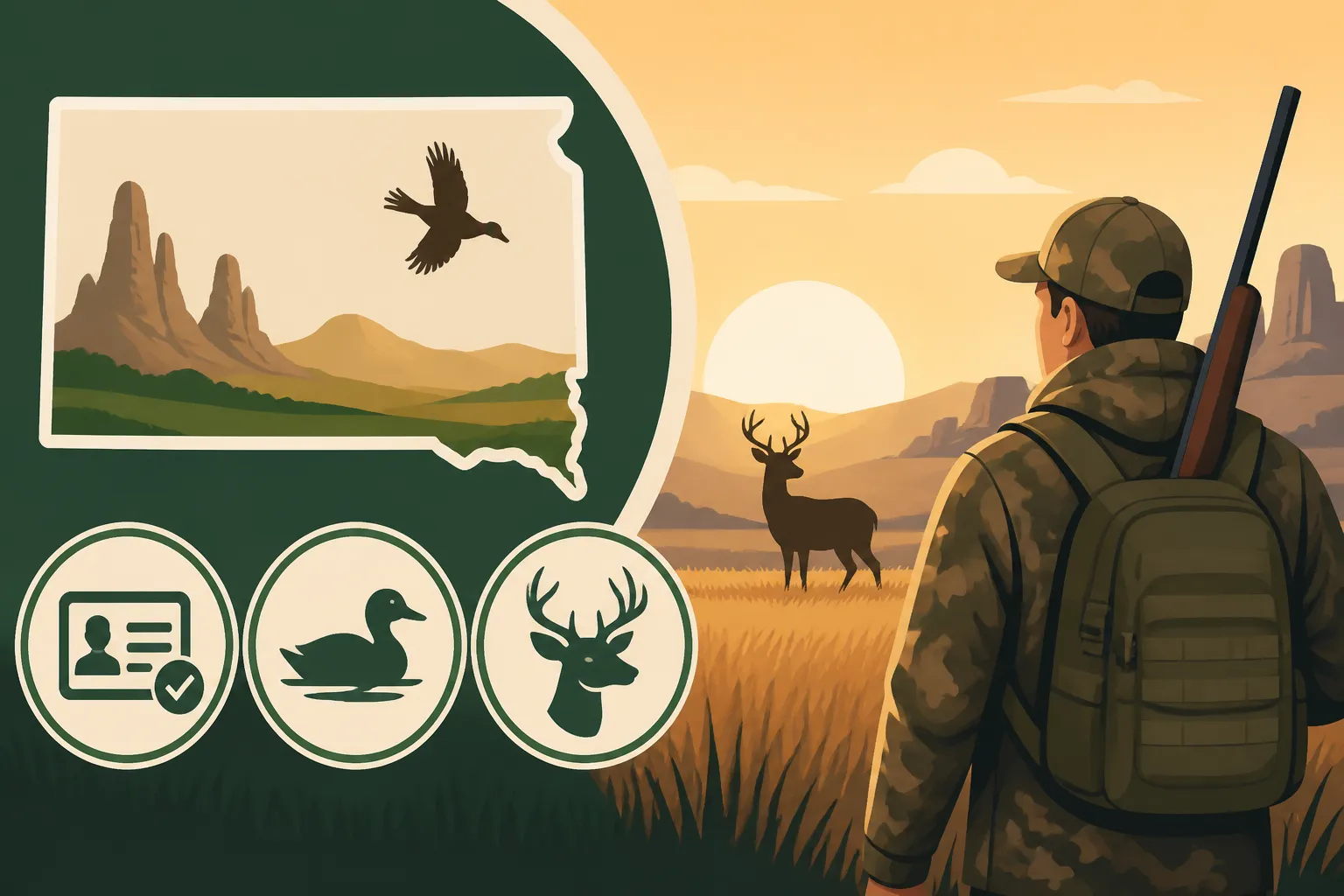
Licences Needed on a South Dakota Preserve
One of the most common points of confusion for hunters planning a trip to South Dakota, especially if they're looking at private operations, revolves around licensing for shooting preserves. It’s easy to assume a general hunting license covers everything, but the reality is often more nuanced. This comprehensive guide will walk you through the specific license requirements for hunting on a South Dakota shooting preserve, ensuring you're fully prepared and legal for your hunt.
Understanding South Dakota's Shooting Preserve System
When you think of hunting in South Dakota, you likely picture vast fields of wild pheasants or expansive prairies for deer. However, shooting preserves offer a different, yet equally exciting, hunting experience. These operations function under a distinct set of rules, primarily designed to facilitate a controlled hunting environment and extend opportunities beyond the traditional wild game seasons.
What Exactly is a Shooting Preserve?
A shooting preserve in South Dakota is essentially a designated area of land, usually privately owned and intensively managed, where game birds (most commonly pheasants, but sometimes chukar or quail) are released for hunting. The key difference from hunting wild birds on public or private land is the controlled nature of the experience. These preserves often have carefully cultivated habitat, dedicated dog handlers, and, crucially, a supply of released birds. This model allows for higher bird densities, often guarantees a certain level of success, and can provide a more accessible hunting experience for those who might not have the time or resources to pursue entirely wild birds.
The beauty of a preserve lies in its reliability. While a wild bird hunt on a South Dakota Pheasant Season and Licences opener is an incredible experience, it can be unpredictable. Weather, bird cycles, and hunting pressure all play a huge role. On a preserve, you're generally going to have a consistent opportunity to work your dogs and shoot birds. This makes it a fantastic option for families, corporate groups, or hunters looking to maximize their trigger time. The birds are typically raised in captivity and released shortly before or during the hunt, ensuring there's always something to pursue.
Why Preserves Have Different Rules
The reason shooting preserves operate under a different regulatory framework is precisely because of this controlled environment. The South Dakota Game, Fish and Parks (GFP) licenses and regulates these preserves separately from general hunting. This allows them to offer extended seasons, often starting earlier and running later than the statewide pheasant season, and sometimes even permit different shooting hours or bag limits than those for wild birds. The intention is to enable these private businesses to thrive while still maintaining oversight and ensuring ethical hunting practices.
These specific regulations acknowledge that hunters on preserves are engaging with a somewhat different "resource" compared to wild populations. Since the birds are typically raised and released, the impact on wild bird populations is minimal. This allows for more flexible hunting dates and methods, which wouldn't be feasible or responsible for truly wild, self-sustaining populations. The GFP outlines what a preserve needs to provide and how it should operate under a permit system, which can be explored if you’re curious about What a Preserve Plan of Operation Covers. It's a system designed to complement, not compete with, the traditional wild bird hunting opportunities that South Dakota is famous for.
The Core Licence for Preserve Hunting
Understanding the specific licenses required for hunting on a South Dakota shooting preserve is paramount. This isn't just a formality; it's a legal requirement that ensures you're compliant with state regulations and can enjoy your hunt without any unwelcome surprises. The most critical piece of paper you'll need if you're a nonresident is often a specialized permit.
The Nonresident Shooting Preserve Licence
For nonresidents looking to hunt pheasants or other upland game on a licensed South Dakota shooting preserve, the Nonresident Shooting Preserve Licence is typically the primary permit you'll need. This is a distinct license specifically designed for this type of hunting. It's important to understand that this license replaces the need for a general nonresident small game license when hunting only on a licensed shooting preserve. This is a common point of confusion: many nonresidents mistakenly believe their regular South Dakota Nonresident Small Game Licence Price will suffice, but it generally won't for preserve-specific hunting.
This preserve license allows nonresidents to participate in hunting activities on any licensed shooting preserve in the state, often outside the traditional statewide seasons. It’s a permit tailored to the unique operational parameters of these private facilities. The cost structure and specific details can vary, so it’s always best to check the current GFP regulations or, even better, consult directly with the preserve you plan to visit, as they are usually well-versed in the latest requirements. This license essentially recognizes that you're participating in a commercial hunting operation that has its own established parameters for bird sourcing and season lengths.
Resident Requirements on a Preserve
For South Dakota residents, the licensing situation for preserve hunting is typically a bit simpler. Generally, a resident hunter will need a standard South Dakota Resident Hunting Licence to hunt on a preserve. Unlike nonresidents, there isn't usually a separate, specific "resident shooting preserve license." The state's reasoning here is often tied to the fact that residents already contribute to the state's wildlife management through their general license purchases and tax dollars.
However, even for residents, it is absolutely vital to verify the exact requirements with the specific preserve or the GFP. While a basic resident hunting license is often sufficient, some preserves might have unique stipulations, or if they are offering certain types of game or experiences that fall outside the typical small game definition, additional endorsements could theoretically be needed. Always double-check, as rules can occasionally change or be interpreted differently. The general rule of thumb is that if you're a resident and you possess a valid small game license, you're covered for most preserve hunts, but confirming is always the safest bet.
General Hunting Licences and Stamps – Are They Still Needed?
Beyond the specific preserve licenses, many hunters wonder if they still need to carry the suite of general hunting licenses and stamps that are typically required for hunting wild game in South Dakota. The answer depends heavily on whether you are a resident or nonresident and if you plan to combine your preserve hunt with any wild game hunting.
The South Dakota Small Game Licence
For nonresidents, as mentioned, the Nonresident Shooting Preserve Licence typically takes the place of the general small game license if you are hunting exclusively on a licensed preserve. This means you generally do not need to purchase the full South Dakota Nonresident Small Game Licence Price for your preserve hunt. However, if your trip involves any hunting of wild pheasants or other wild small game off the preserve, even for a single day, then you would need the standard nonresident small game license in addition to any preserve-specific permits. It's a common mistake to assume the preserve license covers all small game hunting across the state, which it does not. It is exclusively for the licensed preserve property.
For residents, your standard South Dakota Resident Hunting Licence Cost is usually your ticket to preserve hunting. This license generally includes your small game privileges, so no additional specific "preserve" license is needed. Again, always verify with the preserve or GFP. The key takeaway is to clarify your hunting intentions: are you only hunting released birds on a preserve, or do you plan to chase some wild roosters on a Walk-In Area before or after your preserve booking? Your answer determines which licenses you need.
Habitat Stamp Requirements
The South Dakota Habitat Stamp is a crucial component of wildlife funding in the state. Its purpose is to conserve and enhance wildlife habitat, benefiting all game species, both wild and released. The good news is that if you are required to purchase any type of hunting license in South Dakota—be it a general small game license or the Nonresident Shooting Preserve Licence—you will almost certainly also need to purchase the South Dakota Habitat Stamp.
There are very few exemptions to the habitat stamp requirement, usually only for specific youth permits or lifetime licenses purchased prior to the stamp's inception. For the vast majority of hunters, resident or nonresident, planning a preserve hunt, the habitat stamp is a mandatory add-on. Its South Dakota Habitat Stamp Price is a small investment that goes a long way in ensuring the future of hunting opportunities in the state. Think of it as your contribution to the broader conservation efforts, even when hunting on a private preserve. It's an easy item to overlook, but it's essential for legal compliance.
Federal Duck Stamp and HIP Registration
While most South Dakota shooting preserves focus on upland birds like pheasants, some might offer opportunities for waterfowl hunting, particularly if they have water features or manage habitat suitable for ducks and geese. If the preserve you are visiting offers any form of migratory bird hunting (like ducks or geese), then the requirements for federal migratory bird hunting apply, regardless of whether you're on a preserve or not.
This means you would need a Federal Duck Stamp, which is a national requirement for hunting migratory waterfowl, along with registering for the Harvest Information Program (HIP). HIP registration is free but mandatory and helps gather crucial data on migratory bird harvest. So, while these aren't typically associated with a "pheasant preserve," if your preserve trip includes a morning duck hunt, make sure you're compliant with these federal mandates. You can find more details on South Dakota Federal Duck Stamp Rules and South Dakota HIP Registration if your preserve offers waterfowl.
| License/Stamp | Nonresident (Preserve Only) | Resident (Preserve Only) | Notes |
|---|---|---|---|
| Nonresident Shooting Preserve Licence | Required | Not Applicable | Specific to hunting released birds on licensed preserves. Replaces general small game license for preserve-only hunts. |
| General Small Game Licence | Not required (if preserve only) | Required | Residents use this. Nonresidents need it only if hunting wild game off the preserve. |
| South Dakota Habitat Stamp | Required | Required | Mandatory for almost all hunters, regardless of game type or location (preserve or wild). |
| Federal Duck Stamp | Required (if hunting waterfowl) | Required (if hunting waterfowl) | Only needed if the preserve offers migratory bird hunting (ducks/geese). |
| HIP Registration | Required (if hunting waterfowl) | Required (if hunting waterfowl) | Only needed if the preserve offers migratory bird hunting (ducks/geese). |
Understanding the Outfitter's Role in Licensing
When booking a preserve hunt, especially as a nonresident, the thought of navigating various state licenses can be daunting. Thankfully, many reputable outfitters and lodges in South Dakota understand this challenge and play a significant role in simplifying the process for their clients. It's part of the comprehensive service they offer to ensure a smooth hunting experience.
How Outfitters Handle Licence Procurement
A high-quality South Dakota outfitter or shooting preserve operation will often assist you directly with your licensing needs. This might mean one of two things: they might have the necessary Nonresident Shooting Preserve Licences available for purchase directly at their lodge upon your arrival, or they will provide clear instructions and links to the South Dakota Game, Fish and Parks (GFP) website where you can purchase the required licenses online in advance. Some even have staff dedicated to walking you through the application process if you need help. This is a huge benefit, especially for those who might not be familiar with state-specific regulations or online application portals.
Before you book, make sure to ask about their policy on licenses. A good question to include is "Does the What a South Dakota Hunt Price Includes cover the cost of my hunting licenses, or are those a separate expense?" Most commonly, the actual cost of the licenses themselves is not included in the base package price, but the outfitter will facilitate their purchase. This means you'll pay the state fee directly, but they'll make sure you know exactly what to get and how to get it. When exploring options, websites like BookYourHunt often detail what's included in a package, helping you budget for these additional, but necessary, costs.
Verifying Your Licence Status
While your outfitter can be an invaluable resource, the ultimate responsibility for ensuring you are legally licensed rests with you, the hunter. Even if the outfitter assists with the purchase or advises on what to get, it's crucial to take a moment to double-check everything. This means ensuring your name is correctly spelled, the license is valid for the dates of your hunt, and you have all the necessary components (e.g., the preserve license and habitat stamp).
Once you've purchased your licenses, whether online or through the outfitter, you'll typically receive a physical printout or a digital copy. Keep this readily accessible throughout your hunt. Game wardens can and do check licenses on preserves, just as they would in the field for wild game. Having your documentation in order not only ensures you comply with the law but also provides peace of mind, allowing you to focus on the thrill of the hunt. Don't be shy about asking your outfitter for a final review of your documents if you're unsure.
Common Licensing Pitfalls and How to Avoid Them
Even with the best intentions, hunters can sometimes stumble into common licensing pitfalls. Knowing what these are in advance can save you a lot of headache, potential fines, and even the disappointment of having your hunt cut short.
Assuming Your General Licence Covers Preserves
This is, by far, the most frequent mistake made by nonresident hunters coming to South Dakota. The assumption often is: "I bought a small game license, so I can hunt small game anywhere." Unfortunately, this isn't how it works with shooting preserves. As we've discussed, the Nonresident Shooting Preserve Licence is a distinct permit required for hunting released birds on these private, licensed facilities. Your general nonresident small game license is for wild birds on non-preserve land.
The consequences of hunting on a preserve without the correct preserve permit can range from a stern warning and the immediate requirement to purchase the correct license, to significant fines and the confiscation of game. It's a violation of state hunting regulations, even if it's an honest mistake. Always clarify with the preserve or the GFP before your trip. If you're a nonresident planning a preserve hunt, think of the preserve license as a mandatory "entry ticket" for that specific experience. Don't risk your hunt by making assumptions; confirm Do You Need a Small Game Licence on a Preserve? with your chosen operation.
Specific Rules for Youth and Mentored Hunters
South Dakota has excellent programs to encourage youth hunting, including provisions for mentored hunters. However, applying these to a shooting preserve requires careful consideration. While the state offers a South Dakota Youth Small Game Licence and South Dakota Apprentice Hunting Rules for general hunting, the specific application to preserves can sometimes differ or require additional clarification.
Generally, youth hunters on a preserve will still need to comply with the license requirements applicable to their age and residency, which might mean a youth version of the Nonresident Shooting Preserve Licence for nonresidents, or a general youth small game license for residents. The key is never to assume an exemption exists. If you're bringing a young hunter, or if you're an adult mentoring a youth, reach out to the preserve operator and the GFP directly to understand the precise licensing and supervision requirements. They can guide you on age restrictions, required hunter education certifications (even for preserves), and any specific permits for young participants. Safety is always paramount, and proper licensing is part of ensuring a safe and legal experience for everyone involved.
Planning Your Preserve Hunt Beyond Licensing
Getting your licenses in order is a massive step, but a truly successful South Dakota preserve hunt involves much more. From asking the right questions to packing appropriately, a little extra planning goes a long way.
What to Ask Your Preserve Operator
Before you finalize your booking, engage with your preserve operator and ask plenty of questions. This isn't just about licenses; it's about setting clear expectations for your entire experience. Here are some crucial topics to cover:
- Licensing Confirmation: Reconfirm exactly which licenses and stamps you'll need based on your residency and specific hunt package.
- Season Dates: While preserves have extended seasons, they still operate within specific periods. Confirm the Preserve Season Dates in South Dakota for your desired dates.
- Bag Limits: Ask about the Preserve Bag Limits in South Dakota. Some preserves offer guaranteed birds, while others have a set daily limit or "per bird" pricing beyond a certain number. Understanding this helps manage expectations.
- Bird Species: While pheasants are king, some preserves might offer other species. Clarify what's available.
- Included Services: What does the package include? Guides, dogs, meals, lodging, bird cleaning, transportation? This helps you budget and know what to expect. This is where asking about What a Bird Package Includes becomes invaluable.
- Physical Demands: How much walking is involved? Is the terrain rugged or relatively flat? This is important for preparing yourself and any companions.
- Dog Policy: If you're bringing your own dog, what are the rules and facilities like? Are there kennel services? This is a vital question for many hunters, as detailed in Bringing Your Own Dog to a Lodge.
Clear communication upfront prevents misunderstandings later and ensures your hunt lives up to your expectations. Don't hesitate to ask; a good operator will appreciate your thoroughness.
Booking and Preparation Tips
Once you've sorted out the licensing and asked your questions, it's time to prepare for the actual hunt.
- Book Early: South Dakota preserve hunts, especially during prime times, can book up quickly. If you have specific dates or a particular preserve in mind, aim to book well in advance. This is particularly true if you are trying for a popular time, as outlined in Booking the South Dakota Opener a Year Out. Many hunters will utilize platforms like GoHunt or BookYourHunt to find and secure these bookings. These sites can offer reviews and detailed information about various preserves, helping you make an informed decision.
- Gear Check: Ensure your shotgun is clean and patterned for the type of shooting you'll be doing. Pack appropriate clothing for South Dakota's variable weather, including layers, waterproof outer shells, and comfortable, sturdy boots suitable for walking through cover. Don't forget eye and ear protection.
- Ammunition: Confirm with the preserve if they have any specific ammunition requirements (e.g., shot size restrictions for safety). Bring enough shells for the expected volume of shooting.
- Physical Fitness: Preserve hunts can still involve a fair amount of walking, especially if you're pursuing pheasants in larger fields. A moderate level of fitness will enhance your enjoyment.
- Travel Arrangements: Plan your travel to and from South Dakota, considering nearest airports and ground transportation. If you're flying with a firearm, understand the specific airline regulations.
- Gratuities: Remember that tipping your guides and dog handlers is customary. Factor this into your budget, as discussed in Tipping a South Dakota Guide.
A well-planned Booking a South Dakota Pheasant Hunt on a shooting preserve can be an incredibly rewarding experience, offering consistent action and a chance to enjoy the camaraderie of a hunt without some of the variables of pursuing wild game. By diligently addressing the licensing requirements and preparing thoroughly, you’re setting yourself up for a memorable and hassle-free adventure in the heart of pheasant country.
Disclaimer
This article is for general informational purposes only and does not constitute professional advice. Laws, prices and regulations vary by location and change over time. Consult a qualified professional for guidance on your specific situation.