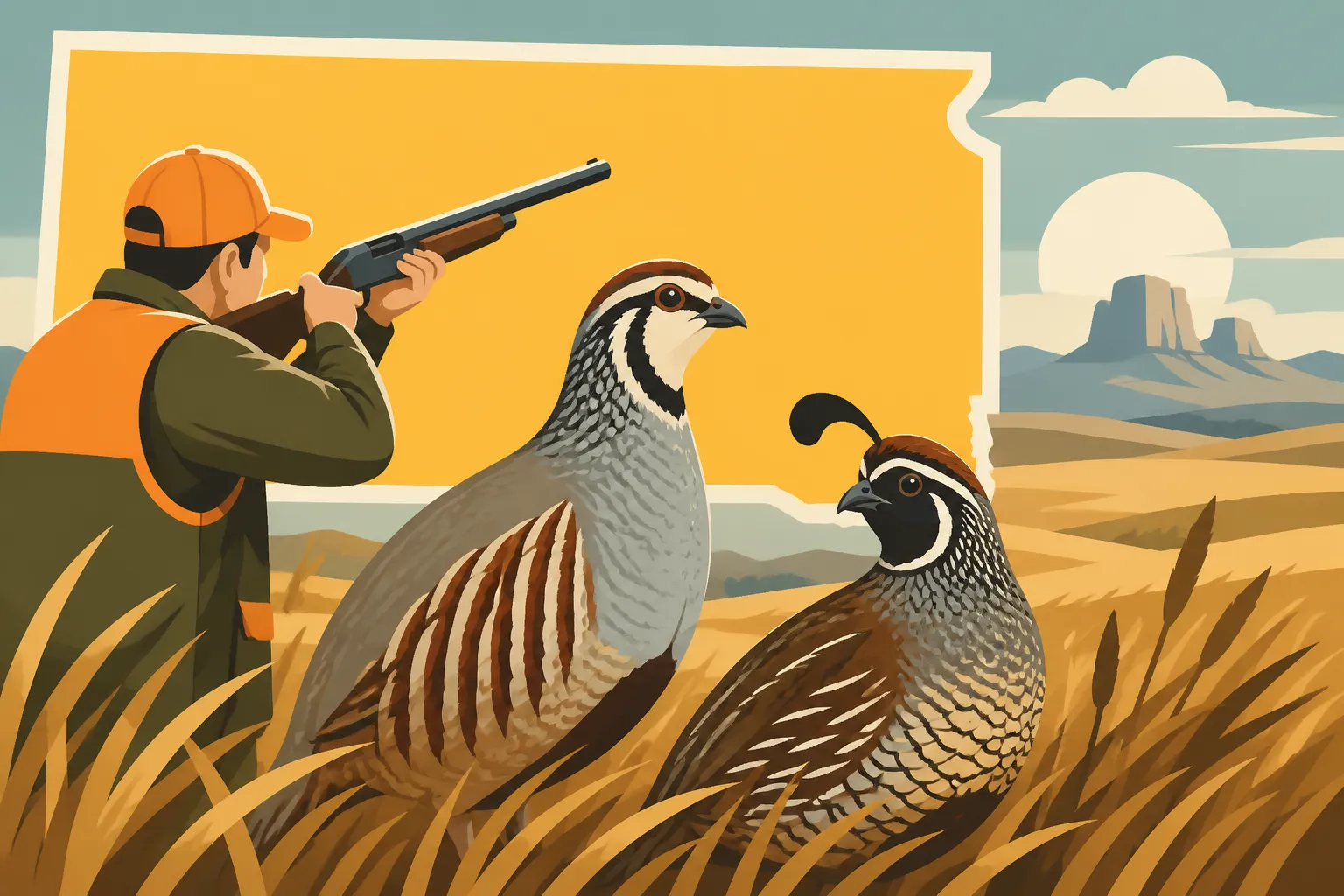
South Dakota Partridge and Quail Seasons
Many hunters dream of South Dakota pheasants, and for good reason – the state truly is the pheasant capital. But focusing solely on roosters means you might be missing out on some incredible, often less pressured, small game opportunities. If you've ever felt overwhelmed trying to decipher the specific regulations for other upland birds, or wondered where to even start looking, this guide is for you. We're diving deep into the often-overlooked yet incredibly rewarding world of South Dakota's partridge and quail seasons.
Understanding South Dakota's Small Game Landscape
South Dakota is undeniably synonymous with pheasant hunting, attracting legions of hunters from across the globe each fall. The sheer number of wild pheasants and the rich hunting culture are legendary. However, for those willing to broaden their horizons, the state offers a vibrant tapestry of other small game species that provide unique challenges and immensely satisfying hunts. Think of it as discovering a hidden gem right next to the famous landmark everyone flocks to. These alternative opportunities can offer a quieter, more intimate hunting experience, often away from the crowds that sometimes characterize the peak pheasant opener. It's a chance to explore different habitats, refine different hunting skills, and simply enjoy the prairie in a new light.
The Allure Beyond Pheasants: Partridge and Quail
While pheasants dominate the narrative, Hungarian partridge (often just called "Huns") and bobwhite quail hold a special place in the hearts of many seasoned South Dakota upland hunters. Huns are smaller, faster, and often found in open, rolling country, presenting a completely different kind of shooting challenge. They hold tight, explode with surprising speed, and are known for their distinctive cackle as they flush. Quail, on the other hand, offer that classic, explosive covey rise experience, often found in brushy cover along creek bottoms and field edges, reminiscent of hunting traditions in states further south.
The beauty of hunting Huns and quail in South Dakota lies in their distinct behaviors and preferred habitats. Pursuing Huns might mean long walks across stubble fields and sparse grasslands, relying on keen eyesight and good dog work to find these elusive birds. Quail hunting, conversely, often involves working thicker cover, searching for those tell-tale scent cones that indicate a covey is tucked away. Both species demand different approaches, making them fantastic birds for diversifying your upland experience. They can also often be found in areas where pheasant numbers might be lower, providing a great fallback plan or a dedicated pursuit for a different kind of challenge.
General Small Game Licensing Requirements
Before you even think about loading up your shotgun for Huns or quail, you need to make sure your licensing is in order. For both residents and non-residents, a valid South Dakota hunting license is essential. Non-residents typically need a Nonresident Small Game Licence, which covers pheasants, grouse, partridge, quail, and other small game. This license allows you to hunt for two separate five-day periods or one single 10-day period. Remember, you'll also need a Habitat Stamp, which is a crucial part of funding conservation efforts across the state. This helps ensure that the beautiful landscapes these birds call home remain healthy and accessible for future generations of hunters.
It’s always a good idea to double-check the current year’s regulations on the South Dakota Game, Fish and Parks (GFP) website, or through resources like GoHunt, which often compile up-to-date licensing information. The regulations can shift slightly year to year, especially concerning specific dates or limits, so staying informed is key. Don't forget, if you're a non-resident, understanding the nuances of the South Dakota Nonresident Hunting Licence Cost is vital to planning your trip effectively. Also, if you plan to hunt for pheasants as well, ensure your chosen license package covers all the species you intend to pursue, as there are often specific rules regarding South Dakota Pheasant Season and Licences.
South Dakota Partridge Season Details
Hungarian partridge are those feisty little grey ghosts of the prairie. Often overlooked, they provide some of the most challenging and rewarding upland hunting South Dakota has to offer. They thrive in landscapes that might seem too open for pheasants, making them a fantastic target for those who appreciate long walks and fast-flying birds. Their distinctive call and rapid flight make every flush an exciting event, and bringing one down is a true testament to quick reflexes and precise shooting.
Key Dates and Regulations for Hungarian Partridge
The South Dakota Hungarian partridge season generally runs concurrently with the pheasant season, kicking off around the third Saturday in October and extending through early January. This extended season gives hunters ample opportunity to pursue them, often alongside their pheasant hunts. The daily bag limit for partridge is typically 3 birds, with a possession limit of 15 birds. As with all small game in South Dakota, shooting hours usually begin at 10:00 a.m. CT and extend until sunset. This late start allows birds to move off their roosts and begin feeding, providing a more natural hunting experience and reducing pressure on birds in the early morning.
It's absolutely essential to verify these dates and limits each year. Wildlife management can adjust based on population surveys and environmental factors. Always consult the official South Dakota Hunting and Trapping Handbook or a reputable online resource like GoHunt for the most current information. Being caught unaware of a regulatory change can quickly turn a great hunting trip into a frustrating one. Keeping up with changes to the South Dakota Pheasant Season Structure might also provide insight, as the seasons often align, though bag limits and other specifics vary.
Habitat and Hunting Considerations for Huns
Hungarian partridge prefer areas with a mix of cultivated fields, undisturbed grasslands, and sparse brush. You'll often find them along field edges, in stubble fields (especially those left unplowed after harvest), and in areas with low-growing cover that offers both concealment and access to seeds and insects. Unlike pheasants that might prefer dense cattail sloughs, Huns like to be able to see around them, relying on their speed and camouflage to evade predators.
When hunting Huns, covering a lot of ground is usually key. They can be widely dispersed, so walking open areas, working fence lines, and focusing on transitions between different habitat types can be productive. A good pointing dog is an invaluable asset for Huns, as these birds are notorious for holding tight until you're right on top of them before erupting. However, even without a dog, careful, slow walking and keen observation can yield results. Look for their distinct tracks in light snow or dust, and listen for their "kee-yuk" call. If you're planning to hunt some of the state's public lands, consider areas that aren't primarily known for heavy pheasant cover. Remember to check out resources like the state's Hunting South Dakota Walk-In Areas guide to identify suitable spots.
South Dakota Quail Season Specifics
For those who love the explosive flush of a covey rise, South Dakota offers bobwhite quail hunting, primarily in the southeastern corner of the state. While not as widespread as pheasants or Huns, the state’s quail populations can provide an exciting challenge, particularly for hunters who enjoy working dense cover. The habitat for quail is quite specific, and finding it is half the battle, but the reward of a covey bursting from cover is unparalleled.
Season Dates and Bag Limits for Bobwhite Quail
The South Dakota bobwhite quail season is generally shorter and more localized than the partridge and pheasant seasons. It typically opens around the same time as pheasant opener in mid-October but often closes earlier, sometimes in late December. The daily bag limit for quail is usually 5 birds, with a possession limit of 15 birds. Like other small game, shooting hours are from 10:00 a.m. CT to sunset. Because the quail season is shorter and more restricted geographically, paying close attention to the specific dates each year is even more critical.
Again, never assume the dates are the same year over year. Always check the official South Dakota GFP regulations for the current hunting season. This is where a quick glance at the GoHunt app or the GFP website can save you a lot of grief. Given the more limited range of quail, any changes in population estimates or habitat conditions might lead to adjustments in season length or bag limits, so staying informed about specific zones and dates is paramount for a successful and legal hunt.
Where to Find Quail in South Dakota
South Dakota's quail populations are concentrated in the southeastern portion of the state, particularly in counties bordering Nebraska and Iowa. This region offers the brushy draws, creek bottoms, and field edges that bobwhites depend on. They need a mosaic of dense, protective cover for roosting and escape, intermixed with crop fields or weedy areas for foraging. Think thickets, plum brush, tall grass, and woody cover along riparian corridors – places where a pheasant might feel a bit too exposed, but a quail covey feels perfectly safe.
Hunting quail is often about finding that specific blend of cover. You'll want to focus your efforts along creek beds, old farmsteads with overgrown fence lines, and the edges of timber blocks. A good bird dog with a strong nose and a steady point is highly recommended, as quail are masters of holding tight in dense cover. When a covey flushes, be prepared for multiple birds exploding in different directions – it's a thrilling, albeit challenging, shooting scenario. While South Dakota Game Production Areas might hold birds, don't overlook private land if you can secure permission. Places like Game Production Areas Near Huron might offer suitable habitat, but always cross-reference with detailed maps for quail-specific cover. Learning to read aerial imagery to identify prime cover can be as effective as Reading Aerial Imagery for Cattail Cover when looking for pheasants, just focusing on different habitat characteristics.
Essential Gear and Tactics for Success
Hunting partridge and quail requires a slightly different approach than the typical pheasant drive. These birds are often smaller, faster, and more prone to holding tight or running. Having the right gear and employing smart tactics will significantly increase your chances of success and enjoyment, whether you're trudging through stubble fields for Huns or busting brush for bobwhites.
Recommended Gear for Upland Bird Hunting
Your shotgun choice is personal, but a lighter 20-gauge or even a 28-gauge is often preferred for these smaller, faster birds. It's quicker to shoulder and swing, which is crucial for those explosive flushes. Shot sizes like 7.5 or 6 are common, offering a good pattern density for the smaller body mass of partridge and quail. Beyond the gun, comfort and practicality are paramount. Durable, briar-resistant pants or chaps are a must, especially if you're chasing quail in thick cover. A good upland vest or game bag with plenty of shell loops and storage for harvested birds, water, and snacks is indispensable.
Footwear is another critical consideration. You’ll be covering miles, often through varied terrain. Comfortable, waterproof, and supportive boots are non-negotiable. While you might not be wading through water as deep as required for Boots for Walking Cattails All Day, you'll still encounter wet grass, mud, and uneven ground. Don’t forget appropriate layering. South Dakota weather can be notoriously fickle, with crisp mornings giving way to warm afternoons, or vice-versa. Being able to adjust your clothing will ensure comfort throughout the day, especially when considering Layering for South Dakota Wind. And of course, blaze orange is a legal and ethical requirement, ensuring you're visible to other hunters.
Best Practices for Ethical and Effective Hunting
Successful partridge and quail hunting, especially in South Dakota, relies heavily on thoughtful tactics and respect for the resource. If you're using a dog, ensure they are well-conditioned and hydrated. South Dakota can still be warm in the early season, and pushing a dog too hard can lead to serious issues. Always carry extra water for your canine companion, and be vigilant for burrs and other hazards that can plague a dog’s paws, as discussed in Dog Water and Burrs on the Prairie.
For partridge, covering ground systematically is important. If you find one covey, there are often others in similar nearby habitat. Pay attention to how the birds fly off; if they sail low, they might have landed just over a rise, offering a chance for a re-flush. For quail, slow and deliberate movement through dense cover is key. Trust your dog, and be ready for that sudden, chaotic flush. Always be aware of your surroundings, know your safe shooting lanes, and never shoot at birds on the ground. When it comes to accessing land, especially if you're not on designated public hunting areas like a South Dakota Walk-In Areas Explained property, always prioritize getting permission. Learning how to effectively approach a landowner, as covered in Asking a South Dakota Landowner for Permission, is a critical skill for any hunter seeking new opportunities. Even if you're familiar with Finding Private Land Access in South Dakota, courtesy and respect are paramount.
South Dakota Partridge and Quail Season Summary
To give you a quick overview of the typical season dates and limits, here's a handy table. Please remember, these are general guidelines, and it's always critical to consult the official South Dakota Game, Fish and Parks regulations for the current year before heading afield.
| Species | Typical Season Dates | Daily Bag Limit | Possession Limit | Shooting Hours | Primary Habitat |
|---|---|---|---|---|---|
| Hungarian Partridge | Mid-October to Early January | 3 | 15 | 10:00 AM – Sunset | Stubble fields, grasslands, field edges |
| Bobwhite Quail | Mid-October to Late December (Shorter) | 5 | 15 | 10:00 AM – Sunset | Brushy draws, creek bottoms, dense cover |
Note: Dates and limits are subject to annual changes by the South Dakota Game, Fish and Parks.
Disclaimer
The information provided in this guide is for general informational purposes only and is not intended as legal advice. Hunting regulations, season dates, and bag limits are subject to change annually by the South Dakota Game, Fish and Parks (GFP). Always consult the current year's official South Dakota Hunting and Trapping Handbook or the GFP website before participating in any hunting activities. Hunters are responsible for understanding and adhering to all applicable laws and regulations.