South Dakota Apprentice Hunting Rules
Bringing a new hunter into the fold can feel a bit overwhelming, especially with the labyrinth of regulations and mandatory hunter education. It’s a common frustration for seasoned hunters who want to share their passion, but often get bogged down by the initial hurdles. Thankfully, South Dakota's apprentice hunting rules offer a truly invaluable pathway, allowing newcomers to experience the thrill of the hunt under direct supervision before they commit to all the certification steps. This guide will walk you through everything you need to know about these rules, ensuring a smooth and safe introduction to the great outdoors for your apprentice.
What Exactly Is Apprentice Hunting in South Dakota?
The core idea behind apprentice hunting in South Dakota is pretty simple: it’s a structured mentorship program designed to ease new hunters, especially youth, into the sport. Instead of throwing them into the deep end with a full hunter education course right off the bat, it provides a "try before you buy" opportunity. An apprentice hunter can hit the field with a licensed, experienced mentor and learn the ropes firsthand, building confidence and understanding before they're required to complete the full hunter safety certification.
The Philosophy Behind Apprentice Hunter Programs
At its heart, apprentice hunting isn't just about getting a license; it's about hunter recruitment and retention, which are vital for the future of wildlife conservation. Many states, including South Dakota, recognize that traditional barriers, like the time commitment for hunter education, can deter potential new participants. By allowing supervised hunting, these programs aim to foster a love for hunting and conservation in a practical, hands-on environment. It’s about passing on the heritage, teaching ethical practices, and ensuring that the next generation understands the importance of responsible outdoor stewardship. This approach is critical for ensuring that wildlife populations continue to be managed and funded through hunting license sales for years to come.
Who Qualifies as an Apprentice Hunter
In South Dakota, an apprentice hunter is typically an individual who has not yet completed a hunter safety course but wants to try hunting under the direct supervision of an authorized mentor. While age requirements can vary slightly depending on the specific species or season, the general rule is that anyone who meets the minimum age to legally hunt a specific game animal can be an apprentice, as long as they haven't passed hunter education. For instance, a 12-year-old who wants to hunt pheasants can get an apprentice license. There are special considerations for younger hunters, for example, the South Dakota Youth Pheasant Dates which allows 10- and 11-year-olds to hunt with an apprentice license and an adult mentor during specific periods. It's crucial that this is their first step into hunting, serving as a gateway, not a permanent bypass of education.
Designated Mentors and Their Responsibilities
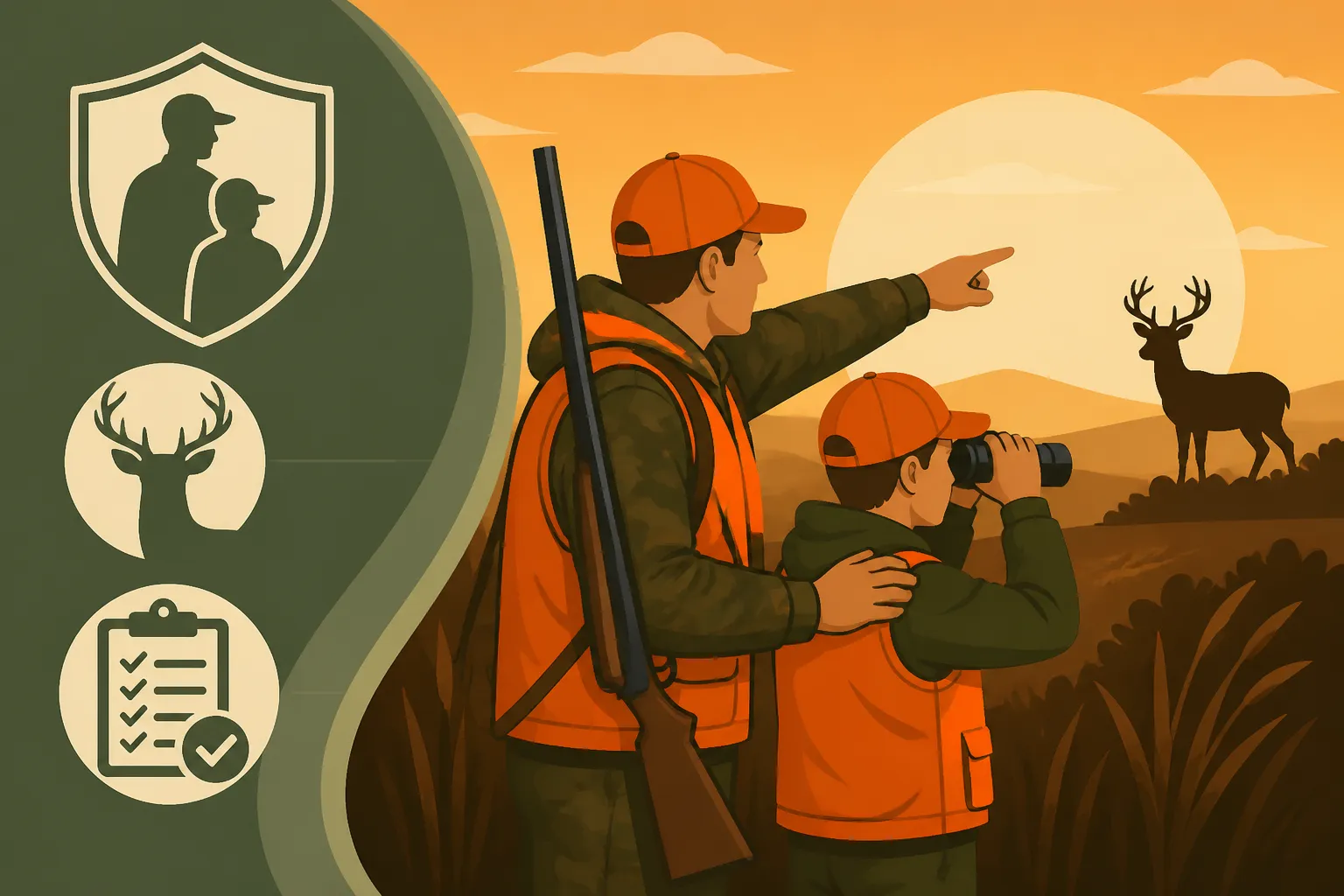
The mentor is truly the backbone of the apprentice hunting program. In South Dakota, a designated mentor must be at least 18 years old and hold a valid hunting license for the game being hunted. More importantly, they must be a responsible, experienced hunter. Their primary responsibility is direct and continuous supervision of the apprentice. This isn't just about being in the same field; it means being close enough to immediately provide instruction, guidance, and ensure safety. The mentor needs to be "within arm's length" of the apprentice when handling firearms and maintain a line of sight at all times. They’re tasked with teaching firearm safety, ethical shot placement, game identification, and adherence to all hunting laws. Preparing for an apprentice hunt involves a lot of scouting and planning; a tool like GoHunt can be invaluable for mentors looking to understand terrain, identify potential hunting areas, and even locate South Dakota Walk-In Areas where an apprentice can gain public land experience. Mentors are not just guides; they are educators, safety officers, and role models all rolled into one.
Key Regulations for Apprentice Hunters in South Dakota
Navigating the regulations can seem daunting, but once you understand the core principles, it’s quite straightforward. South Dakota has specific rules to ensure safety and a proper learning environment for apprentice hunters. These aren't meant to be roadblocks but rather guardrails to foster responsible participation.
Age Requirements and Restrictions
South Dakota's apprentice hunting program is generally open to individuals age 12 and older who have not completed a hunter education course. However, as mentioned earlier, there are specific youth hunting seasons, such as for pheasants, where children as young as 10 or 11 can participate as apprentices under direct adult supervision. For big game, like deer or antelope, the minimum age to apply for a license is typically 12. It's important to remember that the apprentice can only hunt species for which they have a valid apprentice license. For example, if they have an apprentice pheasant license, they can’t legally hunt deer. The age also dictates what type of weapon they can use and where, reinforcing the need for strict adherence to all laws, which a seasoned hunter should review with their apprentice before heading out.
Licensing and Permit Specifics
An apprentice hunter in South Dakota needs to purchase a specific "Apprentice Hunting License." This license essentially waives the hunter education requirement for a limited period, typically for a single license year or for a specific number of times, depending on the game species. For big game, the apprentice license is usually a one-time opportunity; after that, they'll need to complete hunter education to continue hunting big game in subsequent years. For small game, the apprentice license can often be renewed. Critically, the apprentice must also possess all other necessary tags, stamps, and permits required for the game they are pursuing. This might include a federal duck stamp for waterfowl, for example, or specific tags for big game draws. While the apprentice license covers the hunter education waiver, it doesn't exempt them from things like South Dakota Nonresident Hunting Licence Cost or South Dakota Habitat Stamp Requirements which are standard for all hunters. It’s always best to check the current South Dakota Game, Fish and Parks (GFP) regulations handbook or their website before purchasing licenses, as rules can occasionally be updated.
Supervision and Safety Guidelines
This is perhaps the most critical aspect of apprentice hunting. The South Dakota regulations explicitly state that an apprentice hunter must be under the direct and continuous supervision of a qualified mentor. This isn't just a recommendation; it's a legal requirement. "Direct and continuous supervision" means the mentor must be within arm's length of the apprentice when a firearm is being handled and within normal voice communication and visual contact at all other times while hunting. This ensures immediate intervention if a safety issue arises or if the apprentice needs guidance on game identification or ethical decision-making.
Safety discussions are paramount before, during, and after the hunt. The mentor is responsible for teaching and enforcing the fundamental rules of firearm safety, including muzzle control, trigger discipline, and target identification. It's about instilling good habits from day one. Proper gear, like wearing the required South Dakota Blaze Orange Requirements for upland bird or big game hunting, is also part of the safety brief. Mentors should also consider general outdoor safety, like packing a First Aid Kit for a Prairie Hunt and understanding how to deal with potential hazards in the field. This hands-on, one-on-one teaching is often far more effective than just reading a manual, especially when applied in a real-world scenario.
Here's a quick overview of key rules for South Dakota apprentice hunting:
| Requirement | Details |
|---|---|
| Age | Generally 12 years and older. Some youth seasons allow 10-11 year olds for small game. |
| Hunter Education | Not required initially for the apprentice license. |
| Mentor Age | At least 18 years old. |
| Mentor License | Must hold a valid hunting license for the species being hunted by the apprentice. |
| Supervision | Direct and continuous. Mentor must be within arm's length when firearm is handled, and within voice/visual contact at all other times. |
| License Type | Apprentice Hunting License required for the apprentice. |
| Big Game Limit | Usually a one-time opportunity for big game (apprentice must complete hunter education for subsequent big game hunts). |
| Other Permits | All other required tags, stamps (e.g., Federal Duck Stamp), and permits are still necessary for both mentor and apprentice. |
Benefits and Common Misconceptions of Apprentice Hunting
The apprentice hunting program is a fantastic asset for South Dakota, benefiting both individuals and the wider hunting community. However, like any program, it sometimes faces misunderstandings. Clearing up these misconceptions helps ensure everyone can make the most of this opportunity.
Nurturing the Next Generation of Hunters
The most significant benefit of the apprentice program is its role in South Dakota Mentored Youth Hunts and hunter recruitment. With fewer people growing up in hunting traditions, these programs are essential for preserving the sport. By providing an accessible entry point, they remove the initial barrier of hunter education, allowing potential hunters to test the waters. This direct, personal mentorship is incredibly powerful. Imagine a young person's excitement when they successfully call in their first pheasant while learning Pheasant Hunting Etiquette on Public Ground from a trusted adult. That initial positive experience is far more likely to lead to long-term participation than just reading a textbook. It's about inspiring a passion for the outdoors and conservation, which in turn helps secure funding and political support for wildlife management in the state. Furthermore, it strengthens family bonds and community ties, as experienced hunters share their knowledge and values with newer generations.
Dispelling Myths About Apprentice Hunts
One common misconception is that apprentice hunting is a "shortcut" or an "easy way out" of hunter education. This couldn't be further from the truth. The program is specifically designed as an introductory phase. For big game, it's often a one-time use, meaning that after their first apprentice big game hunt, the individual must complete South Dakota Hunter Safety Requirements before they can hunt big game again in subsequent years. Even for small game, while the apprentice license might be renewable, the expectation is that participants will eventually complete their hunter education.
Another myth is that safety standards are relaxed for apprentice hunters. Absolutely not. As discussed, the mentor's direct supervision ensures that safety is prioritized even more rigorously. The apprentice is constantly learning best practices for firearm handling, shot placement, and field safety. The mentor is legally responsible for the apprentice's adherence to all regulations, making safety a continuous and active focus throughout the hunt. Learning to stay safe and ethical while hunting South Dakota Ring-Necked Pheasants or White-Tailed Deer Across South Dakota is paramount.
Making the Most of an Apprentice Hunting Opportunity
For both mentors and apprentices, maximizing this opportunity involves thorough preparation and a commitment to learning. For the mentor, it means being patient, prioritizing safety above all else, and making the experience enjoyable and educational. It's not just about harvesting game; it's about teaching respect for wildlife, understanding habitat, and the importance of conservation. Utilize resources like Scouting South Dakota Public Ground Before the Season to find suitable areas, and plan for different scenarios. Platforms like GoHunt can assist with detailed mapping and public land information, helping you identify prime spots and access points.
For the apprentice, it's about being engaged, asking questions, and soaking up all the knowledge the mentor has to offer. Treat every moment in the field as a learning opportunity, from proper firearm handling to Layering for South Dakota Wind and weather. Even if the hunting isn't successful in terms of harvest, the experience of being outdoors, learning about wildlife, and spending quality time with a mentor is invaluable. This foundation of practical experience often makes the subsequent hunter education course much more relevant and understandable, preparing them to become fully certified, responsible hunters in their own right. If a mentor wants to direct their apprentice to an online option, they could even reference the South Dakota Hunter Safety Online Course for future use.
Disclaimer
The information provided in this article is for general guidance only and does not constitute legal advice. Hunting regulations, license requirements, and season dates in South Dakota can change. It is the responsibility of every hunter to consult the most current South Dakota Game, Fish and Parks (GFP) hunting regulations handbook and local laws before participating in any hunting activity.