Can Nonresidents Draw South Dakota Sheep?
The dream of drawing a bighorn sheep tag is a powerful one for many hunters, a true pinnacle of big game pursuits. For nonresidents looking at South Dakota, it often feels like an impossible feat, a lottery stacked against them from the start. This guide aims to pull back the curtain on South Dakota's bighorn sheep draw, explaining the realities, the application process, and what it truly means for an out-of-state hunter hoping to pursue one of these magnificent animals in the rugged Black Hills.
The Elusive Bighorn: A Nonresident's Dream
For many, the bighorn sheep represents the ultimate big game challenge—a symbol of wild, untamed mountains and perseverance. South Dakota’s Black Hills are home to a small, but cherished, bighorn sheep population, making any tag for them incredibly rare and sought-after. If you're coming from out of state, it’s easy to feel like you’re trying to win the mega-millions with a single ticket, and honestly, that feeling isn’t far from the truth when it comes to bighorn sheep in South Dakota.
Understanding South Dakota's Bighorn Management
South Dakota’s bighorn sheep story is one of persistence and careful management. The original bighorn sheep population in the Black Hills was extirpated by the early 1900s due to disease and overhunting. Reintroduction efforts began in the 1960s with sheep from other states, and over the decades, the herd has slowly but steadily grown, primarily concentrated in the rough, steep terrain of the Black Hills. However, this isn’t a sprawling population. These are small, isolated herds that require constant monitoring and are susceptible to disease, such as pneumonia, which can decimate numbers quickly. Because of these challenges, the South Dakota Game, Fish and Parks (GFP) manages the population very conservatively, issuing only a handful of tags each year to ensure the long-term health and growth of the herd. You can learn more about the broader efforts to manage these unique animals in the article, Bighorn Sheep and Mountain Goats in South Dakota.
The Nonresident Allocation Reality
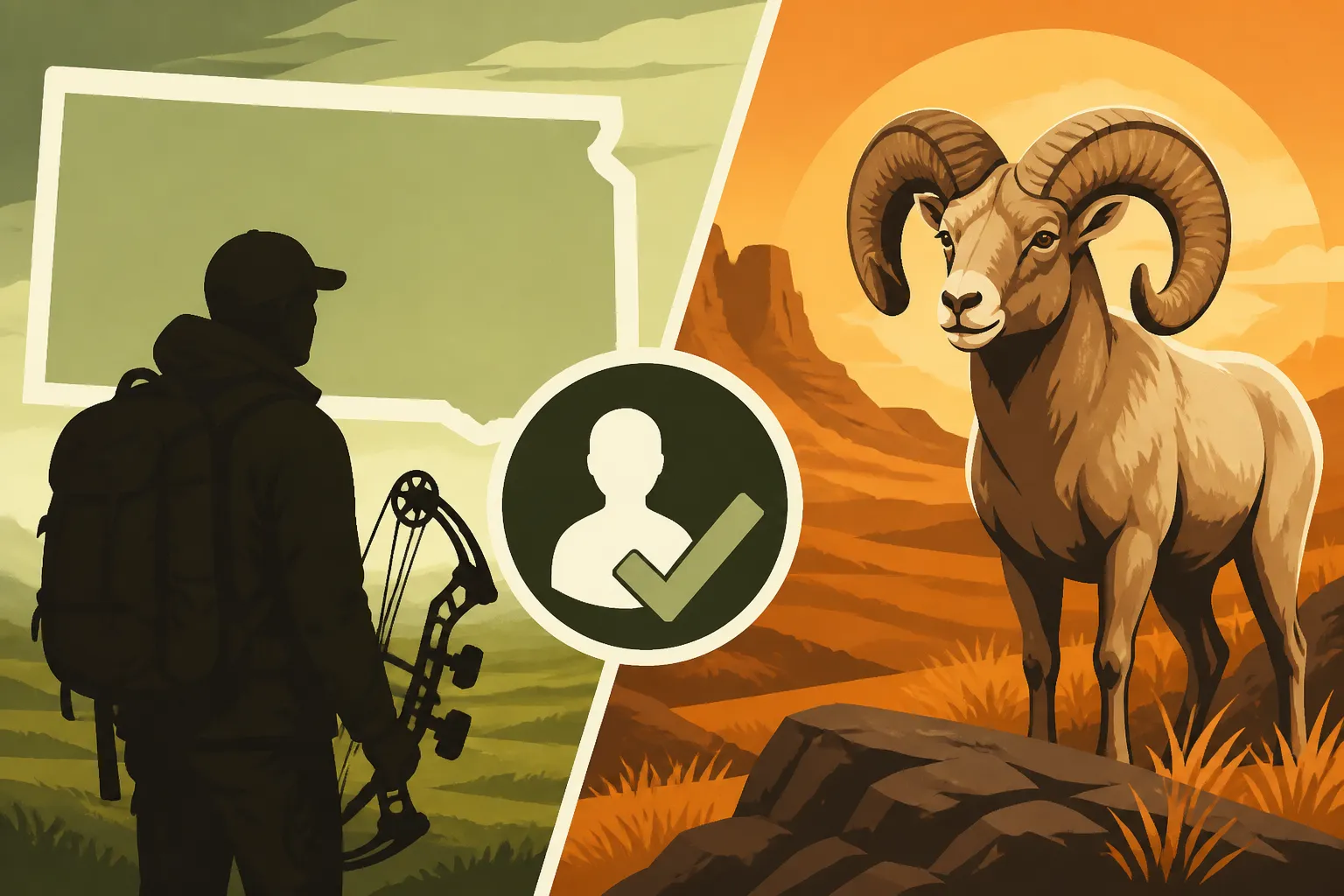
This brings us to the core question: Can nonresidents draw a South Dakota bighorn sheep tag? The answer is a resounding yes, but with a massive asterisk. The South Dakota GFP generally allocates a maximum of one bighorn sheep tag to a nonresident each year, if any. In some years, no nonresident tag is offered at all, or it might be an "any sheep" tag, which could include a ewe. The number of tags for residents is also incredibly low, typically ranging from 5 to 8 tags statewide in a given year, depending on population surveys and herd health. When you consider the vast number of applicants for such a limited resource, particularly when only one tag (or zero) is available for nonresidents, the odds become astronomical. It’s a true lottery in every sense of the word.
To put this into perspective, let's look at a hypothetical scenario:
| Applicant Type | Total Tags Available (Example) | Average Applications (Hypothetical) | Odds (Rough Estimate) |
|---|---|---|---|
| Resident | 5-7 | 1,000-2,000 | 1:200 to 1:400 |
| Nonresident | 0-1 | 500-1,000 | 1:500 to 1:1000 (if 1 tag) or 0 (if 0 tags) |
These numbers are purely illustrative but highlight the immense challenge. You're not just competing with other nonresidents; you're vying for one of the rarest tags in the country. Detailed historical data on South Dakota Bighorn Draw Odds would reveal just how steep the climb is for anyone, let alone an out-of-state hunter.
Navigating the South Dakota Draw System
Applying for a South Dakota bighorn sheep tag is a straightforward process, but understanding its nuances is crucial, especially for nonresidents. Unlike some other Western states that have complex preference or bonus point systems for sheep, South Dakota’s bighorn draw operates quite differently.
Preference Points Versus Bonus Points
Here's a critical piece of information: South Dakota's preference point system, which applies to species like deer and antelope, generally does not apply to bighorn sheep, mountain goat, or once-in-a-lifetime elk tags. This means there's no way to "build points" over years to increase your odds for a bighorn sheep tag. Every applicant, whether it's their first time applying or their twentieth, starts on a level playing field in the bighorn draw each year. This is a significant departure from how the system works for other species, as detailed in South Dakota Preference Points Explained. For bighorn sheep, it's a pure lottery system, which, while frustrating for those who like to "earn" their way, also means every single application has an equal, albeit tiny, chance.
Application Deadlines and Process
Staying on top of application deadlines is paramount, as missing even one can set your dream back an entire year. The application period for South Dakota's bighorn sheep draw typically opens in late spring or early summer, with a deadline usually in late July or early August. These dates can shift slightly each year, so it’s always best to consult the official South Dakota GFP website or the annual hunting regulations.
The application process is typically done online through the GFP licensing portal. You'll need to create an account, provide your personal information, and select the bighorn sheep draw. There's an application fee, and if you're successful, you'll pay the full tag fee at that time. Given the high demand and extremely low odds, some hunters find it useful to use resources like GoHunt, which often compile application deadlines, draw odds, and other crucial information for various state draws, including South Dakota. This can help ensure you don't miss the window. Remember, the South Dakota Bighorn Sheep Applications page on the GFP website will be your ultimate source for the most current information.
Maximizing Your Chances (However Slim They Are)
Let’s be realistic: the odds are stacked against you as a nonresident applying for a South Dakota bighorn sheep tag. But that doesn’t mean you shouldn’t try! For many, it's about buying a lottery ticket for a hunt of a lifetime. There are still ways to approach this process strategically.
Strategic Application Approach
The most crucial "strategy" for drawing a bighorn sheep tag in South Dakota is simple: apply every single year. Since there are no preference points for bighorns, consistency is your only ally. It’s a pure numbers game, and the more years you’re in the hat, the more chances you have for your number to be drawn. Don’t get discouraged by the low odds; remember that someone wins that single nonresident tag when it's offered.
Another aspect to consider is ensuring your application is flawless. Double-check all personal information, payment details, and selected choices. Any error could lead to your application being rejected, and with such limited opportunities, you don't want to throw away a chance over a technicality. While GoHunt might offer planning tools, always finalize your application directly through the official South Dakota GFP portal. Understanding the general process for all big game draws, as outlined in South Dakota Big Game Draws and How to Apply, can help you navigate the specific bighorn process with greater confidence.
Alternative Opportunities and "Once-in-a-Lifetime" Tags
Beyond the general public draw, there are other avenues, albeit even more exclusive, to pursue a South Dakota bighorn sheep. The most prominent is the Governor's Tag, also known as a "Heritage Tag." This is a single bighorn sheep tag that is typically auctioned off annually by a conservation organization (like the Wild Sheep Foundation) to raise funds for wildlife conservation efforts in the state.
The Governor's Tag goes for a very significant sum, often in the hundreds of thousands of dollars, making it accessible only to a select few. However, it does represent a guaranteed tag, and it can be purchased and used by a nonresident. This is considered a "once-in-a-lifetime" opportunity, not in the sense of the draw, but due to its rarity and cost. South Dakota has specific regulations governing these Once-in-a-Lifetime Rules in South Dakota, ensuring that these special tags contribute significantly to conservation while also maintaining equity within the hunting community. It’s worth being aware of, even if it's out of reach for most of us. For those also interested in other incredibly rare draws, it’s worth investigating South Dakota Mountain Goat Applications as well, as they share similar extreme odds and once-in-a-lifetime status.
What to Expect if You Beat the Odds
Let's imagine you're one of the incredibly fortunate few. You've beaten the astronomical odds, and the South Dakota GFP notification arrives: you drew a nonresident bighorn sheep tag! This isn't just a tag; it's an invitation to a hunt that many dream of but few experience.
The Hunt of a Lifetime
A South Dakota bighorn sheep hunt in the Black Hills will be physically demanding, mentally challenging, and utterly unforgettable. These hunts typically take place in rugged, steep canyons and timbered slopes, demanding excellent physical conditioning. You'll likely spend days glassing open faces and rocky outcrops, searching for the tell-tale white patch of a ram's rump or the curl of its horns against the grey rock. The hunting is often spot-and-stalk, requiring patience, stealth, and a keen understanding of wind and terrain. This is not a hunt for the faint of heart or those unprepared for significant exertion. It’s a true wilderness experience in some of the most beautiful, yet unforgiving, parts of the state. Hunters often spend a lot of time in areas similar to those where one might employ Black Hills Elk Hunting Tactics, navigating challenging landscapes.
Preparation and Logistics
Once you draw that coveted tag, your preparation needs to kick into high gear. This isn't a hunt you just "wing."
- Physical Conditioning: Start training immediately. Focus on hiking with weight, incline training, and overall endurance. The Black Hills are not towering peaks like some Western ranges, but they are incredibly steep, rocky, and can be deceptive.
- Scouting: While physical scouting might be difficult for a nonresident, utilize e-scouting tools like satellite imagery and topographical maps extensively. Identify potential sheep habitat, bedding areas, and travel corridors. Resources for Scouting a South Dakota Unit From Home can be immensely helpful.
- Gear: Invest in top-tier optics (spotting scope, high-quality binoculars), a reliable rifle sighted in for long-range accuracy, and durable, comfortable hiking boots. Layers of clothing are essential to adapt to changing mountain weather.
- Guide Consideration: While not mandatory, many successful bighorn hunters, especially nonresidents, opt to hire an experienced guide. A guide will have intimate knowledge of the terrain, sheep behavior, and where to find rams. They can be invaluable in maximizing your limited time on such a rare hunt.
- Logistics: Plan your travel, accommodation, and game care carefully. You'll be hunting in areas like the Black Hills National Forest Hunting, which requires an understanding of access points, regulations, and often necessitates a base camp. Field dressing and getting a sheep out of steep terrain is a significant undertaking that needs to be planned for. Remember, your South Dakota Nonresident Licence Costs will be a part of your overall expense, so budget for the entire trip thoughtfully.
Drawing a South Dakota bighorn sheep tag as a nonresident is a monumental achievement, a testament to incredible luck and consistent effort. It's a journey from a dream to a reality that few ever get to undertake, culminating in a hunt that will test your limits and reward you with memories to last a lifetime.
Disclaimer
The information provided in this guide is for general informational purposes only and does not constitute legal advice. Hunting regulations, application deadlines, and draw odds are subject to change by the South Dakota Game, Fish and Parks. Always consult the official South Dakota GFP website and current year's hunting regulations for the most accurate and up-to-date information before applying for any license or heading afield.