South Dakota Reservoir Hunting Access
For many hunters, the vast reservoirs carved by the Missouri River in South Dakota can feel like an insurmountable barrier to finding game. It’s easy to look at those massive bodies of water and wonder where you can even begin to step foot, let alone hunt. This guide aims to demystify hunting access around these expansive reservoirs, helping you understand where to go, what to look for, and how to navigate the unique challenges they present.
Understanding South Dakota's Missouri River Reservoirs
The Missouri River in South Dakota isn't just a river; it's a series of massive reservoirs that completely reshape the landscape. These impoundments, created by large dams, offer incredible recreational opportunities, but for hunters, they present a unique set of challenges and, more importantly, opportunities. You’re not just looking at a riverbank; you’re navigating thousands of acres of fluctuating shorelines, islands, and adjacent public and private lands.
The Big Three: Oahe, Sharpe, and Francis Case
When we talk about hunting the South Dakota reservoirs, we're primarily focused on three giants: Lake Oahe, Lake Sharpe, and Lake Francis Case. These aren't just big; they are huge, dominating the landscape from central South Dakota down to the southern border. Each has its own character, its own unique access points, and its own set of game animals that utilize its diverse habitats. The sheer scale can be daunting, but with a little understanding, you can pinpoint areas that offer fantastic hunting.
Lake Oahe, stretching from Pierre all the way north into North Dakota, is the largest of the three. Its immense size means a huge variety of terrain, from steep, eroded bluffs to more gentle, grass-covered slopes. Further south, Lake Sharpe is a narrower, faster-flowing reservoir between Pierre and Fort Thompson, often feeling more like a wide river than a lake. Finally, Lake Francis Case, from Fort Thompson to Pickstown, offers a mix of broad expanses and more intricate arms and bays. Understanding these distinctions is key to developing a game plan for hunting these impressive waters.
The Role of the Army Corps of Engineers
Much of the land directly adjacent to and underneath these reservoirs is managed by the U.S. Army Corps of Engineers (USACE). This is a crucial detail for hunters because it means a significant amount of potential public access. The Corps manages these lands for flood control, hydropower generation, recreation, and wildlife habitat, among other things. Their jurisdiction extends above the normal water line, often encompassing much of the shoreline and adjacent uplands.
This management means that while you might be looking at what appears to be private farmland bordering the water, there's often a strip of Corps-managed public land between the private boundary and the actual shoreline. Knowing this can open up vast stretches of hunting ground that might otherwise seem inaccessible. Always remember that Corps land comes with its own set of rules and regulations, so it's vital to do your homework and understand what's permitted. The Corps of Engineers Land Along South Dakota's Missouri River can be a goldmine for those willing to do the research.
Accessing Reservoir Hunting Areas
Getting to hunting spots on or around South Dakota's reservoirs often requires a different approach than typical upland or big game hunting. It's not always about pulling off a gravel road and walking; sometimes, it involves boats, precise mapping, and a good understanding of land boundaries.
Navigating Shoreline and Upland Access
The most straightforward way to access reservoir hunting areas is often via shoreline access points or through adjacent public upland areas. Many boat ramps and public parks provide direct access to the water's edge. From there, you can often walk the shoreline, looking for waterfowl hiding in cattails or deer bedding in brushy draws leading down to the water. In many cases, these access points are well-marked on mapping applications like onX Hunt, which can show the transition from private to public land very clearly.
Beyond the immediate shoreline, look for designated public hunting areas like Game Production Areas (GPAs) or Walk-In Areas (WIAs) that might border the reservoir. These uplands provide excellent habitat for pheasants, deer, and other game, and their proximity to the water can be a huge draw, especially for waterfowl that might feed in nearby fields or deer that use the dense cover along the river for escape and bedding. Sometimes, the land is actually School and Public Lands, managed by the state, which also allows hunting. Always check the boundaries meticulously, especially when scouting for South Dakota Whitetail Hunting in River Bottoms.
Boat Access to Missouri River Islands and Remote Shorelines
For many serious waterfowl and deer hunters, a boat is an indispensable tool for hunting the Missouri River reservoirs. A boat allows you to reach islands, remote points, and stretches of shoreline that are impossible to access by foot or vehicle. These secluded areas often hold less pressured game, offering a more pristine hunting experience. Think about those hidden coves where ducks might loaf undisturbed or islands with thick brush that offer perfect bedding cover for deer.
However, boat access comes with its own considerations. Water levels on these reservoirs can fluctuate dramatically, especially later in the season, which can expose sandbars or create new hazards. Always be aware of weather conditions; the Missouri River can turn from calm to treacherous in a matter of minutes with strong prairie winds. Large watercraft, capable of handling choppy conditions, are often necessary. Moreover, understanding the exact land ownership of islands or remote shorelines is crucial. While many are Corps-managed and public, some islands might be private property, and trespassing laws still apply even if you've arrived by water. Using a robust mapping app like onX Hunt to double-check land ownership before you step ashore is highly advisable.
Hunting Opportunities Around the Reservoirs
The diverse habitats created by these large reservoirs support a wide array of game species, making them appealing to different types of hunters. From the abundant waterfowl to big game and even some upland birds, there’s something for everyone.
Waterfowl Haven: Ducks and Geese
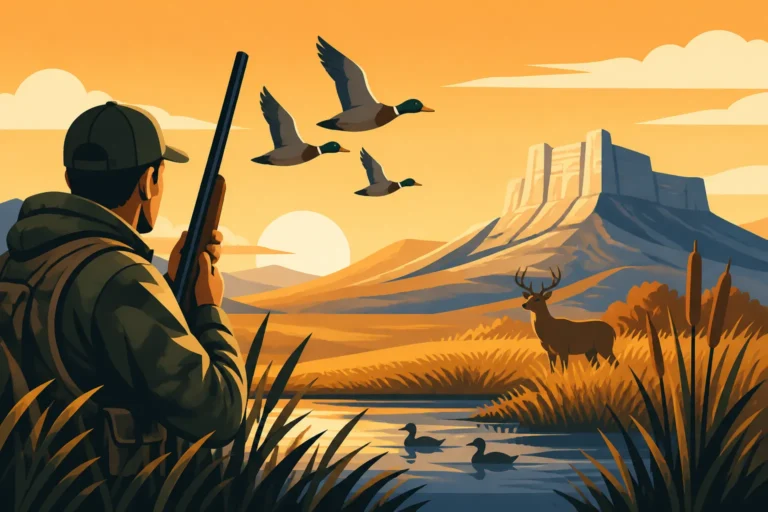
It's no secret that the Missouri River reservoirs are a major artery in the Central Flyway, making them absolutely vital for migrating waterfowl. Ducks of all varieties—mallards, pintails, wigeon, gadwall, and various divers—utilize these waters, as do Canada geese and, during the spring conservation order, massive flocks of snow geese. Hunters often target these birds from shore blinds, boat blinds, or by Decoying Ducks on a South Dakota Prairie Pothole in smaller bays and pockets.
The key to successful waterfowl hunting on the reservoirs lies in scouting and understanding bird patterns. Where are they loafing during the day? Where are they feeding in nearby fields? The sheer size of the water means birds have endless places to go, so narrowing down high-percentage areas is crucial. This might mean watching for concentrations of birds from a distance with binoculars, or even using a boat to quietly explore different arms and bays. Early mornings, when birds are flying from roosts to feed, and evenings, when they return, are often the most productive times. Understanding South Dakota Duck Season Zones and limits is, of course, essential.
Deer Hunting: Whitetails and Sometimes Mule Deer
While many think of the open prairie for deer hunting in South Dakota, the Missouri River corridors, including the reservoir areas, offer fantastic opportunities for both white-tailed deer and, in some West River sections, even mule deer. The dense timber, brushy draws, and river breaks provide excellent cover, food, and water for deer, especially mature bucks. These areas can be incredibly challenging to hunt due to the thick cover and often rugged terrain, but they can be very rewarding.
Hunters often focus on the timbered fringes of the reservoirs, the mouths of feeder creeks, and any islands that offer dense, undisturbed cover. Stand hunting, either from a treestand or ground blind, can be effective in areas where deer funnel along the shoreline or travel through thick river bottom cover. Tracking is another viable tactic, especially during the late season when snow might expose fresh sign. Access is again a primary consideration; many of these prime deer areas are best reached by boat to avoid long, arduous walks through challenging terrain. Knowing the specific unit boundaries for deer hunting, as found on the South Dakota Deer Licence Types by Region information, is critical.
Upland Birds Along the Edges
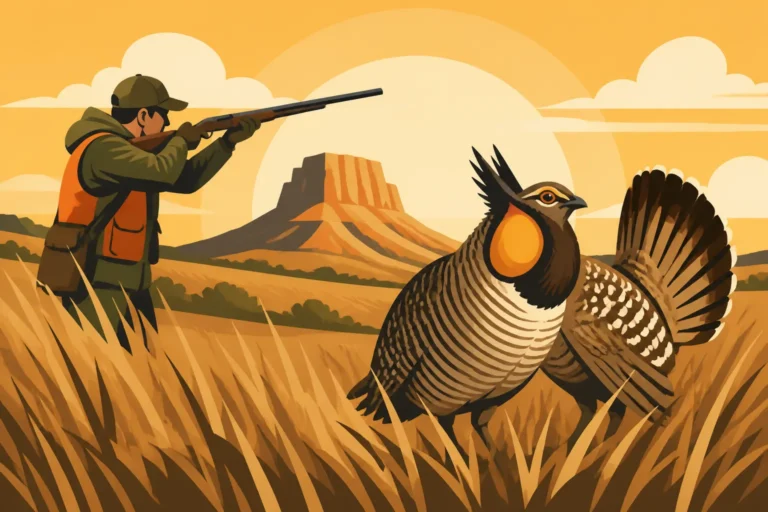
Though not as prominently associated with the reservoirs, upland birds like pheasants and even prairie grouse can be found in the adjacent uplands. Areas where grass, cattails, and brush transition from the water's edge to cultivated fields or thicker cover can hold these birds, particularly pheasants. They often seek refuge in the dense cover along the water, especially during colder weather or when hunting pressure pushes them out of more open fields.
Look for pockets of cover that extend inland from the shoreline. These might be small draws filled with plum thickets, dense stands of cattails, or unharvested patches of corn adjacent to Corps land. Walking these edges with a good bird dog can be incredibly productive. It's often a mix of hunting tactics, combining the pursuit of waterfowl on the water with a quick foray into the shoreline cover for a rooster. Remember to carry your South Dakota Pheasant Season and Licences as well as your Federal Duck Stamp, as many of these areas are multi-species opportunities.
Navigating Regulations and Public Land Tools
Hunting these expansive public lands comes with responsibility. Understanding the rules and utilizing available resources is not just smart hunting; it's essential for a successful and legal experience.
Understanding South Dakota's Public Hunting Atlas
The single most important tool for hunting public land around South Dakota's reservoirs, or anywhere else in the state, is the South Dakota Game, Fish and Parks (SDGFP) Public Hunting Atlas. This incredible resource, available both online and as a downloadable app, clearly delineates all public hunting lands, including Walk-In Areas (WIAs), Game Production Areas (GPAs), National Grasslands, and, crucially for reservoir hunters, Corps of Engineers land. Before you ever leave home, spend time poring over this atlas. It will show you exactly where the public ground is, helping you identify potential access points and hunting spots.
The atlas is regularly updated, so make sure you have the most current version. Pay close attention to the legends and any specific rules for each land type. For example, some areas might be foot traffic only, while others allow vehicle access on designated trails. Ignorance of boundaries is not an excuse for trespassing, and the atlas is your best defense against inadvertently stepping onto private land. Using the South Dakota Public Hunting Atlas is a non-negotiable step for any hunter in the state.
Using Mapping Technology for Precision
Beyond the state's atlas, modern mapping applications like onX Hunt are invaluable for reservoir hunting. These apps overlay land ownership boundaries onto satellite imagery, allowing for incredible precision in the field. You can see exactly where public land ends and private land begins, track your movements, mark waypoints for promising areas, and even measure distances to plan your stalks or retrieves. For hunting the complex and often ill-defined edges of reservoir lands, this technology can be a game-changer.
GoHunt also offers excellent resources for Western hunting, and while South Dakota's reservoirs aren't traditionally "Western" in the same way as mountain ranges, the principles of e-scouting, understanding draw odds (for big game tags in nearby units), and planning logistics are perfectly applicable. While GoHunt might not specifically detail every small cove on Lake Sharpe, its broader scope on overall hunting strategy and state-by-state breakdowns can complement local tools. The ability to drop pins on a potential blind site or a deer trail leading to water is a significant advantage, particularly when trying to navigate vast and featureless stretches of shoreline or island complexes. Finding Property Lines in South Dakota has never been easier than with these tools.
| Reservoir Name | Key Characteristics | Primary Game Species | Common Access Challenges | Best Approach |
|---|---|---|---|---|
| Lake Oahe | Largest, deep, steep bluffs, numerous large arms | Waterfowl, Whitetail, Mule Deer | Wind, vastness, remote access | Boat for islands/remote bluffs |
| Lake Sharpe | Narrower, river-like, more consistent flow | Waterfowl, Whitetail | Current, limited shoreline cover | Shoreline blinds, smaller boat |
| Lake Francis Case | Broad bays, shallower in areas, diverse shoreline | Waterfowl, Whitetail | Fluctuating water, access points vary | Combination boat/shoreline walk |
Practical Tips for Reservoir Hunting
Hunting the South Dakota reservoirs offers unique rewards, but it also demands a unique set of skills and precautions. Being prepared can make all the difference between a frustrating trip and a memorable one.
Water Safety and Equipment Essentials
Safety on big water is paramount. The Missouri River reservoirs are huge and can be dangerous, especially during cold weather or strong winds. Always wear a life jacket, ensure your boat is in good working order, and carry all required safety equipment, including lights, a sound-producing device, and an emergency kit. Inform someone of your float plan, including where you are going and when you expect to return. Hypothermia is a very real risk, even in moderately cool weather, if you end up in the water. Dress in layers, preferably non-cotton, and carry extra dry clothes in a waterproof bag.
Beyond the basics, think about the specific demands of reservoir hunting. A good pair of waterproof boots or waders is a must for wading along shorelines or setting decoys. Decoys, especially for waterfowl, are essential, and a quality decoy bag will save you headaches. For big game, consider how you’ll get an animal out of a remote location, perhaps an island or a steep draw along the shore. A game cart might not be feasible, so quartering the animal for pack-out, or having a plan for boat extraction, is critical.
Scouting and Adaptability Are Key
Just like any other hunting pursuit, effective scouting is fundamental to success on the reservoirs. This means not only studying maps and aerial imagery at home but also spending time in the field before the season, if possible. Look for fresh deer sign, observe waterfowl flight patterns, and identify pinch points or cover transitions that might concentrate game. The sheer scale of these waters makes random wandering largely ineffective. Focus your efforts on areas that show promise.
However, even with thorough scouting, adaptability is crucial. Water levels change, bird patterns shift with weather fronts, and deer move in response to pressure. What worked last week might not work today. Be prepared to move, try different tactics, and adjust your plan on the fly. This might mean pulling your boat and driving to a different section of the reservoir, or switching from a waterfowl hunt to an upland walk if conditions dictate. Hunting these areas demands a certain resilience and a willingness to embrace the unexpected. Don't be afraid to change your Decoy Spreads on a Prairie Pothole if the birds aren't responding.
Respecting Private Land Boundaries
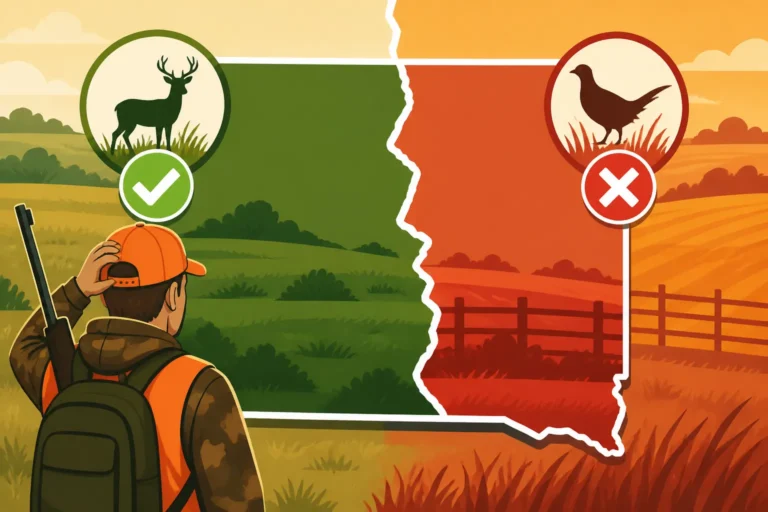
While the Corps of Engineers provides substantial public access along the reservoirs, it's absolutely critical to remember that much of the surrounding land remains private. Always be vigilant about respecting private property boundaries. Use your public land mapping apps religiously, look for posted signs, and if there's any doubt, err on the side of caution. Trespassing can not only result in legal penalties but also damages the reputation of hunters and jeopardizes future access opportunities.
Building relationships with private landowners, where possible, can also open up additional hunting opportunities. A polite knock on a farmhouse door, explaining your intentions and asking for permission, might surprise you. Offer to help with chores or share your harvest as a token of appreciation. Such gestures go a long way in fostering positive landowner-hunter relationships. Being a good steward of the land, whether public or private, ensures these incredible hunting grounds remain accessible for generations to come. This also aligns with the broader principles discussed in Pheasant Hunting Etiquette on Public Ground.
Disclaimer
This article is for general informational purposes only and does not constitute professional advice. Laws, prices and regulations vary by location and change over time. Consult a qualified professional for guidance on your specific situation.