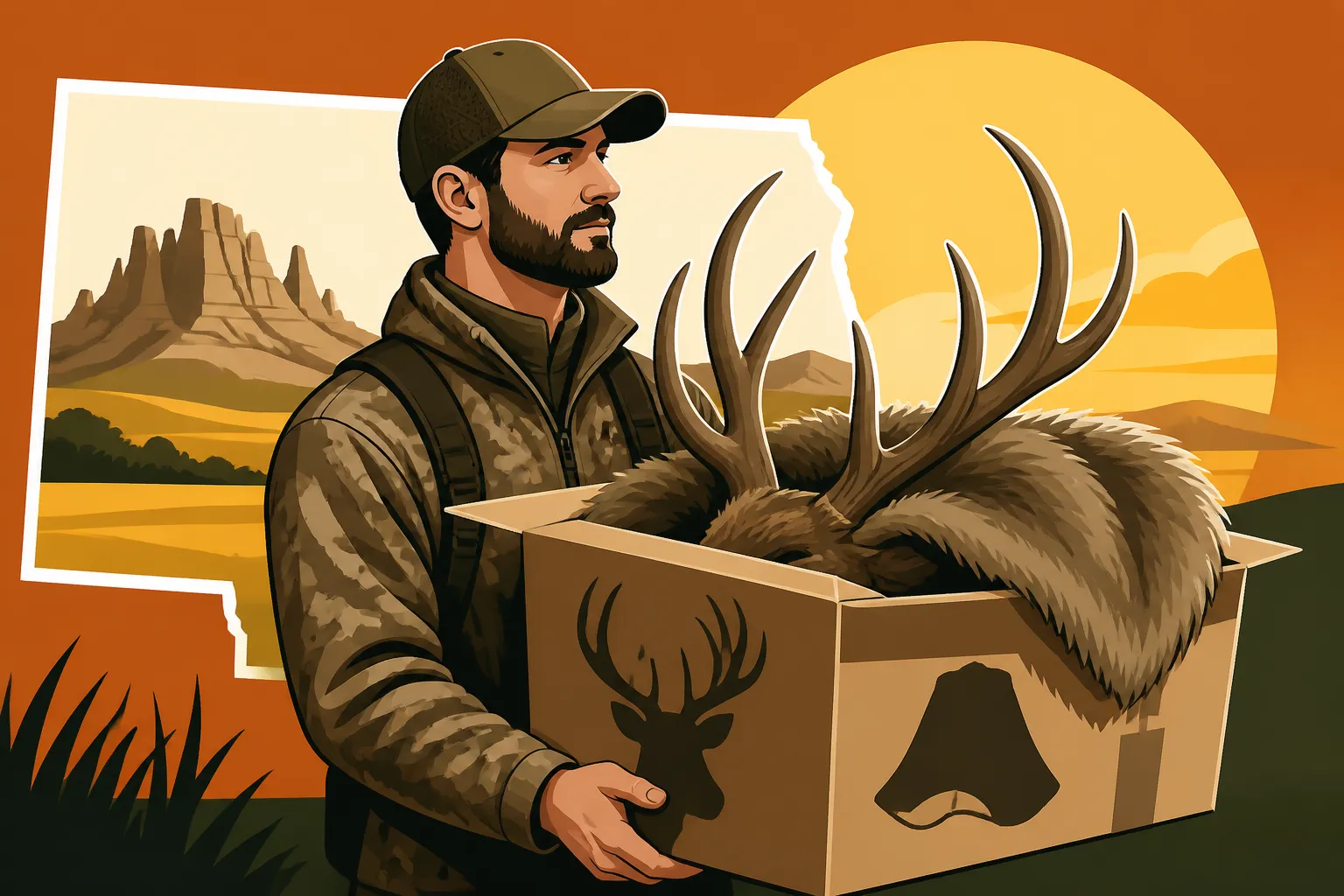
Shipping a Cape and Antlers Home
You've just completed a memorable hunt in the wide-open spaces of South Dakota, perhaps bagging that dream mule deer buck or a majestic Black Hills elk. The hard work is done, the photos are taken, and now you're faced with the next crucial step: getting your hard-earned trophy—the cape and antlers—safely home. This can feel like a daunting logistical puzzle, especially when dealing with perishable items and regulations. This guide will meticulously walk you through everything you need to know about preparing, packing, and shipping your cape and antlers from South Dakota, ensuring your trophy arrives in perfect condition, ready for the taxidermist.
Preparing Your Trophy for Shipment
The journey home for your cape and antlers truly begins the moment the animal hits the ground. Proper field care is paramount to ensuring your trophy is in the best possible condition for shipping and, ultimately, for a beautiful mount. Skimp on these initial steps, and no amount of careful packing or swift shipping can undo the damage.
Proper Field Care for the Cape
The cape, which is the hide from the neck and shoulders, is the foundation of a shoulder mount. Its condition directly impacts the quality and longevity of your taxidermy. Many hunters underestimate the fragility of a fresh cape, especially in warmer South Dakota weather. After you've taken your pictures and admired your animal, the clock starts ticking.
First and foremost, you need to properly field dress and then cape the animal. This involves making specific cuts to ensure you have enough hide for the taxidermist. If you’re unsure, it’s always better to take too much hide than too little. A general rule of thumb for a shoulder mount is to cut well behind the front legs, leaving ample brisket hide. For an antelope, this might mean taking the hide almost back to the hindquarters. For a large elk, you'll want to ensure you have plenty of neck skin. Once the cape is off, you need to flesh it, removing as much meat and fat as possible from the hide. Any remaining tissue will cause the hide to spoil quickly, leading to hair slippage, an irreversible condition where the hair literally falls out of the hide. This is a critical step that often gets overlooked in the excitement of the moment, but it can be the difference between a mount and a ruined memory. If you’re not experienced, consider finding a local meat processor or taxidermist who can assist with this crucial step, or study guides like Caping a Buck for a Shoulder Mount beforehand.
Antler Preparation and Skull Plate Management
The antlers are usually a bit more straightforward, but still require careful handling. For a shoulder mount, the antlers are typically attached to the skull plate, a section of the skull cut to preserve the antler attachment. This skull plate needs to be cleaned of any brain matter, tissue, or blood. Leaving organic material on the skull plate can lead to unpleasant odors, attract pests, and potentially harbor diseases. You can boil or simmer the skull plate to clean it, but be extremely careful not to let the heat touch the antlers themselves, as this can damage their color and texture. For European mounts, the entire skull is cleaned, but for shipping with a cape, it’s usually just the skull plate. Make sure the cut is even and smooth, minimizing sharp edges that could tear packing materials or the cape itself.
Freezing and Preserving Your Trophy
Once the cape is fleshed and the skull plate cleaned, the next step is preservation. For most big game species, especially deer, antelope, and elk taken in South Dakota, freezing is the most reliable method for short-term preservation before shipping.
Roll the cape up flesh-to-flesh, then place it inside two heavy-duty garbage bags, expelling as much air as possible. Seal the bags tightly with tape. This prevents freezer burn and cross-contamination. Place this package in a freezer as quickly as you can. Many hotels, lodges, or meat processors in South Dakota hunting towns like Chamberlain, Pierre, or Belle Fourche will have freezer space available for hunters for a nominal fee. You might also find local storage units with freezer services. For the skull plate and antlers, they can typically be air-dried if clean, but freezing the skull plate with the cape can also work, as long as it's packaged separately to prevent antler points from tearing the cape. If you're hunting in a remote area and immediate freezing isn't an option, a heavy salting can serve as an emergency measure. Liberally apply non-iodized salt to the entire flesh side of the cape, working it into all crevices. This draws out moisture and helps prevent bacterial growth. However, salting is messy and requires careful re-salting every 24-48 hours until completely dry, so freezing is generally preferred for shipping readiness.
Choosing the Right Shipping Method and Carrier
Once your trophy is properly prepped, selecting the right way to get it home is crucial. This decision often hinges on your budget, the size of your trophy, and how quickly you need it to arrive.
Shipping Via Commercial Carriers
Standard commercial carriers like FedEx, UPS, or the postal service can be viable options, especially for smaller antlers or well-preserved, frozen capes. The key here is proper packaging and understanding their rules for perishable goods and oversized items. You'll generally need to ship frozen capes via overnight or expedited services to ensure they remain frozen throughout transit. This can get expensive, especially for larger elk capes or heavy antlers. Always declare the contents accurately to avoid issues, though many hunters simply label them as "taxidermy supplies" or "frozen animal hide." However, be aware that some carriers have specific policies or may require special handling for animal parts, even if for taxidermy.
For antlers without a skull plate, or small skull plates, they can often go via standard ground services if packaged securely. For larger racks, you may exceed their maximum dimensions for standard parcels, triggering oversized fees or requiring freight services. Make sure to check their current dimensional and weight restrictions before you commit to this method. If you're a DIY hunter, checking resources like GoHunt forums might give you insights into other hunters' experiences with different carriers for this specific task.
Specialized Game Shipping Services
For larger trophies, or if you simply want peace of mind, specialized game shipping services are often the best choice. Companies that specifically handle taxidermy and wild game are well-versed in the regulations, packaging requirements, and logistics. They often use refrigerated trucks or air freight with specific cold chain management, reducing the risk of thawing or spoilage. These services might have collection points in or near popular hunting areas like those around the Missouri River Hunting Access in South Dakota or the Black Hills.
While more expensive than standard carriers, the cost can be justified by the added security and expertise. They also typically handle all the necessary paperwork, including interstate game tags and CWD documentation, which can be a huge relief. Some outfitters, especially those found on platforms like BookYourHunt, will have established relationships with these shippers and can even facilitate the entire process for you as part of their services. This is especially helpful if you're a nonresident and unfamiliar with local services or state regulations.
Working with Your Taxidermist for Shipping
Many hunters opt to have their taxidermist handle the shipping directly. If you have a trusted taxidermist back home, coordinate with them before your hunt. They can provide specific instructions on how they want the cape and antlers prepped. Often, they prefer the cape to be frozen and shipped to them directly. Some taxidermists have accounts with commercial freight companies or specialized shippers and can arrange pickup from South Dakota. This ensures the trophy is handled exactly to their specifications, reducing the chance of them needing to make repairs or having to turn away a damaged cape.
You might even consider using a local South Dakota taxidermist, especially if your hunt was in the Black Hills, near Rapid City, or in the heart of pheasant country. They are intimately familiar with South Dakota regulations and can ensure everything is processed and shipped correctly. They can often do the initial fleshing and salting or tanning, then ship the prepared hide and antlers to your home taxidermist. This can save you the hassle of dealing with raw perishable material. Looking up Taxidermists in South Dakota Hunting Towns before your trip can be a smart move.
Navigating Regulations and Paperwork
Shipping animal parts across state lines, especially big game, isn't just about packaging; it's also about legality. Ignoring regulations can lead to delays, confiscation, or even fines.
South Dakota Specific Rules
South Dakota has specific rules regarding the possession, tagging, and transportation of game animals. When you harvest a big game animal, your license typically comes with a tag that must be affixed to the animal immediately. This tag needs to stay with the animal's parts until they reach their final destination. For the cape and antlers, this usually means securing the tag to the skull plate or to a robust part of the cape package.
A major concern in recent years is Chronic Wasting Disease (CWD). South Dakota, like many states, has CWD management zones. If you harvest an animal in a CWD positive unit, there will be strict rules on carcass transport. Typically, you can only transport specific parts out of these zones: deboned meat, capes and hides (without the head), cleaned skull plates (without brain matter), and antlers. You cannot transport the entire head or spinal column out of a CWD restricted area without specific prior approval and testing, which can significantly complicate shipping. Always check the latest South Dakota Game, Fish and Parks regulations before your hunt to understand current CWD zones and restrictions. Information like Carcass Transport Rules for CWD is vital reading.
Interstate Transport Considerations
When shipping your trophy from South Dakota to another state, you're not just dealing with South Dakota's rules, but also those of your home state and any states through which the shipment passes. Most states have similar CWD regulations, often prohibiting the entry of whole carcasses or brains from CWD-positive areas. It's your responsibility to understand and comply with these rules for both the originating and destination states.
A good practice is to carry a copy of your hunting license and tag with the shipment documentation, and perhaps a small note explaining that the contents are legally harvested game for taxidermy purposes. If using a specialized shipper, they'll typically handle this documentation. For self-shipping, ensure your labels are clear, stating the shipper and recipient information, and that the package clearly indicates it contains legally harvested game for taxidermy.
Permits and Paperwork
While specific permits for shipping a basic cape and antlers interstate are usually not required beyond your valid hunting tag, understanding the documentation is key. If you harvested a bighorn sheep or mountain goat, which are once-in-a-lifetime tags, there may be additional reporting or inspection requirements from South Dakota Game, Fish and Parks before you can transport it out of state. Always consult the most recent hunting handbook for these rare species.
If you harvested your animal on tribal land, additional tribal permits or stamps may be required, and their regulations for transport might differ from state regulations. Always confirm these details with the tribal game office if applicable. When using an outfitter, ensure their contract, like what might be detailed in What a South Dakota Contract Should Say, clarifies their responsibility regarding trophy preparation and any required paperwork assistance.
Packing Your Trophy for Safe Transit
Even with the best preparation and shipping method, poor packing can spell disaster for your trophy. The goal is to protect the cape from thawing and physical damage, and the antlers from breaking.
Antler Protection Techniques
Antlers are surprisingly brittle, especially points, and can easily snap during transit. The best way to protect them is to cradle them securely within a sturdy box.
- Wrap Points: Use bubble wrap, foam pipe insulation, or even old towels to individually wrap each antler point. Secure with tape. This cushions them and prevents them from poking through the box or damaging other parts of the trophy.
- Cradle the Rack: Place the skull plate, with the antlers attached, centrally in a heavy-duty cardboard box. Use generous amounts of crumpled newspaper, Styrofoam peanuts, or rigid foam inserts to fill all voids around the antlers. The goal is to prevent any movement of the antlers within the box. They should be snug and not able to shift.
- Secure the Skull Plate: Ensure the skull plate itself is firmly anchored. You can even cut a piece of plywood slightly larger than the skull plate and screw the skull plate to it, then secure the plywood to the bottom of the shipping box. This adds significant stability.
- Consider a Custom Crate: For very large racks, especially a magnificent Black Hills elk or a record-class mule deer buck, a custom-built wooden crate might be worth the investment. It provides superior protection against crushing and impact. Many taxidermists or local lumberyards can help construct one.
Insulating and Boxing the Cape
The frozen cape needs to stay frozen. This means insulation is your best friend.
- Double Bagging: After freezing, ensure the cape is double-bagged in heavy-duty plastic, sealed to prevent any leakage as it thaws slightly. Any moisture escaping the package can damage the box and other parcels in transit, leading to refusal by the carrier.
- Insulated Cooler/Box: The best way to ship a frozen cape is in a sturdy, insulated cooler. High-quality coolers designed to retain ice for days are ideal. For a less expensive option, you can purchase insulated shipping boxes from packaging suppliers or line a heavy-duty cardboard box with thick Styrofoam insulation panels.
- Packing Material: Place the double-bagged, frozen cape inside the cooler or insulated box. Fill any remaining space with additional insulation like crumpled newspaper, Styrofoam peanuts, or even frozen gel packs (if allowed by the carrier and you're using express shipping). Do NOT use dry ice unless you are fully compliant with hazardous material shipping regulations, as dry ice is a regulated hazardous material due to its extreme cold and off-gassing.
- Seal and Tape: Seal the cooler or box securely with heavy-duty packing tape. For a cooler, tape all around the lid, not just the latch points, to create a better seal. Ensure all seams of a cardboard box are thoroughly taped.
Documentation and Labeling
Clear and accurate labeling is the final step to a successful shipment.
- Shipping Labels: Affix clear, durable shipping labels to at least two sides of the package. Include both the sender's and recipient's full address and contact information.
- "Perishable" or "Frozen" Labels: For the cape, prominently label the box or cooler with "PERISHABLE," "FROZEN," or "KEEP FROZEN" stickers. Some carriers also offer specific "Priority Overnight" or "Cold Chain" labels.
- Contents Description: While you don't need to write "DEER CAPE" in bold letters, you can list the contents as "Taxidermy Supplies" or "Frozen Animal Hide for Taxidermy." If you're using a specialized game shipper, they will advise on the best description.
- Internal Documentation: Place a copy of your hunting license, tags, and any CWD documentation (if applicable) inside a waterproof bag and tape it inside the box or cooler, as well as attaching it to the outside. This way, if external labels are damaged, the necessary paperwork is still with the trophy.
Consider this table for a quick overview of shipping method pros and cons:
| Feature | Commercial Carrier (Standard) | Commercial Carrier (Expedited/Overnight) | Specialized Game Shipper |
|---|---|---|---|
| Cost | Lower for small antlers, higher for large/heavy items | Highest (due to speed and weight) | Moderate to High (often good value for specialized care) |
| Speed | Variable (Ground: 3-7 days, Air: 2-3 days) | Fastest (1-2 days) | Variable (can be fast, depends on routes/schedules) |
| Trophy Size | Limited by dimension/weight, best for smaller items | Limited by dimension/weight | Handles all sizes, including oversized |
| Insulation | Your responsibility (cooler/Styrofoam) | Your responsibility (cooler/Styrofoam) | Often includes refrigerated transport or expert packing |
| Perishable Risk | High for ground, moderate for air | Low if packed well | Very Low (designed for this) |
| Paperwork Help | None, completely your responsibility | None, completely your responsibility | Often assists or handles regulatory paperwork |
| Tracking | Standard tracking provided | Detailed tracking provided | Detailed tracking, may be more personalized |
| Ideal For | Small, dry antlers; non-perishable skull plates | Frozen capes, smaller full trophies, urgent needs | Large trophies, complex regulations, peace of mind |
Getting your trophy home is the final step in your hunting adventure. By meticulously preparing your cape and antlers, understanding the regulatory landscape—especially around CWD, and choosing the right shipping method, you can ensure your South Dakota memory makes it safely to your taxidermist and, eventually, to your wall. Safe travels, and congratulations on your successful hunt!
Disclaimer
This article is for general informational purposes only and does not constitute professional advice. Laws, prices and regulations vary by location and change over time. Consult a qualified professional for guidance on your specific situation.