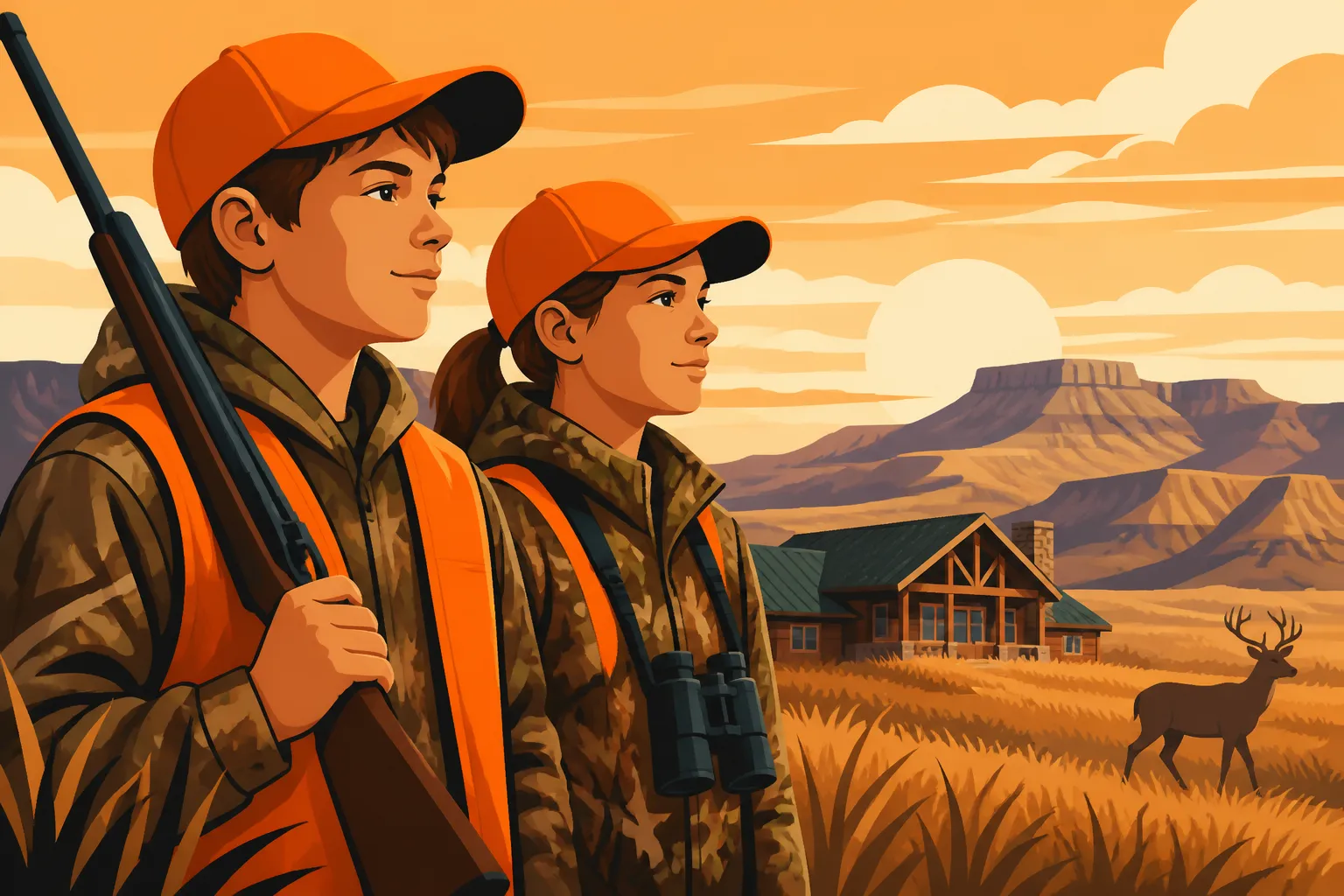
Youth Hunters at a South Dakota Lodge
Bringing a young hunter to a South Dakota lodge for the first time can feel like a big undertaking, filled with questions about whether they'll be safe, comfortable, and actually get to experience the thrill of a successful hunt. It’s easy to worry about logistics, the intensity of the experience, and if it's truly the right environment to foster a lifelong love for hunting. This guide will walk you through everything you need to know about preparing for, navigating, and maximizing a South Dakota lodge hunt with your youth, ensuring it’s an unforgettable adventure for everyone involved.
Why a Guided Lodge Hunt is Perfect for Young Hunters
Many of us remember our first hunting trips as a mix of excitement, confusion, and sometimes, a bit of struggle. For young hunters, especially, the learning curve can be steep, and without the right guidance, it can even lead to discouragement. This is where a guided lodge hunt in South Dakota really shines. It provides a structured, supportive, and often more comfortable environment that’s specifically geared towards making the experience positive and successful for kids.
Safety and Mentorship in a Controlled Setting
One of the biggest anxieties for parents introducing their children to hunting is safety. You want them to learn the ropes without unnecessary risks, and a quality lodge prioritizes this above all else. Guides are seasoned professionals, often with years of experience working with hunters of all ages and skill levels. They’re adept at teaching crucial gun safety rules, proper gun handling, and ethical shot placement in real-time. This hands-on, one-on-one mentorship is invaluable. Instead of just reading about Safe Gun Handling on a Bird Drive, your child will be practicing it under expert supervision, making it second nature.
Beyond gun safety, guides also ensure the overall well-being of the group. They know the terrain, understand weather patterns, and can manage unexpected situations calmly. This takes a huge burden off the parent, allowing you to relax a bit more and truly enjoy watching your child learn and succeed. The controlled nature of many lodge hunts, particularly for upland birds like pheasants, means less concern about navigating vast, unknown public lands and more focus on the experience itself.
Increased Success Rates and Enjoyment
Let's be honest, hunting can be tough, and nothing saps a young hunter's enthusiasm faster than going home empty-handed time and again. The "trophy" for a kid might just be a bird in the bag or a deer sighted, and lodges are designed to maximize those opportunities. Many South Dakota pheasant lodges operate on vast tracts of private land that are specifically managed for prime habitat, meaning higher bird numbers. Guides also have intimate knowledge of where game typically congregates, what cover they prefer, and how to effectively move through fields or draws to create flushing or shooting opportunities.
This isn't about guaranteeing an animal on a string; it's about putting the odds more firmly in your favor. When a young hunter experiences success – the thrill of a pheasant flushing, making a good shot, and retrieving their bird – it builds confidence and creates a lasting positive memory. It shows them that their efforts can pay off, reinforcing their interest in the sport. This positive reinforcement is key to keeping them engaged and wanting to come back year after year.
Preparing Your Young Hunter for a South Dakota Lodge Experience
A successful lodge hunt with a youth isn't just about showing up; it's about thoughtful preparation that covers everything from physical conditioning to mental readiness and making sure all the legal ducks are in a row. A little planning goes a long way in ensuring the trip is smooth, safe, and truly enjoyable for your young hunter.
Essential Gear and Physical Readiness
South Dakota weather, especially during hunting season, can be notoriously unpredictable. One day it's mild and sunny, the next it's windy, cold, and even snowy. Layering is absolutely crucial. Start with a moisture-wicking base layer, add insulating layers like fleece, and top it off with a waterproof and windproof outer shell. Don’t forget warm hats, gloves, and quality, broken-in boots that can handle miles of walking through fields, cattails, and potentially mud or snow. You'll want sturdy boots designed for extended walking, like those you’d use for Boots for Walking Cattails All Day.
Beyond clothing, a small backpack with snacks, water, and any personal medications is a good idea. For firearms, ensure the youth's shotgun or rifle is appropriately sized and has manageable recoil. Practicing shooting before the trip is non-negotiable. Familiarity with their firearm, understanding its safety features, and being comfortable with the recoil will greatly improve their confidence and accuracy in the field. Even if you're hunting pheasants, practicing clay pigeons builds essential muscle memory.
Physical readiness is also important, especially for pheasant hunting, which can involve significant walking. Encourage walks or other physical activity in the weeks leading up to the trip. A tired, sore kid is a grumpy kid, and that can quickly sour the experience for everyone.
Understanding Rules, Ethics, and Expectations
Before setting foot in a lodge, ensure your child has completed their South Dakota Hunter Education and Licensing requirements. This foundational knowledge is paramount. Review South Dakota's specific hunting regulations, including daily bag limits, possession limits, and shooting hours, especially for something like South Dakota Youth Pheasant Season. Understand the difference between wild birds and preserve birds, if applicable, and discuss the ethical responsibilities of a hunter, such as respect for wildlife, land, and other hunters.
It’s also important to manage expectations. While lodges aim for success, hunting isn't a guarantee. Discuss that there will be misses, there might be slow periods, and sometimes, the weather simply won't cooperate. The goal is to enjoy the entire process – the camaraderie, the dogs working, the beauty of the prairie – not just the harvest. Talking about these realities beforehand helps prevent disappointment and allows them to appreciate the broader experience. This also extends to Blaze Orange Rules on a Bird Hunt, ensuring they understand why visibility is critical.
A quick chat about lodge etiquette is also helpful. They'll be interacting with guides, dog handlers, and other guests. Basic manners, listening to instructions, and being a good sport are all part of the experience.
What to Expect at a South Dakota Lodge with Kids
The lodge experience itself can vary greatly, but generally, they aim to make things as seamless and enjoyable as possible, especially when families are involved. Knowing what to expect regarding schedules, meals, and the hunting itself can help you prepare your young hunter for the rhythm of a guided trip.
Daily Schedules and Field Experiences
Most South Dakota lodges have a fairly consistent daily rhythm during hunting season. Mornings might start with an early breakfast, followed by a safety briefing and gear check. For pheasant hunts, many lodges adhere to the state’s 10 a.m. start time, making mornings a bit more relaxed than some other hunts. You’ll then head out to the field, typically with a guide and a string of well-trained hunting dogs. These dogs are often a highlight for young hunters, offering a chance to see incredible animal instinct and training in action.
The hunting itself will involve walking various types of cover – cattail sloughs, shelterbelts, food plots, and grass fields – depending on the specific lodge and the hunting conditions. A guide will lead the group, strategically positioning hunters and blockers for maximum bird flushing opportunities. For deer or antelope, the experience would be different, involving more glassing, spotting, and stalking. You might find guides specifically trained for hunts like Spot-and-Stalk Antelope Hunting in South Dakota, which requires unique skills.
Many lodges offer a break for lunch, either a packed meal in the field or a return to the lodge, before heading back out for an afternoon hunt. The day concludes with returning to the lodge, bird cleaning (often done by staff), and a hearty dinner. The focus is always on creating opportunities and keeping the hunters engaged.
Accommodation, Meals, and Amenities
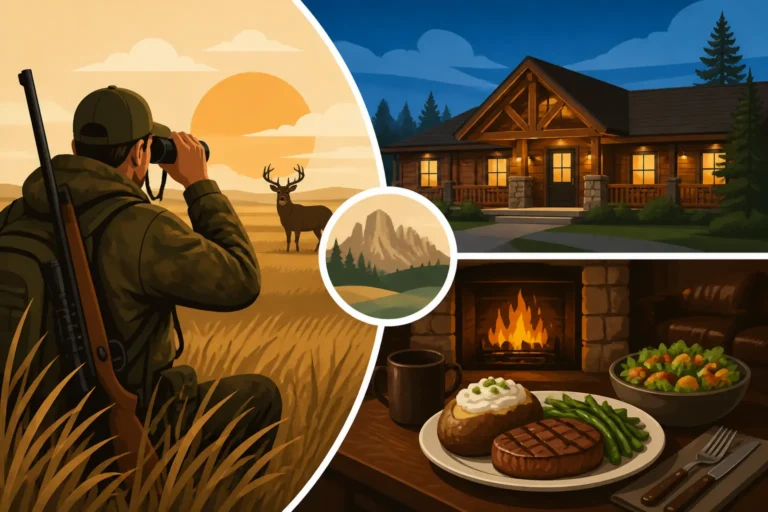
Lodge accommodations range from rustic and comfortable to luxurious. Most offer private or semi-private rooms, clean bathrooms, and common areas for relaxing. The beauty of a lodge for families is that it often takes care of all the logistics. Meals are typically home-cooked and plentiful, often tailored to hungry hunters. This means you don't have to worry about grocery shopping, cooking, or cleaning up after a long day in the field, which can be a huge relief when traveling with kids.
Beyond the basics, some lodges offer extra amenities like game rooms, fire pits, or even opportunities for other activities (though the primary focus is hunting). It’s worth checking with the specific lodge about what they offer, especially if you have non-hunting family members joining, or if you’re looking for things to do during downtime. Many lodges also have areas for dogs, if you choose to bring your own, but always confirm their specific policies beforehand, especially concerning Bringing Your Own Dog on a Guided Hunt.
Before booking, it's a great idea to use resources like BookYourHunt or GoHunt to compare lodges, read reviews, and get a feel for their family-friendliness and specific offerings. This helps set clear expectations.
Making the Most of the Youth Hunting Trip
A successful youth hunting trip to a South Dakota lodge is about more than just pulling the trigger. It’s about building memories, fostering a love for the outdoors, and developing crucial life skills. With a few extra considerations, you can ensure the experience is truly enriching and memorable for your young hunter.
Encouraging Engagement and Learning
The guided lodge environment is ripe for learning. Encourage your child to ask questions – of the guide, the dog handlers, and even fellow hunters. How do the dogs find birds? Why do pheasants run instead of flush in certain cover? What are the subtle differences between Reading Prairie Coulees for Mule Deer and more open pheasant fields? These questions spark curiosity and deepen their understanding of wildlife, habitat, and hunting strategies.
Learning extends beyond the field. Many lodges offer bird cleaning and processing services. Let your child be involved, if appropriate and safe. They can learn about game care, species identification, and even contribute to preparing the evening meal. This connection to the entire process, from field to table, is a powerful lesson in self-sufficiency and respect for the animal. Consider sharing interesting facts about South Dakota Ring-Necked Pheasants or other game species to keep them engaged.
Capturing Memories and Building Traditions
Hunting trips are more than just a few days in the field; they’re building blocks for family traditions and lasting memories. Take plenty of photos (respecting privacy and safety, of course) – not just of the harvest, but of the scenery, the dogs working, the camaraderie, and the smiles. These visual reminders will be cherished for years to come.
Many families turn these trips into annual traditions, sometimes even booking the same lodge and guide year after year. As your child grows, their role in the hunt will evolve, perhaps graduating from blocking to walking the prime flushing cover or even taking on more leadership. This continuity reinforces their connection to hunting, to South Dakota, and to family. Discussing future hunts, planning what skills they want to develop, or even looking into Booking a South Dakota Deer or Antelope Hunt for a future year can keep the excitement alive long after the current trip ends.
Understanding Costs and Tipping Etiquette
While the focus is on the experience, it's important to understand the financial aspect of a lodge hunt. Guided trips are an investment, and prices can vary significantly based on the length of the hunt, the type of game, the lodge's amenities, and whether it's an all-inclusive package. When you're looking to book, make sure you understand what the What a South Dakota Guided Pheasant Hunt Costs truly covers – meals, lodging, guides, dogs, bird cleaning, etc. Some lodges might have additional fees for extra birds, ammunition, or liquor.
Tipping is also a customary part of the guided hunting experience. Guides, dog handlers, and lodge staff work incredibly hard to ensure your trip is enjoyable and successful. It’s always a good idea to budget for tips when planning your trip. A general guideline for Tipping Guides and Dog Handlers in South Dakota is often a percentage of the hunt cost or a set amount per day, per guide, but don't hesitate to ask the lodge directly for their recommendations or typical practices. This ensures you're prepared and can properly show your appreciation for their efforts in making your youth's hunt a memorable one.
| Aspect | DIY Hunt (with Youth) | Guided Lodge Hunt (with Youth) |
|---|---|---|
| Preparation | High effort: scouting, mapping, regulations, gear | Moderate effort: licenses, personal gear |
| Safety & Mentorship | Parent responsibility, less formal instruction | Professional guides, direct safety instruction |
| Success Rate | Variable, depends on parent's skill and luck | Higher likelihood due to managed land & expert guides |
| Comfort & Amenities | Camping, motels, self-catering meals | Lodging, prepared meals, often additional amenities |
| Physical Demand | Can be very high, less control over pace | Managed pace, guides can adjust for youth |
| Learning Opportunities | Organic, parent-led | Structured, expert-led, exposure to professional methods |
| Dog Experience | Only if you bring/manage your own dog | Access to trained dogs and handlers |
| Cost | Lower upfront, higher in time/effort | Higher upfront investment, less planning burden |
| Focus | Self-reliance, problem-solving | Experience, learning, success, camaraderie |
Taking a young hunter to a South Dakota lodge is an investment in their outdoor education and a wonderful way to create shared memories that will last a lifetime. With the right preparation and mindset, it will be a positive and empowering experience for everyone involved.
Disclaimer
This article is for general informational purposes only and does not constitute professional advice. Laws, prices and regulations vary by location and change over time. Consult a qualified professional for guidance on your specific situation.