Hunting Pheasants Without a Dog
Trying to hunt pheasants in South Dakota without a trusty canine companion can feel like showing up to a gunfight with a knife. You’ve heard all the stories, seen all the pictures – hunters with their loyal Labs or tireless German Shorthairs, flushing birds left and right. It’s easy to feel at a disadvantage, like you're missing a critical piece of the puzzle. But don't despair! While a good dog is an undeniable asset, success in the pheasant fields is absolutely achievable for the dogless hunter with the right strategies and a keen understanding of pheasant behavior. This guide is here to equip you with the knowledge and tactics to fill your vest, even if you’re heading out solo.
Understanding Pheasant Behavior Without a Dog's Influence
Pheasants are smart birds, masters of evasion, and they don't play by the same rules when a dog isn't in the mix. A dog's nose and relentless drive fundamentally change how a pheasant reacts. When you're dogless, you need to think like a pheasant and anticipate their moves.
Why Pheasants Run and Hold Tight
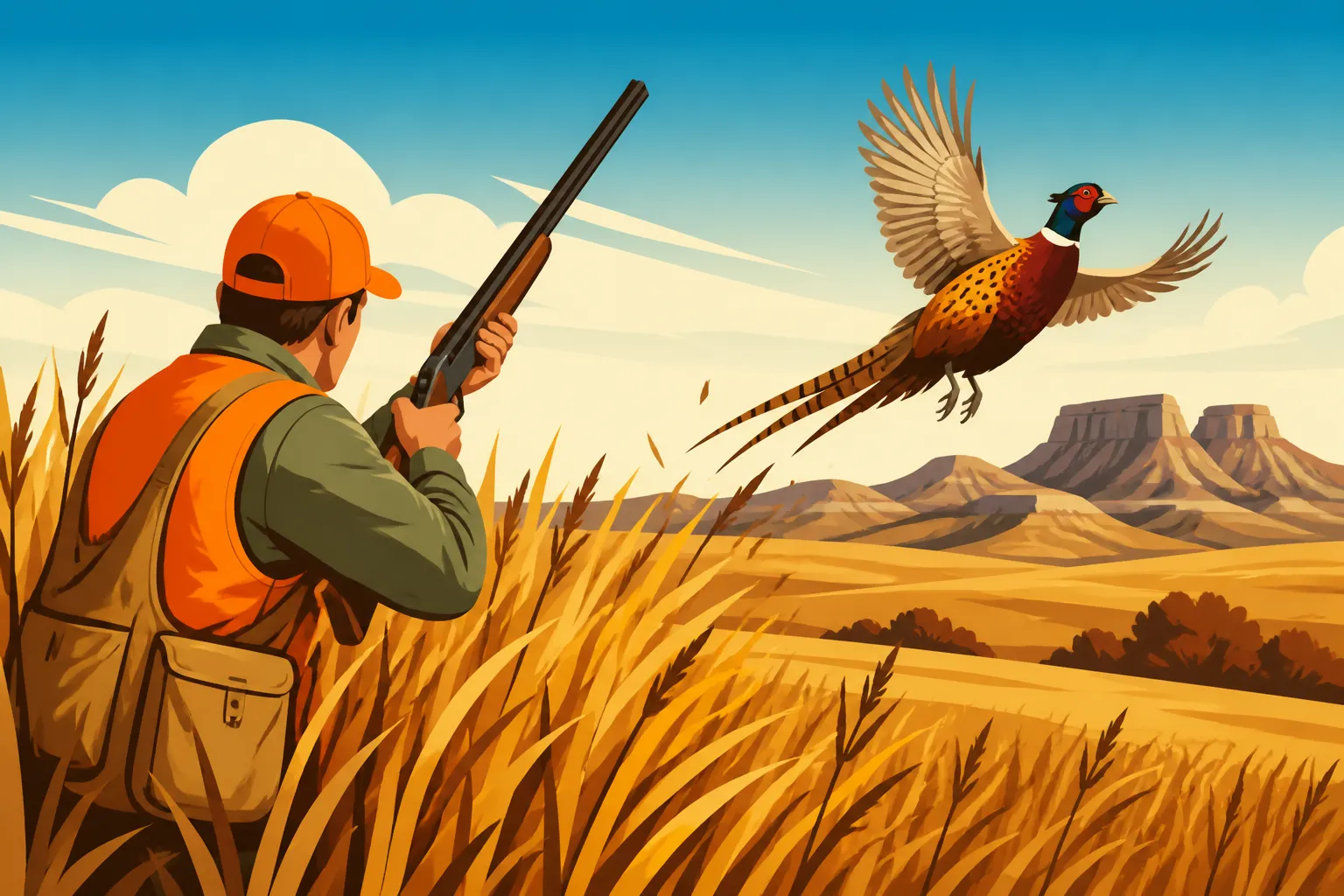
The cardinal rule of pheasants: they'd rather run than fly. This instinct is their primary defense mechanism. When a bird hears or sees you approaching, its first inclination isn't to take wing in a glorious explosion of feathers, but to put distance between itself and the perceived threat on foot, using the dense cover as its shield. They’ll weave, duck, and dart through thick grass, cattails, or corn rows, often staying just out of sight and just ahead of your walking pace. This can be incredibly frustrating, leaving you wondering if there were even birds in the field to begin with, only to see one flush 100 yards out after you've already passed.
However, pheasants also have a remarkable ability to "hold tight" – to hunker down and let danger pass right over them. This often happens in extremely dense cover, especially in cattail sloughs or thick shelterbelts, where they feel completely hidden. They'll also hold tight when they feel pressured from multiple directions or when they perceive that running will only expose them further. The key for the dogless hunter is to exploit this running and holding behavior by altering your approach. The absence of a sniffing dog means they might hold their position longer, giving you a chance to walk right by them if you’re not careful, or conversely, allowing you to surprise them into flushing if you use the right tactic.
Prime Times and Locations for Dogless Hunters
Without a dog to help you cover ground and sniff out birds, precision becomes paramount. You need to be where the birds are, when they’re most likely to be there, and in cover types that lend themselves to dogless hunting.
Early mornings, especially right after legal shooting light, can be fruitful as birds are moving from roosting cover to feeding areas. They’re often found in the fringes of fields, along ditch banks, or in thinner cover before retreating to more secure spots. Likewise, late afternoons, an hour or two before sunset, can see birds staging again before heading back to their roosts. The midday slump, when birds are often loafing in heavy, thick thermal cover, can be challenging without a dog, as they're less likely to move.
For locations, think smaller, more defined pockets of cover. Ditch banks, narrow shelterbelts, overgrown fence lines, small clumps of weeds, or even uncut field corners are excellent starting points. These spots are often overlooked by hunters with dogs who gravitate towards massive blocks of cover. Pheasants love edges – the interface between two different types of habitat, like a cornfield meeting a grass waterway, or a patch of heavy cover bordering an open field. These edges provide both food and escape routes. By focusing your efforts on these prime areas, you increase your odds of encountering birds without needing a dog to scour vast tracts of land. Understanding where roosters sit at midday in these smaller, denser pockets can also be a game-changer.
Strategic Approaches for the Dogless Hunter
Since you don't have a dog to do the heavy lifting of flushing, you become the primary flushing mechanism. This requires a deliberate, often counter-intuitive approach to your walking and fieldcraft.
The Art of the Slow Walk and Pause
One of the most effective tactics for the dogless pheasant hunter is the "stop-and-go" method, or as some call it, the "pheasant shuffle." Instead of walking at a steady, predictable pace, you walk very slowly, taking a few steps, then pausing for 5 to 15 seconds. Then repeat. This method works wonders because pheasants, when they sense an approaching threat, often freeze and let the danger pass. When you stop, they might assume you've either passed them or lost track of them. It's in these moments of perceived safety that a nervous rooster, thinking the coast is clear, might decide to flush.
The key is to always be ready. Your gun should be mounted in a comfortable, ready position, eyes scanning ahead, left, and right, anticipating a flush. Focus on walking speed that holds roosters – usually slower than you think, a deliberate crawl rather than a brisk stroll. This tactic is particularly effective in shorter, medium-density cover where birds might be more inclined to sit tight rather than run a long distance. In addition to the pause, mix in short, sharp bursts of speed or subtle changes in direction. Sometimes, a sudden, quick move can startle a hiding bird into flushing when a slow, steady approach fails.
Working Edges and Narrow Strips Effectively
Linear cover types like shelterbelts, fence rows, and ditch bottoms are prime hunting grounds for the dogless hunter. They concentrate birds, making it easier to predict their movements and force flushes. When working a shelterbelt, don't just walk straight down the middle. Instead, zigzagging a grass strip for birds can be incredibly effective. Walk along one edge, then cut diagonally to the other side, and repeat. This covers more ground and pushes birds from different angles. Pay close attention to shelterbelt ends that hold late birds, as these are often overlooked escape routes or staging areas.
For ditch bottoms and fence lines, walk on one side, keeping your eyes peeled on the cover within the ditch. Birds will often run the length of the ditch before flushing. If you have a partner, one person can walk the ditch while the other walks parallel to it on the bank, acting as a blocker to push birds back into the ditch or flush them forward. These narrow strips are ideal for solo hunters because they provide natural boundaries, reducing the chance of birds running off into vast open fields where retrieval would be difficult. Remember that hunting food plots and corn edges can also be highly productive, especially during midday or late afternoon, as birds move between feeding and loafing areas.
Two-Person Tactics Without Dogs
While this guide focuses on hunting pheasants without a dog, having a hunting partner can significantly enhance your success, even without a canine. Think of your partner as a strategic extension of your hunting efforts, helping to manage the birds.
One classic two-person tactic involves one hunter walking through the cover as the "pusher," while the other acts as a "blocker" or "flanker." For instance, when approaching a long, narrow strip of cover or a small cattail slough, the blocker positions themselves quietly at the far end or along a side. The pusher then slowly works their way through the cover towards the blocker. The blocker's presence prevents birds from simply running out the end, forcing them to hold tight or flush within shooting range of either hunter. This technique, similar to pushing a cattail slough with blockers, is remarkably effective in making pheasants commit to a flush.
Alternatively, two hunters can walk parallel to each other, about 20-40 yards apart, systematically covering a field. This creates a wider front, making it harder for birds to sneak past unnoticed. Communication is vital here; use hand signals or soft whistles to coordinate. Always maintain strict muzzle control and be acutely aware of your partner's position for safety. When working larger fields, this parallel walk can help you effectively cover ground that would be impossible for a solo, dogless hunter.
Gear and Tactics for Maximizing Success
Being dogless means you need to be extra meticulous with your gear and post-shot strategy. The right tools can make a significant difference, especially when it comes to tracking down downed birds.
Essential Gear for Dogless Pheasant Hunting
Your gear choices are critical when you're the one doing all the legwork and retrieval.
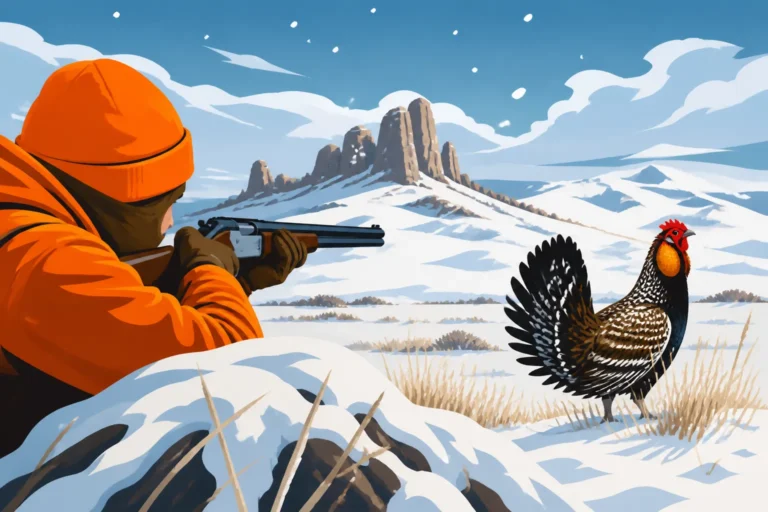
First and foremost, invest in comfortable, durable boots. You'll be covering a lot of ground, often through heavy cover and uneven terrain. Waterproof boots with good ankle support are a must. Dress in layers, as South Dakota weather can change quickly, especially for late-season hunting in South Dakota snow. Blaze orange is legally required and essential for safety, especially if hunting with a partner or on public lands.
For your shotgun, a 12 or 20 gauge with a modified or improved cylinder choke is generally versatile. Consider carrying heavier loads (like 3-inch shells with #4 or #5 shot) as you might be taking slightly longer shots on flushing birds, especially if they've been running ahead.
Beyond the basics, a good game vest or backpack with a large game pouch is indispensable. You'll be carrying your birds, and a comfortable setup prevents fatigue. Always carry plenty of water, especially during warmer early season hunts, and some high-energy snacks. A knife for field dressing is also essential.
Lastly, and perhaps most crucially for the dogless hunter, is a reliable mapping application. Tools like GoHunt provide invaluable satellite imagery, property boundaries (distinguishing public from private land), and topographical maps. This allows you to identify promising cover, plan your approach, mark potential bird locations, and navigate accurately, especially in expansive areas like the Buffalo Gap National Grassland. Knowing exactly where you are and what kind of cover lies ahead can significantly reduce wasted effort and help you focus on high-probability areas.
Tracking and Retrieving Birds Without a Dog
This is often the Achilles' heel for dogless hunters, and it’s where careful attention to detail really pays off. A poorly marked bird can mean a lost bird, which is heartbreaking and unethical.
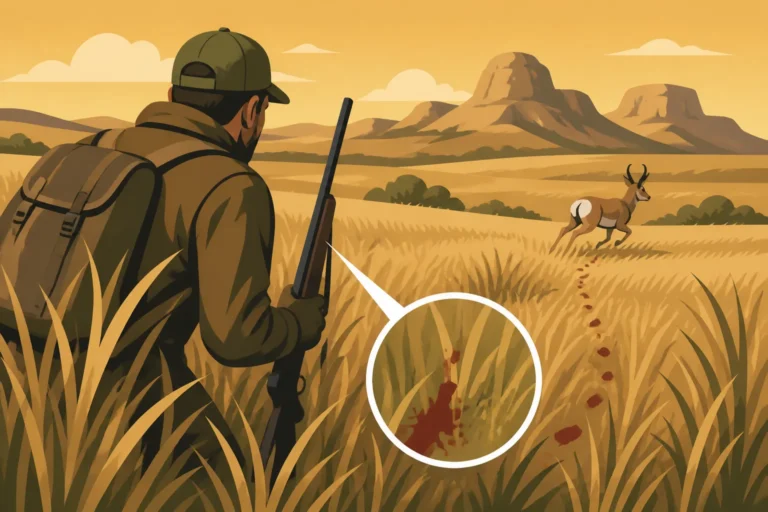
The moment you shoot, make an absolute, unwavering commitment to marking the fall. Pick a prominent landmark – a specific tree, a fence post, a distinctive clump of weeds – directly in line with where the bird fell. Don't take your eyes off that spot. As you walk towards it, pick out smaller landmarks to guide you. If you lose sight of the initial mark, stop, and try to re-establish your bearings.
Once you reach the area, resist the urge to immediately start stomping around randomly. Instead, begin a systematic grid search. Start at the marked fall location and walk in increasingly wider circles or a grid pattern. Walk slowly, scanning the ground meticulously. Remember that even a dead bird can be incredibly difficult to spot in thick cover, and a wounded bird can run a surprising distance. If the bird was wounded and ran, look for any sign of disturbance in the grass or subtle tracks. If the terrain permits, try to circle downwind of where you last saw it, as they often try to put wind at their back when running. Quick field dressing in warm October weather is crucial to preserve the meat once you retrieve your bird.
Overcoming Common Dogless Challenges
Hunting pheasants without a dog presents specific hurdles, but with foresight and the right mindset, these challenges can be turned into opportunities.
Dealing with Running Birds
The frustration of encountering a "runner" – a pheasant that chooses to leg it far ahead of you rather than flush – is universal. It's especially disheartening when you're walking a beautiful stretch of cover, feel confident about a flush, and then a bird rockets up 80 yards away. This often happens because birds have learned to evade slow-moving, single threats (like a dogless hunter) by simply out-walking them. Why birds run instead of flush is often a combination of cover density, previous hunting pressure, and their innate survival instinct.
To combat this, try to "cut off" escape routes. If you're walking parallel to a ditch or a fence line, consider cutting across it periodically to force birds that are running along it to either flush or reverse direction. Use terrain features to your advantage. If a strip of cover funnels into a narrower section or a ditch ends abruptly, these can be choke points where birds are more likely to flush.
Also, be aware of hunting pressure patterns on walk-in areas. Heavily hunted public lands often have "smarter" birds that are more prone to running. Consider hunting these areas on weekdays or in the middle of the day when pressure is typically lighter, or focus on smaller, less obvious pieces of cover that other hunters might overlook.
Maximizing Public Land Opportunities
South Dakota offers an incredible amount of public hunting access, and for the dogless hunter, these areas are invaluable. The state's Walk-In Areas Explained program is a massive benefit, opening up hundreds of thousands of private acres to public hunting. However, these areas can see significant pressure, especially on opening weekend.
To maximize your success on public lands, e-scouting is your best friend. Utilize mapping apps (like GoHunt, again, for its detailed layers) to identify prime cover – cattail sloughs, dense grass, tree rows, and even overlooked corners. Look for areas that require a longer walk-in from access points, as these often see less pressure. Scouting South Dakota public ground before the season, even if only via satellite imagery, can give you a significant advantage. Focus on identifying bottlenecks, pinch points, and areas where cover types merge. Reading aerial imagery for cattail cover can reveal hidden pockets of dense vegetation that are perfect for holding roosters.
When you're out there, pay attention to subtle signs. Fresh tracks in the mud, scat, or even shed feathers can indicate recent pheasant activity. Don't be afraid to try smaller, isolated patches of cover that might not look like much on a map. These "honey holes" often hold a few birds that are missed by other hunters. Remember, while the main event may be the big, sprawling fields, many roosters are taken by dogless hunters meticulously working the edges and overlooked cover on public ground.
| Strategy | Cover Type | Approach | Key Considerations |
|---|---|---|---|
| Stop-and-Go | Medium Grass, Shelterbelts, Ditch Banks | Walk slowly, pause 5-15 seconds, repeat. | Be ready for sudden flushes. Best for solo hunters. |
| Zigzag | Narrow Strips, Grass Waterways, Field Edges | Walk diagonally from one side to the other. | Covers more ground, pushes birds from multiple angles. |
| Flank/Block | Long Shelterbelts, Small Cattail Sloughs | One hunter pushes, one blocks an escape route. | Requires two hunters. Safety and communication are vital. |
| Systematic Grid | Short Grass, CRP Edges (for retrieval) | After a shot, walk in a grid or expanding circle. | Crucial for lost birds. Mark the fall precisely. |
| Edge Hunting | Corn Fields, Food Plots, Fence Lines | Focus on the transition areas between cover types. | Birds often stage here. Excellent for solo or small groups. |
Disclaimer
Hunting can be a dangerous activity. Always prioritize safety, adhere to all local and state regulations, and ensure you have the necessary licenses and permits. The information provided is for educational purposes and should not replace professional guidance or personal judgment.