James River Valley Hunting Ground
For many hunters, the James River Valley in South Dakota might not be the first region that jumps to mind when planning a hunt. It's often overshadowed by the iconic West River breaks or the dense pheasant meccas further east. But dismissing this valley would be a huge mistake, as it holds incredible potential for a variety of game, if you know how to unlock its secrets. This guide is dedicated to helping you understand the unique hunting opportunities, the lay of the land, and the strategies needed to successfully hunt the fertile, yet sometimes challenging, James River corridor.
Understanding the James River Valley Landscape
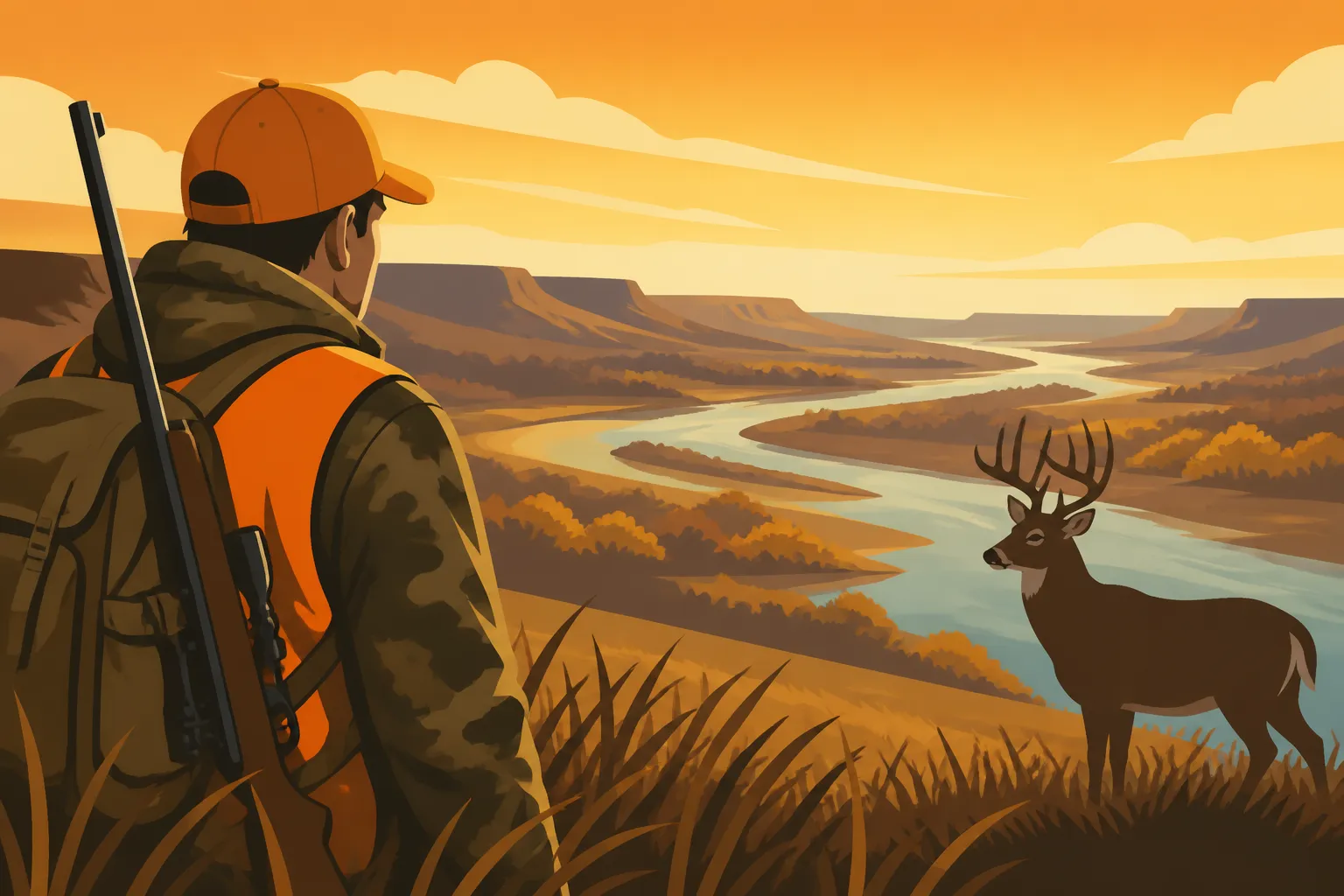
The James River, affectionately known as "the Jim" by locals, carves a path through the eastern half of South Dakota, flowing generally south towards the Missouri. It's not a grand, roaring river like the Missouri, but rather a slow, meandering waterway, often bordered by extensive floodplains, oxbow lakes, and a mix of agricultural fields, dense timber, and wetland complexes. This unique blend of habitat creates incredible cover and food sources for wildlife, but also presents its own set of challenges for hunters.
Geographic Features and Habitat Variety
Picture a ribbon of green threading its way through vast expanses of agriculture. That's the James River Valley. The river itself is often shallow, muddy, and slow-moving, prone to flooding in the spring and sometimes drying up in sections during prolonged droughts. But it's the adjacent habitat that truly defines the hunting experience. You'll find pockets of mature cottonwood and willow timber along the main river channel and its tributaries, offering critical thermal cover and travel corridors for deer. Away from the immediate riverbanks, the landscape quickly shifts to a patchwork of corn, soybean, and alfalfa fields, interspersed with native prairie grass, CRP (Conservation Reserve Program) lands, and numerous potholes and sloughs. This diverse blend is what makes the area so attractive to so many species.
The oxbow lakes, which are essentially old river bends cut off from the main flow, are often choked with cattails and reeds, creating incredible cover for pheasants and ideal roosting and feeding areas for waterfowl. These areas can be incredibly difficult to navigate, but they hold birds. Think of wading through chest-high cattails, pushing through thick brush, and sometimes even dealing with boggy, unpredictable ground. It's not always easy going, and that's precisely why these spots often hold pressured birds that have learned to avoid the easier-to-access fringes.
Navigating the Challenges of River Bottoms
Hunting the James River bottom itself comes with its own set of unique difficulties. Access can be tricky, as many stretches of river are bordered by private land, and the river itself can be difficult to cross or navigate by boat in its upper reaches. When you do find public access, be prepared for dense, tangled cover. We're talking about thick stands of willow, thorny buffaloberry, and sometimes even prickly ash that can grab at your clothes and slow your progress. This is not open prairie hunting; it's often a much more intimate, close-quarters affair.
Furthermore, water levels can fluctuate dramatically. A spot that was easily walkable in September might be inundated and impassable after a heavy rain or early snowmelt. Always be prepared for wet feet and muddy conditions, even if the forecast seems dry. It’s also wise to check local conditions before you head out, perhaps by contacting a local Game, Fish and Parks office or even checking river gauges if you plan to hunt close to the main channel.
Primary Game Species and Where to Find Them
The James River Valley truly shines when it comes to upland birds, whitetail deer, and waterfowl. Each species utilizes the varied habitat in distinct ways, and understanding these patterns is key to a successful hunt.
Ring-Necked Pheasants: The Valley's Crown Jewel
It's no secret that South Dakota is the pheasant capital of the world, and the James River Valley is certainly no exception. While some areas might have denser populations, the valley offers consistent bird numbers and excellent habitat, especially in and around those thick sloughs, cattail complexes, and river bottom tangles. The birds here are smart; they've seen hunters and dogs before, so they use the cover to their advantage, often running far ahead or holding incredibly tight until the very last second.
To find pheasants in the James River Valley, focus on the edges where different habitat types meet. This means the interface between a cornfield and a cattail slough, the transition from CRP grass into a willow thicket, or even the small patches of weeds and brush along a drainage ditch. The oxbows are goldmines, but demand serious effort. When you're Walking and Blocking South Dakota Cattail Sloughs, remember that patience and methodical movement are paramount. Roosters will often sit tight, hoping you'll walk past, only to explode out of the thick stuff behind you. Early season, they'll be in lighter cover, moving into the heavier stuff like deep sloughs and river timber as pressure increases and temperatures drop. For more specific tactics, consider Late-Season South Dakota Pheasants in Heavy Cover.
White-Tailed Deer: River Bottoms and Crop Edges
The James River and its numerous feeder creeks provide prime habitat for white-tailed deer. These deer thrive in the dense cover of the river bottoms, using the timbered corridors as travel routes and bedding areas. They often emerge from these sanctuaries at dawn and dusk to feed in the adjacent agricultural fields. If you're looking for White-Tailed Deer Across South Dakota, the James River Valley offers a fantastic opportunity.
When hunting whitetails in this region, focus on the transition zones between timbered riverbanks and crop fields. Look for well-used trails leading out of the timber into corn or soybean fields. Understanding prevailing wind patterns is crucial, as deer will often bed in cover with the wind at their back, allowing them to detect danger from multiple directions. Small woodlots surrounded by fields, even those a short distance from the main river, can also hold good numbers of deer, especially if they provide enough thermal and visual cover. Ground blinds can be effective along these edges, or strategically placed treestands in the mature cottonwoods along the river, keeping in mind Treestand Setups on Narrow River Timber.
Waterfowl: Potholes, Sloughs, and the Main Channel
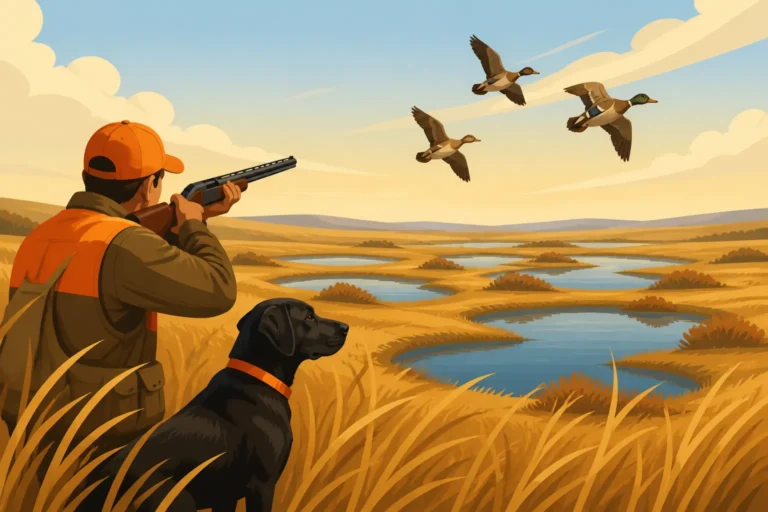
For the waterfowl enthusiast, the James River Valley is a vibrant part of the Central Flyway. Ducks and geese utilize the countless potholes, sloughs, oxbows, and even sections of the main river for resting and feeding. Depending on migration patterns and local conditions, you can encounter a variety of dabblers like mallards, pintails, and wigeon, as well as geese, particularly Canada geese.
Hunting success often hinges on scouting. Identifying active feeding areas (often cut grain fields) and nearby water bodies where birds are resting is key. Early season might see good jump-shooting opportunities on smaller stock dams or isolated potholes. As the season progresses and conditions get colder, birds will concentrate on larger, open water bodies and focus more on field feeding. Decoying over water can be very productive, especially if you've done your homework to find where the birds want to be. For field hunting geese, identifying specific fields where they are feeding is paramount, often in cut corn. Concealment in layout blinds is critical for Field Hunting Geese in South Dakota Cut Corn.
Here's a quick look at the typical haunts for these species:
| Game Species | Primary Habitat | Preferred Cover & Food |
|---|---|---|
| Ring-Necked Pheasant | Cattail sloughs, CRP fields, river bottom | Corn, soybeans, thick grass, brush, dense cattails |
| White-Tailed Deer | River timber, woodlots, crop field edges | Mature cottonwoods, willow thickets, corn, soybeans |
| Waterfowl (Ducks/Geese) | Potholes, oxbows, main river, cut crop fields | Open water, submerged vegetation, waste grain (corn/beans) |
Navigating Public and Private Access
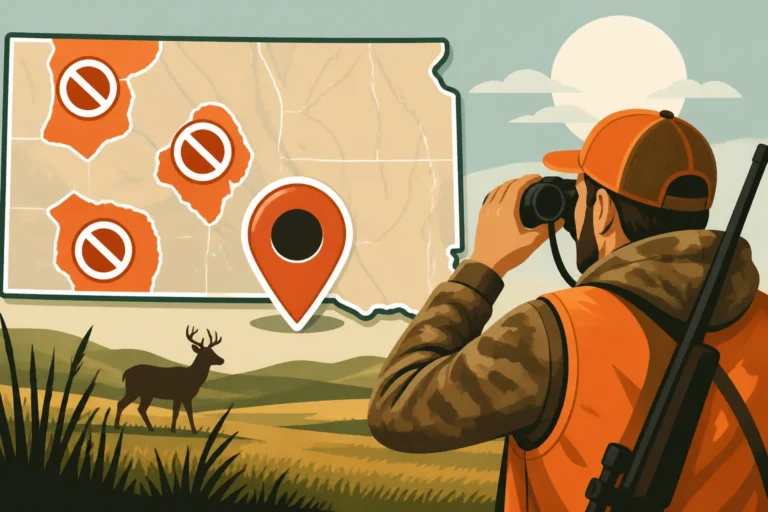
One of the biggest hurdles for hunters, especially non-residents or those new to the area, is figuring out where you can actually hunt. The James River Valley, like much of South Dakota, is a mix of private land and various public access programs. Understanding these options is critical.
Utilizing Walk-In Areas (WIAs) and Game Production Areas (GPAs)
The South Dakota Game, Fish and Parks (GFP) manages an excellent network of public access, and these are often your best bet in the James River Valley. South Dakota Walk-In Areas Explained (WIAs) are privately owned lands leased by GFP to allow public hunting access. These areas are typically marked with distinctive yellow signs, and they can vary greatly in size and habitat, but many in the James River Valley will include prime pheasant and deer cover, often right along the river or its tributaries.
Game Production Areas (GPAs) are lands owned and managed by GFP specifically for wildlife habitat and public hunting. GPAs tend to offer more consistent habitat management and are usually larger, providing more room to roam. You'll find GPAs scattered throughout the James River Valley, often encompassing river frontage, wetland complexes, and upland habitat. Always consult the current South Dakota Public Hunting Atlas (available online and via apps like onX Hunt) to locate and confirm boundaries for both WIAs and GPAs. While these are invaluable resources, always remember that foot traffic is generally the rule on WIAs, and vehicles may be restricted on many GPAs. Understanding Hunting Pressure Patterns on Walk-In Areas can also help you plan your hunts to avoid peak times.
The Role of E-Scouting and Mapping Apps
Before you even leave home, dedicate significant time to e-scouting. Tools like onX Hunt are indispensable for hunting the James River Valley. These apps allow you to view public and private land boundaries, identify potential habitat features like sloughs, timber blocks, and crop fields, and even locate access points. Layering satellite imagery with land ownership data is like having a secret weapon. You can pinpoint those crucial habitat transitions, identify pinch points for deer movement, and locate those hard-to-reach cattail jungles that hold pheasants.
When looking at a map, pay close attention to areas where public land abuts private agricultural fields. These edges are often magnets for game. You might find a small WIA that seems insignificant but borders a massive cornfield, creating a perfect travel corridor or feeding area. For more detailed e-scouting tips, refer to E-Scouting Walk-In Areas Before the Season. Don't forget that even small, isolated patches of public ground, sometimes just an acre or two, can be overlooked by other hunters and hold pockets of game, particularly pheasants.
Establishing Landowner Relationships
While public land is a fantastic resource, securing permission to hunt private land can significantly expand your opportunities in the James River Valley. Much of the prime hunting ground, especially the expansive agricultural fields and many of the most productive river bottoms, is privately owned. Building relationships with landowners can unlock access to less-pressured areas and enhance your hunting experience.
Approaching landowners respectfully, well in advance of the season, and offering to help with small tasks can go a long way. Always be prepared to identify yourself, explain what you're looking for, and respect their property and rules. A simple conversation can sometimes lead to invaluable access, and it fosters a positive image for all hunters. For practical advice on this often-overlooked strategy, check out Finding Private Land Access in South Dakota. Remember, a handshake and a respectful attitude can open more doors than any digital map.
Essential Gear and Tactics for Success
Hunting the James River Valley requires specific gear and a thoughtful approach to tactics, given the diverse habitat and often challenging conditions. Being prepared can make the difference between a frustrating day and a memorable hunt.
Footwear and Clothing for Varied Terrain
You'll be doing a lot of walking, often through dense cover, mud, and water. Waterproof, supportive boots are non-negotiable. Whether you prefer rubber boots for the wettest sloughs or sturdy leather hikers for drier uplands, ensure they are broken in and comfortable. Investing in good quality, briar-resistant pants or chaps is also highly recommended. The James River bottom is full of thorns and abrasive vegetation that will shred typical hunting pants in a hurry. Layering your clothing is also key, as temperatures can vary widely throughout the day, especially during the fall. A waterproof and windproof outer shell is crucial for those brisk mornings or unexpected showers. For tips on staying comfortable, consider Layering for South Dakota Wind.
Don't forget the practical necessities. A good quality backpack for water, snacks, extra layers, and game bags is essential. A GPS device or a mapping app like onX Hunt or GoHunt on your phone is a must for navigation, especially in unfamiliar territory or dense cover where visibility is limited. It's easy to get disoriented in thick cattails or river timber, and knowing exactly where you are relative to property lines or your vehicle is vital for safety and staying legal.
Tactics for Pressured Birds and Deer
Game in the James River Valley, particularly pheasants, are often quite pressured, especially on public lands. This means they are wise to typical hunting strategies. For pheasants, consider modifying your approach. Instead of simply walking a straight line, try zigzagging through cover, pausing frequently to make birds nervous and encourage them to flush. Work slower than you think you need to. Birds will often run far ahead, so a quick pace might push them out of range without you ever knowing they were there. For more advanced pheasant tactics, look into South Dakota Pheasant Hunting Tactics for the Opener.
For deer, understanding how they use the river bottom to evade pressure is key. During peak hunting times, deer will often bed deep within the densest cover along the river, only moving during the darkest hours. Hunting mid-day can sometimes be productive, catching deer shifting between bedding areas. Consider setting up on trails connecting heavy cover to food sources, especially during the rut when bucks are actively cruising. Using terrain features and thick vegetation to your advantage to approach undetected is critical, as the timber along the James can be surprisingly noisy.
Importance of a Good Bird Dog
If you're hunting pheasants or waterfowl in the James River Valley, a well-trained bird dog is an invaluable asset. The thick cover and often wet conditions make retrieving downed birds incredibly challenging, if not impossible, for a hunter alone. A good retriever will not only find birds you might otherwise lose but will also help locate birds holding tight in dense cover, greatly increasing your chances of a flush.
Whether you prefer a pointing dog that locks up on scent, allowing you to walk in for the flush, or a flushing dog that systematically works through cover, a dog's nose and perseverance will be a game-changer. Ensure your dog is physically conditioned for the strenuous work, well-hydrated, and protected from burrs and thorns. Remember, dogs can tire quickly in thick, muddy cover, so monitor them closely. Understanding the nuances of Pointing Dogs Versus Flushers on Wild Birds can help you determine which style best suits your hunting preference and the specific cover you're targeting.
Disclaimer
This article is for general informational purposes only and does not constitute professional advice. Laws, prices and regulations vary by location and change over time. Consult a qualified professional for guidance on your specific situation.