Game Production Areas Near Mitchell
Finding quality public hunting land in South Dakota can sometimes feel like searching for a needle in a haystack, especially if you're trying to explore a new area or maximize your time on a quick trip. While private land dominates much of the state, South Dakota's Game Production Areas (GPAs) offer incredible opportunities for hunters who know how to find them and what to expect. This guide is all about helping you unlock the potential of the GPAs around Mitchell, South Dakota, ensuring you spend less time guessing and more time hunting.
Understanding South Dakota Game Production Areas
Let's get down to brass tacks: what exactly are Game Production Areas, and why should they be on your radar when you're thinking about hunting near Mitchell? These aren't just random patches of ground; they are carefully managed wildlife habitats designed to provide public hunting access and foster healthy game populations.
What Exactly Are GPAs?
Game Production Areas are lands purchased and managed by the South Dakota Game, Fish and Parks (SDGFP). Unlike some other public access programs that rely on agreements with private landowners, GPAs are owned by the state, which means they are permanently open to public hunting. The primary goal of a GPA is habitat development and wildlife production, which, for a hunter, translates directly into places where game animals live, feed, and breed. Think of them as dedicated wildlife sanctuaries where you're actually invited to hunt.
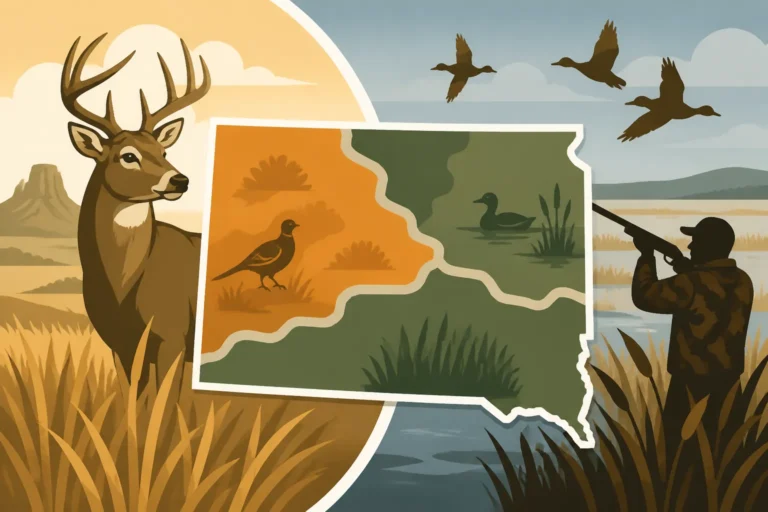
They often feature a mosaic of different habitats tailored to local game species. Around Mitchell, this usually means a mix of native prairie grasses, dense cattail sloughs, shelterbelts, and sometimes food plots. These diverse environments are crucial for pheasants, which are the main draw in this part of the state, but they also provide excellent cover and food for whitetail deer, various waterfowl species, and other small game. The SDGFP actively works on these lands, conducting prescribed burns, planting specific cover crops, and managing water levels to ensure they remain productive for wildlife. This consistent management is what makes GPAs such reliable spots year after year.
General Rules and Expectations on GPAs
Hunting on a GPA isn't like hunting on private land where you might have bespoke rules. It's public access, and with that comes a set of general regulations designed to ensure safety, fair chase, and the longevity of the resource. For the most part, GPAs are open to foot traffic only. This means you’ll be lacing up your boots and putting in the miles, which is often exactly what it takes to get away from other hunters and find unpressured birds or deer. Vehicle access is typically restricted to designated parking areas, so don't expect to drive your truck right up to your hunting spot. This can be a frustration if you're accustomed to easier access, but it's also what preserves the quality of the hunting experience.
Camping on GPAs is generally prohibited, though some larger state parks or recreation areas might have adjacent camping facilities. It's always best to check the specific regulations for the GPA you plan to visit, often available through the South Dakota Public Hunting Atlas. Blinds and stands are often allowed but must be removed at the end of each day or within a specific timeframe, and they cannot damage trees or vegetation. Always double-check these rules to avoid any issues. Understanding these basic parameters upfront means you can plan your hunt accordingly, pack appropriately, and avoid any unwanted surprises from game wardens. Respecting these rules is paramount not just for staying legal, but for maintaining good relationships among hunters and with the SDGFP, who work hard to provide these opportunities.
Navigating Game Production Areas Around Mitchell
Mitchell sits in a prime location within South Dakota's pheasant belt, making the surrounding GPAs particularly attractive. While specific GPA names and acreages can vary or be updated, the types of habitats and hunting opportunities you'll find are quite consistent.
Key GPAs Within a Manageable Drive of Mitchell
When you're looking at a map around Mitchell, you'll notice a scattering of these green-shaded parcels indicating public hunting land. Many GPAs in this region are characterized by rolling grasslands, interspersed with wetlands and sloughs—perfect pheasant country. You might find GPAs that are vast expanses of native prairie, ideal for South Dakota Pheasant Hunting Tactics for the Opener, especially if you like to walk miles. Others might be smaller, more fragmented blocks, often featuring dense cattail sloughs or cedar shelterbelts that provide critical winter cover.
Some of these GPAs are strategically located along creeks or rivers, enhancing their value for both pheasants and whitetail deer. For instance, areas near the James River or Firesteel Creek could hold GPAs that incorporate riparian timber in addition to prairie and wetland habitats. A hunter utilizing mapping applications like onX Hunt can easily identify these areas, differentiate between types of cover, and spot potential access points and even old farmsteads or brush piles that might concentrate birds. Similarly, GoHunt can provide valuable insights into hunting pressure and historical success rates for units that GPAs fall within, helping you prioritize your efforts. It's not just about finding a green spot on a map; it's about understanding the character of that green spot.
Species You Can Expect to Hunt
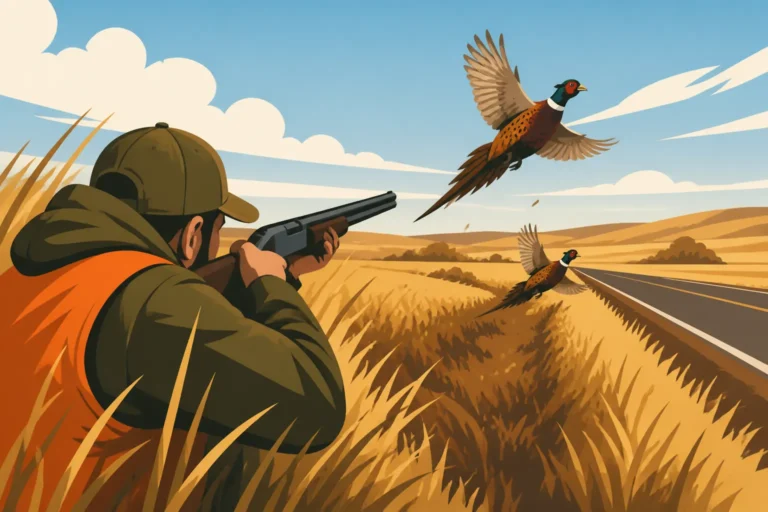
Mitchell's location means pheasants are undoubtedly the star of the show. Many GPAs are managed with ringnecks specifically in mind, featuring excellent nesting cover, roosting areas, and food sources. You can anticipate finding strong pheasant numbers, especially in the thickest cover like cattail sloughs, even later in the season. Beyond pheasants, these areas often offer solid opportunities for waterfowl hunting. Many GPAs include small prairie potholes or larger marshy sections, drawing in ducks and geese during migration. You'll want to check specific GPA regulations, as some may have restrictions on boat use or blind setups for waterfowl.
Whitetail deer are also a common sight. While GPAs typically don't hold the monster bucks you might associate with more secluded private lands, they can offer very consistent hunting for deer, especially if you focus on the timbered river breaks or dense shelterbelts. Small game such as cottontail rabbits and jackrabbits are also abundant, offering additional hunting options, particularly if you're out with a .22 or a small gauge shotgun after you've filled your pheasant limit. Keep an eye out for coyotes too; they're plentiful on the prairie and provide excellent predator hunting opportunities, often unrestricted by season.
Seasonal Considerations and Pressure
The timing of your hunt dramatically impacts your experience on GPAs, particularly around Mitchell. The pheasant opener in South Dakota is a celebrated event, drawing hunters from all over. During this initial rush, GPAs, especially those with easy access, will see significant hunting pressure. If you're planning an opener trip, be prepared to share the land, walk further, or target less obvious cover. Knowing South Dakota Pheasant Season and Licences details is crucial.
As the season progresses into November and December, hunting pressure often subsides, and birds begin to congregate in heavier cover. This is when GPAs with dense cattails or large shelterbelts truly shine. The colder weather and snow can actually make birds more predictable, pushing them into thermal cover and food sources. Waterfowl hunting peaks during migration, usually late October and November, but can extend into December depending on freeze-up. Deer hunting on GPAs can be excellent during the rut in November, as bucks move more frequently. Later in the season, during Late-Season Hunting in South Dakota Snow, deer will often concentrate in river bottoms or deep draws with good cover. Planning your trip with these seasonal patterns in mind can vastly improve your success rate.
Strategies for Successful Hunting on Mitchell-Area GPAs
Hunting GPAs successfully requires a bit more than just showing up with a shotgun. It's about smart planning, effective scouting, and adapting your tactics to the specific environment.
Pre-Season Scouting and Digital Tools
The beauty of modern hunting is the incredible array of digital tools at our disposal, and they are absolutely invaluable for GPAs. Before you ever set foot on a Game Production Area near Mitchell, spend significant time e-scouting. Applications like onX Hunt are non-negotiable here. They allow you to overlay public land boundaries with satellite imagery, identifying precise property lines, habitat types, and topographical features that are critical for planning your hunt. You can pinpoint specific cattail sloughs, identify hidden food plots, locate shelterbelts, and even mark potential parking areas or access points. This kind of detailed reconnaissance, often aided by GoHunt's data insights, helps you create a solid plan.
Look for transition areas—where different habitat types meet, like a grass field bordering a slough, or timber meeting open prairie. These are often game travel corridors or feeding areas. Identify potential escape routes for game and plan your approach accordingly. Don't just look at the GPAs themselves; examine the surrounding private land. If there's standing corn adjacent to a GPA, birds or deer might use the public land for cover and the private land for food. Understanding these patterns, even if you can't hunt the private ground, is key. This is essentially E-Scouting Walk-In Areas Before the Season, but specifically applied to GPAs. Mark waypoints for key features, potential stand locations (if deer hunting), and where you anticipate pushing birds.
Tactics for Different Game
Your approach will vary greatly depending on what you're chasing. For pheasants on GPAs, especially during the opener or busy periods, consider pushing deeper into cover that others might avoid. That thick, nasty cattail slough that looks like a chore to walk through? That’s exactly where pressured birds will hold. Don't be afraid to utilize blockers if hunting with a group, positioning them at the end of cover strips or along tree lines. Tactics like Working Food Plots at Midday can be surprisingly effective, as birds often use these areas for feeding after the morning rush. A good dog is invaluable for pheasants, especially in heavy cover.
For waterfowl, small GPAs with potholes might be jump-shooting opportunities, while larger wetlands could accommodate a small decoy spread. Scouting these water bodies for active birds before your hunt is critical. Learn about Decoying Ducks on a South Dakota Prairie Pothole to maximize your chances. Deer hunting on GPAs often means focusing on overlooked pockets of cover, thick draws, or river timber that provides security. Set up quietly before dawn, watching natural funnels or pinch points. The key is to be patient and let the animals come to you, or make slow, quiet stalks in areas with good cover.
Respecting the Resource and Other Hunters
Hunting on public land comes with a responsibility to be a good steward of the land and a considerate fellow hunter. Always pack out everything you pack in, and if you see trash, do your part and pick it up. Leave no trace of your presence. Respect boundary lines, even when retrieving a bird or a downed deer; always seek permission if game crosses onto private land.
When you encounter other hunters, a friendly wave or brief chat goes a long way. Discuss your plans if you're working the same parcel, and try to avoid "sky-busting" or cutting off another hunter's retrieve. Pheasant Hunting Etiquette on Public Ground dictates giving others space and respecting their hunt. Remember, GPAs are for everyone, and a positive attitude ensures a better experience for all. Taking the time to properly educate yourself on regulations like South Dakota Hunter Safety Requirements and practicing safe gun handling is also part of respecting the resource and your fellow hunters.
Common Challenges and How to Overcome Them
Hunting GPAs, while rewarding, isn't always easy. There are common hurdles you might face, but with a little forethought and adaptation, you can overcome them.
Dealing with Hunting Pressure
It's a fact: public lands, especially in a popular hunting state like South Dakota, can get crowded. The pheasant opener and prime weekend days will see the most traffic. To deal with this, consider hunting during weekdays if your schedule allows, as pressure significantly drops. If you're limited to weekends, try to arrive well before legal shooting light to get to your desired spot, or be willing to walk further than most. The vast majority of hunters stick close to their vehicles. By walking an extra half-mile or tackling tougher terrain, you'll often find less-pressured birds and deer. Finding Ground That Sees Fewer Hunters often comes down to putting in the physical effort to access overlooked areas.
Another strategy is to look for smaller, less conspicuous GPAs. While large blocks are great, those little five or ten-acre parcels of thick cover that might be harder to find on a map or access could hold surprising numbers of pheasants that have been pushed off larger areas. Use your onX Hunt app to meticulously scan for these hidden gems, and don't dismiss them just because they're small.
Access Issues and Terrain
The prairie landscape around Mitchell, while beautiful, can present challenges. Muddy two-tracks after a rain can quickly turn a straightforward drive into a nightmare, potentially leaving you stranded. Always be mindful of weather conditions and the type of vehicle you're driving. Four-wheel drive is highly recommended, and even then, sometimes it's better to park further away and walk. Learning about Getting Stuck on a Prairie Two-Track before it happens is valuable knowledge.
Tall, dense cover is excellent for game but can be physically demanding to walk through all day. Be prepared with appropriate footwear; waterproof, supportive boots are a must, especially if you're planning on Walking and Blocking South Dakota Cattail Sloughs. Carry plenty of water, even on cool days, and dress in layers to adapt to changing temperatures. Sunscreen and insect repellent are also often necessary depending on the time of year. Don't underestimate the physical exertion involved, especially if you're pursuing pheasants across miles of uneven ground.
Understanding GPA Boundaries and Rules
One of the most critical challenges is simply knowing where you are and what the rules are for that specific piece of public ground. South Dakota has a fantastic online hunting atlas and a mobile app that allows you to view all public lands, including GPAs. Familiarize yourself with this tool thoroughly. Use it in conjunction with onX Hunt to double-check boundaries. This is especially important for GPAs that might be adjacent to private land or other types of public access like Walk-In Areas (WIAs), which might have slightly different regulations.
Before heading out, download offline maps to your phone, as cell service can be spotty in some remote prairie areas. Always carry a physical map as a backup. Pay attention to signage at GPA entrances. Sometimes, specific local rules or temporary closures (e.g., for prescribed burns) will be posted. Taking the time to read these signs and consult resources like Using the South Dakota Public Hunting Atlas can prevent accidental trespassing or other violations, ensuring your hunt is enjoyable and legal.
Mitchell-Area GPA Hunting Quick Guide
To summarize some key points for hunting Game Production Areas near Mitchell, here's a handy overview:
| Feature | Description | Hunter Tip |
|---|---|---|
| Primary Game | Ring-necked Pheasants (high density), Whitetail Deer (good numbers), Various Waterfowl (ducks, geese on potholes), Small Game (rabbits), Coyotes | Focus on thick cover for pheasants; river bottoms for deer. Scout water for waterfowl. |
| Typical Habitat | Native prairie grasslands, dense cattail sloughs, shelterbelts (cedar/tree rows), smaller wetlands/potholes, some food plots, occasional riparian timber along waterways. | Prioritize areas with diverse cover transitions. Heavy cover equals happy birds, especially later in the season. |
| Access | Generally foot traffic only from designated parking areas. Vehicle access usually restricted to established roads. Cell service can be spotty. | Expect to walk. Use mapping apps like onX Hunt for access points. Download offline maps. Be aware of mud roads after rain. |
| Hunting Pressure | High during pheasant opener and weekends. Decreases significantly mid-week and later in the season. | Hunt mid-week if possible. Walk further than others. Target overlooked, difficult-to-access pockets of cover. |
| Key Regulations | Public hunting during legal seasons. Blinds/stands typically allowed but must be temporary. No camping. Specific firearm restrictions may apply. Always check individual GPA rules. | Consult the SDGFP Public Hunting Atlas for specific GPA rules and boundaries. |
| Recommended Gear | Waterproof, comfortable boots, layered clothing (including blaze orange), plenty of water, GPS/mapping app (onX Hunt), binoculars, shotgun for birds/waterfowl, rifle/archery for deer, first-aid kit. |
Essential for safety and comfort in variable South Dakota conditions. Be prepared for varied terrain and weather. |
Hunting Game Production Areas around Mitchell offers some of the most consistent and exciting public land opportunities in South Dakota. With a bit of planning, the right tools, and a willingness to put in the effort, you'll be well on your way to a successful and memorable hunt.
Disclaimer
This article is for general informational purposes only and does not constitute professional advice. Laws, prices and regulations vary by location and change over time. Consult a qualified professional for guidance on your specific situation.