Gifts and Thanks for Landowner Access
Trying to secure private land access for hunting in South Dakota can feel like trying to find a needle in a haystack, especially if you're new to an area or don't have existing connections. It's a genuine struggle many hunters face, and once you gain that coveted permission, knowing how to properly express your gratitude and maintain that relationship is absolutely paramount. This guide will walk you through thoughtful ways to thank landowners, ensuring those doors stay open for future seasons.
Understanding the Value of Private Land Access
Let's be honest, finding a place to hunt can be one of the biggest headaches we face as hunters. South Dakota is legendary for its wildlife, but a huge chunk of prime habitat sits on private land. Access to these properties isn't just about finding a place to pull the trigger; it's about connecting with the land, experiencing less crowded conditions, and often, encountering higher quality animals.
The Growing Challenge for Hunters
It's a frustration I hear echoed year after year: "It's just not like it used to be." And it's true. The days of simply knocking on a farmer's door an hour before opening morning and expecting a cheerful "Sure, go right ahead!" are largely behind us. Landowners today face increasing pressures, from liability concerns to property damage, and unfortunately, some hunters in the past have left a bad taste in their mouths. This means every hunter who asks for access is often starting with a deficit, having to prove themselves trustworthy and respectful. The sheer number of hunters, especially non-residents eager to experience South Dakota's bounty, also puts immense pressure on private landowners. They get bombarded with requests, and it's easy to get lost in the shuffle if you're not making a genuine effort to stand out as a responsible, appreciative individual. This reality makes securing and maintaining private land permission more valuable than ever before.
Why Landowners Hold the Key to Great Hunting
Think about it: who knows their land better than the person who works it day in and day out? Landowners are often the best managers of wildlife habitat, even if they don't think of themselves that way. Their farming practices, their grazing rotations, their decisions about leaving cover crops or managing shelterbelts directly impact the wildlife on their property. When you gain access, you're not just getting permission to walk their fields; you're gaining entry to a carefully managed ecosystem that they oversee. They often have intimate knowledge of where the deer bed, where the pheasants roost, or where the antelope water. Beyond that, they control the hunting pressure. While public lands can be a fantastic resource, they often see significant hunter traffic, which can make game more skittish and hunting more challenging. Private land, by its very nature, tends to have less pressure, offering a more natural and often more successful hunting experience. It's a privilege, not a right, and understanding that is the first step in showing genuine appreciation.
The Art of Asking for Permission
Before we even get to gifts, let's talk about the absolute foundation: how you ask for permission in the first place. This initial interaction sets the stage for everything that follows. It's your first impression, and it needs to be stellar.
Making a Great First Impression
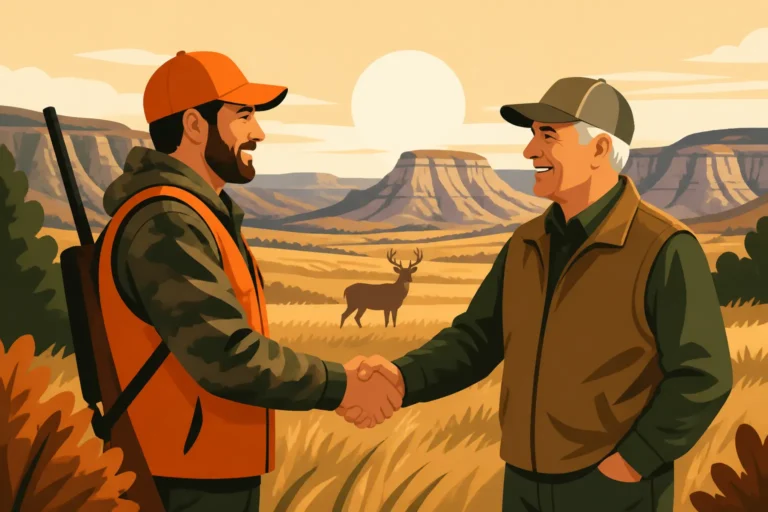
Timing is everything. Don't show up on opening day when they're swamped with chores or family. Try to approach them well before the season, perhaps in late summer or early fall, during a less busy time of day like mid-afternoon. Dress neatly and respectfully – you don't need a suit, but don't show up in dirty hunting clothes, either. Introduce yourself clearly, state your purpose, and be concise. Explain what you'd like to hunt and when. For example, "Hello, Mr. Johnson, my name is John Smith, and I was hoping to speak with you about the possibility of hunting pheasants on your land this fall." This directness shows respect for their time. Be ready to answer questions about your hunting experience, your ethical approach, and your understanding of local regulations. Some landowners are wary due to past negative experiences, so be prepared to reassure them that you are a responsible hunter. Remember, this isn't about entitlement; it's about a respectful request. Consider reviewing South Dakota Landowner Permission Basics to ensure you're starting on the right foot.
What to Offer Beyond Just "Thank You"
Sometimes, a simple verbal "thank you" feels insufficient, and it often is. When you're asking, think about what you can offer in return, even before any hunting takes place. This isn't about payment, but about demonstrating your willingness to be a good neighbor and a helpful hand. Can you offer to help mend a fence line you noticed was down? Are there weeds you could spray along a ditch? Perhaps offer to keep an eye on their property while you're out there, reporting any suspicious activity. This can be especially valuable if they live off-site or have a large property. When asking for permission, you might mention, "I'm always happy to lend a hand if you ever need help with chores around the farm, or I can keep an eye on things while I'm out there." This shows you're not just there to take, but to contribute to the well-being of their property. Some hunters even proactively offer to share their harvest, a portion of the deer meat or cleaned pheasants, if the landowner is interested. This kind of thoughtful offer can go a long way in establishing a positive relationship, proving you're more than just a hunter looking for a spot. It shows you value the relationship beyond the immediate hunting opportunity. For more tips on this initial interaction, read Asking a South Dakota Landowner for Permission.
| Type of Offer | Description | Why it Works |
|---|---|---|
| Direct Assistance | Help with farm chores, fence mending, checking livestock, property monitoring. | Shows you're willing to work and contribute, building trust and a sense of partnership. |
| Information | Report on game movement, observe property for damage/trespassers. | Landowners appreciate eyes and ears on their property, especially during busy seasons. |
| Shared Harvest | Offer a portion of cleaned game (pheasants, venison). | A tangible thank you that connects them to the outcome of their generosity, if they appreciate game meat. |
| Respectful Conduct | Adherence to all rules, leaving no trace, careful vehicle use. | The most fundamental and ongoing "thank you"; proves you are a responsible guest. |
Thoughtful Gestures: Gifts That Resonate
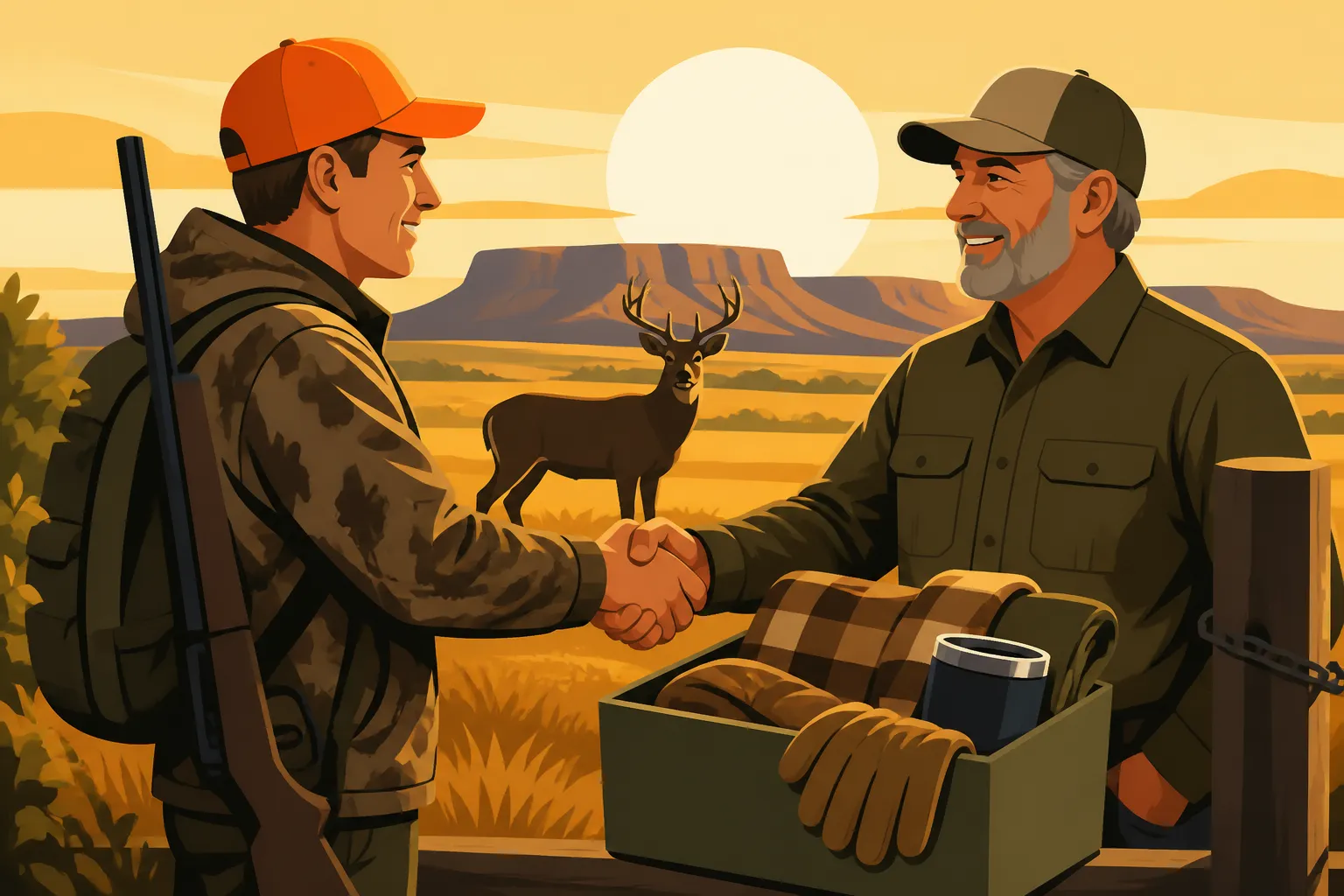
Once permission is granted, and especially after a successful hunt, a tangible expression of thanks is often appropriate. But what kind of gift? The best gifts are often those that show you put thought into the landowner's needs or interests, rather than just grabbing something generic.
Practical and Useful Gifts
Many landowners work incredibly hard, often with long hours and demanding physical labor. Gifts that make their lives a little easier or acknowledge their dedication can be deeply appreciated. A gift certificate to a local farm supply store like Runnings or Bomgaars, or even a hardware store like Ace, allows them to get exactly what they need, whether it's new fencing supplies, tools, or even something for their home. Fuel cards for a local gas station are always a hit; farming operations involve a lot of driving, and those costs add up. Local restaurant gift certificates can provide a much-needed break from cooking after a long day in the field. Think about the season: in winter, a nice pair of work gloves or a warm hat might be perfect. In summer, maybe a cooler or some bottled water. The key is to think about their daily lives and what would genuinely be useful, not just another trinket. Companies like BookYourHunt and GoHunt focus on finding hunting experiences, but they also emphasize the relationships built around hunting. Part of that is recognizing the value of the land and the people who steward it.
Personalized and Homemade Options
Sometimes the most meaningful gifts aren't bought, but made or personalized. If you're a good baker, a homemade pie, cookies, or a loaf of fresh bread can be incredibly touching. For those who hunt deer or antelope, offering some of your harvest, processed and ready for their freezer, is a fantastic way to say thank you – but always ask first to ensure they enjoy game meat. A framed photo of the beautiful landscape on their property (without any specific hunting spots revealed, of course!) or even a picture of a nice buck you harvested on their property (again, only if they're comfortable and you have permission to share such a photo) can be a lasting memento. This kind of gift shows you appreciate their specific piece of land and the memories you've made there. I once knew a hunter who kept a log of his hunts on a particular farm, noting wildlife observations and conditions, and would share a summary with the landowner at the end of the year. It made the landowner feel connected to the experience and acknowledged his role in providing the habitat.
Services and Ongoing Help
Beyond a single gift, the offer of your time and labor can be priceless. This circles back to what you can offer when you first ask for permission, but it extends throughout the year. If you live close enough, checking in periodically to see if they need help with chores can build a lasting bond. Is there a project they've been putting off? Do they need an extra set of hands during harvest or planting? Offering to help gather firewood, fix a leaky faucet, or even just run errands can demonstrate a level of commitment that far surpasses any store-bought gift. This kind of reciprocal relationship moves beyond a simple "permission granted" to a genuine friendship. It shows you're not just a seasonal visitor but someone who cares about their well-being and their property. This continuous investment of time and effort is often worth more than anything monetary.
Avoiding Common Pitfalls
While gifts are a wonderful way to express gratitude, there are a few things to keep in mind. First, don't overdo it. An overly extravagant gift can feel like a bribe or make the landowner uncomfortable. The goal is appreciation, not transaction. Second, be mindful of their preferences. If you know they don't drink alcohol, don't bring a bottle of whiskey. If they're diabetic, a huge box of cookies might not be the best choice. Pay attention during your interactions; you might pick up clues about their hobbies, needs, or even things they dislike. Lastly, and perhaps most importantly, never give a gift before you've received permission. The gift should be a thank you for their generosity, not an attempt to buy access. You want the permission to be freely given, based on your character and respectful request. If you're looking for ways to access more ground, especially public ground or understanding nuances of private vs. public, resources that help with property lines such as GoHunt can assist in scouting, but that doesn't replace the direct, respectful interaction for private land.
The Power of Persistent Gratitude Throughout the Year
Your relationship with a landowner shouldn't end when hunting season closes. The true mark of a respectful hunter is consistent gratitude and communication that extends beyond the time you're actively pursuing game.
Beyond the Hunting Season
Once the hunting season wraps up, many hunters pack up their gear and disappear until next fall. Don't be "that" hunter. A simple call or text a few weeks after the season to thank them again and perhaps offer an update on your success can go a long way. Consider sending a holiday card around Christmas or a thank-you note in the spring. A quick check-in during planting season to offer help, or a mid-summer call just to say hello and see how things are going, keeps that relationship alive. It shows you think about them and appreciate their generosity even when you're not looking for a place to hunt. This consistent, low-pressure contact builds trust and makes it much easier to ask for permission again next year. It also keeps you top-of-mind as a considerate individual, distinguishing you from the multitude of hunters who only appear when they want something.
Reporting Back and Sharing Success
Landowners often enjoy hearing about the wildlife on their property, even if they don't hunt themselves. After your hunt, especially if you had success, make it a point to let them know. If you harvested a pheasant, deer, or antelope, a quick phone call or a text with a photo (if appropriate) is a fantastic gesture. "Just wanted to let you know I was able to get a nice pheasant this morning, thanks again for the access!" This closes the loop for them and makes them feel invested in your experience. You can also offer observations: "I saw a few coveys of birds in the CRP field," or "The whitetails seem to be really using that river bottom timber." This information can be valuable to them, and it shows you're paying attention and respecting their land as a wildlife resource. This communication fosters a sense of shared experience, reinforcing the positive aspects of granting access. For tips on handling your harvest, check out Field Dressing in Warm October Weather or Getting Meat Cooled in Warm Weather.
Respecting the Resource and Their Rules
Ultimately, the most profound "thank you" you can give a landowner is your unwavering respect for their property, their rules, and the wildlife. This is more important than any gift. Always abide by every rule they set, whether it's about which fields you can access, where you can park, or what time you need to be off the property. Leave gates exactly as you found them – if it was closed, close it; if it was open, leave it open. Drive slowly on their private roads. Pack out all your trash, and then some – if you see litter that isn't yours, pick it up. Be mindful of livestock and fences. Do not cut fences, leave ruts in fields, or cause any damage. The golden rule here is to leave the property in better condition than you found it. This behavior speaks volumes about your character and reinforces their decision to grant you access. A hunter who consistently demonstrates this level of respect is a landowner's dream and will likely enjoy access for years to come. Conversely, even the most expensive gift won't overcome a lack of respect for their land. It's truly the foundation of a lasting permission relationship. Always be mindful of South Dakota Trespass Law and Posted Land and understand what Do You Need Written Permission in South Dakota? means for your specific situation.
Disclaimer
This article is for general informational purposes only and does not constitute professional advice. Laws, prices and regulations vary by location and change over time. Consult a qualified professional for guidance on your specific situation.