Pronghorn Winter Kill and Recovery
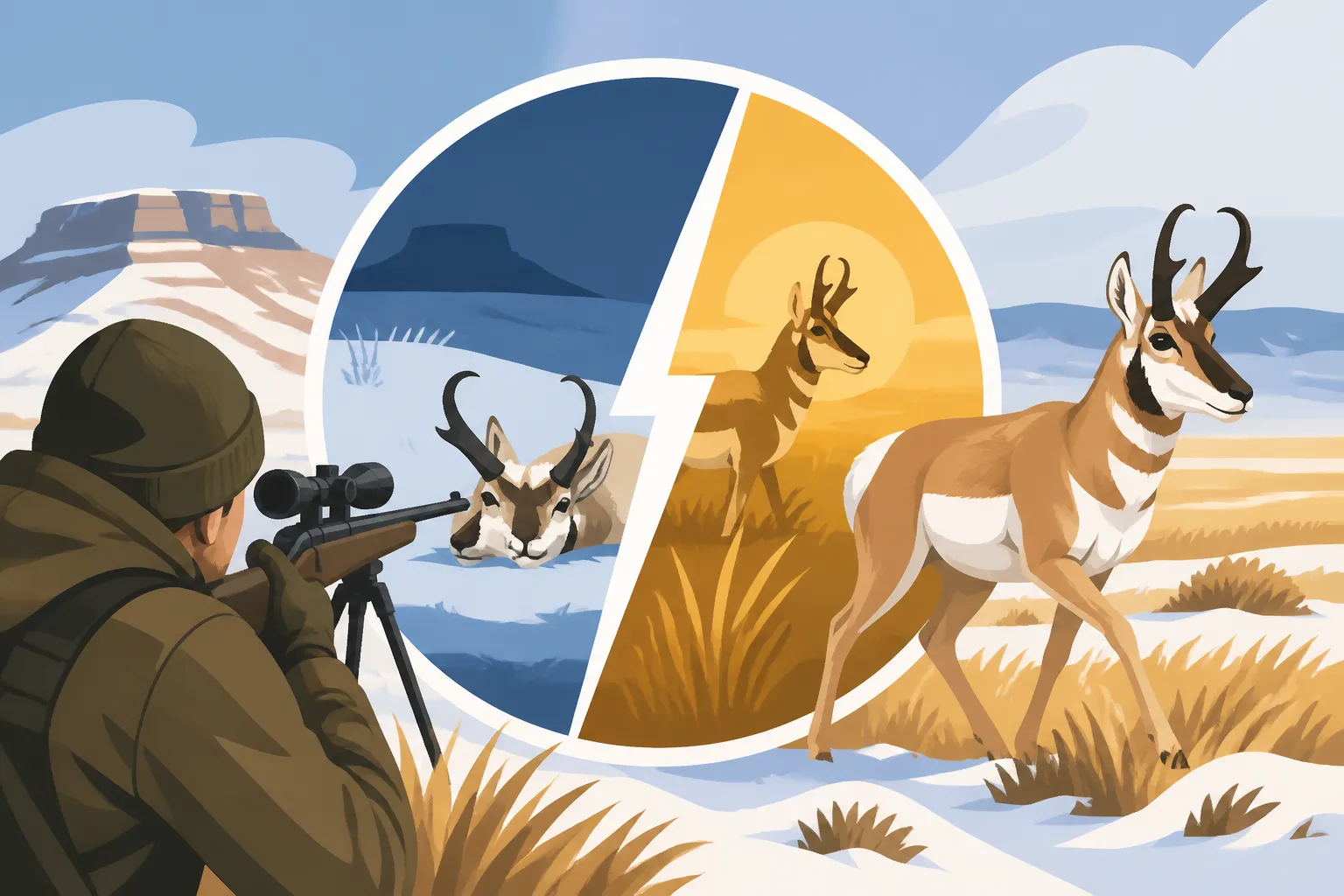
It’s a heart-wrenching reality for anyone who loves South Dakota’s wild places: sometimes, winter hits so hard that it decimates our beloved wildlife populations. Few creatures feel the brutal sting of an extreme winter quite like the pronghorn, those incredible speed demons of the prairie. When snow piles high and temperatures plunge, it can lead to devastating population crashes, leaving hunters and conservationists alike wondering about the future. This guide dives deep into the harsh realities of pronghorn winter kill, what it means for their numbers and our hunting seasons, and the long, slow road these herds embark on toward recovery.
Understanding the Harsh Reality of Winter Kill on Pronghorn
When we talk about "winter kill" for pronghorn, we're not just talking about a few animals here and there succumbing to the cold. In severe South Dakota winters, especially in the western half of the state where pronghorn thrive, these events can be catastrophic, leading to significant drops in population. It's a natural, albeit brutal, part of the ecosystem, but its impact is undeniable and often takes years to truly overcome.
The Critical Factors Leading to Pronghorn Die-Offs
Several converging factors stack the deck against pronghorn when winter bares its teeth. The most obvious culprits are extreme cold and deep, persistent snow. Pronghorn are built for speed and open plains, not for slogging through chest-deep drifts. Their long, slender legs and small hooves are perfect for traversing dry, firm ground, but they become a liability in heavy snow. When snow depths consistently exceed 10-12 inches for extended periods, it makes it incredibly difficult for them to move, let alone find food.
Beyond just the snow depth, ice crusts can be particularly deadly. Imagine trying to paw through a layer of rock-hard ice to reach the sparse sagebrush and forbs underneath. This combination of limited mobility and inaccessible forage quickly leads to starvation. Unlike deer, which can browse on woody vegetation and are more adept at moving through timber, pronghorn primarily graze on forbs, grasses, and sagebrush, which become completely unavailable under heavy snow and ice. This lack of nutrition weakens them further, making them more susceptible to disease and predation, and less able to withstand the brutal cold.
Immediate Impacts on Herd Health and Numbers
The immediate aftermath of a severe winter kill is stark. The most vulnerable animals, typically fawns born that spring and older, weaker individuals, are often the first to perish. This means that a significant portion of the youngest age class, the future of the herd, is wiped out. This isn't just a temporary dip; it's a loss that will be felt for several years in terms of recruitment and overall population structure.
Even the pronghorn that survive often do so in a weakened state. Does that endure a tough winter are less likely to successfully carry and birth healthy fawns in the spring. Their body condition is poor, leading to lower birth rates, smaller fawns, and reduced milk production. The entire herd's reproductive capacity can be severely hampered for at least a year, sometimes two, following a major winter event. Furthermore, concentration of surviving animals in limited areas where food might still be accessible can increase the risk of disease transmission, adding another layer of challenge to their recovery.
Tracking Pronghorn Populations in South Dakota
Understanding the health and size of South Dakota's pronghorn herds is crucial for both wildlife management and for hunters hoping to draw a tag. The South Dakota Game, Fish and Parks (GFP) works diligently to monitor these populations, especially after challenging environmental events like severe winters.
How Wildlife Agencies Monitor Pronghorn Health
GFP biologists employ a variety of methods to keep tabs on pronghorn numbers and health. Aerial surveys are a primary tool, typically conducted in late spring or early summer when fawns are visible with their mothers. These surveys involve flying fixed-wing aircraft or helicopters over specific management units, counting animals, and noting buck-to-doe and fawn-to-doe ratios. These ratios are vital indicators of herd health and reproductive success. A low fawn-to-doe ratio, especially after a harsh winter, is a clear red flag that the population is struggling to rebound.
Ground surveys and hunter harvest reports also provide valuable data. Biologists observe herds throughout the year, noting body condition, herd size, and distribution. Hunter check stations and mandatory harvest reporting for big game tags allow GFP to collect data on the age and sex of harvested animals, which further contributes to their understanding of the population's structure and dynamics. Tools like GoHunt's Insider platform can also aggregate and present this publicly available GFP data, allowing hunters to easily visualize trends in population and success rates for different units. This comprehensive approach helps paint a detailed picture of the overall health and population trends of South Dakota's pronghorn.
Interpreting Population Data and Hunter Success
For hunters, understanding population data directly impacts their odds of drawing a tag and their expectations for a successful hunt. After a severe winter, if fawn recruitment plummets and overall herd numbers decline, you can almost guarantee that the GFP will reduce the number of available tags for the upcoming season. This is a difficult but necessary step to ensure the long-term sustainability of the herd.
| Winter Severity Level | Expected Pronghorn Impact | Tag Allocation Outlook | Recovery Timeline (Post-Winter) |
|---|---|---|---|
| Mild | Minimal to No Impact | Stable to Slight Increase | 1-2 years |
| Moderate | Some Fawn Loss, Adult Stress | Slight Decrease | 2-3 years |
| Severe | Significant Fawn & Adult Mortality | Substantial Decrease | 3-5+ years |
| Extreme | Devastating Population Crash | Drastic Cuts | 5-10+ years |
When you see low tag numbers for a unit, it’s a direct reflection of a struggling population. Conversely, when numbers are healthy, tag allocations might increase, providing more opportunities. Hunters should always consult the official South Dakota GFP harvest reports and population summaries before applying for a tag. Sites like GoHunt often compile historical draw odds and harvest data, which can be incredibly useful when trying to decide where and when to apply, especially after a winter event that may have impacted the pronghorn. This kind of research can help you understand the long-term trends, not just the immediate aftermath of one bad winter, giving you a better chance to eventually draw a coveted South Dakota Antelope tag.
The Long Road to Pronghorn Herd Recovery
A severe winter kill isn't a death sentence for a pronghorn herd, but the path to recovery is often a slow and arduous one. Nature has its own resilience, and wildlife managers also play a critical role in assisting these unique animals in bouncing back.
Natural Recovery Mechanisms and Timelines
Pronghorn have evolved to cope with the boom-and-bust cycles of the prairie, including harsh winters. Their primary natural recovery mechanism is their reproductive potential. Under ideal conditions, does typically give birth to twins, and sometimes even triplets, after a single gestation period. When conditions improve – meaning mild winters, abundant spring rains, and lush forage – these high birth rates can lead to a relatively rapid increase in fawn numbers.
However, "rapid" for pronghorn often still means several years. If a significant percentage of the breeding does died during the winter, or if the surviving does are in poor condition, it could take a couple of years just for the does to regain sufficient health to produce robust fawns. A full recovery to pre-winter kill numbers might take anywhere from three to five years, or even longer in areas that experienced truly devastating losses, like some of the hardest-hit units during the severe winter of 2010-2011 in parts of West River. The timeline is heavily dependent on subsequent mild winters and optimal spring and summer conditions that provide the necessary forage for does to recover and fawns to thrive.
Management Strategies to Aid Pronghorn Rebound
While nature does much of the heavy lifting, wildlife agencies like South Dakota GFP implement various management strategies to facilitate and accelerate pronghorn recovery. The most common and direct response is adjusting hunting quotas. Reducing or even eliminating tags in affected units for several years allows the remaining animals to reproduce without additional hunting pressure, giving the herd a chance to rebuild its numbers. This is a tough pill for hunters to swallow, but it’s essential for the long-term health of the resource.
Beyond hunting regulations, habitat management plays a crucial role. This can include efforts to improve forage quality, enhance water sources, or modify fences that act as barriers for pronghorn, making it easier for them to move across the landscape. The iconic nature of pronghorn means there's often strong public support for conservation efforts aimed at protecting their unique habitat on the prairie. Restoring rangeland health and ensuring adequate escape cover from predators also contribute to a more resilient population. These combined efforts create a more favorable environment for pronghorn to not just survive but to truly flourish once conditions allow. For a deeper understanding of how these animals survive the elements, you might find value in exploring content on Pronghorn Losses in Severe Winters and How Long Pronghorn Herds Take to Recover.
Implications for South Dakota Pronghorn Hunters
When a severe winter hits South Dakota's pronghorn, the ripple effects are felt directly by hunters. It's not just about fewer animals on the landscape; it's about significant changes to season structures, tag availability, and even how you approach your hunt. Being prepared for these changes is key to continued success and enjoyment of this incredible pursuit.
Adjustments to Hunting Seasons and Tag Allocations
The most immediate and impactful change for hunters following a major winter kill is the drastic reduction in available hunting tags. South Dakota GFP’s primary goal is to conserve the herd, and that means cutting tags to allow the population to recover. In severely impacted units, any-antelope tags might be eliminated entirely, replaced with buck-only tags, or even cancelled altogether for a season or two. This is where researching how many points to draw antelope becomes critical, as drawing odds can plummet dramatically overnight.
For nonresident hunters, who already face steeper odds, this can be particularly frustrating, potentially setting back years of accumulating preference points. The hunting periods might also be condensed or shifted to minimize disturbance during critical recovery phases. It’s absolutely essential to keep a close eye on the annual hunting proclamations released by GFP, as they will outline all the specific changes for the upcoming season. Don't rely on last year's regulations; always check the latest information to ensure you're applying for the correct tags and adhering to current rules.
Scouting and Hunting Tactics After a Severe Winter
Even if you're lucky enough to draw a tag after a tough winter, your hunting approach will likely need to adapt. The first thing you'll notice is simply fewer animals. Areas that once held dozens of pronghorn might now only hold a handful. This makes traditional Spot-and-Stalk Antelope Hunting in South Dakota even more challenging, as you'll spend significantly more time glassing to locate animals.
Surviving pronghorn, having just endured a brutal period, might also be warier and more spread out. Their behavior can change, too. They might stick closer to areas with better cover or more consistent food sources, even if those aren't their usual haunts. Pay close attention to water sources in dry West River country, as these can become even more critical focal points for the reduced herds. Tactics like Decoying Antelope Over Water might still be effective, but remember that the overall population density will be lower. Successful hunters will need to be more patient, more observant, and often willing to cover more ground, both physically and with their optics, to find a legal buck. Utilizing tools from GoHunt to scout and understand specific unit dynamics can be a major advantage, helping you pinpoint potential areas where survivors might congregate.
Looking Ahead: Building Resilient Pronghorn Populations
While winter kill is a natural force, there are proactive steps that can be taken to help build more resilient pronghorn populations. It’s a collaborative effort involving wildlife managers, landowners, and hunters, all working towards the common goal of ensuring these iconic animals continue to grace the South Dakota prairie for generations.
Habitat Improvement and Conservation Efforts
The backbone of any robust wildlife population is healthy habitat. For pronghorn, this means vast expanses of open prairie with a diverse mix of grasses, forbs, and sagebrush, along with accessible water sources. Conservation programs that incentivize landowners to maintain or improve these crucial habitats are vital. This can include efforts to restore native prairie, control invasive species that outcompete preferred forage, and develop additional water sources, especially in drought-prone areas.
Another significant area of focus is fence modification. Traditional barbed-wire fences, while necessary for livestock management, can be a death trap for pronghorn, which prefer to go under obstacles rather than jump over them. Programs exist to modify the bottom strand of fences to be smooth wire and raised higher off the ground, creating "pronghorn-friendly" passages. These seemingly small changes can dramatically improve a herd's ability to move freely, access resources, and escape harsh conditions or predators, thereby increasing their resilience against future severe winters. Understanding Pronghorn Numbers Across South Dakota helps direct where these efforts are most needed.
The Role of Hunters in Pronghorn Stewardship
Hunters are often the most passionate conservationists, and their role in pronghorn stewardship is indispensable. The dollars generated from hunting licenses and excise taxes on firearms and ammunition (through the Pittman-Robertson Act) provide crucial funding for wildlife research, habitat restoration, and management programs that directly benefit pronghorn. By purchasing licenses and supporting conservation organizations, hunters directly contribute to the financial health of these programs.
Beyond financial contributions, hunters can act as invaluable eyes and ears on the ground. Reporting unusual animal sightings, signs of disease, or concerns about habitat to GFP helps biologists gather critical data. Participating in public comment periods for proposed season changes, even if it means advocating for reduced tags after a tough winter, demonstrates a commitment to the long-term health of the resource over immediate personal gain. This ethical approach ensures that future generations will also have the opportunity to chase these magnificent animals across the vast South Dakota landscape. By actively engaging in these ways, we collectively work to secure the future for South Dakota Pronghorn Population Estimate and their continued presence on our prairies.
Disclaimer
The information provided in this guide is for general informational purposes only and is not intended as legal advice or a substitute for official regulations. Hunting regulations, season dates, and license requirements are subject to change. Always consult the official South Dakota Game, Fish and Parks (GFP) website and current hunting proclamations before planning any hunting activity.