Custer State Park Elk and Bison
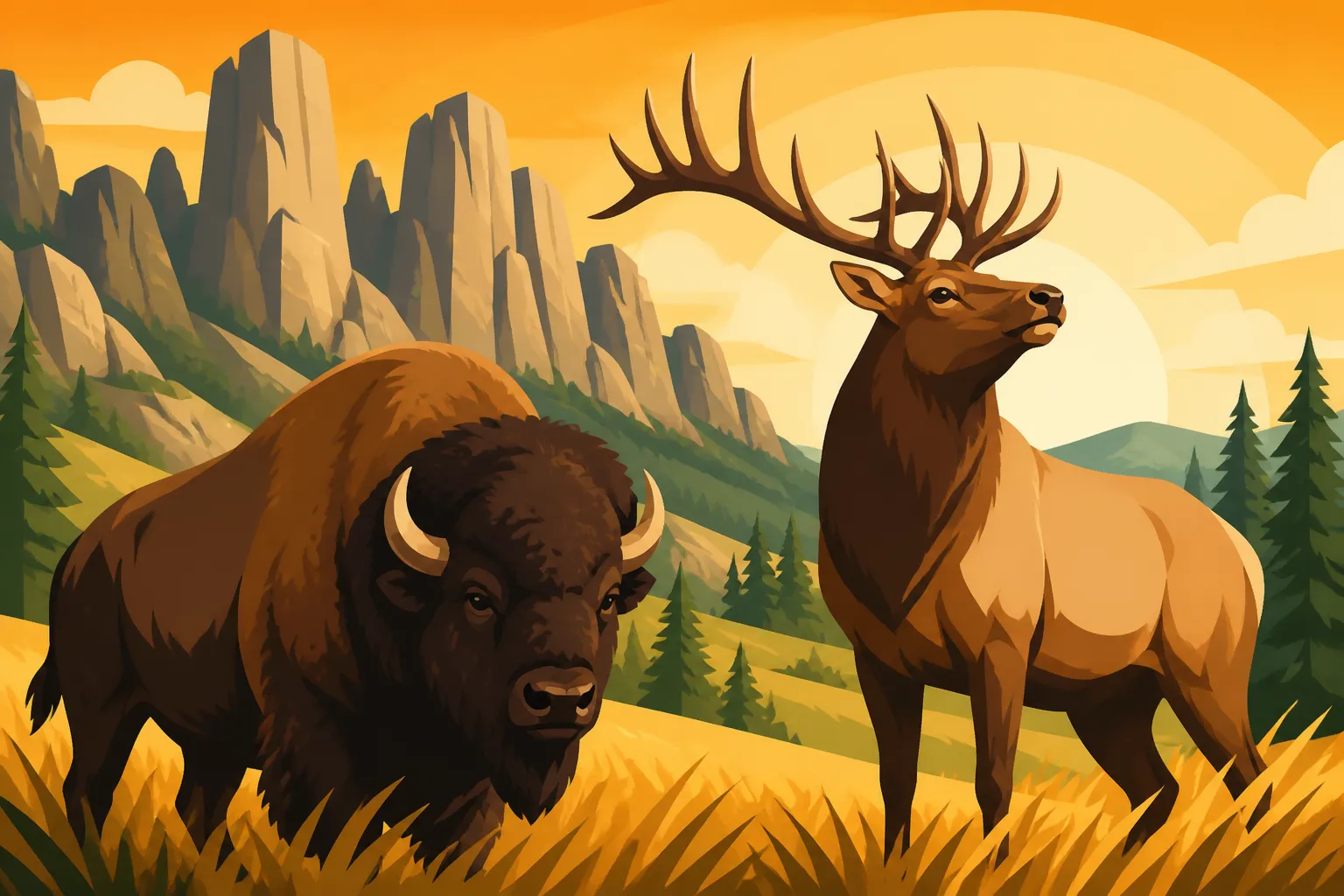
Custer State Park, nestled in the stunning Black Hills, is often viewed as a pristine wildlife sanctuary, a postcard-perfect destination where majestic elk bugle and massive bison roam freely. While this vision holds true in many ways, understanding the true dynamics of its iconic elk and bison populations, especially for those with a hunting interest, reveals a much more nuanced picture than a simple drive-through might suggest. This guide will delve deep into how these incredible herds are managed, the unique hunting opportunities available, and what makes Custer State Park a vital part of South Dakota's wildlife legacy.
The Iconic Wildlife of Custer State Park
Custer State Park is more than just a beautiful landscape; it's a living, breathing ecosystem where some of North America's most iconic wildlife thrives. For many, a visit here is their first true encounter with animals like bison and elk in a relatively wild setting, moving across vast expanses rather than confined spaces. It's an experience that leaves a lasting impression, connecting visitors to the rugged history and natural grandeur of the American West.
A Sanctuary of Untamed Beauty
Spanning over 71,000 acres, Custer State Park is a jewel in the crown of the Black Hills, renowned for its granite spires, rolling prairies, and pine-clad forests. This diverse topography provides critical habitat for a rich variety of wildlife, from the smallest prairie dogs to the largest herd animals. The park's commitment to conservation means these animals are managed with their long-term health and the ecosystem's balance in mind, ensuring future generations can experience their presence. It's a place where the wild heart of South Dakota truly beats, offering a glimpse into what the landscape might have looked like centuries ago.
Beyond the Tourist Trail: Custer's Significance
While many visitors experience Custer State Park from the scenic Wildlife Loop Road, its significance stretches far beyond being a tourist attraction. The park plays a crucial role in wildlife research, conservation efforts, and even genetic diversity for certain species. The herds within the park are carefully monitored, and management strategies are continuously adapted to address challenges like habitat changes, disease, and population fluctuations. For hunters interested in the bigger picture, understanding the park's role helps put the broader Black Hills ecosystem into perspective, highlighting how interconnected all these populations truly are.
Understanding Custer's Elk Population
The Black Hills of South Dakota are synonymous with elk, and Custer State Park hosts a significant portion of this majestic species within its boundaries. Seeing a bull elk emerge from the timber, his antlers silhouetted against the Black Hills skyline, is an unforgettable experience, whether you're a hunter or a wildlife enthusiast. However, managing these large ungulates within a state park frequented by millions of visitors presents unique challenges and requires a specialized approach.
Herd Management and Health
The elk herd in Custer State Park is a cornerstone of its wildlife program. Unlike elk populations in many other areas that primarily face hunter pressure, Custer's elk are managed to maintain a healthy balance with their habitat and to minimize conflicts with human activity. This involves constant monitoring of herd numbers, calf recruitment, overall health, and forage availability. The park employs strategies that include carefully regulated hunting opportunities (which we'll dive into shortly) and habitat improvement projects to ensure the herd remains robust and sustainable. Factors like winter severity and access to crucial winter range play a significant role in herd dynamics, making flexible and adaptive management essential. You might be surprised to learn how detailed the data collection is, often informing broader Black Hills elk management strategies outside the park. For those considering a hunt, knowing the herd is actively managed for health can offer a lot of confidence in the quality of the animals. For more context on the larger Black Hills population, you can explore the Black Hills Elk Herd History.
Limited Hunting Opportunities and the Draw System
Hunting for elk within Custer State Park is not your typical public land free-for-all; it's an extremely coveted opportunity, often considered a once-in-a-lifetime draw. The South Dakota Game, Fish and Parks (GFP) allocates a very limited number of tags each year for specific units within the park. These hunts are designed not just for recreation but as an integral part of the park's wildlife management plan, helping to control herd numbers and maintain ecological balance. The draw system for these tags is incredibly competitive, with odds often being astronomically low due to the sheer volume of applicants vying for just a handful of permits. Many hunters dedicate years, even decades, to accumulating preference points in the hope of drawing one of these rare tags. Using tools like those found on GoHunt can provide insight into draw odds and help strategize your application process for these highly sought-after permits, which are often grouped under the broader South Dakota Big Game Draws and How to Apply system.
Observing Elk in Custer State Park
For those who don't draw a tag, or simply prefer to observe these magnificent animals, Custer State Park offers ample opportunities. The best times for viewing elk are typically at dawn and dusk when they are most active. Popular spots include the Wildlife Loop Road, especially around French Creek and along the higher elevations. During the rut in late September and October, the bugling of bull elk fills the air, providing a thrilling auditory experience for visitors. Patience is key, as is a good pair of binoculars. Remember, these are wild animals, and their movements are unpredictable, making every sighting a special event. Observing them in their natural habitat can also be incredibly educational, helping hunters to better understand elk behavior even when they're pursuing them in other regions.
The Mighty Bison of Custer State Park
Few animals evoke the spirit of the American West quite like the American bison, and Custer State Park is home to one of the largest publicly owned herds in the world. These immense creatures are a powerful symbol of resilience and a testament to successful conservation efforts, drawing visitors from across the globe to witness their majestic presence. Their sheer size and presence are truly humbling, reminding us of the vast, wild landscapes that once covered the continent.
A Legacy Restored: The Bison Herd's History
The history of bison in Custer State Park is a powerful narrative of near extinction and remarkable recovery. In the late 19th century, bison populations were decimated across North America, reduced to mere hundreds from tens of millions. Custer State Park played a vital role in their comeback, establishing a herd in the early 20th century from a small number of animals. Today, the park manages a herd of approximately 1,300 to 1,500 bison, maintaining genetic purity and a healthy population through careful stewardship. This herd is not just a tourist attraction; it's a vital genetic resource and a living link to the prairie's past. Understanding this history deepens one's appreciation for every thunderous hoofbeat.
The Annual Buffalo Roundup: A Management Tool
One of the most iconic events in Custer State Park is the Annual Buffalo Roundup, held every fall. This isn't just a spectacle for tourists; it's a critical wildlife management operation. Park staff, along with volunteer cowboys and cowgirls, round up the entire herd to a central handling facility. Here, the bison are vaccinated, branded, and sorted. Calves are separated, and animals are selected for sale to maintain the herd at a sustainable size, preventing overgrazing and ensuring the health of the park's ecosystem. It's a crucial process that keeps the herd thriving and exemplifies the active, hands-on management that goes into preserving these magnificent beasts. For those who witness it, it's an incredible display of skill and a direct connection to the traditions of the West.
Encountering Bison Safely
While bison are captivating to observe, it's paramount to remember they are wild, powerful, and unpredictable animals. Despite their seemingly docile appearance, they can be incredibly dangerous if provoked or if you get too close. The park strongly advises visitors to remain in their vehicles when bison are nearby and to maintain a safe distance, generally at least 100 yards. They can run surprisingly fast, much quicker than a human, and their massive size means they can inflict serious injury. It's a common frustration to see visitors disregard these warnings, but respecting their space is not just for your safety, but for the well-being of the animals themselves, preventing them from becoming habituated or defensive. Always err on the side of caution when these magnificent animals are present.
Habitat and Ecosystem Dynamics within the Park
Custer State Park is a microcosm of the diverse South Dakota landscape, providing a rich tapestry of habitats that support its iconic wildlife. From the towering Ponderosa pine forests to the expansive grasslands, each ecological niche plays a vital role in the survival and flourishing of species like elk and bison. This intricate balance is what makes the park so dynamic and fascinating.
Diverse Landscapes Supporting Wildlife
The park's terrain varies dramatically, offering a mosaic of environments. The northern and western sections are dominated by the rugged Black Hills, characterized by pine forests, granite formations, and steep canyons. These areas provide crucial cover and forage for elk, especially in higher elevations where they seek refuge and browse. In contrast, the southern and eastern parts transition into more open prairie and grassland, providing ideal grazing grounds for bison. This varied landscape ensures that both species have access to the resources they need throughout the year, from succulent spring grasses to protective winter cover. Understanding these distinct habitat preferences is key to knowing where to look for different game species, whether you're observing or, in the case of a drawn tag, hunting.
Interconnections: Elk, Bison, and the Land
The relationship between the elk, bison, and the land they inhabit is complex and interdependent. Bison, as grazers, help maintain the health of the park's grasslands by preventing shrub encroachment and promoting the growth of diverse forage. Elk, being both grazers and browsers, utilize a wider variety of vegetation, impacting both the forests and the open areas. However, large populations of either species can exert significant pressure on vegetation, leading to concerns about overgrazing or habitat degradation. This is where careful management, including controlled hunting and targeted removal of animals, becomes essential to ensure the long-term health of the entire ecosystem. It's a delicate balance, and the park strives to maintain it, recognizing that the health of the animals is inextricably linked to the health of the land.
Hunting Opportunities and Regulations in Custer State Park
For many hunters, the prospect of drawing a Custer State Park tag is the ultimate dream. These are not easy hunts, nor are the tags simple to acquire. They represent a unique blend of challenge, prestige, and a deep connection to a pristine landscape. The park offers highly specialized hunts that are distinct from those found on general public lands.
The Exclusive Custer State Park Big Game Draw
As mentioned, hunting in Custer State Park is exclusively managed through a very limited draw system, primarily for elk, and occasionally for deer or even bison, depending on management needs. These are separate from the general statewide draws and often have even more challenging odds. The application process is typically handled through the South Dakota GFP online portal, and deadlines are strict. For non-residents, these hunts can be particularly elusive. It's essential to understand the specific unit boundaries within the park, the types of tags offered (e.g., bull elk, antlerless elk), and the season dates, which can vary. Many hunters rely on resources like GoHunt to track application data, success rates, and optimal strategies for South Dakota Draw Application Deadlines and maximizing their chances. Given the investment of time and potentially preference points, thorough research is non-negotiable.
Here's a quick overview of some aspects to consider:
| Feature | Elk Hunt in Custer State Park | Bison Hunt in Custer State Park (Rare) |
|---|---|---|
| Availability | Annual, very limited tags | Very rare, management-dependent |
| Application Method | SD GFP Draw System | SD GFP Draw System |
| Draw Odds | Extremely low, often <1% | Near impossible, true "once-in-a-lifetime" |
| Purpose | Population control, recreation | Herd reduction, conservation |
| Terrain | Mountainous, timbered, open parks | Open prairie, some timber |
| Physical Demand | High (steep ridges, thick timber) | Moderate to High (spot & stalk) |
| Season Dates | Varies by tag type, typically fall | Varies, often late fall/early winter |
| Guided Options | Limited private guide options (if allowed on tag) | N/A, often DIY |
Specific Rules and Requirements for Park Hunts
Drawing a Custer State Park tag is just the first step. The regulations governing these hunts are often more stringent than general hunting laws. For instance, specific weapon restrictions, travel rules within the park, and designated hunting zones might apply. Because the park is a high-visitation area, safety is paramount, and hunters are expected to exercise extreme caution and adhere to all park rules. Tagging and harvest reporting requirements are also strict. It's critical to thoroughly review the specific hunt unit regulations provided by South Dakota GFP for your exact tag, as well as the overarching Custer State Park Hunting Rules. Failure to comply with any regulation can result in severe penalties and loss of hunting privileges. Hunters are expected to be good stewards, setting a positive example for other park visitors who may not be familiar with hunting.
Planning Your Visit to Witness Custer's Wildlife
Whether you're holding a coveted tag or simply hoping to catch a glimpse of these magnificent animals, careful planning will enhance your Custer State Park experience. The park is vast, and knowing where and when to focus your efforts can make a huge difference in your success.
Best Times and Locations for Wildlife Viewing
For general wildlife viewing, the early morning hours just after sunrise and the late afternoon before sunset are consistently the most productive. This is when elk are often moving between feeding and bedding areas, and bison might be more active grazing. The Wildlife Loop Road is, of course, a prime location, but don't overlook areas like Sylvan Lake for different species or the quieter backroads for a more serene experience. The park's higher elevations, particularly along the Needles Highway, can offer vantage points for spotting elk in distant meadows. Remember that wildlife, especially the majestic South Dakota Elk in the Black Hills and Prairie, is wild, so patience and a keen eye are your best assets. Autumn, particularly during the elk rut, offers exciting opportunities to hear and sometimes see bulls bugling, while spring brings new life with bison calves and elk fawns.
Respecting Wildlife and Park Rules
When visiting Custer State Park, it's vital to respect both the wildlife and the park's regulations. Maintaining appropriate distances from all animals, using pull-offs when stopping for observations, and never feeding wildlife are fundamental rules. These rules are in place not to diminish your experience, but to protect both you and the animals, ensuring they retain their wild instincts and behaviors. Remember, habituated animals can become dangerous animals. For hunters lucky enough to draw a tag, it's also about upholding the positive image of ethical hunting. Hunters in Custer State Park have an even greater responsibility to demonstrate respectful and safe practices, especially given the high volume of non-hunting visitors. This includes understanding the specific zones and times where hunting is permitted, as well as being fully aware of South Dakota Legal Shooting Hours for Big Game to avoid any misunderstandings. Your actions reflect on the entire hunting community, and in such a public-facing area, that's particularly important.
Disclaimer
This guide is intended for informational purposes only and does not constitute legal advice. Hunting regulations, season dates, and park rules are subject to change. Always consult the official South Dakota Game, Fish and Parks (GFP) website and current year's hunting handbook for the most accurate and up-to-date information before planning any hunting trip or visit to Custer State Park. Hunters are responsible for understanding and adhering to all applicable laws and regulations.