Are Walk-In Areas Public Land?
One of the most common points of confusion for hunters heading to South Dakota, especially those from out of state or new to hunting the prairie, revolves around the seemingly simple question: "Are Walk-In Areas public land?" It's a valid question, and the answer isn't always as straightforward as a simple yes or no. This guide will cut through the jargon and explain exactly what South Dakota's Walk-In Area (WIA) program is, how it differs from traditional public land, and how you can make the most of these valuable hunting opportunities.
Understanding South Dakota's Walk-In Area Program
When you're dreaming of chasing pheasants across South Dakota's golden fields or spotting a mule deer buck on a prairie draw, the sheer amount of open ground can be exhilarating. But not all accessible land is created equal, and the Walk-In Area program is a prime example of a unique partnership that boosts hunting opportunities without converting private ownership. Many hunters, myself included, have stood at the edge of a promising field, looked at a WIA sign, and wondered if it’s "really" public. It’s a natural reaction, especially when you’re used to the clear-cut definitions of federal or state lands back home.
What Exactly is a Walk-In Area?
At its heart, a Walk-In Area (WIA) is private land, voluntarily enrolled by a landowner into an agreement with the South Dakota Game, Fish and Parks (GFP) to allow public hunting access. Think of it less as land that the state owns, and more as land that the state has temporarily "borrowed" for public use. The landowner still holds the deed, pays the taxes, and manages the property. Their participation in the WIA program is an incredible gift to hunters, opening up thousands upon thousands of acres that would otherwise be entirely off-limits. These agreements are typically annual, meaning the specific parcels enrolled can shift from year to year, which is a crucial detail for anyone planning a hunt.
It’s important not to conflate WIAs with traditional public lands like state Game Production Areas (GPAs) or federal lands such as the National Grasslands. Those types of land are owned by the government, either state or federal, and are permanently designated for public access and wildlife management. WIAs, on the other hand, are working farms and ranches where the landowner decides to open their gates to hunters for a season. This distinction underpins many of the rules and expectations you'll encounter when hunting a WIA. The program relies heavily on the good faith and stewardship of both the landowners and the hunters.
The "Public Access" Versus "Public Ownership" Distinction
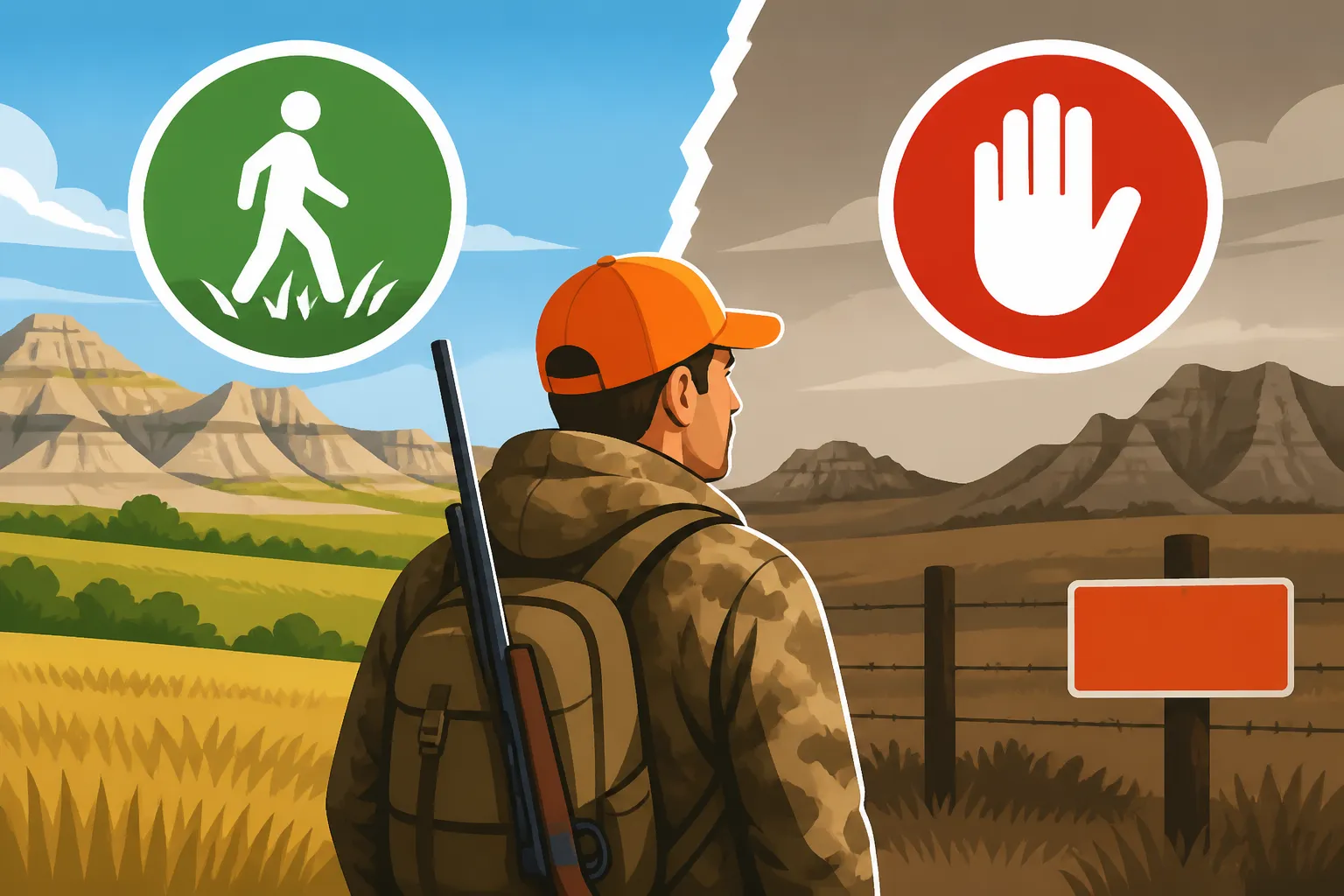
This is where the nuance really comes into play. Walk-In Areas are, without a doubt, publicly accessible. The signs clearly indicate that you, as a member of the public, are allowed to enter and hunt during designated seasons. However, this public access does not equate to public ownership. The legal title to the land remains firmly in private hands. This distinction carries significant implications for things like how the land can be used, the types of activities permitted, and the permanence of the access.
For example, on a WIA, you’ll almost universally find a "foot traffic only" rule, and that's a direct reflection of it being private property where vehicular traffic might impact crops, pastures, or farm operations. You won't typically find permanent infrastructure like developed campsites or established trails that you might on true public lands. How South Dakota Walk-In Areas Work further illustrates how these agreements benefit both landowners and hunters by clearly defining the terms of engagement. The temporary nature of the access means that while a field might be a fantastic pheasant honey-hole one year, it could be out of the program the next, making up-to-date mapping tools absolutely essential.
Key Differences Between WIAs and Traditional Public Land
Understanding that WIAs offer "public access" but aren't "publicly owned" is the first step. The next is to grasp the practical differences this creates on the ground. These differences shape everything from how you scout to what you can legally do once you're on the land. Ignoring these distinctions can lead to frustration, or worse, legal trouble.
Rules and Regulations: What Hunters Need to Know
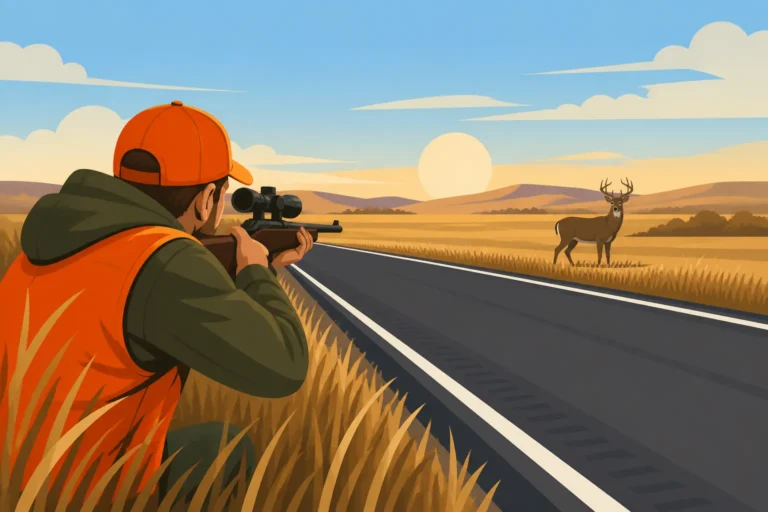
One of the biggest distinctions you'll immediately notice between WIAs and traditional public lands is often the specific rules posted. While general hunting regulations (bag limits, shooting hours, etc.) apply everywhere, WIAs frequently have additional restrictions designed to protect private property and maintain the landowner's willingness to participate in the program. The most universal WIA rule is Foot Traffic Only Rules on South Dakota Walk-In Areas. This means no ATVs, no pickups, no driving through fields – you walk in, and you walk out. This isn't just a suggestion; it's a legal requirement.
Furthermore, generally, you cannot leave permanent blinds, treestands, or even trail cameras on WIA land. This again stems from the land being privately owned; the landowner doesn't want permanent structures left behind, especially if the land rotates out of the program. On traditional public land like a National Forest, while specific rules vary by area, there's often more flexibility regarding temporary structures, provided they adhere to specific timeframes. Always check the physical WIA signs and the South Dakota Public Hunting Atlas for any unique regulations pertaining to the specific parcel you intend to hunt. It truly pays to be informed and respectful.
Longevity and Predictability of Access
This is perhaps the most significant difference impacting long-term hunting plans. Traditional public lands, like a Game Production Area or a national wildlife refuge, generally remain open for public hunting year after year. Their status is permanent. With Walk-In Areas, however, the access is temporary. Landowners enter into annual agreements with GFP, and they can choose not to re-enroll their land for various reasons, such as changing farming practices, personal family decisions, or even negative experiences with hunters. South Dakota Walk-In Area Acres and Landowners outlines the mechanics of this program.
Imagine spending years scouting a particular WIA, learning its nuances, and consistently finding success there, only to arrive one season and discover the signs are gone, and it's no longer part of the program. This can be incredibly frustrating. While it's a small price to pay for the tremendous amount of land gained, it means hunters need to stay vigilant, always checking the most current South Dakota Public Hunting Atlas. This unpredictable nature means your "go-to" spot might not always be there, encouraging a more adaptive approach to hunting public-access ground in South Dakota.
Navigating and Utilizing Walk-In Areas Effectively
Given the unique nature of Walk-In Areas, having the right tools and a solid strategy for navigation is paramount. You can't just assume anything; you have to be proactive in knowing where you are and what the rules are. This proactive approach not only keeps you legal but also ensures you have a more enjoyable and successful hunt.
Tools for Identifying and Accessing WIAs
In the modern age, physical maps are still great, but digital tools are indispensable for navigating South Dakota's complex patchwork of public and public-access lands. The first and most essential tool is the official South Dakota Public Hunting Atlas, available both online and as a mobile app. This resource is updated annually and shows all GPAs, National Grasslands, Waterfowl Production Areas, and, critically, the current season's Walk-In Areas. You absolutely cannot hunt South Dakota without consulting this atlas.
Beyond the official atlas, mapping apps like onX Hunt and GoHunt become incredibly powerful companions. These platforms layer public land boundaries, WIA parcels, and private property lines onto satellite imagery, often in real-time or with very recent updates. With onX Hunt, for example, you can see exactly where a WIA boundary ends and private land begins, even distinguishing between different private landowners. This precision is invaluable when you're deep in cover and need to be sure you're on legal ground. Finding Property Lines in South Dakota becomes much easier with these tools, preventing accidental trespass which can have serious consequences and damage landowner relations. These apps also allow you to mark waypoints, track your movement, and even download maps for offline use when cell service is spotty, which it often is in parts of the prairie.
Respecting Boundaries and Landowner Trust
The success of the WIA program hinges entirely on the trust between hunters and landowners. Every time a hunter respects the posted boundaries, adheres to the "foot traffic only" rule, and leaves no trace, they reinforce that trust. Conversely, every instance of littering, driving where prohibited, or trespassing on adjacent private land erodes that trust and puts the entire program at risk. Landowners participate because they care about wildlife and hunting heritage, but they also have working farms and ranches to protect.
It's not just about staying within the WIA boundaries while you're hunting; it extends to how you retrieve game. If a rooster or a deer you've shot crosses into adjacent private land that isn't a WIA, you must obtain permission from that landowner before pursuing it. Retrieving Game From Private Land is not an automatic right in South Dakota, even if you clearly saw the animal fall just over the fence. This act of courtesy is vital. Remember, the landowner is doing you a favor by opening their land; respecting their property and rules ensures the program continues for future generations of hunters.
The Benefits and Challenges of South Dakota's WIA System
The Walk-In Area program is a cornerstone of South Dakota hunting, providing unparalleled access. However, like any large-scale initiative, it comes with both incredible advantages and a few inherent challenges that hunters should be aware of. Embracing these realities helps us all be better stewards and more effective hunters.
The Immense Value for Hunters
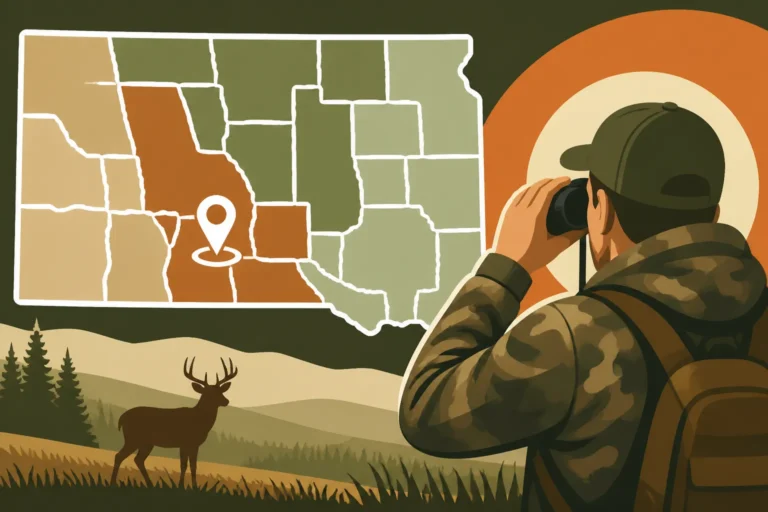
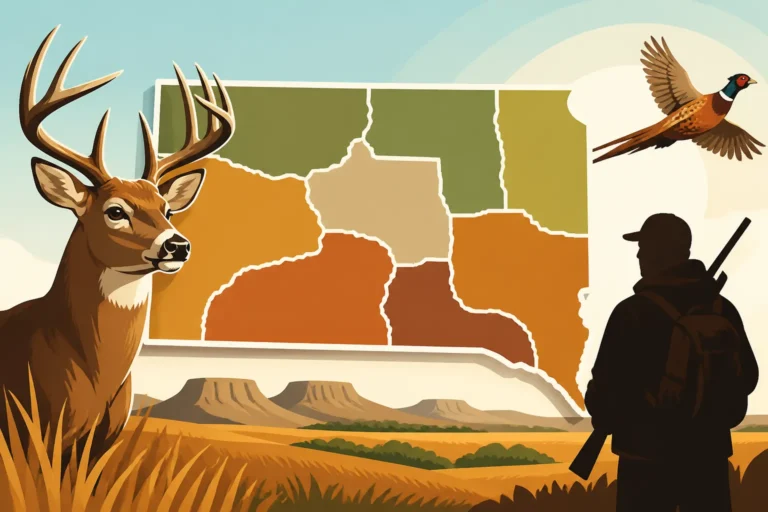
When you look at a map of South Dakota, the sheer volume of green acres – representing public and public-access lands – is staggering. Much of this green comes from the WIA program. It transforms what would otherwise be an almost entirely private landscape into a huntable paradise, especially for pheasants. For nonresident hunters or residents without private land connections, WIAs are often the gateway to experiencing the legendary hunting opportunities South Dakota offers. Imagine the frustration if all those acres were locked away!
These areas provide critical habitat for ring-necked pheasants, but also offer significant opportunities for South Dakota Whitetail Hunting in River Bottoms, Spot-and-Stalk Antelope Hunting in South Dakota, and Waterfowl Hunting the South Dakota Prairie. Without the WIA program, many hunters simply wouldn't have enough ground to pursue their passion. It decentralizes hunting pressure by spreading hunters across a wider geographical area and allows for diverse hunting experiences, from vast native grass pastures to dense cattail sloughs. The program truly maximizes hunting opportunity, making South Dakota a bucket-list destination for many.
Potential Drawbacks and Hunter Responsibility
While the benefits are huge, it's unrealistic to ignore the potential challenges. The temporary nature of WIA agreements means that your favorite spot could be gone next season, necessitating constant re-scouting and map checks. This can be frustrating for hunters who prefer to establish long-term knowledge of a specific area. Furthermore, popular WIAs, especially those easily accessible or known for good bird numbers, can experience significant hunting pressure, particularly during the pheasant opener. Hunting Pressure Patterns on Walk-In Areas can sometimes be intense.
| Feature | Walk-In Area (WIA) | Traditional Public Land (GPA, National Grassland) |
|---|---|---|
| Ownership | Private Landowner | State (GFP) or Federal (USFS, USFWS) Government |
| Access Status | Public Access (temporary, annual agreements) | Public Ownership (permanent) |
| Primary Use | Working agricultural land, hunting access | Wildlife management, recreation, conservation |
| Vehicular Access | Foot traffic only (nearly always) | Often allows vehicular access on designated roads/trails |
| Permanent Structures | Generally prohibited (no stands, blinds, cameras) | May allow temporary structures with specific rules/timeframes |
| Annual Availability | Can change year to year based on landowner choice | Generally consistent year to year |
| Mapping Importance | Critical to verify current status annually | Important for boundaries, but status is more stable |
| Landowner Contact | Essential for retrieving game from adjacent private | Not typically necessary, as land is permanently public |
The "foot traffic only" rule, while good for wildlife and respectful of landowners, also means hunters need to be physically prepared to cover significant ground. This isn't a "hunt from the truck" scenario. You'll be walking, often through thick cover or across rolling terrain. Finally, the burden of responsibility falls squarely on the hunter to know the rules, respect the land, and maintain ethical conduct. Every hunter is an ambassador for the entire hunting community, and poor behavior on a WIA jeopardizes access for everyone. By being informed, respectful, and prepared, we ensure the future of this incredible program. Scouting South Dakota Public Ground Before the Season and thorough map review are your best friends in maximizing your WIA success.
Disclaimer
This article is for general informational purposes only and does not constitute professional advice. Laws, prices and regulations vary by location and change over time. Consult a qualified professional for guidance on your specific situation.