South Dakota Archery Deer Season Dates
It's incredibly frustrating when you're trying to plan an archery deer hunt in a state like South Dakota, only to find the exact season dates shrouded in a bit of mystery or scattered across multiple websites. You've got your bow tuned, your broadheads sharpened, and a burning desire to chase some prairie whitetails or mule deer, but without those concrete dates, it feels like you're aiming at a moving target. This guide is here to cut through that confusion, giving you the definitive South Dakota archery deer season dates and all the vital information you need to make your hunt a reality.
Understanding the General Archery Deer Season Framework
South Dakota offers a generous archery deer season, which is a real blessing for bowhunters looking for ample opportunity. Unlike some states with very short windows, the Mount Rushmore State gives archers a good long stretch of time, typically running from early September all the way through the general firearm seasons and into the dead of winter. This extended season allows hunters to experience vastly different phases of the deer's annual cycle, from velvet bucks in early fall to late-season challenges in heavy snow.
Historically, the archery deer season kicks off around the first weekend of September. This early start is a fantastic opportunity, often before the general pheasant opener, meaning you can have a lot of ground to yourself. The season then continues uninterrupted, flowing through the peak of the rut and only closing down around mid-January. This means archers have a chance to hunt when bucks are in velvet, during their hard-horned pre-rut feeding frenzies, the chaotic peak rut, and then again as they recover and seek winter refuge. It's a long, challenging, but incredibly rewarding period.
Specific Archery Season Dates by Region
When it comes to archery deer season dates in South Dakota, the good news is that for most general archery tags, the dates are fairly consistent statewide. You don't usually have to juggle completely different start and end dates between, say, East River and West River units for archery. The South Dakota Game, Fish and Parks (GFP) sets a blanket archery deer season that applies across most of the state for those general archery licenses.
However, it's always critical to double-check the official hunting handbook each year, as slight adjustments can occur. While the broad window remains consistent, specific units or special hunts, like those in Custer State Park or certain federal refuges, might operate under different, more restrictive dates. For instance, some of these highly managed areas might have a separate draw and shorter, dedicated archery windows that don't align with the general season. Always consult the current year's GFP hunting regulations or their online portal. Using tools like onX Layers for South Dakota Land Status can help you differentiate these areas.
Special Archery Hunts and Weapon Restrictions
While the general archery season is expansive, South Dakota does have specific regulations regarding special hunts and weapon restrictions that can impact when and where you hunt. For instance, certain refuge hunts, which are often draw-only, might have very specific archery-only dates that are shorter than the statewide general season. These are usually highly controlled hunts aimed at managing specific deer populations within a defined area.
Furthermore, it's important to remember that while the archery season overlaps with the rifle seasons in many areas, specific weapon restrictions still apply. During the rifle season, you're obviously limited to the weapon specified on your tag. However, if you hold a general archery tag, you can continue to hunt with your bow even during the rifle period, provided you adhere to all other regulations. The flexibility of having such a long archery season, even extending into winter, means you can potentially find deer less pressured by bowhunters if you're willing to brave the colder temperatures. This also makes planning for a Late-Season Hunting in South Dakota Snow trip a viable option for archers.
Understanding Archery Deer Licenses and Application
Navigating the license system for South Dakota archery deer can feel a bit like cracking a code, especially for nonresidents. While residents enjoy more straightforward access, nonresidents face quotas and draw systems that demand careful planning and attention to deadlines.
Nonresident Archery Deer License Quota and Draw
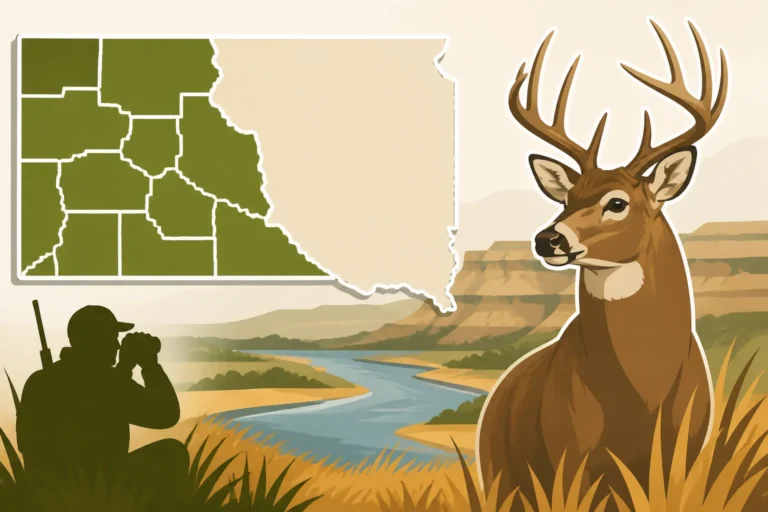
For nonresidents, obtaining an archery deer license in South Dakota is not an over-the-counter affair. The state limits the number of nonresident archery deer licenses available, making them quite competitive. These licenses are allocated through a lottery draw system. The number of tags available is usually fixed each year, and they are divided between East River and West River units. It’s absolutely crucial for nonresidents to pay close attention to the South Dakota Archery Deer Application Deadline. Missing it means missing your chance for the entire year.
In recent years, the number of nonresident archery deer licenses has typically been around 2,500 total, split evenly between East River and West River units. This limited number means draw odds can be tough, especially for first-time applicants. Many hopeful hunters utilize platforms like GoHunt, which offer detailed draw odds analysis and application strategies to help improve their chances. GoHunt's insights can be invaluable for understanding the historical success rates and making informed choices about which unit to apply for.
Application Deadlines and Process
The application period for nonresident archery deer licenses typically opens in early to mid-June and closes around early July. These dates are critical and do not shift significantly year-to-year, but confirming them in the current GFP regulations is paramount. You'll apply online through the South Dakota GFP website. It's a relatively straightforward process once you know what you're doing, but it requires you to select your preferred unit and provide all necessary personal information. Don't forget that you'll also need a South Dakota Habitat Stamp, which is required for most hunting licenses.
Residents, on the other hand, often have the luxury of purchasing archery deer licenses over-the-counter, or through a less competitive draw for specific units. However, even residents should check the regulations for any changes or specific unit requirements, especially for antlerless tags or special areas. The process is generally much simpler, emphasizing the state's commitment to providing ample opportunities for its local hunters.
Resident Archery Opportunities
For South Dakota residents, the archery deer hunting opportunities are far more abundant and less complicated than for nonresidents. Residents typically have statewide archery tags available over-the-counter for either-sex deer, meaning you can purchase them without going through a draw, and they are valid for the entire general archery season. This offers incredible flexibility, allowing residents to hunt both whitetails and mule deer across much of the state with a single license.
Additionally, residents can often purchase multiple antlerless archery tags, providing even more opportunity to fill the freezer and manage deer populations. While the general archery tag is over-the-counter, specific units might have resident-only draws for certain types of tags, usually aimed at precise population management. Always check the current year's South Dakota Deer Licence Types by Region to ensure you understand all available options and any specific rules that might apply to your target area. This system prioritizes resident access while still allowing nonresidents a chance to experience the state's fantastic deer hunting, albeit with a bit more planning.
| License Type | Availability (Nonresident) | Availability (Resident) | Application Period | Season Dates (General Archery) | Notes |
|---|---|---|---|---|---|
| Archery Deer (Any Deer) | Draw only (limited quota) | Over-the-counter | Mid-June to Early July | Early Sept – Mid-Jan | Statewide, check specific unit rules; includes both whitetail and mule deer. |
| Archery Deer (Antlerless) | Limited/Unit-specific | Over-the-counter (multiple available) | Varies by unit/program | Early Sept – Mid-Jan | Often available for population control; check local regulations. |
| Special Archery Hunts | Draw only | Draw only | Varies by hunt | Varies | Specific dates and rules for Custer State Park, refuges, etc. |
Strategies for a Successful Archery Season
With such a long archery season, you have the incredible advantage of adapting your tactics to different phases of the deer season. This isn't a one-size-fits-all hunt; success often comes down to understanding deer behavior as the calendar pages turn and weather patterns shift.
Early Season Tactics for Velvet Bucks
The early archery season, typically from the first weekend of September through early October, presents unique opportunities. During this time, bucks are often still in their summer patterns, focusing heavily on food sources and water. They haven't been pressured much, and their movements can be quite predictable. Hunters often target agricultural fields like alfalfa, soybeans, or corn edges, as well as natural food plots and water sources, especially in the dryer West River country. Early mornings and late evenings are prime times, as the temperatures can still be warm during the day.
Scouting before the season is paramount. You'll want to locate these key food and water sources and identify trails leading to and from bedding areas. Look for rubs and scrapes, though they might not be as active as during the rut. Setting up stands or ground blinds along these travel corridors can be highly effective. Remember, deer are still relatively unspooked, so practicing stealth and minimizing your scent are crucial. Hunting Food Plots and Corn Edges during this time can be particularly productive.
Rut Period Opportunities
The rut, roughly from mid-October through mid-November, is arguably the most exciting time for bowhunters. Bucks are no longer solely focused on food; their minds are on does. This shift in behavior makes them more vulnerable, as they are often moving during daylight hours in search of receptive does. You might catch a glimpse of a mature buck you’ve never seen before, as they expand their home range during this period. Understanding How Buck Movement Changes Through the Rut is key to capitalizing on this window.
During the rut, instead of focusing strictly on food, concentrate on areas where does congregate or travel corridors that connect known bedding and feeding areas. Funnels, pinch points, and cover edges become hot spots. Rattling and grunting can also be incredibly effective, drawing curious or dominant bucks into range. This is the time when that wary old buck might make a mistake he wouldn't typically make. Setting up a treestand in a narrow timber strip or using a ground blind near a known doe bedding area can be highly productive.
Late Season Challenges
The late archery season, from late November through mid-January, brings its own set of challenges and rewards. By this point, deer have been pressured, food sources have dwindled, and the weather is often cold, snowy, and unforgiving. Deer revert to survival mode, prioritizing food, warmth, and security cover. They become incredibly wary, and their movements are often dictated by the coldest temperatures and deepest snow. Many hunters find themselves facing Late-Season Hunting in South Dakota Snow.
Success in the late season means focusing on prime winter food sources that are still available, such as standing corn, brassicas, or winter wheat fields. Thermal cover, like thick cattail sloughs, cedar thickets, or deep draws, becomes critical for bedding and warmth. Deer will often yard up in these areas. Hunting tactics often shift to slower, more deliberate still-hunting or carefully planned drives if hunting with a group. Pay close attention to recent snowfall, as it can reveal fresh tracks and expose new patterns. A reliable piece of gear like a good Layering for South Dakota Wind system is essential, as the South Dakota wind can be brutal this time of year.
Planning Your South Dakota Archery Adventure
Getting ready for an archery deer hunt in South Dakota involves more than just knowing the dates. It's about preparation, scouting, and understanding the unique landscape you'll be hunting in.
Utilizing Public Hunting Resources
South Dakota boasts a vast amount of public hunting land, which is a huge draw for nonresident hunters and a valuable asset for residents. South Dakota Walk-In Areas Explained are particularly popular, offering tens of thousands of acres of private land enrolled in a public access program. These areas, typically marked with yellow signs, are often fantastic for archery hunting because they are foot-traffic-only, meaning less vehicle disturbance. You can often find great deer cover, especially in the brushy draws and creek bottoms that hold whitetails. The South Dakota Public Hunting Atlas is an indispensable tool for locating these areas, as well as South Dakota Game Production Areas and National Grasslands.
Beyond WIAs, the state also offers National Grasslands Hunting in South Dakota, particularly the Fort Pierre National Grassland and Buffalo Gap National Grassland in West River. These vast landscapes are prime mule deer country and offer expansive opportunities for those willing to put in the legwork. For whitetails, exploring Corps of Engineers land along the Missouri River reservoirs or smaller state game production areas in the East River region can be fruitful. Using resources like GoHunt's mapping features can significantly aid in identifying public access points and understanding land ownership boundaries.
E-Scouting and Pre-Season Preparation
In today's hunting world, effective E-scouting is almost as important as boots-on-the-ground reconnaissance, especially if you're traveling a long distance to hunt. Tools like GoHunt and onX Hunt allow you to pour over satellite imagery, topographical maps, and public land layers right from your couch. You can identify potential food sources, bedding areas, travel corridors, and water holes. Look for pinch points, funnels created by terrain or cover changes, and areas with dense cover that might hold deer. This is particularly useful for E-Scouting Walk-In Areas Before the Season.
Once you've identified some promising spots, plan a physical scouting trip if possible. Even a short trip a few weeks before the season can confirm your E-scouting suspicions and reveal fresh sign like rubs, scrapes, and active trails. Pay attention to prevailing wind directions and plan your stand or blind placements accordingly. Don't forget to practice shooting from your chosen setup angles and distances, ensuring your gear is dialed in.
Physical Preparation and Essential Gear
South Dakota hunting, especially archery, can be physically demanding. Whether you're navigating dense cattail sloughs in the East River or traversing the rolling breaks of West River, you'll be covering a lot of ground. Don't underestimate the physical conditioning required. Regular exercise and walking are crucial. Consider what type of Boots for Walking Cattails All Day you'll need, as comfortable and waterproof footwear is non-negotiable.
Beyond your bow and arrows, essential gear for a South Dakota archery hunt includes quality optics (binoculars and a rangefinder are a must), scent control products, a good knife, and a reliable first-aid kit. The weather can change drastically, so layering your clothing is critical. You'll want to be able to add or shed layers to stay comfortable and prevent sweating, which can amplify your scent. A high-quality backpack to carry your essentials and pack out game is also vital. Remember, the goal is not just to get a deer, but to get it out efficiently and ethically.
Disclaimer
The information provided in this guide is for general informational purposes only and does not constitute legal advice. Hunting regulations, season dates, and license requirements are subject to change. Always consult the official South Dakota Game, Fish and Parks (GFP) regulations for the current hunting season before planning or undertaking any hunting activity.