South Dakota Antelope Firearms Season Dates
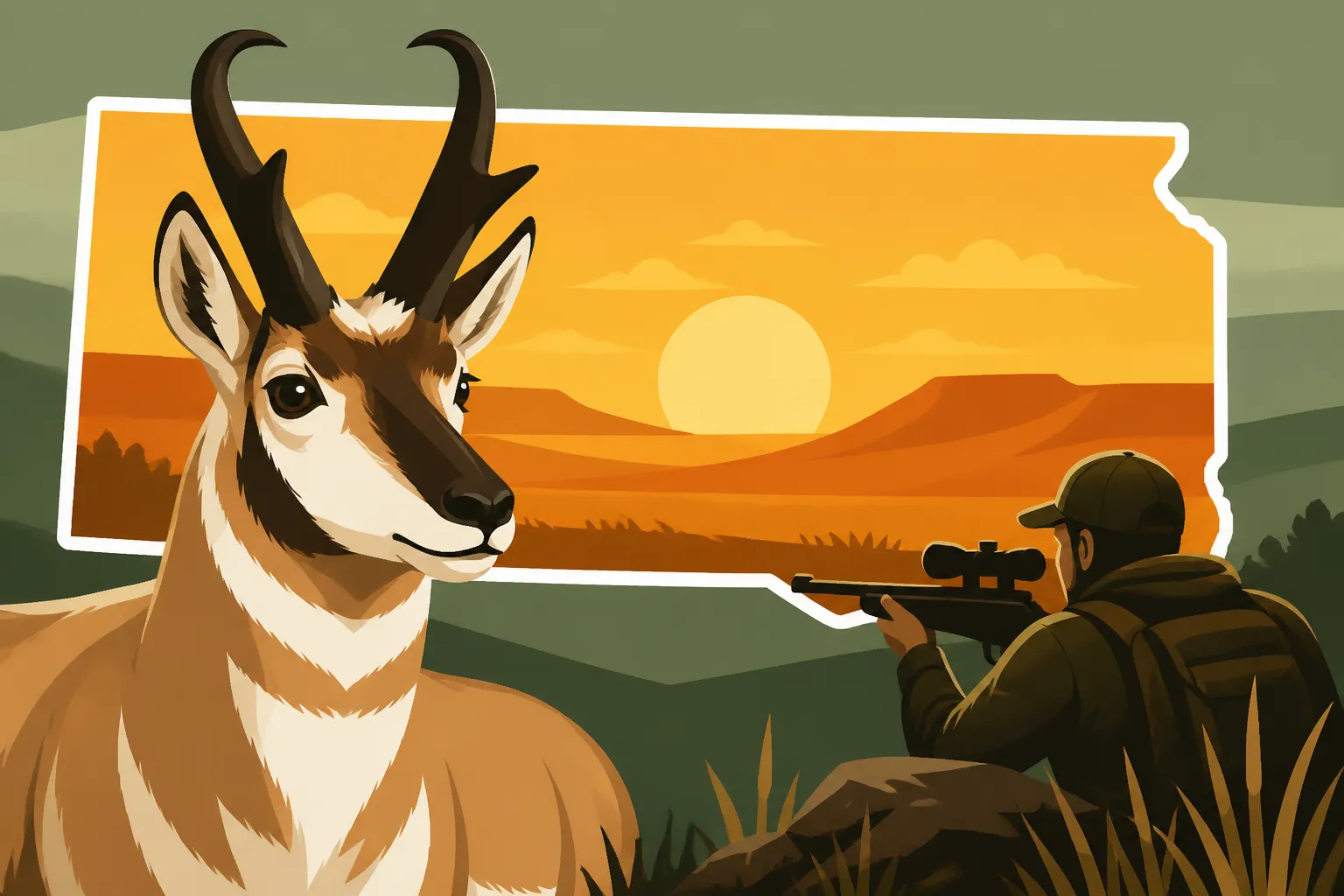
Figuring out the exact South Dakota antelope firearms season dates can feel like trying to hit a speeding pronghorn at 400 yards – daunting and a little confusing if you don't know where to aim. Many hunters struggle to keep track of application deadlines, specific unit dates, and all the nuances that come with drawing a coveted tag. This guide aims to clear up all that confusion, providing you with a comprehensive breakdown of the firearms season, application strategies, and crucial preparation tips to make your pursuit of the prairie ghost a success.
Understanding South Dakota's Antelope Firearms Season Dates
South Dakota's antelope firearms season is a highlight for many hunters, offering a unique opportunity to chase these incredibly fast and sharp-eyed animals across the vast prairies. However, it’s not as simple as showing up and buying a tag over the counter. The season dates are tightly controlled, unit-specific, and typically allocated through a lottery draw system, making precise planning absolutely essential.
The General Firearms Season Dates
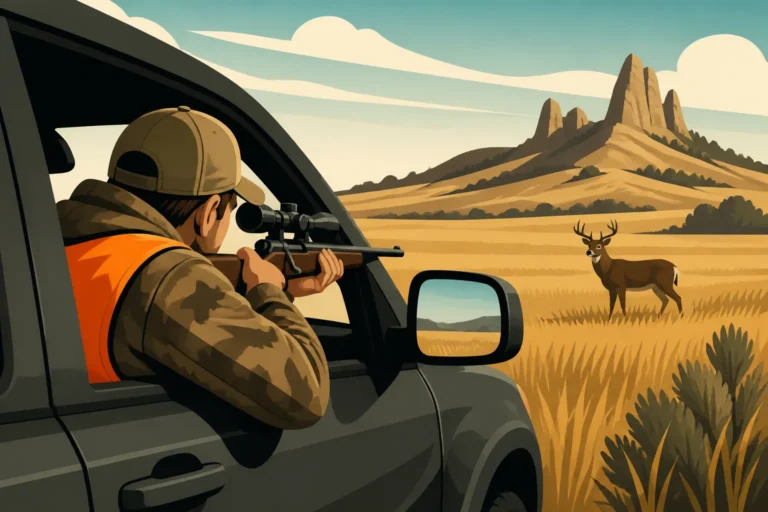
The general firearms season for antelope in South Dakota typically falls in early to mid-October. While the specific dates can shift slightly from year to year based on the South Dakota Game, Fish and Parks (GFP) Commission's decisions, you can usually expect the season to open around the first or second Saturday of October and run for about 8-9 days. This gives hunters a solid window to pursue bucks and sometimes either-sex animals, depending on the tag drawn. It's paramount to check the current year's hunting handbook, released annually, for the definitive dates as soon as they are published. These dates are carved out to balance hunter opportunity with wildlife management goals, taking into account factors like the rut, herd health, and weather patterns.
For instance, in recent years, the season might open on a Saturday like October 5th or 12th, and generally close by the following Sunday or Monday. This relatively short season length adds to the urgency and excitement, meaning you need to be prepared to hit the field as soon as your tag allows. Unlike some deer seasons that stretch for weeks, antelope season is a quick sprint, demanding efficient planning and execution. Keep in mind that these dates apply to the general firearms season tags that are typically part of the main draw; special tags or circumstances might have slightly different windows, which we'll delve into next.
Understanding Unit-Specific Date Variations
One of the critical details often overlooked by new South Dakota antelope hunters is that not all units operate under the exact same season dates. While the general framework of early to mid-October applies broadly, there can be subtle, yet significant, variations depending on the specific hunting unit you draw. Some units might have a slightly shorter season, or perhaps even an extended muzzleloader-only period that precedes or follows the general firearms season. These unit-specific rules are designed to manage local herd populations and hunting pressure more effectively.
For example, a unit with a particularly healthy buck-to-doe ratio might offer a slightly longer or more flexible season, whereas a unit that has experienced recent winter mortality or lower fawn recruitment might see a more restricted season length. It's absolutely crucial to not just know the statewide general dates but to meticulously review the regulations for the specific unit code printed on your tag. This information is always available in the South Dakota Hunting Handbook and on the GFP website. Relying on general knowledge without checking your specific unit could lead to inadvertently hunting outside legal dates, which is something no one wants.
Nonresident Participation in the Antelope Firearms Season
Nonresidents are absolutely welcome to apply for South Dakota antelope firearms tags, and many do so each year, drawn by the state's healthy pronghorn populations and vast public and Walk-In Areas. However, the allocation for nonresidents is typically more limited than for residents. Nonresidents participate in the same lottery draw system but compete for a smaller quota of tags. This means that while the season dates themselves are the same for residents and nonresidents holding equivalent tags, the odds of drawing that tag can be significantly different.
The application period for nonresidents generally aligns with that of residents, usually opening in late June or early July and closing in early to mid-August. If you're planning a nonresident hunt, you'll need to purchase a nonresident hunting license in addition to your antelope tag if you're successful in the draw. It's also worth noting that some special units or specific tag types might be resident-only. To maximize your chances, research units with historically higher nonresident quotas or lower applicant numbers, if such data is available. Many experienced nonresident hunters also explore opportunities for South Dakota Antelope Application Deadline, ensuring they don't miss the critical window to even get their name in the hat.
Navigating the South Dakota Antelope Draw System
The key to hunting antelope in South Dakota, especially with a firearm, lies squarely in understanding and successfully navigating the state's draw system. It's not a first-come, first-served scenario, and simply having the funds for a tag isn't enough. You need to play the game according to South Dakota's rules, which involve a combination of strategy, timing, and a bit of luck.
Key Application Periods and Deadlines
The application period for the general South Dakota antelope firearms season typically opens in late June or early July and closes by early to mid-August. These deadlines are rigid, and missing them means you're out of luck for the current season. It’s highly recommended to mark these dates on your calendar well in advance and apply early to avoid any last-minute technical glitches. The GFP website is the official portal for applications, and they usually release a detailed application schedule months ahead of time.
Once the application period closes, the GFP conducts the lottery draw. Results are typically released in late August or early September, giving successful applicants about a month to finalize their hunt plans before the early October opener. It's a nail-biting wait for many, but the excitement of seeing that "successful" notification makes it all worthwhile. For those interested in securing their chances early, understanding the South Dakota Antelope Application Deadline is the first crucial step. Remember, paying attention to these specific windows is more critical than almost anything else; without an application in on time, there's no tag to be drawn.
Improving Your Draw Odds and Strategy
While the South Dakota antelope draw is primarily a lottery, there are strategies you can employ to potentially improve your odds, or at least make informed decisions. South Dakota utilizes a modified bonus point system where each year you apply and are unsuccessful, you accrue an additional "bonus point." These points don't guarantee a tag, but they do cube your entries in subsequent draws, effectively giving you more chances as your points grow. For example, with one point, you get 1x entries; with two points, 4x entries; with three points, 9x entries, and so on.
Researching draw odds by unit is a critical step. Websites like GoHunt provide invaluable data on historical draw odds, successful applicant numbers, and point creep for various units, allowing you to make an educated guess about where your chances might be best. Some hunters strategically apply for units that historically require fewer points or have higher success rates for their point level. Others might focus on units with higher tag quotas. Be sure to understand if you're applying for an "either-sex" tag (allowing you to harvest a buck or a doe) or a "buck-only" tag, as the odds for these can differ significantly within the same unit.
What Happens After the Draw Results
The moment of truth arrives in late August or early September when the South Dakota draw results are posted. If you're among the fortunate hunters who draw a tag, congratulations! You'll receive notification, often via email, and instructions on how to access and print your tag. At this point, it’s crucial to double-check all the details on your tag, especially the unit number and the specific season dates, as we discussed earlier.
For those who are unsuccessful in the initial draw, don't despair just yet. South Dakota often has a limited number of leftover tags that become available, usually on a first-come, first-served basis after the main draw is complete. These leftover tags are typically for less popular units or antlerless-only opportunities, but they can provide a second chance for a hunt. It's wise to keep an eye on the GFP website and their announcements regarding leftover tag sales if you didn't draw in the first round. Even if you don't secure an antelope tag, you can always pivot to other South Dakota hunting experiences, perhaps exploring some of the fantastic South Dakota Pheasant Hunting Tactics for the Opener or Hunting South Dakota Walk-In Areas for small game.
Preparing for Your South Dakota Antelope Firearms Hunt
Successfully drawing an antelope tag is just the first hurdle; the real work begins with preparation. Antelope hunting on the South Dakota prairie presents unique challenges and requires specific gear, tactics, and physical readiness to ensure a rewarding experience. These animals are built for speed and survival in open country, demanding a well-thought-out approach from the hunter.
Essential Gear and Equipment for Prairie Hunting
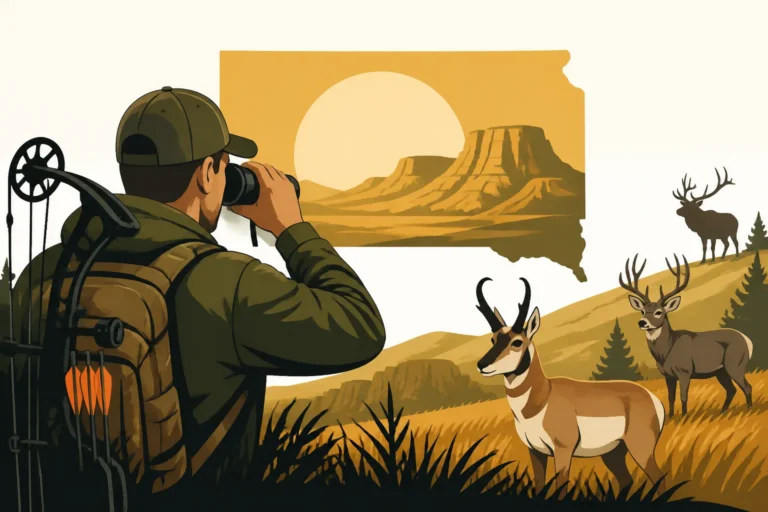
When hunting pronghorn on the vast South Dakota prairie, your gear needs to be up to the task of long distances, exposed terrain, and potentially unpredictable weather. First and foremost, a reliable rifle chambered in a flat-shooting cartridge is essential. Calibers like .25-06, .270 Win, 6.5 Creedmoor, or .30-06 are popular choices, as shots can often extend beyond 200 yards, sometimes pushing past 400. Pair this with high-quality optics – a powerful scope on your rifle and a good pair of binoculars (10x-15x) are non-negotiable for spotting these camouflaged speedsters at extreme distances. Many experienced hunters also bring a spotting scope for detailed glassing and judging bucks from afar.
Beyond your shooting setup, consider clothing that can handle rapid temperature changes. October days can swing from chilly mornings to warm afternoons, and the prairie wind is almost always a factor. Layers are key. A good set of knee pads can be a lifesaver for long stalks across rocky or thorny ground. A quality rangefinder is crucial for accurately determining shot distances, and a bipod or shooting sticks are almost mandatory for stable shots in the open. Hydration is also paramount; carry plenty of water, even on cool days, as you'll be covering a lot of ground. For specific considerations on your rifle setup, checking out resources like Rifle Calibers for South Dakota Antelope can provide more detailed insights.
Effective Scouting and Hunting Strategies
Antelope hunting in South Dakota is primarily a spot-and-stalk game. These animals inhabit wide-open country, making traditional stand hunting ineffective. Your primary strategy will involve extensive glassing from high points to locate herds, then planning a careful stalk that utilizes terrain features like coulees, draws, and even fences to remain out of sight. Antelope have incredible eyesight, often compared to an 8x binocular, so concealment is paramount. Their keen vision means even a slight misstep or exposure can send them bounding away at incredible speeds.
Pre-season scouting, even if only through satellite imagery or public land mapping apps like GoHunt, can give you a significant advantage. Identifying potential water sources, bedding areas, and travel corridors will save you valuable time during your hunt. On the ground, spend more time glassing than walking. Focus on areas with good forage, especially sagebrush and forbs, and proximity to water. When you spot a buck, take your time to evaluate it and meticulously plan your approach, considering wind direction, available cover, and the animal's likely escape routes. Mastering Glassing South Dakota Breaks at First Light can drastically increase your success rate in locating game.
Physical Demands and Mental Preparation
While antelope hunting might not involve navigating steep mountains, it is by no means an easy hunt. The physical demands come from covering vast distances on foot, often over uneven ground, and performing long, low crawls during stalks. You might hike several miles in a day, carrying your gear, and then need to execute a precise, calm shot after an arduous stalk. Good physical conditioning will make the hunt more enjoyable and increase your chances of success.
Mental preparation is equally important. Antelope hunting can be frustrating. You might get busted on multiple stalks, or watch a trophy buck disappear over a horizon after hours of effort. Patience, persistence, and a positive attitude are crucial. Learn to accept setbacks, learn from each failed stalk, and maintain a hunter's optimism. The ability to stay focused and make a steady shot under pressure, sometimes with the adrenaline pumping after a long crawl, is a skill that comes with practice and a strong mindset. The open, exposed nature of the prairie also means you need to be prepared for all elements, from intense sun to sudden cold winds, sometimes even a late-season snow flurry if you're hunting during Late-Season Hunting in South Dakota Snow.
Ethical Hunting and Post-Harvest Procedures
A successful hunt doesn't end with the shot. Ethical hunting practices and proper post-harvest care are crucial for respecting the animal, complying with regulations, and ensuring you bring home high-quality meat. Antelope, in particular, require swift and meticulous attention after the harvest to preserve their meat quality.
Legal Requirements for Tagging and Transport
Once you've successfully harvested an antelope, the very first step is to immediately validate and attach your tag to the animal. South Dakota regulations require the tag to be securely affixed to the carcass. Check the specific instructions on your tag and in the current hunting handbook for precise placement (e.g., ear, leg, horn). This process generally involves notching the kill date and time, and then signing the tag. Failing to tag your animal properly and promptly is a serious violation and can result in fines and loss of hunting privileges.
After tagging, familiarize yourself with transportation rules. The carcass must be identifiable and tagged until it reaches its final destination for processing or consumption. There are specific rules regarding the transportation of game, especially across state lines, often requiring certain parts to remain with the carcass until processing is complete. Understanding these regulations, including those concerning Carcass Transport Rules for CWD (even though CWD is less prevalent in antelope, it's good practice), helps ensure a legal and smooth journey from the field to your home.
Ensuring Quality Antelope Meat
Antelope have a reputation, sometimes unfairly, for having "gamey" meat. However, this is almost entirely due to improper field care. Pronghorns are incredibly lean animals, and their body temperature can spike significantly after a stressful chase or shot. The key to excellent antelope meat is rapid cooling and cleanliness. As soon as the animal is down and tagged, the clock starts ticking. Gutting the animal immediately is paramount to release body heat. Get your gloves on, open the body cavity, and remove all entrails as quickly and cleanly as possible.
Once gutted, prop the cavity open to allow air circulation and facilitate cooling. If you're hunting in warm weather, consider packing game bags with ice into the cavity. Getting the hide off as soon as possible, or at least quartering the animal and putting it into game bags, will accelerate the cooling process. Avoid dragging the animal across the ground if possible, as this can introduce dirt and hair to the meat and raise its temperature. Having quality game bags and a plan for quick transport to a cooler or processor is vital. Learn the precise methods of Field Dressing an Antelope Fast to ensure the best possible table fare.
Avoiding Common Antelope Meat Mistakes
Many common mistakes contribute to the "gamey" taste people sometimes associate with antelope. The most significant error is not cooling the meat quickly enough. Leaving a whole antelope, un-gutted, in the sun for hours will inevitably lead to off-flavors. Another mistake is contamination during field dressing or transport. Keep the meat clean, avoid puncturing organs during gutting, and use clean knives and surfaces.
Additionally, not trimming properly can also affect flavor. Any fat, silver skin, or shot-damaged meat should be removed during processing. Antelope fat, in particular, can have a strong flavor, so it’s best to trim it aggressively. Treat antelope meat with the same reverence you would fine beef – process it promptly, keep it cold, and wrap it well. Doing so will reward you with some of the most delicious, lean wild game meat available. By following these steps, you'll understand Why Antelope Meat Gets a Bad Name and how to ensure your harvest is culinary excellence.
South Dakota Antelope Firearms Season Overview
To help you keep track of the critical information for South Dakota's antelope firearms season, here's a concise overview:
| Aspect | Typical Information (Always verify current year's GFP Handbook) |
|---|---|
| General Season Dates | Early to Mid-October (Approx. 8-9 days, often a Saturday opening) |
| Application Period | Late June – Early/Mid-August |
| Draw Results Release | Late August – Early September |
| Primary Draw System | Lottery with Bonus Points (entries cubed per point) |
| Nonresident Quota | Limited, draw odds generally lower than residents |
| Tag Types | Buck-Only, Either-Sex (Unit-specific) |
| Essential Gear | High-power rifle, quality optics (bins/spotter), rangefinder, bipod/sticks, layers, water, game bags |
| Key Strategy | Spot-and-Stalk, utilize terrain, extensive glassing |
| Post-Harvest Priority | Immediate gutting and rapid cooling to preserve meat quality |
This table provides a snapshot, but remember, the South Dakota GFP website and annual hunting handbook are your ultimate official sources for the most current and detailed regulations.
Disclaimer
The information provided in this guide is for general informational purposes only and is subject to change. Hunting regulations, season dates, and application procedures are determined by the South Dakota Game, Fish and Parks (GFP) Commission and can vary annually. It is the sole responsibility of the hunter to consult the most current South Dakota Hunting Handbook and relevant GFP publications before applying for licenses or heading into the field. Failure to comply with all state and federal hunting laws can result in significant penalties.