How Far Roosters Fly When Pushed
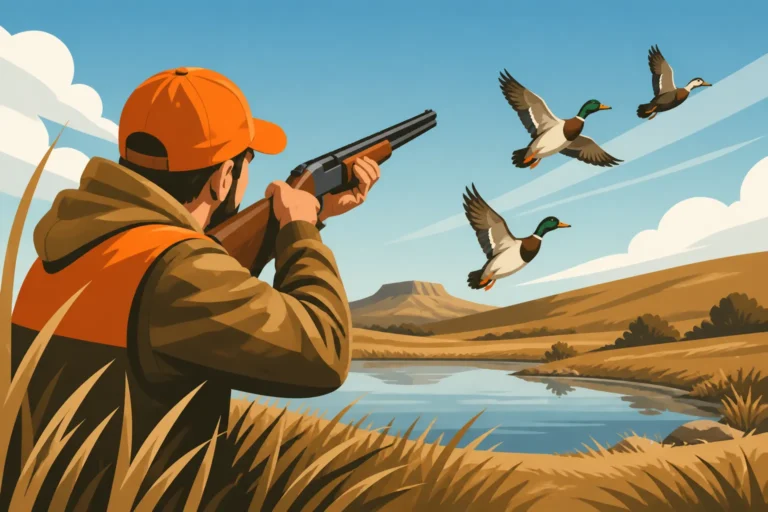
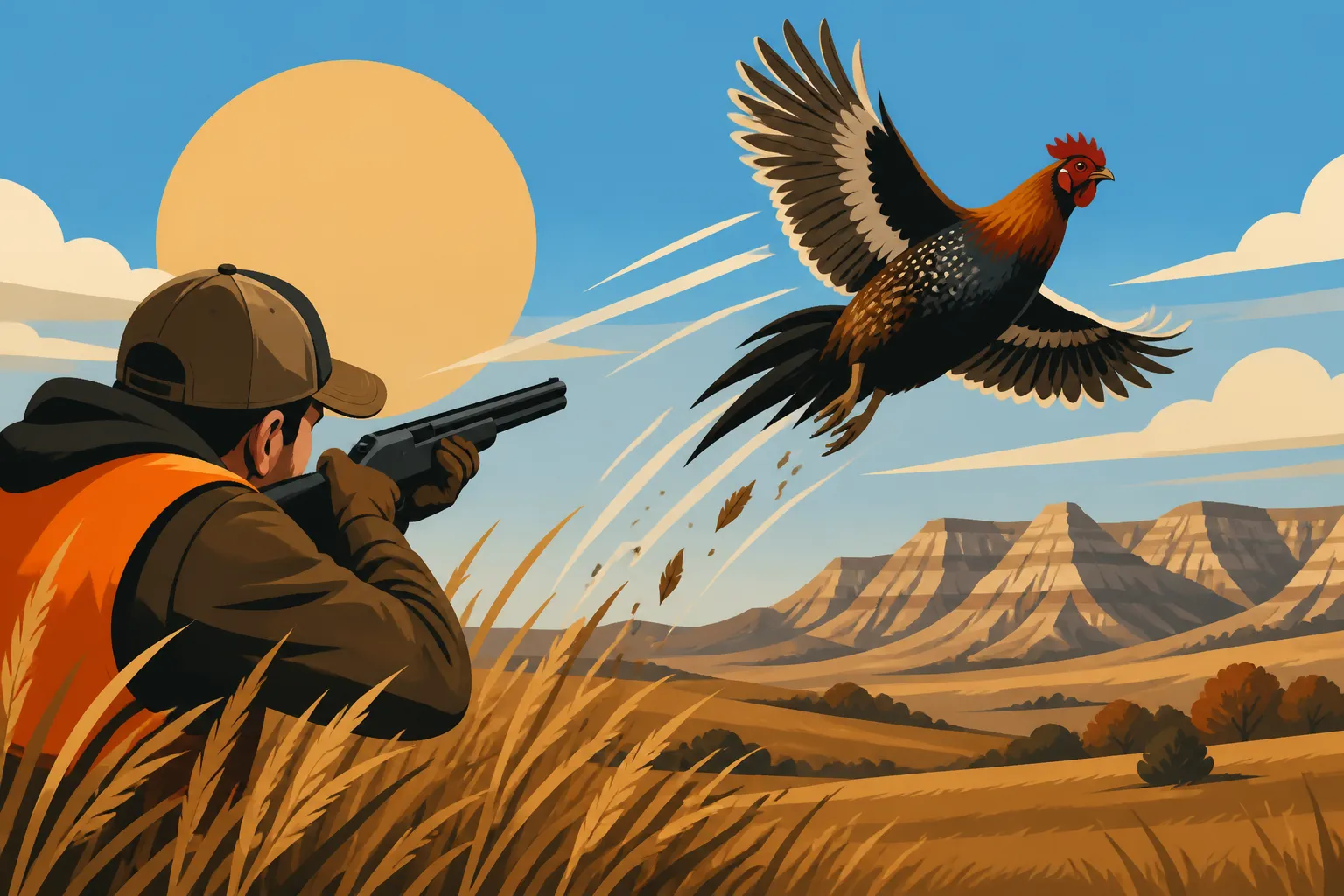
There's nothing quite as frustrating as walking your heart out through prime South Dakota pheasant cover, only for a big rooster to erupt a hundred yards out, well beyond shotgun range, and sail gracefully over the horizon. It happens to the best of us, turning what should be an exciting flush into a disheartening long-distance salute. This guide is all about demystifying how far those wily roosters tend to fly when pressured, and more importantly, what you can do to bring them into effective range.
Understanding Rooster Behavior When Pressured
Pheasants are smart birds, and they’ve learned to adapt to hunting pressure. They're not going to sit around waiting for you to walk right up to them, especially after the first few days of the season. Their primary defense mechanism, besides running, is to take to the air, and they've got some impressive wings to cover ground in a hurry.
The "Long Flush" Phenomenon
That dreaded "long flush" isn't just bad luck; it's a calculated move by the bird. A rooster's instinct when it senses danger – whether that's an approaching hunter, the scent of a dog, or the vibration of boots on the ground – is to get out of Dodge. If the cover is sparse, or if they’ve been pushed repeatedly, they're more likely to bail out earlier and fly farther. Think about a bird that's been bumped off a food plot edge three times in a single morning; it’s going to be far more wary than a rooster holding tight in a fresh patch of cattails on opening day. They learn quickly, and that learning translates directly into how far they’ll let you approach before making their exit. This is particularly true if the bird has a clear line of sight or an easy escape route to heavier cover.
The timing of the flush can also play a huge role. Early in the morning, especially right after shooting hours begin at Why Pheasant Hunting Starts at Ten in South Dakota, roosters might hold a little tighter. They’re often still digesting their morning meal or haven’t been thoroughly worked over yet. But by midday, especially on public land, they’ve seen and heard it all, and their willingness to give you a close shot diminishes significantly. This adaptive behavior is what makes pheasant hunting such a challenging and rewarding pursuit; you’re constantly trying to outsmart a bird that’s doing its best to outsmart you.
Factors Influencing Flight Distance
So, what makes a rooster decide to burst out at 20 yards versus 80? A whole host of things.
- Cover Type and Density: This is probably the biggest factor. In thick, gnarly cattail sloughs or dense shelterbelts, a rooster can run and hide effectively, often leading to closer flushes as you practically step on them. But out in sparse stubble or short grass, they have nowhere to hide, so they’ll often flush much further out to gain distance. Imagine the difference between walking a solid block of phragmites where a bird can barely be seen from five feet away, compared to a thin strip of CRP that offers minimal concealment.
- Wind Conditions: A strong tailwind can carry a flushing pheasant an incredible distance, making an already long flush seem even longer. The wind essentially gives them an extra boost, increasing their ground speed and airborne trajectory. Conversely, a headwind can sometimes hold birds down a bit, making them work harder to gain momentum, potentially leading to slightly shorter flights, but it’s still a variable that you need to consider.
- Hunting Pressure: This cannot be overstated. Birds on heavily hunted public land or Walk-In Areas (WIAs) will be exponentially warier than those on private land that sees minimal pressure. They learn the sight and sound of hunters and dogs quickly. If you're Hunting Pressure Patterns on Walk-In Areas, you might find birds flushing at extreme ranges much more often than if you're working a quiet corner of a private CRP field.
- Time of Day: As mentioned, birds tend to be a bit more relaxed in the early morning and late afternoon. Midday, especially after fields have been worked, they’re often more skittish and prone to flushing further out. This is why some experienced hunters advocate for Ten a.m. Start Times and Bird Behaviour as birds settle into heavier cover.
- Dog Type and Performance: A good, close-working flushing dog can be a game-changer. A dog that ranges too far ahead or is too noisy can push birds out well ahead of the guns. A steady, methodical flusher, on the other hand, can pin birds, forcing them to hold tight until you’re right on top of them. Even pointing dogs, while traditionally thought to lock up birds, might cause a runner to bust out if it circles too wide. The impact of your canine partner, or lack thereof if Dogless Pheasant Hunting in South Dakota, is profound.
Typical Flight Distances and What to Expect
While every flush is unique, we can establish some general expectations based on common scenarios. Knowing what to expect can help you anticipate shots and position yourself more effectively.
Open Field Flushes Versus Heavy Cover Flushes
The type of cover you're hunting is the single greatest determinant of how far a rooster will fly on the initial flush.
- Open Fields (Stubble, Short Grass, Thin CRP): In these less dense environments, roosters often feel exposed. Their natural inclination is to run, but with limited cover, they'll often opt for flight much sooner. You might see birds flushing anywhere from 40 to 80 yards out, sometimes even further if there's a strong tailwind or if they've been pushed already. It's a frustrating scenario where your shotgun might feel more like a pea-shooter. This is where hunters really need to be disciplined, perhaps spreading out more to cover ground and trying to work with the wind. When scouting these areas, utilizing tools like GoHunt's mapping features can help you identify subtle depressions or slightly thicker grass that might funnel birds or offer them temporary concealment, making your approach more strategic.
- Heavy Cover (Cattails, Phragmites, Dense Shelterbelts): This is where the magic often happens. In thick cover, roosters feel secure. They'll often run ahead of hunters and dogs for a considerable distance, holding tight until the last possible second. It's not uncommon to have birds flush within 15 to 30 yards in these situations, offering those heart-stopping, close-range shots we all dream about. The dense vegetation limits their ability to run indefinitely and provides excellent concealment, making them more reluctant to take to the air too soon. When you're Walking and Blocking South Dakota Cattail Sloughs, the sheer density of the cover means birds often pop up almost at your feet, making for exhilarating hunting.
This stark difference in behavior underscores the importance of adapting your tactics to the habitat. You wouldn't hunt a thin stubble field the same way you'd Late-Season South Dakota Pheasants in Heavy Cover.
Second Flushes and Cripples
The first flush is one thing, but what about when a bird gets up again, or if you've hit one marginally?
- Second Flushes: A rooster that has already flushed once, perhaps missed or just out of range, learns quickly. If it lands and you continue to pursue it, that second flush is almost always longer and faster than the first. These birds are usually more focused on escaping than finding new cover. They'll try to put as much distance between themselves and the perceived threat as possible. You might see these birds push the 100-yard mark or even more, especially if they are flying into open country. This is why it’s critical to get a clean shot on the first flush if possible, and if not, to mark the landing zone carefully and approach it tactically, often with dogs already out.
- Cripples: A bird that's been hit but not cleanly brought down is a different challenge. These birds, often called "runners," will use every ounce of energy and every bit of cover to escape. They might fly a shorter, erratic distance before hitting the ground, then immediately start running. This is where a good dog is absolutely indispensable. A cripple can run for hundreds of yards, often escaping into areas you've already covered or into unhuntable property. Their flight might only be 20-50 yards, but their subsequent ground speed can cover far more distance, making a quick follow-up essential. For a bird that's hit hard but still flies, expect it to continue for a fair distance before losing altitude, potentially 80-150 yards, depending on the severity of the wound, often trying to reach the densest cover it can find.
Understanding these flight dynamics is key to both anticipating shots and ensuring ethical retrieval of game.
Strategies to Minimize Long Flushes and Maximize Opportunities
Nobody wants to watch birds sail away untouched. With a few strategic adjustments, you can significantly improve your chances of getting roosters within shooting range.
Effective Driving and Blocking Techniques
This is where teamwork truly shines, especially if you're hunting with a group. The goal is to funnel birds and force them to flush closer.
- Pinch Points and Funnels: Identify natural pinch points in the cover, like the end of a long grass strip, a narrow cattail slough, or a corner where a shelterbelt meets a field. Position blockers at these points well ahead of the drivers. The drivers should then walk the cover towards these blockers. Birds, preferring to run rather than fly, will often push ahead until they hit the "wall" of the blockers, forcing them to flush within range. For instance, when Pushing a Cattail Slough With Blockers, you'd want your blockers positioned to cut off the birds' escape routes downwind or to adjacent cover.
- Controlling Walking Speed: Drivers should maintain a slow, steady pace. This allows dogs to work thoroughly and gives running birds time to exhaust themselves or hit the blockers. Rushing through the cover only pushes birds out ahead faster and further. Think of it like a slow, methodical sweep rather than a frantic sprint. This controlled pace also helps prevent birds from busting out wide on the flanks, instead keeping them moving forward into the established block.
- Flanker Management: If you're driving a wide field, consider having "flankers" walk the outer edges, slightly ahead or alongside the main line of drivers. Their job is to keep birds from squirting out the sides and circling back. These flankers don't need to be as close to the main line as drivers, but their presence creates a wider net, subtly pushing birds back towards the center of the drive. This is crucial when Working South Dakota Shelterbelts for Roosters, where birds often try to peel off the sides.
Utilizing Dogs to Your Advantage
Dogs are more than just retrievers; they are crucial in minimizing long flushes.
- Close-Working Flushers: A well-trained flushing dog that works within 20-30 yards of the gun can dramatically reduce long flushes. They bump birds that might otherwise run, often forcing them to fly when you're in prime shooting position. Breeds like Labs or Springer Spaniels excel at this. Their enthusiasm and scenting ability keep birds guessing and prevent them from settling into a steady run far ahead. They are essential when hunting dense cover, where birds can be incredibly reluctant to fly.
- Steady Pointers: While pointing dogs are famous for holding birds, a steady pointer can also effectively reduce long flushes by locking up a running bird. The key is for the dog to hold the point until hunters are in position. Once you're close, the bird usually flushes within easy shotgun range. However, some roosters are notorious for running even from a strong point, so knowing your dog and the birds in the area is key. When considering Pointing Dogs Versus Flushers on Wild Birds, remember that each has its strengths depending on the cover and bird behavior.
- Dog Training and Discipline: Regardless of breed, a disciplined dog is paramount. A dog that busts points, ranges too far, or is overly excitable will push birds further out. Consistent training, especially teaching your dog to stay close and respond to commands, pays dividends in close-flushing birds.
Reading the Terrain and Cover for Better Shots
Being observant and strategic about your movement can make a world of difference.
- Anticipate Escape Routes: Before you enter a piece of cover, take a moment to look at the surrounding landscape. Where is the densest cover? Where are the clear escape routes? Where is the wind coming from? Roosters will almost always try to fly downwind to reach the nearest thick cover. If you can anticipate these escape routes, you can position yourself or your blockers accordingly. GoHunt's detailed satellite imagery is fantastic for E-Scouting Reading Aerial Imagery for Cattail Cover and identifying these patterns before you ever step foot in the field.
- Use the Wind to Your Advantage: As mentioned, a tailwind helps birds fly farther. If possible, try to hunt into the wind. This makes birds work harder to fly, potentially shortening their flush distance. It also helps your dog pick up scent more effectively, allowing them to locate birds closer. Of course, this isn't always practical, but when you have the option, hunting into the wind is often preferred.
- Approach Cover Methodically: When approaching a likely holding spot, slow down, especially if you’re nearing the end of a strip or a small isolated patch. Birds know these "dead ends" and will often hold tight, hoping you'll pass them by. A sudden rush can cause them to burst out prematurely. A slow, quiet approach, with dogs working methodically, increases the chance of a close flush. Consider a "stop and go" technique where you pause every 15-20 yards for a few seconds; this can sometimes make a bird that's been running ahead think the pressure is off and hold, only to be surprised when you resume moving.
By combining these strategies, you can significantly increase your effective range and turn those frustrating long flushes into thrilling close-quarters opportunities.
Here's a quick overview of expected flush distances based on common scenarios:
| Scenario | Typical Flush Distance (Yards) | Factors Contributing to Distance | Recommended Strategy |
|---|---|---|---|
| Dense Cattail Slough/Phragmites | 15-30 | Excellent cover, birds prefer to run, limited visibility. | Slow, steady drive; close-working flusher; blockers at ends. |
| Thick CRP/Heavy Grass | 25-45 | Good cover, but birds may still run ahead if not pressured correctly. | Walk in a line; use flankers; steady dog; anticipate downwind escape. |
| Sparse Stubble/Short Grass | 40-80+ | Minimal cover, birds feel exposed, will flush early to gain distance. | Spread out; work into the wind; focus on subtle depressions; use GoHunt for scouting. |
| First Flush (Wary Bird) | 50-100 | High pressure, strong wind, open country, bird has been bumped before. | Maintain spread; quick shooting; aggressive pursuit of cripples. |
| Second Flush (Pursued Bird) | 80-150+ | Bird is fully alerted, desperate to escape, maximum effort. | Mark landing zone precisely; send dogs immediately; be prepared for long shots. |
| Crippled Runner | 20-50 (flight) + hundreds (run) | Injured but still mobile, will seek densest cover on ground; prioritize immediate follow-up. | Essential to have a well-trained retriever; keep eyes on the bird; swift follow-up. |
| Field Edges/Corn Rows | 30-60 | Birds often run along edges, may flush when reaching a corner or barrier. | Position blockers at corners; walk parallel to the edge; consider Hunting Food Plots and Corn Edges. |
Ultimately, how far roosters fly when pushed in South Dakota is a dynamic equation with many variables. It's not a fixed distance, but rather a range influenced by their environment, their prior experiences, and our tactics as hunters. By understanding these factors and adapting our approach, we can increase our chances of those exciting, in-range flushes that make pheasant hunting in South Dakota so unforgettable.
Disclaimer
Hunting is an inherently dangerous activity. Always prioritize safety, understand and follow all South Dakota Game, Fish and Parks regulations, and ensure you have the appropriate licenses and permits. This information is for educational purposes and should not replace professional guidance or personal judgment. Be aware of your surroundings, know your target and what is beyond it, and never consume alcohol or drugs while hunting.