Shot Placement on a Quartering Pronghorn
Hunting pronghorn in South Dakota can be one of the most exhilarating experiences the prairie has to offer, but it often presents unique shooting challenges. These wary animals rarely stand perfectly broadside, and more often than not, you'll find yourself presented with a quartering shot. Mastering the nuances of shot placement on a quartering pronghorn is absolutely critical to ensure a clean, ethical harvest, and this guide will walk you through exactly where to aim and why, helping you increase your odds of success in the field.
Understanding Pronghorn Anatomy for Optimal Shot Placement
Before we even talk about angles, it’s vital to understand what's inside that beautiful animal you're looking at. Pronghorn are not deer; their anatomy, while sharing similarities, has distinct differences that demand precise shot placement, especially when they're not standing perfectly broadside. Knowing your target zone – and what protects it – is the first step to becoming a more effective hunter.
The Critical Zone: Heart and Lungs
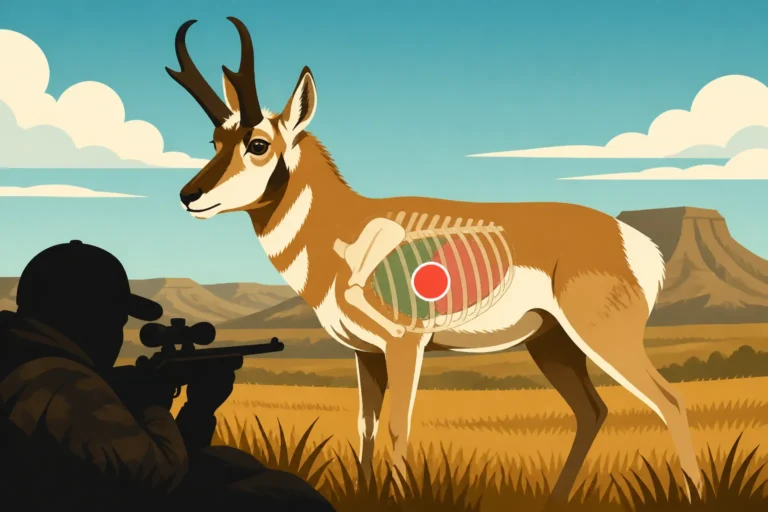
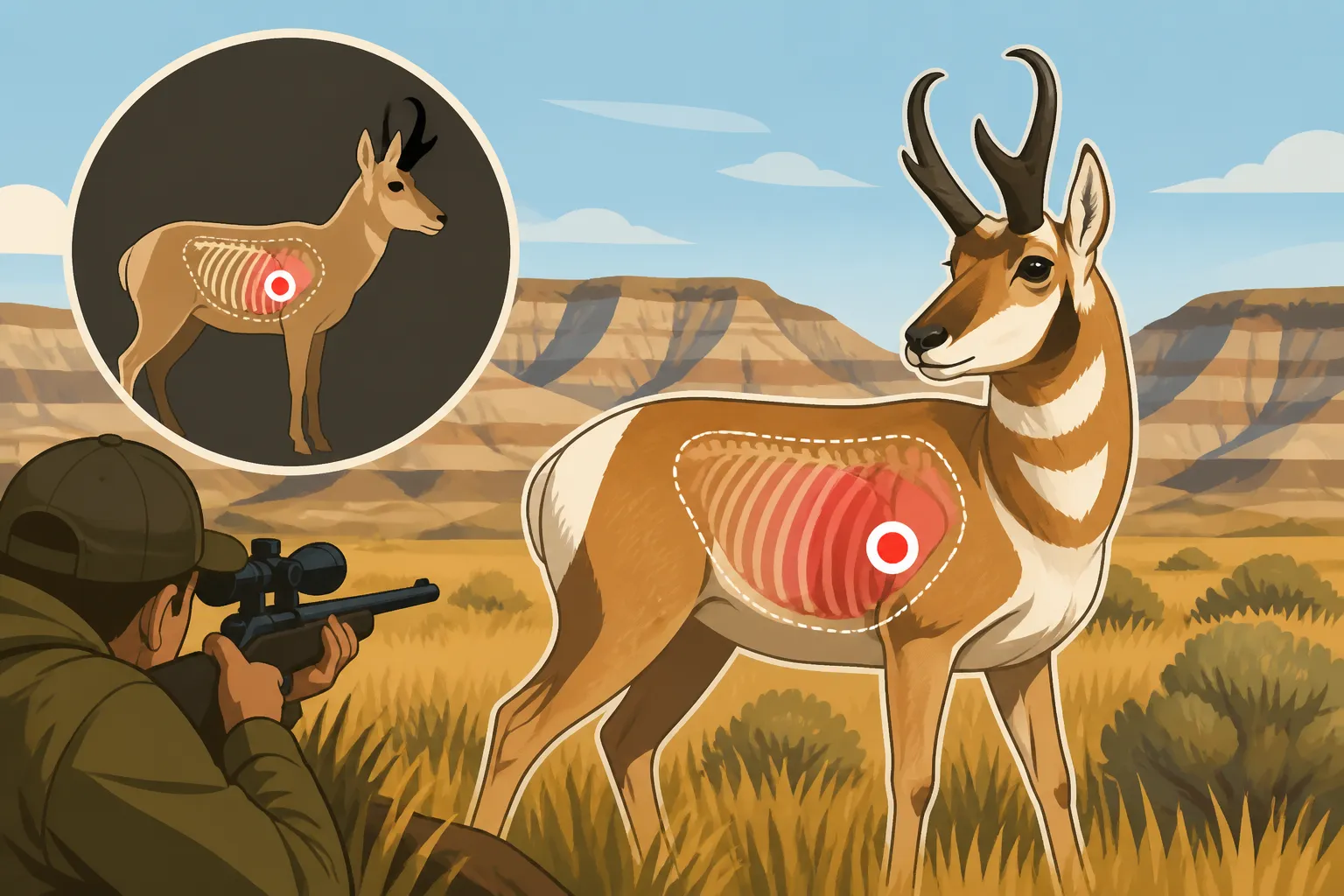
The heart and lungs are the absolute bullseye for any ethical shot on a pronghorn. These vital organs are relatively large and, when hit effectively, lead to a quick, humane dispatch. The lungs, in particular, offer a generous target, and a double-lung shot will usually result in the animal expiring within a short distance, often within sight.
On a broadside animal, locating this zone is fairly straightforward: just behind the shoulder, about one-third of the way up the body. However, when a pronghorn is quartering, this internal target shifts dramatically in relation to what you see externally. For a quartering animal, especially one quartering away, you're essentially trying to shoot through the animal to hit the vitals on the opposite side. Imagine an invisible line running from where you want the bullet to enter, all the way to where you want it to exit, ideally hitting both lungs and possibly the heart in between. This means your entry point might look further back than you'd initially expect when viewed from the side, but it's precisely because you're compensating for that angle and aiming through the animal.
The heart is nestled lower and more forward within the chest cavity, protected by the rib cage. While a heart shot is instantly fatal, it’s a smaller target than the lungs. For most hunters, aiming for the lung cavity provides a larger margin for error while still guaranteeing a quick harvest. It’s a bit like throwing a dart: you aim for the bullseye (heart), but if you hit the larger surrounding rings (lungs), you still score big. The critical thing to remember is that you want to disrupt both lungs and ideally the major vessels above the heart for the quickest result.
Bone Structure and Shot Obstruction
The pronghorn's skeletal structure, particularly the shoulder, is often misunderstood and can be a major hurdle to a clean kill if you're not careful. The shoulder blade (scapula) is a broad, flat bone that offers significant resistance. Behind that, you have the humerus, the upper leg bone, which is dense and strong.
Hitting the shoulder blade or humerus, especially with a quartering-towards shot, can have several negative outcomes. At best, your bullet might shatter the bone and still penetrate into the vitals, but often with reduced energy and unpredictable trajectory. At worst, a solid shoulder hit can deflect your bullet, stopping it completely or sending it on a path that only wounds the animal, leading to a long and agonizing track job, or worse, a lost animal. It’s a frustrating situation when you hear the "thwack" of a bullet hitting bone, knowing that your perfect shot might have just gone awry. That's why understanding these bones and how to avoid them on quartering shots is paramount.
When the pronghorn is quartering away, the shoulder blade on the near side is less of an issue, as you're aiming behind it. However, the far-side shoulder blade can still be a factor for an exit wound. With a quartering-towards shot, the shoulder blade and humerus of the near side become significant obstacles. They are directly in line with your most direct path to the vitals. This is where patience truly pays off, and understanding that passing on a marginal shot is always the most ethical decision. While pronghorn might seem delicate, their bones are surprisingly tough, and a poorly placed shot can turn a quick hunt into a frustrating, and potentially unsuccessful, endeavor.
Analyzing the Quartering Angle
The angle at which a pronghorn presents itself can be the difference between a high-percentage shot and one you absolutely must pass on. It’s crucial to quickly assess the animal's posture and determine if the vitals are accessible or if heavy bone is obstructing your path. Don't rush this assessment; take a breath, use your binoculars, and visualize the bullet's path.
Quartering Away: The Ideal Shot
For many experienced hunters, a quartering away shot on a pronghorn is often considered the most desirable angle, even more so than a perfect broadside. Why? Because it offers an unobstructed path to both lungs, often avoiding the heaviest shoulder bone entirely. When a pronghorn is angled away from you, with its tail slightly turned towards you, you’ll typically aim further back than a broadside shot, visualizing your bullet exiting the opposite, front shoulder or armpit area.
Imagine the pronghorn standing with its head to your left, facing away slightly. You'll want to aim behind the shoulder of the near side, but angled towards the far shoulder. Specifically, aim for the last rib on the entry side, and mentally project that shot forward to exit through the opposite, front leg pocket. This trajectory ensures maximum damage to the lung cavity, often clipping the heart as well, providing a rapid and humane kill. The bullet travels through the soft tissue of the lungs, minimizing the risk of bone deflection and maximizing energy transfer. This is a great scenario for achieving a double-lung pass-through, which leaves a strong blood trail and typically results in the animal expiring within a short distance. When planning your Spot-and-Stalk Antelope Hunting in South Dakota strategies, always be thinking about how you can maneuver to get this advantageous angle.
One helpful tip is to use the leg as a guide. If the pronghorn is quartering away and you can see the front leg on the far side, aim at the elbow of that leg and about halfway up the body. This often puts you right through the vital zone. This shot placement on a quartering away pronghorn is highly effective, allowing for a good blood trail and quick recovery. Always confirm your range with a reliable rangefinder, especially Rangefinding Across Open Ground, and remember that even with a quartering shot, the principles of trajectory still apply.
Quartering Towards: The Risky Proposition
Now, let's talk about the quartering towards shot. This is where many hunters make critical errors, and it's an angle that demands extreme caution, if not an outright pass. When a pronghorn is quartering towards you, its head is pointed partially in your direction, and its chest and the heavy bones of the shoulder are directly facing you.
The primary issue with a quartering-towards shot is the sheer amount of bone protecting the vitals. The heavy shoulder blade and humerus on the near side are directly in your bullet's path. Even if you manage to hit them, there's a significant risk of bullet deflection or insufficient penetration to reach the vitals effectively. You could end up with a superficial wound, a broken leg, or a gut shot if your bullet travels too far back after deflecting. These are outcomes no ethical hunter wants. Furthermore, if the bullet does penetrate the shoulder, it often loses significant energy, reducing its ability to cause catastrophic damage to the vitals on the far side.
While some might advocate for a frontal shot into the chest cavity on a quartering-towards animal, aiming directly at the sternum, this is a very small target. The heart and major blood vessels are tucked away, and missing by even a few inches can result in a superficial wound, a gut shot, or a crippling injury to a leg without hitting vitals. Given the typically open country where you’re Spot-and-Stalk Antelope on Open Prairie, there's usually a good chance to reposition or wait for a better angle. Patience is truly a virtue here.
My advice for a quartering-towards shot is almost always to wait for a better opportunity. Unless the animal is very close and you have an absolute, unshakeable confidence in your ability to thread a needle through the heavy bone into the vitals – and frankly, very few situations truly warrant that risk – it's best to pass. A wounded animal is a terrible outcome, and waiting for the pronghorn to turn, or making a stalk to improve your angle, is the most responsible choice. Sometimes, the best shot is the one you don't take.
Precision Aiming Points for Quartering Shots
Once you've assessed the angle, it's time to refine your aiming point. This isn't just about knowing where the vitals are; it's about visualizing the bullet's entire trajectory through the animal's body to ensure it hits its mark and, ideally, exits.
Visualizing the Exit Point
This concept is probably the single most important mental tool for any quartering shot: don't just aim for an entry hole, aim for an exit hole. When a pronghorn is quartering away, you want to picture the bullet entering the body on the near side and exiting the far side in the opposite armpit or shoulder region. This ensures that the bullet travels through the maximum amount of vital tissue, creating a devastating wound channel.
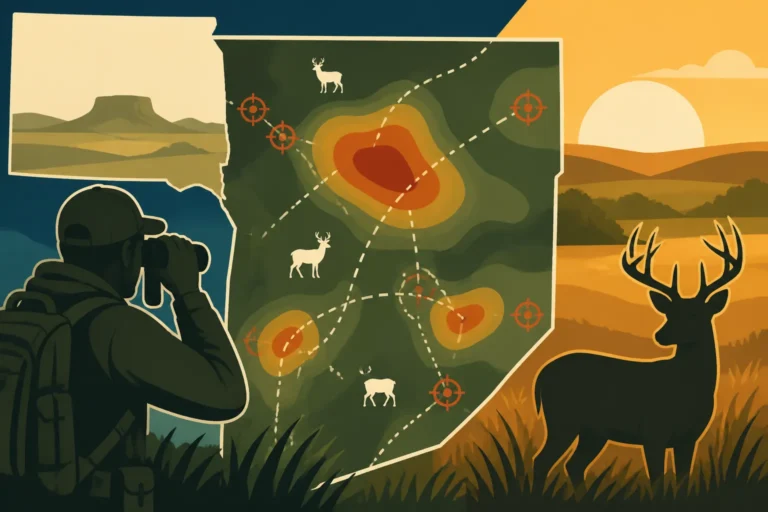
Let's say you have a pronghorn quartering sharply away, exposing its ribs on the far side. Instead of aiming just behind the near shoulder, you'd aim for a point that, if you drew a straight line through the animal, would come out of the center of the far-side chest. This might mean your actual aim point on the entry side looks quite far back, sometimes even in the last third of the rib cage. It feels counterintuitive at first, but it makes perfect sense once you visualize the internal anatomy. GoHunt users often utilize their mapping software to study 3D terrain and animal positions, which can help in this kind of visualization, even on the fly. The goal is to maximize the destruction of the lungs and heart, and a through-and-through shot provides the best chance for quick incapacitation and a clear blood trail.
For a slight quartering-away shot, where the animal is only angled slightly, you'd adjust your broadside aim point slightly back and towards the opposite shoulder. It’s a subtle shift, but one that ensures the bullet doesn't just graze a single lung but slices through both. Practicing this visualization with 3D targets or even pictures of pronghorn at various angles can greatly improve your in-field decision-making.
Adjusting for Distance and Wind
Pronghorn hunting often means long shots on open prairie, and these conditions add another layer of complexity to shot placement. While pronghorn are known for their speed, a flat-shooting rifle, properly sighted in for Rifle Setup for South Dakota Open Country, can negate much of the trajectory drop out to moderate distances. However, even the flattest shooting calibers will drop, and a quartering shot doesn't change the need for precise rangefinding and compensating for bullet drop.
More critically, wind is a constant factor on the South Dakota prairie. A stiff crosswind, common when Reading Wind at Four Hundred Yards, can push your bullet several inches or even feet off course at longer ranges. This means that your perfectly visualized entry and exit points can be missed entirely if you don't account for wind drift. For a quartering shot, a crosswind can be especially tricky, as it might push your bullet further back, potentially into the gut, or further forward, into heavy shoulder bone.
Always use a quality rangefinder to know the exact distance. If you're shooting at 300 yards in a 10 mph crosswind, your bullet might drift 6-8 inches, depending on your caliber and bullet type. This drift needs to be incorporated into your aim. Many hunters use wind flags or observe vegetation movement to gauge wind speed and direction. For any long shot, especially one with a quartering angle, considering the wind's effect on your bullet is as important as knowing your holdover. If the wind is truly howling, or you're unsure of its effect, waiting for a calmer moment or closing the distance, perhaps by using terrain to How Close You Can Stalk a Pronghorn, is always the safest bet.
| Shot Angle | Entry Point Recommendation | Exit Point Visualization | Risk Level | Notes |
|---|---|---|---|---|
| Broadside | One-third up the body, just behind the front leg. | Opposite side, same height, just behind the front leg. | Low | Standard shot, easiest to visualize vitals. |
| Quartering Away | Behind the near shoulder, angled back to the last rib, aimed forward. | Opposite armpit/front shoulder area. | Moderate-Low | Often preferred, clear path to both lungs, avoids heavy bone. |
| Quartering Towards | Center of the chest, directly at the sternum (if absolutely necessary). | Highly variable, often stops in heavy bone or superficial. | High (Avoid) | High risk of hitting heavy bone, superficial wound, or gut shot. |
Equipment and Practice for Pronghorn Success
Having the right rifle and knowing its capabilities, coupled with dedicated practice, solidifies your chances of making a precise shot when it counts most. Pronghorn hunting demands a certain level of commitment to skill development, given the often-challenging conditions and the animal's keen senses.
Rifle and Ammunition Selection
For South Dakota pronghorn, a flat-shooting rifle chambered in a cartridge known for its velocity and good ballistic coefficient is often preferred. Common choices include calibers like .243 Winchester, 6.5 Creedmoor, .270 Winchester, .308 Winchester, or even larger magnums like the 7mm Rem Mag or .300 Win Mag for those seeking extended range capabilities. The key isn't just raw power, but trajectory and bullet construction.
You need a bullet that will hold together and penetrate, especially on those quartering shots where you might encounter some bone. Look for quality hunting bullets designed for controlled expansion, such as bonded core bullets or monolithic copper projectiles. These types of bullets maintain their weight and integrity, ensuring they drive deep enough to reach the vitals even after encountering resistance. A thin-jacketed varmint bullet, while accurate, might fragment prematurely on a shoulder, leading to a superficial wound. Matching your bullet to the game and the potential shot scenarios is crucial. Remember, a lighter, faster bullet might drift more in a Wind Direction on a Prairie Stalk.
Beyond the caliber and bullet, ensure your rifle is accurately sighted in. A good scope with clear optics and reliable adjustments is indispensable. Many hunters prefer scopes with BDC (Bullet Drop Compensator) reticles or turrets for quick adjustments on longer shots, which are common when hunting Spot-and-Stalk Antelope on Open Prairie. Take the time to truly understand your rifle's capabilities and limitations with your chosen ammunition.
Practicing Angles and Pressure
It’s one thing to shoot tiny groups from a bench rest at 100 yards. It’s an entirely different beast to make an ethical shot at a live animal, heart pounding, adrenaline surging, with a crosswind at 300 yards. That's why practicing in conditions that mimic real hunting scenarios is so vital for Shot Placement on a Pronghorn.
Don't just practice broadside. Set up targets at various angles – slight quartering away, sharp quartering away – and practice visualizing those internal vital paths. Use 3D targets if you can, or draw vital zones on paper targets at different angles. This helps build that muscle memory and mental mapping. Practicing from various shooting positions, not just prone, but also kneeling, sitting, or using Shooting Sticks and Bipods on the Prairie, will prepare you for the diverse opportunities the prairie might present. Often, when stalking pronghorn, you might only get a quick, improvised shot from an awkward position.
Simulate pressure. Practice quick target acquisition. If you’re like most hunters, your heart rate will be elevated when a buck appears. Try doing a few jumping jacks before a practice session to get your heart pumping, then settle in for a shot. This helps you learn to control your breathing and focus under stress. Regularly Practicing Prone Shots on the Prairie is also key, as many shots in open country are taken from this stable position. The more realistic your practice, the more confident and capable you'll be when that moment of truth arrives, ensuring you can make that precise shot on a quartering pronghorn.
Disclaimer
Please note: Hunting regulations, seasons, and licensing requirements can change. Always consult the most current South Dakota Game, Fish and Parks regulations before planning any hunting trip. This guide is for informational purposes only and should not replace official sources or professional guidance.