Bringing Your Own Dog to a Lodge
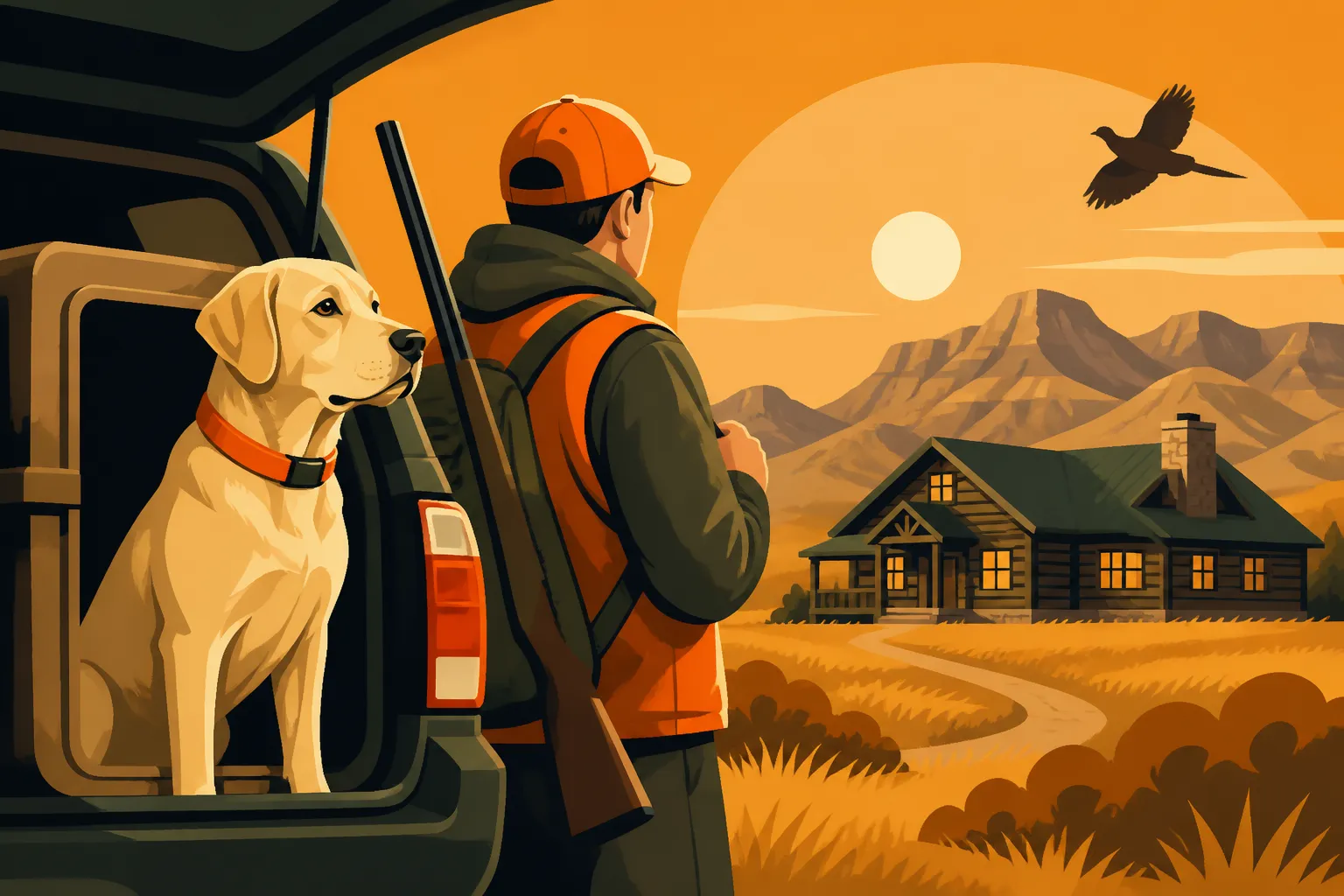
There's a special bond between a hunter and their dog, and the thought of leaving your loyal canine companion behind when you head to a South Dakota pheasant lodge can be genuinely heartbreaking. Many hunters dream of sharing the iconic prairie landscape and the thrill of flushing wild roosters with their own four-legged partners. This guide is here to walk you through everything you need to know about bringing your dog along for a South Dakota hunting adventure, ensuring both you and your best friend have a safe, successful, and memorable trip.
The Initial Considerations: Is Your Dog Welcome?
Before you even start packing your dog's favorite chew toy, the very first step in planning a South Dakota hunting trip with your canine companion is to figure out if your chosen lodge or outfitter actually welcomes dogs. It's not a given, and making assumptions can lead to disappointment and logistical headaches down the line. Each operation has its own set of rules, and they're usually in place for good reasons, from guest comfort to preventing potential conflicts between animals.
Lodge Policies on Canine Guests
Many lodges that cater to pheasant hunters understand the deep connection between a hunter and their dog, and they often have facilities specifically designed for canine guests. However, the specifics can vary wildly. Some lodges might welcome your dog into your room with you, perhaps with an additional pet fee and a requirement for a crate. This is often the case in smaller, more rustic operations or those with detached cabin-style accommodations where sound isn't as much of an issue for other guests. It's always best to inquire about Kennel Facilities at South Dakota Lodges when you first make contact.
On the other hand, many larger, more upscale lodges, especially those with shared common areas or more extensive dining facilities, will require dogs to be housed in dedicated kennels on the property. These kennels can range from basic outdoor runs to climate-controlled indoor facilities with individual pens. It’s crucial to ask about the type of kennels available, whether they are heated or air-conditioned, and what level of supervision or service they provide. Some places even offer washing stations or secure exercise yards. Don't be shy about asking for photos or even a virtual tour of their dog facilities if possible. The goal is to ensure your dog will be comfortable and safe, not just tolerated. When researching lodges, sites like BookYourHunt often include details about pet policies in their listings, making it easier to filter your options upfront.
Temperament and Training Expectations
Bringing your dog to a lodge means they'll be interacting with new people, new dogs (potentially other hunters' dogs or the lodge's own string of guides' dogs), and in new environments. A well-mannered, obedient dog is paramount. Lodges and outfitters generally expect your dog to be house-trained, non-aggressive towards other dogs and people, and responsive to basic commands. A dog that constantly barks, attempts to jump on other guests, or is difficult to control in the field will not only create stress for you but also disrupt the experience for everyone else.
Consider your dog's personality realistically. Is your dog prone to resource guarding, especially around food or toys, when other dogs are present? Does it get overly anxious in unfamiliar surroundings? If your dog has a history of aggression or severe anxiety, a guided hunt with multiple dogs and people might not be the best environment for them. It’s also wise to ensure your dog is accustomed to being crated, as many lodges require dogs to be crated when left alone, both in rooms and in designated kennel areas. A solid "stay" or "heel" command will be invaluable, especially when navigating crowded spaces or transitioning between vehicles and hunting areas. Remember, your dog's behavior reflects on you, and maintaining good Pheasant Hunting Etiquette on Public Ground (even if you're on private land) extends to how your dog interacts with others.
Health and Vaccination Requirements
Just like you need to have your hunting license and habitat stamp in order, your dog needs its health documents up-to-date. Most lodges will require proof of current vaccinations, especially rabies, distemper, and often kennel cough (Bordetella). It's a standard practice to protect all animals on the property, and it's a good idea for your dog's own health too, especially given the potential for interaction with other dogs. Always ask the lodge what specific vaccinations they require well in advance of your trip so you have time to schedule an appointment with your veterinarian. Dog Vaccination Requirements for Travel are non-negotiable and something you absolutely must get squared away before you hit the road.
Beyond vaccinations, a general health check-up is highly recommended before any strenuous hunting trip. Your vet can confirm your dog is in good physical condition for the demands of a South Dakota pheasant hunt, which can involve miles of walking through tough cover. Discuss parasite prevention, especially for ticks and fleas, as prairie environments can be rich in these pests. Also, consider having a copy of your dog's medical records and your vet's contact information handy. In the unfortunate event of an emergency, having quick access to this information could be crucial. It's all part of responsible ownership and ensures your companion is ready for the rigors of the field.
| Lodge Feature for Dogs | What to Ask / Consider | Why It Matters |
|---|---|---|
| Accommodation Type | In-room, outdoor kennel, indoor heated/cooled kennel? | Comfort, security, noise for other guests, dog's tolerance for solitude. |
| Pet Fees | Is there an extra charge per night or per stay? | Budget planning. Some lodges include it, others charge a premium. |
| Exercise Areas | Fenced runs, designated off-leash zones, supervised walks? | Crucial for energy release and mental well-being when not actively hunting. |
| Washing Station | Dedicated area for cleaning muddy/burr-laden dogs? | Keeps your room/kennel cleaner and makes post-hunt care much easier. |
| Food Storage | Secure, pest-proof area for dog food? | Prevents attracting wildlife or other pets to your food supply. |
| Water Access | Easily accessible fresh water in kennels/rooms? | Hydration is vital, especially after a long day in the field. |
| Lodge Dog Interactions | Are lodge dogs present? Are they socialized? | Potential for conflict or companionship; manage introductions carefully. |
| Vet Proximity | How close is the nearest vet clinic? | Essential for emergencies. Lodge staff might know local options. |
Preparing Your Canine Companion for the Trip
Once you've confirmed that a lodge welcomes your furry hunting partner, the real preparation begins. A successful hunt for both you and your dog involves more than just showing up; it requires careful planning for their physical condition, their gear, and their comfort during travel. Neglecting these aspects can turn a dream hunt into a stressful ordeal.
Essential Gear for Your Dog
Your dog needs its own packing list, just like you! First and foremost, a well-fitting, brightly colored vest is a must. Blaze orange or pink is not just for human hunters; it helps keep your dog visible to you and other hunters in heavy cover and ensures safety. Make sure it's durable and won't snag easily on thorns or thickets. A GPS collar, like those offered by Garmin, is also an invaluable piece of equipment. Losing your dog on the vast South Dakota prairie is a terrifying prospect, and a reliable GPS tracker can mean the difference between a minor scare and a full-blown panic. GoHunt often features articles discussing such essential gear for hunting dogs.
Beyond safety gear, don't forget the practical essentials. This includes plenty of your dog's regular food to avoid stomach upset from a sudden diet change. Bring a portable water bowl and plenty of water for field hydration; Dog Water and Burrs on the Prairie are constant considerations. A first-aid kit specifically for dogs, containing items like antiseptic wipes, paw balm for cuts, vet wrap, and tweezers for removing burrs, is crucial. Their own bed or blanket from home can provide comfort and familiarity in a new environment, helping them settle in more easily. Lastly, consider booties if your dog's paws are sensitive or if you'll be hunting in particularly rocky or abrasive terrain, though many prairie dogs do fine without them.
Conditioning for a South Dakota Hunt
South Dakota pheasant hunting is not a leisurely stroll. It often involves long days of walking through dense cattails, CRP fields, and corn stubble, sometimes covering several miles. Your dog needs to be in prime physical condition to handle this kind of exertion. Start a conditioning program weeks, if not months, before your trip. This could involve increasing the length and intensity of your daily walks, running alongside you, or engaging in simulated field exercises. A dog that is overweight or out of shape will tire quickly, be more prone to injury, and ultimately diminish the hunting experience for everyone.
Pay close attention to your dog’s paws. Gradually increase their exposure to different terrains to toughen their pads. If they're accustomed to soft grass, a sudden shift to abrasive stubble can lead to painful cuts and abrasions. Proper hydration is also key during conditioning and the hunt itself. Dogs can overheat quickly, especially Keeping a Dog Cool on an Early Opener when October days can still be quite warm. Always carry water and offer it frequently. A well-conditioned dog is not only more effective in the field but also happier and healthier throughout the trip.
Travel Logistics and Comfort
The journey to South Dakota can be a long one, and ensuring your dog's comfort and safety during travel is vital. Most hunters choose to transport their dogs in secure, well-ventilated crates in the back of a truck or SUV. This prevents them from distracting the driver, protects them in case of a sudden stop or accident, and gives them a secure space. Ensure the crate is large enough for your dog to stand up, turn around, and lie down comfortably.
Plan frequent stops for potty breaks, water, and a chance for your dog to stretch their legs. Never leave your dog unattended in a vehicle, especially during warmer weather, as temperatures can rise rapidly and be fatal. Bring a copy of your dog's health records and any necessary medications, along with enough food and water for the entire journey. Acclimatizing your dog to the crate before the trip, if they aren't already, will make the travel experience much less stressful for both of you. A little planning here goes a long way in starting your hunt on the right paw.
Navigating the Hunt with Your Dog at the Lodge
You've made it to the lodge, your dog is settled, and now it's time for the main event: the hunt! This is where your dog's training and your ability to work as a team truly shine. However, bringing your own dog into a guided lodge environment requires careful consideration of how you'll integrate with the guide, their dogs, and the overall hunting strategy.
Working with Lodge Guides and Dogs
When you’re hunting with a guide, especially if they have their own experienced hunting dogs, communication is paramount. Before heading into the field, have a clear discussion with your guide about how you envision your dog working. Are they okay with your dog hunting alongside theirs? Do they prefer your dog to be leashed or kept at heel until a certain point? Understanding these expectations prevents misunderstandings and ensures a safer, more efficient hunt. Many guides welcome well-trained outside dogs, recognizing their value, but they appreciate knowing your dog’s capabilities and limitations upfront. For example, if your dog is a flushing dog, but the guide typically works with pointing dogs, you’ll need to discuss how to manage the interaction so they aren’t conflicting in the field. Pointing Dogs Versus Flushers on Wild Birds is a common topic among guides.
It's important to respect the guide's expertise and their knowledge of the local terrain and bird behavior. They often have specific strategies for working certain fields, and your dog needs to be able to integrate into that plan. This might mean keeping your dog closer than usual, or perhaps giving them a specific section to work. Be prepared to keep your dog under control and call them off birds if the guide signals it. Remember, the guide is often managing multiple hunters, and sometimes multiple dogs, so cooperation is key to a smooth operation. After a successful day, remember that Tipping Guides and Dog Handlers in South Dakota is customary and a great way to show your appreciation for their hard work, especially if your dog added to the success of the hunt.
Managing Your Dog's Energy and Rest
Hunting days in South Dakota can be long and physically demanding. While your dog might have boundless energy at the start, it's your responsibility to monitor their condition throughout the day. Watch for signs of fatigue, such as lagging behind, excessive panting, or reluctance to retrieve. Even the most conditioned dogs need breaks. Encourage them to drink water whenever there's a pause in the action. On really hot days, especially during an early opener, you might consider leaving your dog at the lodge for a hunt or two, or ensuring you stick to shorter pushes and frequent rests.
Back at the lodge, ensure your dog gets adequate rest. They’ve been working hard! A comfortable, quiet space where they can decompress is essential. If they are kenneled, check on them regularly, provide fresh water, and allow them some quiet time away from the hubbub. Don't push them too hard. A dog that is overtired is more prone to making mistakes in the field or getting injured. Pacing your dog's effort over a multi-day hunt is crucial for their well-being and consistent performance.
Dealing with Unexpected Situations
Even with the best planning, unforeseen circumstances can arise. Your dog might encounter a porcupine, step on a sharp stubble and cut a paw, or simply get lost temporarily in thick cover. Having a well-stocked dog first-aid kit is essential. Know how to remove burrs, treat minor cuts, and recognize signs of heat exhaustion.
If a more serious injury occurs, knowing the location of the nearest veterinary clinic is paramount. Before your trip, ask the lodge staff for recommendations for local vets; they often have a preferred contact. Having your dog’s vet records readily available can expedite treatment. Vet Care and Dog Injuries on a Trip can be stressful and expensive, so being prepared for such emergencies can make a huge difference. A GPS collar is your best friend if your dog gets separated from the group. Even if your dog is perfectly trained, thick cover or an exciting flush can cause them to momentarily lose their bearings. Being able to track them quickly can prevent a lot of anxiety and ensure a speedy reunion.
Post-Hunt Care and Departure
The hunt might be over, but your responsibilities to your dog aren't. Proper post-hunt care ensures their recovery and sets them up for future success. It also ensures a smooth departure from the lodge and a comfortable journey home.
Recovery and Injury Prevention
After a strenuous day in the field, your dog’s recovery is just as important as yours. Inspect them thoroughly for any cuts, scrapes, burrs, or ticks. The South Dakota prairie is notorious for burrs, so a good brushing is a must after every hunt. Pay close attention to their ears, paws, and underbelly. If they seem stiff or sore, a gentle massage can help. Ensure they have access to plenty of fresh water and a good meal.
Consider giving your dog a warm bath, especially if they’ve been working in muddy or dusty conditions. Many lodges have dedicated dog wash stations for this purpose, making it much easier to keep your companion clean and comfortable. This also helps prevent skin irritations and hot spots. Overuse injuries are common in hunting dogs, so take preventative measures by monitoring their activity levels and ensuring proper nutrition. If you notice any limping, swelling, or unusual behavior, don’t hesitate to contact a local vet or at least observe them closely.
Cleaning and Transporting Birds with Your Dog
After a successful hunt, you'll be dealing with pheasants, and your dog will likely be interested in them. Most lodges offer services for Cleaning Pheasants in the Field or at a dedicated cleaning station. If you’re doing it yourself, make sure your dog isn't underfoot or trying to snatch birds, especially if they're still learning. It's often best to secure them while you focus on cleaning.
When it comes to transporting birds home, ensure they are properly tagged and packaged according to South Dakota regulations. If your dog is traveling with you in the vehicle, make sure cleaned birds are securely stored, preferably in a cooler. You don't want any raw meat attracting your dog or creating a mess. For longer journeys, especially if you're flying, understanding Getting Birds Home From South Dakota and the specific requirements for transporting game meat is crucial. Your dog, having done its part, deserves a clean, comfortable ride home, free from any tempting bird scents that could lead to distraction.
Disclaimer
This article is for general informational purposes only and does not constitute professional advice. Laws, prices and regulations vary by location and change over time. Consult a qualified professional for guidance on your specific situation.