Spring Snow Goose Guide Packages
Trying to tackle spring snow goose hunting on your own can feel like staring down a blizzard with a slingshot—it's just an overwhelming undertaking. The sheer scale of the migration, the immense decoy spreads required, and the daily grind of finding birds can quickly turn an exciting prospect into a frustrating nightmare. This guide is here to walk you through exactly what a spring snow goose guide package typically offers, helping you understand how these services can transform a monumental challenge into a memorable hunting experience in South Dakota.
The Unique Challenge of Spring Snow Goose Hunting in South Dakota
Let's be real: spring snow goose hunting isn't your average upland bird stroll or deer sit. It’s an entirely different beast, a high-volume, high-energy pursuit that demands specialized tactics and equipment. Many hunters arrive in South Dakota expecting to simply set up a few dozen decoys and call it good, only to quickly realize they're wildly outmatched by the sheer numbers and often wary nature of these migrating birds.
Why Spring Snows Are So Different
During the spring conservation order, millions of snow geese move north through South Dakota, funnelling into areas rich with waste grain from the previous year's harvest. Unlike the fall, when hunters might target family groups or smaller flocks, the spring sees massive "tornadoes" of birds—sometimes tens of thousands strong—swirling overhead. These birds have already been hunted across multiple states on their journey north, making them incredibly wary of anything that looks or sounds out of place. They've seen it all, and they're looking for an easy, safe meal before continuing their long migration.
The conservation order itself loosens many traditional waterfowl hunting regulations. For example, electronic calls are permitted, and there are no daily bag or possession limits, which speaks volumes about the goal of this special season: population control. This means hunters need to be equipped to handle hundreds, if not thousands, of birds decoying over a massive spread. If you've ever watched footage of these hunts, you'll notice it's not a quiet affair; it's a symphony of electronic calls, flapping decoys, and continuous shooting, often for hours at a time. The strategy isn't just about calling a few birds in; it's about breaking off chunks of massive flocks and convincing them that your field is the safe landing zone. For more on the big picture, check out South Dakota Waterfowl Seasons and Zones.
The Logistical Nightmare for DIY Hunters
If you're considering a DIY spring snow goose hunt, prepare for an eye-opening reality check on logistics. First, there's the equipment. A truly effective spring snow goose spread isn't just a handful of decoys; we're talking about hundreds, often thousands, of full-bodied, windsock, and kite decoys. Setting these up and tearing them down daily is back-breaking, time-consuming labor. Imagine deploying two thousand decoys before dawn and retrieving them after dark, day after day. That's a significant investment in both gear and physical effort.
Then there are the electronic calls—powerful sound systems capable of mimicking the cacophony of a feeding snow goose flock. These aren't cheap, nor are the generators needed to power them in remote fields. You'll also need specialized layout blinds for concealment in open agricultural fields, as well as multiple vehicles to haul all this gear. Beyond the equipment, the biggest challenge is finding where the birds are feeding that day. Snow geese are constantly moving, scouting new fields, and their patterns can change with a shift in wind or an overnight snowfall. This means endless hours of driving, glassing, and knocking on doors for permission—all before you even set a single decoy. The sheer financial and time commitment is often enough to deter even the most dedicated DIY hunters, making a guided trip a very appealing alternative.
What a Spring Snow Goose Guide Package Typically Includes
When you book a spring snow goose guide package, you're essentially outsourcing all the massive logistical headaches to someone who lives and breathes this unique hunting season. These guides dedicate months to preparation, scouting, and securing prime hunting locations, ensuring you step into a setup designed for success.
Decoys, Spreads, and Electronic Calls
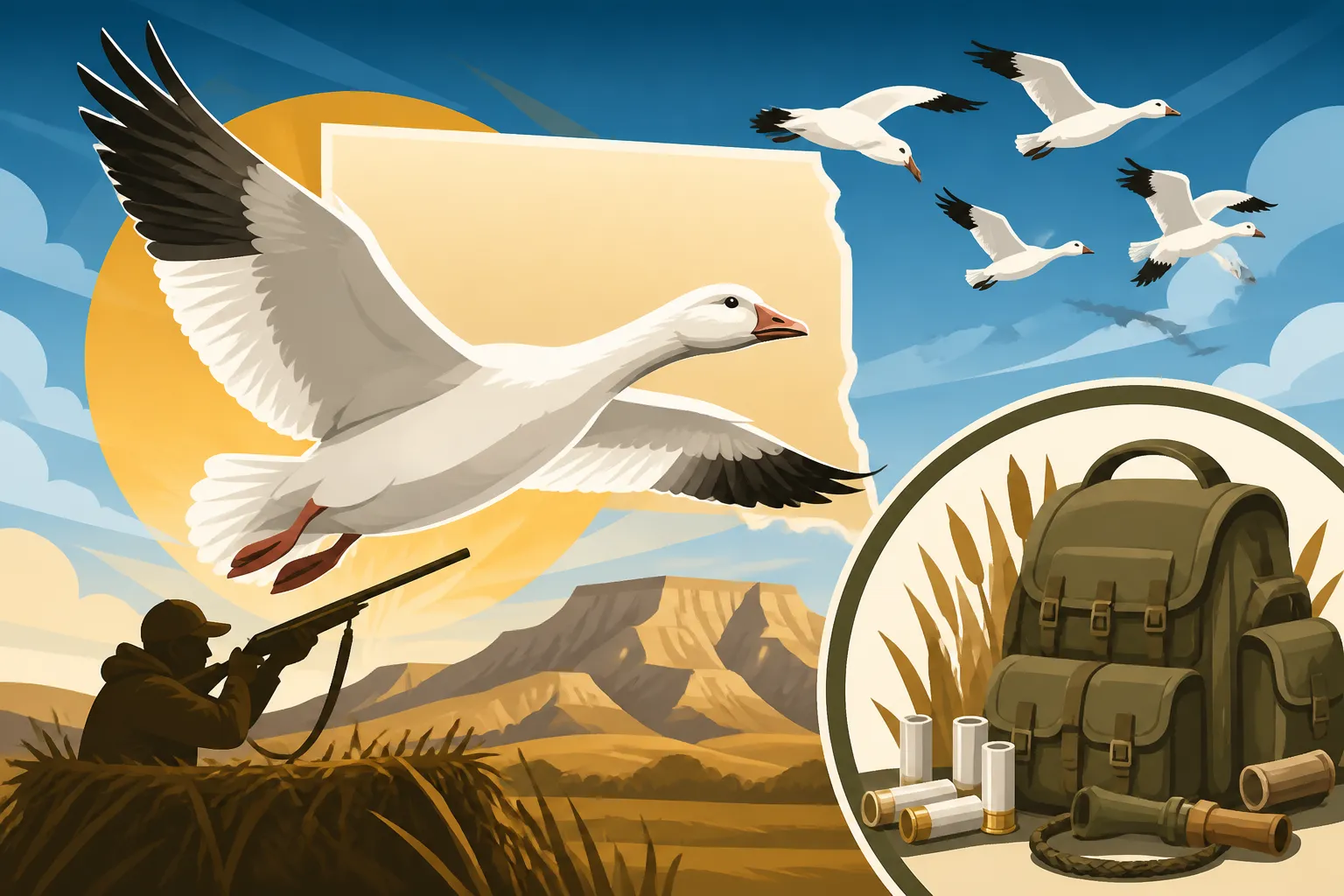
The centerpiece of any successful spring snow goose hunt is the decoy spread, and this is where guides truly shine. Forget your typical waterfowl spread; a guide's setup often consists of thousands of decoys, creating a visual spectacle that convinces massive flocks of snow geese to commit. These spreads include a mix of full-bodied decoys for realism, lightweight windsocks for motion, and high-flying kites that mimic incoming birds from a distance. The guides spend countless hours deploying and retrieving these spreads, ensuring optimal placement to draw birds in.
Coupled with the massive decoy spread are the powerful electronic calls, often referred to as "e-callers." These sophisticated sound systems blast out the authentic calls of snow geese, creating an irresistible auditory illusion of a bustling, feeding flock. Since electronic calls are only legal during the spring conservation order, guides have specialized equipment specifically for this season. The combination of an enormous, realistic spread and expertly deployed e-callers is paramount to decoying these notoriously wary birds, and it's a fundamental component of any reputable guide package. For a deeper dive into how these look, read Snow Goose Spreads in Spring.
Blinds, Scouting, and Field Access
Another huge benefit of a guided spring snow goose hunt is the provision of comfortable, effective concealment. You won't be huddling behind a few bales of hay; guides provide individual layout blinds that blend seamlessly into the stubble fields. These blinds keep you hidden from the sharp eyes of circling geese, and most importantly, keep you relatively comfortable during long hours in potentially chilly or windy spring conditions.
Perhaps the most critical service a guide provides is the relentless, daily scouting. Spring snow geese are here today, gone tomorrow. They might feed heavily in one field, then move ten miles away the next day. A good guide spends sunrise to sunset (and often well into the night) driving country roads, observing flight patterns, and identifying fresh feeding areas. This constant scouting ensures you're hunting where the birds want to be. Along with scouting comes the crucial aspect of land access. Guides cultivate relationships with local landowners, securing permission to hunt prime private fields that would be nearly impossible for a self-guided hunter to access. This network of reliable hunting grounds, combined with expert scouting, is what truly sets a guided hunt apart. If you want to know more about the setup, consider Layout Blind Concealment in Stubble.
Guide Services and Dog Handling
Beyond the gear and the scouting, the actual "guiding" part of the package is invaluable. Your guide is essentially the conductor of the orchestra. They monitor incoming birds, adjust the electronic calls, give instructions on when to call and when to be still, and most importantly, tell you exactly when to shoot. Their experience in reading bird behavior, understanding wind conditions, and knowing how to finish wary geese can make or break a hunt. They've spent years, if not decades, honing these skills, and they bring that expertise directly to your hunt.
Many guide services also provide trained retrieving dogs. These dogs are absolute powerhouses, tirelessly fetching downed birds from across vast fields. Chasing down a hundred snow geese by hand is a daunting task, and a good dog makes the recovery process efficient, enjoyable, and often prevents lost birds. If you're bringing your own dog, always confirm the guide's policy beforehand; some prefer to use their own seasoned retrievers to maintain control and efficiency, while others are happy to integrate well-behaved hunting companions. This comprehensive support allows hunters to focus solely on the thrill of the hunt, leaving the demanding work to the professionals.
Evaluating and Booking a Spring Snow Goose Guide Package
Booking a guided spring snow goose hunt is an investment, so it pays to do your homework. There are many reputable outfits in South Dakota, but understanding what to ask and what to look for will ensure you choose the right experience for your group.
Key Questions to Ask Before Booking
When you're calling potential outfitters, don't be shy about asking detailed questions. This isn't just a vacation; it's a significant expenditure of your time and money. Here are some critical points to cover:
- Average daily bird numbers: While no guide can guarantee limits, they should be able to give you an honest idea of their typical success rates and what "good hunting" looks like for their operation.
- Field rotation and hunting pressure: How often do they hunt the same field? Do they have enough land access to let fields rest? Constant pressure can make birds incredibly wary.
- Group size: How many hunters will be in your group? What's the guide-to-hunter ratio? Smaller groups often mean more personalized attention and more shooting opportunities.
- Included services: Be specific. Is bird cleaning included? What about lodging or meals? Some packages are all-inclusive, while others are just for the daily hunt.
- Contingency plans for bad weather: South Dakota spring weather can be wild. What happens if a blizzard rolls in or fields become impassable due to mud?
- Hidden costs: Are there any additional fees beyond the quoted price? This could include extra shells, additional guide fees, or processing charges. Always confirm What a South Dakota Hunt Price Includes.
Understanding Pricing and Inclusions
Spring snow goose guide packages vary widely in cost, typically depending on the duration of the hunt (day hunt vs. multi-day package), the level of amenities (basic field hunt vs. lodge-based with meals), and the guide's reputation. You'll often find prices quoted on a per-person, per-day basis, with discounts sometimes available for larger groups or longer bookings. For example, a single day might cost a certain amount per hunter, while a three-day package will have a different total.
It's crucial to understand what's explicitly included and excluded. Most packages will cover the guide's services, decoys, e-callers, and layout blinds. What's often not included, and where costs can add up, are your hunting licenses (both state and federal, including a federal duck stamp and state habitat stamp), ammunition, meals, lodging, and tips for the guides and any bird cleaners. Always budget for these additional expenses. Tips, for instance, are a significant part of a guide's income and are typically based on the quality of service, often around 15-20% of the total hunt cost. You can learn more about this at Tipping Guides and Dog Handlers in South Dakota. Don't forget to check the specific guide or outfitter's website for their current figures and what's covered in their package offerings.
| Feature | Typically Included in Package | Often Excluded / Extra Cost |
|---|---|---|
| Guide's expertise | Yes | No |
| Decoy spreads | Yes | No |
| Electronic calls | Yes | No |
| Layout blinds | Yes | No |
| Field access | Yes | No |
| Trained retrieving dogs | Often | No |
| State hunting license | No | Yes |
| Federal Duck Stamp | No | Yes |
| Ammunition | No | Yes |
| Meals | Sometimes (lodge packages) | Yes (day hunts) |
| Lodging | Sometimes (lodge packages) | Yes (day hunts) |
| Bird cleaning/processing | Sometimes | Yes |
| Tips for guides/staff | No | Yes |
| Transportation to field | Yes (from meeting point) | No |
Finding Reputable Outfitters
Finding a good outfitter is paramount. Start by looking for established operations with a long history of guiding spring snow geese in South Dakota. Word-of-mouth recommendations from fellow hunters are incredibly valuable, as are online reviews, but take all online reviews with a grain of salt and look for patterns. Websites like BookYourHunt or GoHunt can be useful resources for finding and comparing outfitters, often providing details on packages, pricing structures, and testimonials from previous clients. These platforms can also help you understand the general landscape of offerings, though you should always follow up directly with the outfitter.
Once you have a shortlist, ask for references—and actually call them. Speak to past clients about their experiences: Was the guiding professional? Were the fields good? Was the equipment well-maintained? Did the outfitter accurately represent what was included? Red flags might include vague answers to your questions, a lack of transparency about costs, or an unwillingness to provide references. A truly professional outfitter will be happy to answer all your questions and provide testimonials because they stand by their service.
Making the Most of Your Guided Spring Snow Goose Hunt
Booking a guide is a fantastic first step, but a little preparation and proper mindset can make your spring snow goose hunt truly unforgettable. You'll be spending long hours in fields, often in unpredictable weather, so being ready for anything is key.
Preparing for the Elements
South Dakota's spring weather can be notoriously fickle. One day it might be mild and sunny, the next a fierce blizzard could roll through, bringing bitter cold and strong winds. Layering is not just a suggestion; it's a necessity. Think thermal underwear, fleece layers, and a high-quality waterproof and windproof outer shell. A good pair of waterproof boots is essential, especially when walking through potentially wet fields or dealing with thawing snow. Warm gloves and a hat are also must-haves, even on seemingly mild days, as wind chill can be brutal.
Sunscreen and sunglasses are often overlooked but crucial. You'll be looking up at bright skies for hours, and the sun reflecting off snow (if there's any left) or water can be intense. Hydration is also important; bring plenty of water and snacks to keep your energy up throughout the day. Remember, you'll be out in the elements from before dawn until after sunset, often with limited breaks. Being physically and mentally prepared for the conditions will significantly enhance your enjoyment and comfort during the hunt. This really goes for Waterfowl Hunting the South Dakota Prairie generally.
Hunter Etiquette and Expectations
Hunting with a guide and often a group of fellow hunters means adhering to a certain etiquette to ensure everyone has a safe and enjoyable experience. Always listen to your guide's instructions. They are the experts in the field, making real-time decisions based on bird behavior and conditions. Follow their directions on when to call, when to be quiet, and especially when to shoot. Safety is paramount, so always maintain muzzle discipline and know your shooting zones.
Manage your expectations. While guides work incredibly hard to put you on birds, nature is unpredictable. Some days will be epic, with hundreds of birds decoying; other days might be slower due to weather, migration patterns, or wary birds. Understand that a "limit" during a conservation order often means filling a cooler, not necessarily hitting a specific number. Be patient, stay positive, and appreciate the experience of being out in the vast South Dakota prairie surrounded by millions of migrating geese. It's a spectacle, regardless of the final bird count.
Post-Hunt Logistics
Once the shooting stops for the day, there's still work to be done. Most guide services offer bird cleaning and packaging, either as an included service or for an additional fee. This can be a huge time-saver, as cleaning dozens of snow geese after a long day in the field is a monumental task. Discuss these options with your guide beforehand so you know what to expect and can budget accordingly.
If you plan to take your birds home, make sure you understand the regulations for transporting game meat. Birds need to be properly tagged and often require a wing or head attached for identification during transport. Invest in good coolers and plenty of ice to keep your birds chilled, especially if you're driving a long distance. Some outfitters may have arrangements with local processors for larger groups or if you prefer professional processing. Knowing these details upfront will ensure a smooth end to your incredible spring snow goose adventure. For more information on getting your birds back home, you can refer to Getting Birds Home From South Dakota.
Disclaimer
This article is for general informational purposes only and does not constitute professional advice. Laws, prices and regulations vary by location and change over time. Consult a qualified professional for guidance on your specific situation.