Tipping Dog Handlers and Lodge Staff
It’s a common scenario: you’ve just wrapped up an incredible hunting trip in South Dakota, the dogs worked tirelessly, the lodge staff kept you fed and comfortable, and you’re feeling immense gratitude. But then that familiar, slightly awkward question pops into your head: how much do I tip, and to whom? This isn't like leaving a tip at a restaurant; the rules feel less defined, and you want to ensure your appreciation is properly conveyed to everyone who made your experience unforgettable. This guide will walk you through the nuances of tipping dog handlers and lodge staff, helping you navigate the unspoken etiquette and show your gratitude with confidence.
Why Tipping is Such a Head-Scratcher on Hunts
Let's be honest, the whole concept of tipping can be a bit confusing, even in everyday life. But when you’re out on a hunting trip, especially at a dedicated lodge, it adds another layer of complexity. You’ve likely paid a significant sum for the experience itself, and then you start wondering, "Is gratuity already included? Am I expected to tip everyone? What's a fair amount?" These are all valid questions, and you're not alone in asking them. It’s part of the reason why many hunters feel a bit of anxiety around this topic, trying to do the right thing without feeling ripped off or, worse, appearing ungrateful.
The Unspoken Etiquette of the Field
Unlike a restaurant bill where a suggested gratuity might be printed, or a taxi where you just round up, the hunting world often operates on unwritten rules and long-standing traditions. There's a certain camaraderie and a sense of shared experience in the field, which makes transactional discussions feel out of place. However, that doesn't mean the hard work of your guide, dog handler, or the lodge staff should go unrewarded. These individuals often work incredibly long hours, starting before dawn and finishing long after you’ve settled in for the evening. Their dedication contributes immensely to the success and enjoyment of your hunt. Ignoring this aspect of the experience can feel disrespectful to their efforts, even if unintentional. It’s about acknowledging the people who aren't just "doing a job," but often pouring their passion into making your hunt special.
Recognizing the Hard Work Behind the Scenes
When you arrive at a hunting lodge, especially one renowned for its South Dakota pheasants, you see the end result: well-trained dogs, delicious meals, clean rooms, and seamless logistics. What you don't always see are the countless hours that go into maintaining that level of service. For dog handlers, it’s not just about the hunt itself; it’s the year-round training, the care for the animals, the early mornings, and the often cold, demanding conditions. For lodge staff, it's the meal planning, grocery shopping, cooking, cleaning, maintenance, and sometimes even shuttle services to and from the nearest airport. Every single person plays a vital role in creating that perfect hunting experience, from the moment you step out of your vehicle until you drive away with your cooler full of birds. Think of the seamless flow from breakfast to the field, to lunch, to the afternoon hunt, to dinner – each step is orchestrated by diligent staff.
Who to Tip and What They Do for You
Understanding who typically receives tips on a guided hunt helps you appreciate their specific contributions and budget accordingly. While your main guide might be the most visible, there's often an entire team working to ensure your trip is a success. This comprehensive support system is what elevates a simple hunt into a memorable adventure. When you're researching potential outfits, platforms like BookYourHunt often detail what services are included, which can give you a hint at the range of staff involved.
The Dog Handler's Crucial Role
If you’re on a pheasant hunt in South Dakota, the dogs are often the stars of the show, and the dog handler is their conductor. These individuals dedicate their lives to training, caring for, and working with these incredible animals. A good dog handler ensures the dogs are well-conditioned, respond to commands, and work effectively in the field, whether it's a pointing dog holding steady or a flusher tirelessly working thick cover. They're often out in the nastiest weather, busting through cattails or pushing shelterbelts, always focused on putting birds in front of your gun. Their efforts directly translate to your success and enjoyment. They understand canine behavior, reading every tail wag, every nose twitch, and every subtle shift in scent. It's a skill that takes years to hone, and without it, many pheasant hunts simply wouldn't be the same. Pointing Dogs Versus Flushers on Wild Birds is an entire discussion about the expertise involved.
Lodge Staff: The Backbone of Your Stay
Beyond the field, the lodge staff creates the comfortable, welcoming atmosphere that allows you to relax and recharge after a long day. This can include:
- The Cook/Chef: Preparing delicious meals, often tailored to hunter appetites and schedules. From hearty breakfasts to packed field lunches and gourmet dinners, they fuel your adventure.
- Housekeepers: Ensuring your room is clean, comfortable, and well-stocked, making the lodge feel like a home away from home.
- Bird Cleaners/Processors: Many lodges offer a service where they clean, package, and sometimes even freeze your birds for transport. This is a huge time-saver and often involves a lot of messy, laborious work. Check to see if Bird Cleaning Included in the Price of your package, as sometimes this is an add-on service.
- Shuttle Drivers/Logistics Staff: Handling transportation to and from the airport, or even driving you to different hunting areas.
- General Lodge Hands: These individuals might wear many hats, helping with everything from building fires to maintaining equipment, and generally ensuring everything runs smoothly.
Each of these roles contributes significantly to your overall experience, often working unseen to make your stay perfect. They are the unsung heroes of many hunting operations.
Figuring Out the "How Much" – A Realistic Approach
This is where things often get tricky, as there's no universal answer. However, we can break down the factors that generally influence tipping amounts and offer some practical guidelines. Remember, the goal is to show appreciation for quality service and effort. You'll find a lot of discussion around this topic on forums and hunting communities, and even resources like GoHunt often touch on the financial aspects of booking a hunt, which implicitly includes budgeting for gratuities.
Factors Influencing Your Tip
When deciding on a tip, consider these elements:
- Duration of the Hunt: A multi-day hunt often warrants a higher tip than a single-day outing, simply because more work and service are involved over a longer period.
- Quality of Service: This is paramount. Did the dog handler work tirelessly, were the dogs performing well, did they make extra effort to find birds? Was the lodge staff attentive, friendly, and efficient? Did they go above and beyond?
- Difficulty of the Hunt: Sometimes, hunting is tough, and birds are scarce. A good guide and dog handler will still work incredibly hard, adapting tactics and putting in maximum effort despite challenging conditions. Their effort, not just the bag limit, should be considered.
- Personalization and Extra Effort: Did someone remember your favorite drink, tell a great story, or help with something unexpected, like fixing a broken piece of gear or suggesting local attractions? These small touches enhance the experience significantly.
- Number of People in Your Party: If you're part of a larger group, the collective tip should reflect the service provided to everyone. However, your individual contribution doesn't necessarily scale directly with the group size; it's about what you feel is appropriate for your experience.
- What's Included in the Package: Some high-end lodges might include gratuity in their pricing. Always check your booking details or ask when you're Booking a South Dakota Pheasant Hunt. If gratuity is included, a small additional tip for exceptional service is still a nice gesture.
It’s about recognizing genuine effort and excellent service. If someone went above and beyond, that should be reflected in your gratuity.
| Role | Primary Responsibilities | Considerations for Tipping |
|---|---|---|
| Dog Handler | Dog training, care, handling in field, finding/flushing birds. | Effort, dog performance, challenging conditions, direct interaction with hunter. |
| Lodge Chef/Cook | Meal preparation, dietary needs, meal timing. | Quality of food, variety, accommodating requests, presentation. |
| Housekeeper | Room cleaning, laundry, guest comfort. | Cleanliness, attentiveness to needs (e.g., fresh towels daily), overall comfort. |
| Bird Cleaner | Cleaning, packaging, freezing game birds. | Efficiency, cleanliness of packaging, volume of birds processed. |
| Shuttle Driver | Transportation to/from airport or hunting areas. | Punctuality, safe driving, helpfulness with luggage, local insights. |
| General Staff | Maintenance, odd jobs, assisting guests. | Overall helpfulness, positive attitude, quick response to requests, general atmosphere of the lodge. |
Cash Versus Other Methods
For tips, cash is almost always preferred. There are several reasons for this:
- Immediacy: Staff receive their tips right away.
- Tax Implications: While morally complex, cash tips can offer some flexibility regarding income reporting, which can be advantageous to the recipient.
- Directness: It ensures the tip goes directly to the individual or staff, rather than potentially being absorbed or delayed by the outfitter's accounting.
If you plan to tip in cash, make sure you have enough smaller denominations available. Many hunters stop at an ATM before arriving at the lodge, as cash can be harder to come by in some of South Dakota's more rural hunting towns. Some lodges may allow you to add a gratuity to your credit card at checkout, which they then distribute, but always ask how it’s handled to ensure transparency.
Making Sure Your Gratuity Gets to the Right Hands
Once you’ve decided on an amount, the next step is ensuring it reaches the deserving individuals. This often involves a bit of observation and communication to understand the lodge's typical practices. Sometimes, there’s a system in place, and other times, it’s a more personal exchange.
Direct Tips to Individuals
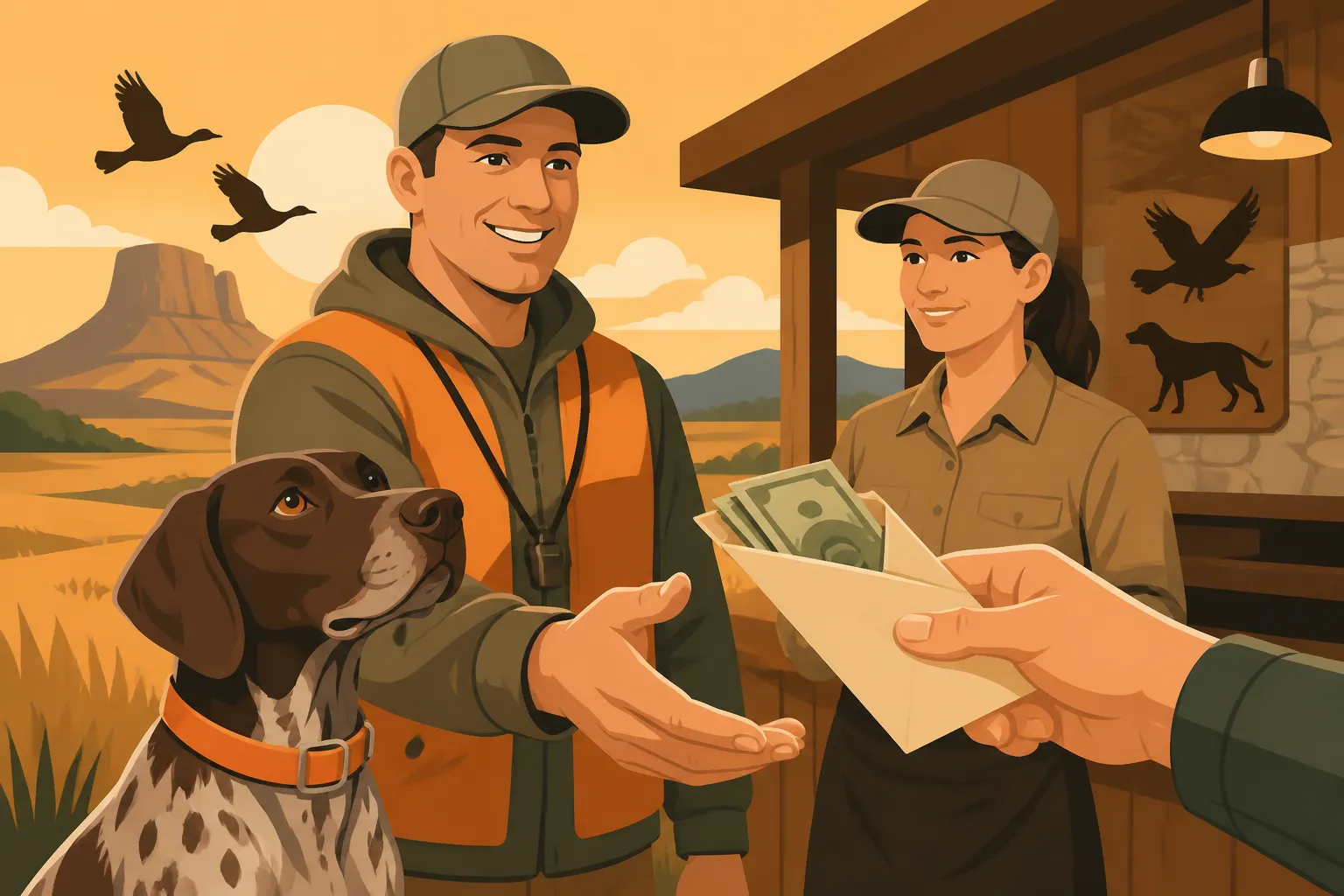
For specific individuals who made a significant impact on your hunt—like your primary dog handler or an exceptionally attentive housekeeper—a direct, personal tip is often the best approach. Handing them the cash directly, accompanied by a genuine thank you and specific mention of what you appreciated, makes the gesture much more meaningful. This personal touch shows you noticed their individual efforts and took the time to acknowledge them. It creates a connection that goes beyond a mere transaction. For instance, if a handler did a phenomenal job navigating heavy cover for Late-Season South Dakota Pheasants in Heavy Cover and ensuring your safety, telling them that directly with your tip can mean a lot.
Lodge Tip Jars and Pooled Tips
Some lodges, particularly larger operations, might have a collective tip jar at the front desk or a system where gratuities are added to your final bill and then pooled. The outfitter or lodge manager then distributes these pooled tips among all staff members. While this ensures everyone gets a share, it can feel less personal.
If you encounter a pooled system, it's perfectly acceptable to ask the lodge manager how the tips are distributed. A good outfitter will be transparent about their policy. If you still want to give an additional, personal tip to a specific individual, you can do so directly, even if there's a pooled system. This isn't usually seen as undermining the system but rather as an additional gesture for truly outstanding service. Before you commit to a trip, whether found on a site like BookYourHunt or through direct referral, don't hesitate to include questions about gratuities when you ask about What a South Dakota Hunt Price Includes.
Beyond the Cash: Other Ways to Show Appreciation
While cash is king for tipping, there are other meaningful ways to express your gratitude that can leave a lasting positive impression on the staff and the operation. These gestures often speak volumes about your appreciation and can be just as, if not more, impactful than the monetary tip itself.
Testimonials and Referrals
One of the most valuable things you can offer an outfitter or lodge is a glowing review or a personal referral. In today's interconnected world, online reviews on platforms like Google, Facebook, or hunting-specific sites (including BookYourHunt or GoHunt, where you might have found the outfitter) are incredibly important for their business. Taking the time to write a detailed, positive review highlighting specific staff members who excelled—mentioning them by name if possible—is a powerful form of appreciation.
Similarly, telling your friends, family, and fellow hunters about your fantastic experience and recommending the lodge or specific guide is invaluable. Word-of-mouth marketing is gold in the hunting industry, and a personal referral can lead to future bookings, directly benefiting the staff through continued employment and tips. This type of endorsement shows you not only enjoyed your hunt but trust the operation enough to send others their way.
Small Gifts and Thoughtful Gestures
Sometimes, a small, personalized gift can be a lovely way to show extra appreciation, especially if you've built a good rapport with certain staff members. This could be anything from a nice bottle of local spirits from your home state, quality coffee beans, or even a batch of homemade cookies. These aren't meant to replace a monetary tip but to complement it, adding a personal touch that shows you were thinking of them.
Another simple but often overlooked gesture is sending a thank-you card after your trip. In an age of digital communication, a handwritten note can stand out and demonstrate genuine thought and gratitude. It’s a classic way to ensure your appreciation is remembered long after your hunt.
Respecting the Rules and the Land
One of the most profound ways to show respect for the staff and the hunting experience they provide is by being an exemplary hunter. Follow all instructions, adhere to all hunting regulations, respect the property, and treat the equipment with care. A guide’s job is much easier and more enjoyable when working with a respectful, ethical hunter. Keeping safety first, practicing good sportsmanship, and being mindful of your impact on the land, whether it’s a South Dakota Game Production Area or a private lease, demonstrates a deep appreciation for the opportunities provided. Understanding and respecting rules about things like Muzzle Discipline With Blockers Ahead or Safe Gun Handling on a Bird Drive not only ensures safety but also shows respect for the guide and their responsibility.
Ultimately, your goal is to ensure that those who worked hard to make your South Dakota hunting adventure a success feel genuinely appreciated. While the monetary tip is a crucial part of this, combining it with sincere thanks, positive feedback, and respectful conduct will leave a lasting and positive impression on everyone involved.
Disclaimer
This article is for general informational purposes only and does not constitute professional advice. Laws, prices and regulations vary by location and change over time. Consult a qualified professional for guidance on your specific situation.