Preserve Hunt Prices in South Dakota
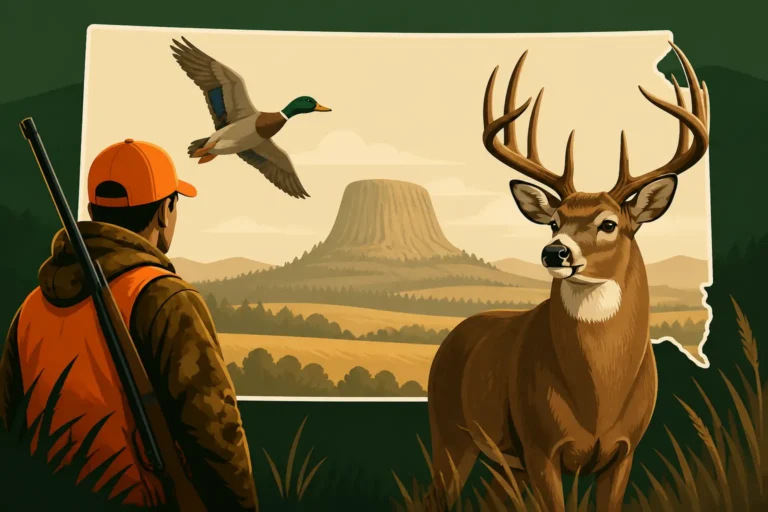
The idea of a preserve hunt in South Dakota often brings up a mix of excitement and questions, especially when it comes to the cost. Many hunters are drawn to the promise of consistent bird encounters and top-tier amenities, but they also wonder if it's truly worth the investment compared to navigating public land or private ground with permission. This guide is here to unravel the complexities of preserve hunt prices in South Dakota, helping you understand what drives the numbers and how to find the best value for your hunting adventure.
Understanding the South Dakota Hunting Preserve Model
Before we dive into the dollars and cents, it's crucial to understand what a hunting preserve truly is in South Dakota. These aren't just private farms where a few birds are turned out; they operate under specific state regulations, designed to offer a different kind of hunting experience. The primary draw is the opportunity for high-volume bird shooting, often with guaranteed opportunities, which can be particularly appealing if you're traveling a long distance or have a limited timeframe.
How South Dakota Preserves Operate
Hunting preserves in South Dakota are typically licensed operations, meaning they adhere to certain rules set by the state's Game, Fish and Parks. This licensing allows them to release pen-raised pheasants, and sometimes other game birds, beyond the regular wild bird season or with different bag limits. This means your hunting dates might not align exactly with the traditional South Dakota Pheasant Season and Licences, offering more flexibility. The goal is to create a controlled environment where hunters can enjoy a productive day afield, often with trained dogs and experienced guides. It's a structured approach to hunting, often catering to corporate groups, family outings, or those who simply want a less physically demanding hunt with a high success rate.
Preserve Hunting Versus Wild Bird Hunting
The fundamental difference, of course, lies in the "wild" aspect. On a preserve, while the birds often act surprisingly wild, they are ultimately pen-raised and released for the hunt. This contrasts sharply with the challenges and rewards of pursuing truly wild pheasants across vast fields, cattail sloughs, or Hunting Food Plots and Corn Edges. Wild bird hunting often involves more walking, more uncertainty, and a deeper dive into the bird's natural behaviors and habitat. Preserve hunts, on the other hand, offer a more predictable experience. You're paying for the convenience, the quantity of birds, and often the full-service amenities that remove much of the logistical headache involved in a DIY trip. This distinction is vital when you start evaluating costs, as what you're paying for is fundamentally different in nature.
Key Factors Shaping Preserve Hunt Costs
The price tag on a South Dakota preserve hunt isn't arbitrary; it's a reflection of many moving parts. Understanding these components can help you decipher why some hunts are significantly more expensive than others and what you're truly getting for your money.
Number of Birds and Release Strategies
One of the most direct influences on cost is the number of birds guaranteed or released for your group. Some preserves offer a "per bird" pricing model, where you pay for each bird harvested or released, while others include a set number of birds within a package deal. Preserves that release a higher density of birds or promise a "limit-out" experience will naturally charge more. The quality of the birds themselves also plays a role; preserves that take pride in strong-flying, robust birds that offer a challenging hunt often invest more in their stock, and this can be reflected in their pricing. Sometimes, the release strategy also matters – are birds put out just before you arrive, or are they given time to acclimate and spread out, creating a more natural hunt? These details, while subtle, contribute to the overall experience and, consequently, the price.
Inclusions and Amenities
A preserve hunt is often much more than just the hunt itself. The level of inclusions and amenities can drastically shift the cost. Consider what's part of the package:
- Guides and Dogs: Is a professional guide with well-trained dogs included, or is it an additional fee?
- Lodging: Many preserves offer on-site lodging, ranging from rustic cabins to luxurious lodges. Are meals provided? What a South Dakota Pheasant Lodge Provides can vary immensely.
- Bird Processing: Does the preserve clean, package, and perhaps even freeze your birds, or is that an extra service?
- Transportation: Are you transported to and from fields, or expected to use your own vehicle?
- Licenses: While you'll always need to purchase your own state hunting license, some preserves might offer assistance with the process or include a specific The Nonresident Shooting Preserve Licence if needed.
- Other Activities: Some lodges offer additional activities like sporting clays, fishing, or even spa services, which, while not directly hunting-related, are factored into the premium experience.
A bare-bones preserve hunt will naturally cost less than an all-inclusive, multi-day experience with gourmet meals and a dedicated bird cleaner. It's essential to get a clear itemized list of what is and isn't included when comparing options.
Seasonality and Group Size
Just like wild bird hunting, preserve hunt pricing can fluctuate with demand. The peak of the traditional pheasant season, especially the first few weeks, and key dates like holidays, often command higher rates due to increased demand. Booking a South Dakota Opener Weekend or similar high-demand periods will almost always be more expensive. Conversely, late-season hunts or bookings during less popular weekdays might come with a slightly lower price point. Group size is another significant factor. Many preserves price their hunts per person, but larger groups might qualify for group discounts or exclusive use of certain hunting areas, which can affect the per-person cost. Some operations have minimum group sizes or maximum limits, which can influence your booking strategy and, ultimately, your total expenditure.
Typical Pricing Structures for Preserve Hunts
When you start looking at different outfitters and lodges, you'll notice a few common ways they structure their preserve hunt prices. Each has its pros and cons, depending on your preferences and hunting goals.
Per-Bird Pricing
This model is pretty straightforward: you pay for each bird that is either released for your hunt or harvested by your group. It's often favored by smaller groups or those who prefer more control over their budget, only paying for what they shoot.
- Pros: Can be cost-effective if your group isn't focused on shooting a large volume of birds. You avoid paying for birds you don't encounter or harvest. Provides flexibility.
- Cons: The total cost can quickly add up if your group is highly successful or if the hunt is designed for high-volume shooting. You might feel pressured to shoot every bird to "get your money's worth."
- Scenario: A father and son want a relaxed day, hoping for a dozen birds between them. Paying per bird allows them to enjoy the experience without the pressure of a fixed bag limit. If they only shoot eight, they only pay for eight (plus guide fees, etc.).
Day Rates and Package Deals
This is perhaps the most common pricing structure for South Dakota preserve hunts, especially at lodges offering a comprehensive experience. You pay a set price for a full day or a multi-day package, which typically includes a fixed number of birds per hunter, a guide, dogs, and sometimes meals and lodging.
- Pros: Predictable costs, making budgeting much easier. Often includes many amenities, providing a hassle-free experience. Good for groups aiming to shoot a certain number of birds.
- Cons: Can be more expensive upfront. If your group doesn't shoot the allotted number of birds, you've still paid for them. Less flexibility if you want a shorter or less intensive hunt.
- Scenario: A group of four friends wants a full weekend pheasant experience. A three-day package including two nights' lodging, all meals, a guide, dogs, and a daily bag limit of a dozen birds per hunter offers a clear, all-encompassing price. They know exactly what to expect financially.
Hybrid Models
Some preserves blend these approaches. For instance, a package might include a base number of birds, with additional birds available for purchase at a per-bird rate if your group wishes to extend their shooting or exceeds the initial allocation. Other models might offer a flat daily rate for the guide and dogs, with birds added on top. These hybrid options try to offer the best of both worlds, providing some cost predictability while allowing for flexibility based on the day's hunting success and the group's desires. When you're researching, don't be afraid to ask for clarification on exactly how these combined models work so there are no surprises.
Here's a quick comparison of common pricing models:
| Pricing Model | Description | Typical Inclusions | Best For | Potential Drawbacks |
|---|---|---|---|---|
| Per-Bird | Pay for each bird released or harvested. | Guide, dogs (sometimes extra), field access | Smaller groups, budget-conscious hunters, lower volume targets | Total cost can escalate, pressure to shoot |
| Day Rate | Set price for a single day of hunting. | Fixed bird allocation, guide, dogs | Day trips, groups with specific bird targets | May not include meals/lodging, less flexible if you limit out early |
| Package Deal | Set price for multi-day hunt with comprehensive services. | Fixed birds, guide, dogs, lodging, meals, processing | All-inclusive experience, corporate groups, longer trips | Higher upfront cost, less flexibility with bird numbers |
| Hybrid | Base package with option to add more birds at a per-bird rate. | Varies, often similar to package deals | Hunters wanting some predictability but also flexibility for more action | Can be complex to understand all costs upfront |
Maximizing Value on Your Preserve Hunt
Investing in a preserve hunt can be a fantastic experience, but you want to ensure you're getting the best bang for your buck. There are definitely ways to approach your research and booking to maximize the value you receive.
Thorough Research and Comparison
Don't just jump at the first offer you see. South Dakota has a wide variety of hunting preserves, each with its own character, pricing, and amenities. Take the time to research several different options. Read reviews, look at photo galleries, and check out any online booking platforms like BookYourHunt, which often consolidate information on various outfitters. Pay close attention to what is explicitly included in the price versus what might be an additional charge. A seemingly cheaper "day rate" might become more expensive once you add in guide fees, dog fees, bird cleaning, and lunch. Don't be shy about calling lodges and asking specific questions; a reputable outfitter will be happy to discuss their offerings in detail. Compare South Dakota Guided Pheasant Day Rates and what you get for them.
Asking the Right Questions
When you're speaking with a preserve operator, arm yourself with a list of questions beyond just the price. This will help you paint a clearer picture of the value and avoid any unexpected costs or disappointments.
- What exactly does the quoted price include? Be specific about birds, guides, dogs, lodging, meals, bird processing, and transportation.
- Are there any additional fees or hidden costs? Ask about gratuities, ammunition, gun rentals, or anything that might pop up. Tipping Guides and Dog Handlers in South Dakota is a common expectation and should be budgeted for.
- What is the ratio of guides to hunters, and how many dogs will be working our group? This impacts the quality of your hunting experience.
- What is the typical experience level of the birds? Some preserves focus on highly challenging birds, while others cater to beginners.
- What are the cancellation policies and deposit requirements? Understanding Deposits and Cancellation Terms in South Dakota is crucial, especially for larger bookings.
- Can you provide references from previous clients, especially groups similar to ours? This is an excellent way to gauge reputation and satisfaction.
- What happens if we bag our limit early? Do you continue hunting, or is the day considered over?
- What are the specific licensing requirements? This helps ensure you're compliant with all state regulations.
Consider Off-Peak Times and Group Dynamics
Flexibility in your schedule can often translate to savings. If your group can hunt during weekdays instead of weekends, or during shoulder seasons (early or late in the preserve's operating window), you might find more favorable rates. Additionally, optimizing your group size can influence costs. Some preserves have minimums or maximums, and sometimes filling a larger group can unlock better per-person pricing or exclusive use of certain fields. If you're a smaller group, consider joining a pre-existing opening or a mixed group hunt, though this might mean less personalized attention. Planning well in advance, even a year out, can sometimes secure better dates and rates.
Choosing a preserve hunt is an exciting part of planning your South Dakota adventure. By understanding the pricing models and asking thoughtful questions, you can ensure your investment leads to a memorable and satisfying hunting experience, without any unwelcome surprises when the final bill arrives.
Disclaimer
This article is for general informational purposes only and does not constitute professional advice. Laws, prices and regulations vary by location and change over time. Consult a qualified professional for guidance on your specific situation.