Booking a South Dakota Deer or Antelope Hunt
It's incredibly exciting to consider a big game hunt in South Dakota. Many hunters dream of the wide-open spaces, the challenging stalks, and the chance to pursue majestic deer or speedy pronghorn antelope. However, turning that dream into a reality can feel daunting, especially when you're faced with complex draw systems, countless outfitter options, and the sheer logistics of planning a trip to a new state. This guide is here to cut through the confusion and provide you with a comprehensive roadmap for booking your South Dakota deer or antelope hunt, whether you're going DIY or choosing a trusted guide.
Navigating South Dakota's Big Game Opportunities: Deer and Antelope
South Dakota offers a diverse landscape for big game hunters, primarily known for its thriving populations of white-tailed deer, mule deer, and pronghorn antelope. Each species presents its own unique set of challenges and rewards, spread across distinct regions of the state. Understanding these landscapes and the animals that inhabit them is your first step in planning a successful hunt.
A Glimpse into South Dakota's Deer Hunting Regions
The state is generally divided by the Missouri River, creating two distinct deer hunting regions: West River and East River, each with its own characteristics and dominant deer species.
West River Mule Deer Terrain
West River South Dakota, encompassing the vast prairies, rolling hills, and Badlands formations west of the Missouri River, is primarily mule deer country. These deer are truly creatures of the open spaces, adapted to the sparse, rugged terrain. Hunters often spend their days glassing vast distances, patiently searching coulees, draws, and cedar pockets for a tell-tale flicker of an ear or the distinct antlers of a mule deer buck. The sheer scale of the landscape can be overwhelming at first, making effective glassing techniques and understanding mule deer movement patterns absolutely critical. It’s a hunt that demands keen eyesight, patience, and a willingness to cover ground, often on foot, to get within range.
The terrain here ranges from the broken badlands near the Cheyenne River to the endless grasslands of the National Grasslands. You might find mule deer tucked into the bottom of a deep draw, using the contours of the land for cover, or bedded on a sage-covered hillside. The challenges are real – the wind can be relentless, and finding shade or cover during a stalk can be nearly impossible. However, the reward of spotting a mature mule deer buck against such a wild backdrop is truly special. When considering a West River hunt, understanding these specific environmental factors becomes paramount for both your planning and your physical preparation.
East River Whitetail Havens
East River South Dakota, east of the Missouri River, is predominantly white-tailed deer territory. This region is characterized by more agricultural land, numerous shelterbelts, river bottoms, and the famed prairie pothole region. Whitetails here thrive in the patchwork of cornfields, soybean fields, and dense pockets of cover. They are often found utilizing the shelterbelts that farmers plant for windbreaks, the brushy edges of waterways, and the thick timber along major rivers like the James or Big Sioux.
Hunting East River whitetails often involves a different approach than out west. While glassing from a distance can still be effective, especially along field edges at dawn and dusk, much of the hunting here is more focused on understanding how deer use specific cover to travel and bed. Stand hunting, whether from a treestand overlooking a pinch point or a ground blind on a food plot, can be highly effective. The challenges here might include navigating private land access, dealing with denser cover, and anticipating how deer move between feeding areas and bedding cover. The excitement of an East River whitetail hunt often comes from the sudden appearance of a buck slipping through a stand of trees or crossing a corn stubble field.
The Allure of South Dakota Pronghorn Antelope
For many hunters, pursuing pronghorn antelope is a quintessential South Dakota experience. Often misidentified as antelope (they are not true antelope, but North America's fastest land mammal), these incredible animals are found primarily in the vast, open rangelands of West River South Dakota. Their keen eyesight, incredible speed, and curious nature make for an exhilarating and often challenging hunt.
Speed Goats on the Prairie
Pronghorn are often called "speed goats" for a very good reason – they are built for speed. They can sustain incredible speeds over long distances, making them incredibly difficult to catch up to if they decide to bolt across the prairie. Their large eyes, positioned on the sides of their heads, give them an almost 300-degree field of vision, making it incredibly tough to sneak up on them in their open habitat. You'll often spot them from miles away, sometimes even before you're fully out of your vehicle, thanks to their light coloration and preference for wide-open spaces.
The key to hunting pronghorn successfully often lies in utilizing the subtle contours of the land. A slight rise, a shallow dip, or even a lone sagebrush can become critical pieces of cover during a stalk. Hunters will often spend hours glassing, trying to identify a buck and then meticulously planning a route that keeps them out of sight. It's a game of patience, stealth, and often, crawling on hands and knees through prickly pear cactus and dry grass. Spot-and-Stalk Antelope Hunting in South Dakota is truly a test of a hunter's fieldcraft.
Unique Hunting Challenges and Rewards
The challenges of hunting pronghorn are distinct. Their incredible eyesight means you need to be constantly aware of every bit of cover. Their speed means that if a stalk goes wrong, they can vanish over a horizon in a matter of seconds. And the open nature of their habitat means you'll often be taking longer shots than you might on deer, requiring a rifle that can shoot accurately at extended ranges and a hunter confident in their abilities. You'll definitely want to ensure your rifle is sighted in and you've practiced out to 300-400 yards, as these distances are common on the prairie.
Despite these challenges, the rewards are immense. The sheer beauty of watching a pronghorn herd move across the prairie, the adrenaline rush of a well-executed stalk, and the unique experience of hunting an animal so perfectly adapted to its environment make for an unforgettable hunt. The meat is also incredibly lean and delicious when handled properly in the field. South Dakota offers some fantastic opportunities for these iconic prairie animals, and drawing a tag is a prize in itself. You can learn more about securing these tags in South Dakota Antelope Season and Draw.
Understanding the South Dakota Draw System: Your Gateway to a Tag
For big game in South Dakota, especially deer and antelope, understanding and navigating the draw system is absolutely critical. Unlike pheasant hunting, where you can purchase a license over the counter, deer and antelope tags are limited and allocated through a lottery system. This system can be a bit complex, especially for non-residents, combining preference and bonus points to determine who gets a coveted tag.
Demystifying Preference and Bonus Points
South Dakota utilizes a hybrid system of preference and bonus points designed to give loyal applicants a better chance over time without guaranteeing a tag. It's not a simple "the more points, the better" system like some states, which can sometimes be confusing.
How the System Works for Deer
For nonresident deer licenses in South Dakota, particularly for West River units and some East River opportunities, the preference point system is in play. When you apply for a license, if you're unsuccessful, you can typically purchase a preference point for the following year. These preference points essentially give you a higher priority in the drawing process compared to someone with fewer points. The more preference points you accumulate, the better your chances should be in subsequent years. However, it's important to remember that it's still a draw, and success is never guaranteed. You could have several points and still not draw a highly sought-after unit in a given year, especially as competition increases. For a deep dive, check out South Dakota Preference Points Explained.
The key takeaway is that these points give you a statistical advantage. If you plan to hunt South Dakota deer consistently, accumulating preference points is a sound long-term strategy. This is especially true for the limited nonresident archery deer licenses or specific rifle units in the West River region that see high demand. You'll often find discussions among hunters about how many points it might take to draw a particular unit, but these are always estimates based on past draw odds. It’s a good idea to research specific unit draw odds from previous years, which the South Dakota Game, Fish and Parks (SDGFP) typically publishes.
Antelope Draw Specifics
The antelope draw system in South Dakota functions similarly to the deer draw but has its own nuances. Nonresidents applying for pronghorn antelope tags also participate in a lottery that considers their accumulated points. Again, being unsuccessful in a prior year allows you to purchase or accrue a bonus point, which increases your chances in future drawings. The "bonus" aspect means your application gets additional "chances" in the draw for each point you have, effectively increasing the number of times your name is in the hat.
Much like deer, certain antelope units are much harder to draw than others, often correlating with higher buck-to-doe ratios or better access to public land. If your goal is to hunt antelope, consistently applying and building points is the path forward. You might choose to apply for a difficult unit year after year, hoping your points eventually pay off, or target units with slightly better odds to increase your chances of drawing sooner. Many resources, including platforms like GoHunt, offer data analytics to help predict draw odds based on historical trends, which can be invaluable for strategizing your application.
Application Deadlines and Maximizing Your Odds
Missing a deadline for a draw application is one of the most frustrating mistakes a hunter can make. South Dakota has specific windows for big game applications, and being prepared well in advance is crucial.
Key Dates and Planning Your Application Strategy
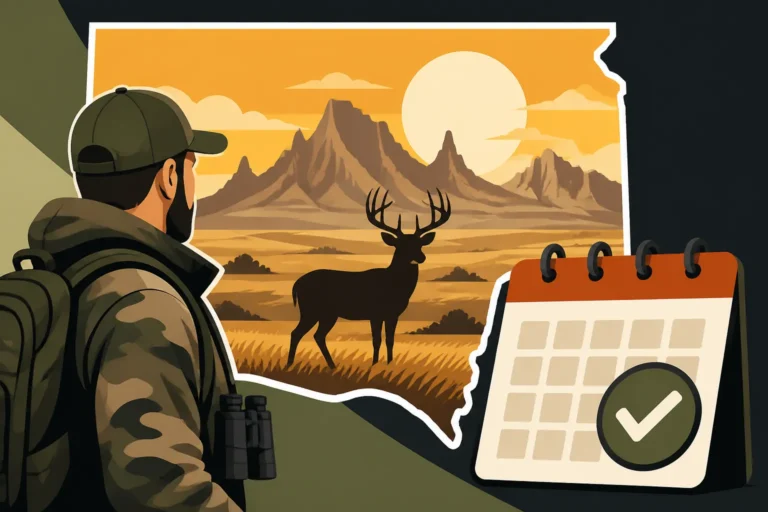
The South Dakota Game, Fish and Parks (SDGFP) sets clear application deadlines for big game licenses, typically in the spring for deer and antelope. These dates are firm, and there are no extensions. It’s highly recommended to mark these deadlines on your calendar, set reminders, and apply well before the last minute to avoid any technical glitches or last-minute rushes. SDGFP usually opens the application period several weeks in advance, giving ample time to apply online.
Part of planning your application strategy involves researching the specific units you're interested in. Look at past draw odds for both residents and nonresidents, consider the types of terrain (e.g., West River Mule Deer Hunting in South Dakota or South Dakota Whitetail Hunting in River Bottoms), and assess the public land access available. Some units might have higher success rates or better trophy potential but are significantly harder to draw. Others might offer more accessible tags with reasonable hunting opportunities. This research helps you make an informed decision about where to apply, balancing your desired hunting experience with your draw odds. Organizations like BookYourHunt often provide comprehensive guides and links to state wildlife agency resources that compile this critical information.
Considering Leftover Licenses and Second Choices
Even if you're unsuccessful in the initial draw, your hunting dreams for the year aren't necessarily over. South Dakota often has leftover licenses available after the main draw periods. These are typically for units that had lower demand or where some applicants didn't complete their purchase. Leftover licenses are usually sold on a first-come, first-served basis, and they can go quickly. Keeping an eye on the SDGFP website for announcements regarding leftover sales is a smart move.
Additionally, when applying for some licenses, you might have the option to list a second choice unit. This means if you don't draw your first choice, your application is then considered for your second choice unit. While drawing a second choice is often less likely for highly desirable tags, it provides another opportunity to secure a license. Carefully consider your second choice, perhaps selecting a unit with higher draw odds to increase your chances of hunting that season. This layered approach to the draw, from initial application to monitoring leftover sales, can significantly improve your chances of getting a tag in South Dakota. You can find more details on the application process in South Dakota Big Game Draws and How to Apply.
Weighing Your Options: Self-Guided (DIY) vs. Guided Hunts
When planning a South Dakota deer or antelope hunt, one of the biggest decisions you'll face is whether to undertake a self-guided (DIY) adventure or book a guided hunt with an outfitter. Both approaches have their distinct advantages and disadvantages, and the best choice depends heavily on your experience level, budget, available time, and personal preferences.
The DIY Hunter's Path: Freedom and Challenge
For many, the appeal of a self-guided hunt lies in the challenge, the freedom, and the deep satisfaction of earning every success entirely on their own terms. It’s often the more adventurous and budget-friendly route, but it comes with a significant amount of planning and effort.
Pros and Cons of Going It Alone
The primary advantage of a DIY hunt is the cost savings. You avoid outfitter fees, which can be substantial, and you have complete control over your budget for lodging, food, and travel. There's also an unparalleled sense of accomplishment that comes from scouting your own ground, locating your own animals, and executing a successful hunt without professional assistance. You're free to hunt your way, adapt to conditions on the fly, and truly immerse yourself in the landscape. This freedom can be incredibly rewarding.
However, the cons are equally significant. A DIY hunt demands extensive research and planning. You'll need to identify suitable hunting areas, whether it's Hunting South Dakota Walk-In Areas, National Grasslands, or navigating private land access. This often involves countless hours poring over maps, satellite imagery, and public hunting atlases, like the one offered by SDGFP. You’re responsible for all logistics: finding accommodation, bringing all your own gear, handling all transportation, field dressing, and meat processing. If you're traveling from out of state, this can add layers of complexity. Furthermore, if you're unfamiliar with the terrain or local game behavior, your learning curve will be steep, and success rates can be lower compared to a guided hunt.
Key Considerations for Planning a Self-Guided Hunt
If you're leaning towards a DIY hunt, meticulous planning is paramount. First, secure your license through the draw system – without it, nothing else matters. Next, focus on scouting. While you can do some e-scouting from home using online tools and maps, nothing beats boots on the ground. If possible, plan a pre-season trip to familiarize yourself with the terrain, locate potential bedding areas, and identify pinch points or travel corridors. If a pre-season trip isn't feasible, leverage resources like the Using the South Dakota Public Hunting Atlas and apps like onX Hunt to identify public lands, walk-in areas, and section lines.
Logistically, consider where you'll stay. Camping on public lands is an option, but be aware of regulations and weather conditions. Local motels or Airbnb rentals can provide a comfortable base camp. Plan for food, water, and all your hunting gear, including appropriate clothing for potentially harsh South Dakota weather conditions, from warm early-season days to cold, windy stalks. Finally, have a solid plan for game recovery and processing. Can you quarter a deer in the field? Do you know where the nearest locker plant is? These practical considerations can make or break a DIY experience.
The Guided Experience: Support and Expertise
For many hunters, particularly those new to South Dakota or big game hunting in general, a guided hunt offers a streamlined, supportive, and often more successful path. Outfitters provide invaluable local knowledge, access to prime hunting grounds, and handle many of the logistical headaches.
Benefits of Booking with an Outfitter
The most significant benefit of a guided hunt is the expertise and local knowledge an outfitter provides. They live and breathe the local hunting scene, understand game movements, and know the best areas to hunt based on current conditions and historical patterns. This can dramatically increase your chances of success, especially for species like mule deer and antelope that demand specialized hunting techniques. Outfitters often have access to vast tracts of private land, which can be difficult or impossible for DIY hunters to secure, offering less crowded hunting experiences and potentially higher quality animals.
Beyond expertise, guided hunts simplify logistics. Most packages include lodging, meals, transportation in the field, and often field dressing and game retrieval. This means you can focus entirely on the hunt itself, rather than worrying about where to sleep or what to eat. This is particularly appealing for hunters with limited time off, those traveling long distances, or individuals who prefer a more comfortable, all-inclusive experience. For those considering a guided hunt, platforms like BookYourHunt can be excellent starting points for exploring reputable outfitters and their offerings.
What to Expect from an Outfitter's Package
Outfitter packages for South Dakota deer and antelope hunts typically vary widely in terms of inclusions, duration, and price, so it's crucial to understand What a South Dakota Hunt Price Includes. Most hunts are 3-5 days in length, targeting either a buck deer (mule or whitetail, depending on the unit) or a buck antelope. A full-service package usually includes:
- Lodging: This could range from a rustic bunkhouse to a comfortable lodge with private rooms.
- Meals: Often home-cooked and hearty, designed to fuel hunters for long days in the field.
- Guiding: One-on-one or two-on-one guiding, where your guide will help you spot, stalk, and recover game.
- Transportation: In-field transportation to and from hunting areas, typically in 4×4 vehicles.
- Field Care: Assistance with field dressing and getting your animal back to camp or a local processor.
Some outfitters might also offer additional services like caping for taxidermy or assistance with meat processing and shipping, though these can sometimes be extra costs. It's important to clarify everything included in the price before booking. While the upfront cost is higher than a DIY hunt, the value of local knowledge, private land access, and logistical support can make it a worthwhile investment for many hunters. Always ensure you receive a detailed contract outlining all services and expectations.
Finding and Vetting a Reputable South Dakota Outfitter
Deciding to go with an outfitter is one thing; finding the right one is another entirely. The market is full of options, and it can be challenging to differentiate between a truly reputable operation and one that might leave you disappointed. Diligent research and vetting are crucial steps to ensure your South Dakota big game hunt is everything you hoped for.
Where to Begin Your Outfitter Search
With so many outfitters advertising, knowing where to start your search can feel overwhelming. A methodical approach will help you narrow down the field.
Online Resources and Directories
The internet is undoubtedly the primary starting point for most hunters. Websites like BookYourHunt specialize in connecting hunters with outfitters globally, providing profiles, hunt details, and often, client reviews. These platforms can be incredibly useful for getting a broad overview of what's available in South Dakota, filtering by species, region, and price point. Beyond dedicated booking sites, a simple search for "South Dakota deer outfitter" or "South Dakota antelope guide" will yield numerous individual outfitter websites. Pay attention to how professional and informative these sites are – a well-maintained website often reflects a well-run business.
Additionally, state wildlife agencies, like the South Dakota Game, Fish and Parks (SDGFP), sometimes list licensed outfitters, or at least provide information on licensing requirements that can help you verify an outfitter's legitimacy. Hunting forums and online communities can also be great resources, as experienced hunters often share recommendations and insights (both positive and negative) about outfitters they've used. Just remember to take forum opinions with a grain of salt and cross-reference information. As you gather names, begin to make a list of potential candidates that align with your desired hunt experience and budget.
Personal Recommendations and Research
While online research is important, there's no substitute for personal recommendations. If you know other hunters who have successfully hunted deer or antelope in South Dakota, ask them about their experiences. Word-of-mouth referrals from trusted sources are often the most reliable indicator of an outfitter's quality and integrity. They can provide insights into the guide's personality, the quality of the animals, and the overall atmosphere of the camp.
Beyond direct referrals, delve into deeper research. Look for client testimonials not just on the outfitter's website, but on independent review sites or hunting forums. Search for articles or videos featuring the outfitter. Pay attention to how long an outfitter has been in business; longevity often indicates a solid reputation and consistent success. Platforms like GoHunt, while primarily focused on drawing strategy and DIY hunting, sometimes feature articles or community discussions that indirectly mention outfitters or provide context about hunting regions where certain guides operate. The more diverse your sources of information, the clearer a picture you'll build of a potential outfitter.
Essential Questions to Ask Potential Outfitters
Once you have a shortlist of outfitters, it's time to pick up the phone and start asking specific questions. This conversation is critical for clarifying expectations and avoiding misunderstandings down the road.
Understanding Services and Inclusions
Don't be shy about asking detailed questions about what exactly is included in the hunt package. Many of the frustrations hunters experience come from assumptions about what a "full-service" hunt entails. For instance, confirm the exact number of hunting days and nights. Will you be hunting primarily private land, or will public land be utilized? What is the guide-to-hunter ratio (1×1, 2×1, etc.)? Are meals and lodging provided, and what are the accommodations like? Is field dressing and game retrieval part of the service, and how far will they track a wounded animal? Questions to Ask a South Dakota Outfitter are critical here.
Beyond the basics, inquire about specific services:
- Game Processing: Will they take your animal to a local processor, and is that cost included or extra?
- Taxidermy: Do they have a preferred taxidermist, and can they assist with caping or preparing your trophy for shipment?
- Travel: Is transportation from a nearby airport included, or are you responsible for getting to the lodge?
- Licenses: Will they help you with the license application process or point you to the correct resources?
- Success Rates: Ask about their typical success and kill rates, but understand the difference. A high success rate (seeing game) doesn't always equal a high kill rate.
Get all of this in writing within a clear contract. A reputable outfitter will be transparent and happy to answer all your questions thoroughly.
Checking References and Red Flags
References are perhaps the most important tool for vetting an outfitter. Ask for a list of at least 3-5 references from hunters who have hunted with them within the last 1-3 years. Be sure to ask for references who were successful and unsuccessful, as how an outfitter treats an unsuccessful hunter can be very telling. When you call these references, ask specific questions:
- Did the outfitter deliver on their promises?
- Was the camp clean and comfortable?
- Were the guides knowledgeable and personable?
- Did they see the quality and quantity of game advertised?
- What were the biggest challenges or disappointments of the hunt?
- Would they hunt with this outfitter again?
Beyond checking references, watch out for red flags. Be wary of outfitters who:
- Cannot or will not provide recent references.
- Demand full payment upfront without a clear contract or cancellation policy.
- Make exaggerated or unrealistic guarantees about trophy size or success rates.
- Are evasive or vague when answering specific questions.
- Don't appear to be licensed or insured (check with the state if unsure).
- Have a difficult or unprofessional communication style.
Remember, you are investing significant time and money into this experience. Taking the time to properly vet an outfitter will protect your investment and greatly enhance your chances of a positive hunting experience.
What to Expect: Deer and Antelope Hunting with a Guide
Once you've chosen your outfitter and secured your tag, you'll want to have a clear picture of what the actual hunting experience entails. While every outfitter is a little different, there are common elements to guided deer and antelope hunts in South Dakota that you can anticipate.
Typical Hunt Packages and Inclusions
Guided hunts are structured to maximize your opportunity within the given season dates. Understanding the general flow and what's provided helps you prepare mentally and practically.
Deer Hunt Structures and Terrain
South Dakota deer hunts, whether for mule deer out West River or whitetails East River, typically involve early mornings and late evenings, as these are prime times for deer movement. For mule deer, you'll likely spend a significant amount of time glassing vast landscapes from elevated positions, often from vehicle-accessible points, before planning a stalk. Your guide will be an expert at spotting game in the seemingly endless prairie or broken badlands. Once a buck is spotted, the real work begins: a calculated stalk, often covering long distances on foot, using terrain features to remain hidden. This can be physically demanding, requiring good stamina and stealth. Glassing South Dakota Breaks at First Light is a key tactic.
For whitetails, hunts often blend glassing field edges and cover from vehicles with more stationary stand hunting. Guides will have pre-scouted stand locations over food plots, pinch points between cover, or along river bottoms where deer are known to travel. You might be dropped off at a stand before dawn and picked up after dark, or engage in quiet still-hunting through timber. Some outfitters might incorporate small drives, especially in heavier cover, but this is less common for typical nonresident packages focusing on trophy potential. Regardless of the species, your guide's role is to put you in the best position for a shot, offer advice on shot placement, and assist with tracking and recovery. They know the habits of South Dakota Whitetail Hunting in River Bottoms and West River Mule Deer Hunting in South Dakota like the back of their hand.
Antelope Hunt Strategies
Pronghorn antelope hunts are almost exclusively spot-and-stalk affairs, a true testament to the animal's incredible senses and the open environment it inhabits. Your days will begin early, typically with your guide driving and glassing expansive prairie landscapes from vantage points. Once a desirable buck is located, the guide will meticulously plan a stalk, using every available piece of terrain – coulees, draws, hillsides, and even large clumps of sagebrush – to get you within shooting range. This often involves long walks, crawling, and significant patience.
The challenge with antelope is their unparalleled eyesight, making it incredibly difficult to approach undetected. You might make several stalks in a day, some successful, some ending with the herd spooking and galloping away across the horizon. Expect to take shots that might be longer than what you're accustomed to in timbered areas, so practicing your long-range shooting and prone positions is highly recommended. Your guide will also know the best times of day when antelope might be less vigilant or moving towards water sources, which can be critical for success, as covered in Decoying Antelope Over Water. The pace can be fast, covering significant ground, making these hunts exhilarating and physically engaging.
Logistics: Food, Lodging, and Game Care
A guided hunt takes much of the logistical burden off your shoulders, but knowing what to expect regarding accommodations and game handling is still important.
Accommodation and Meal Arrangements
Most South Dakota outfitters provide comfortable, clean lodging as part of their package. This could be a dedicated hunting lodge with shared common areas and private or semi-private rooms, a renovated farmhouse, or even cabins. Regardless, expect a focus on functionality and comfort after a long day in the field. Amenities usually include hot showers, comfortable beds, and a place to relax. It's a welcome change from trying to find a decent motel after a tiring day of scouting yourself.
Meals are typically hearty and prepared to fuel hunters. Expect substantial breakfasts before dawn, often packed lunches or quick stops for sandwiches in the field, and a full dinner in the evening. Coffee is usually plentiful! If you have any dietary restrictions or allergies, it is absolutely crucial to communicate these to your outfitter well in advance so they can make appropriate arrangements. Reputable outfitters pride themselves on providing a pleasant and satisfying camp experience, as it contributes significantly to the overall enjoyment of the hunt.
Field Dressing, Processing, and Transport
This is where a good outfitter really earns their keep for many non-resident hunters. Once an animal is down, your guide will typically assist with or completely handle the field dressing. They'll also manage the retrieval of the animal from the field, which can be a significant undertaking if you're deep in a coulee or far out on the prairie. This often involves ATVs, side-by-sides, or trucks, saving you the exhausting task of packing out a heavy animal.
After field dressing, the outfitter will usually transport your deer or antelope to a local meat processor. Most outfitters have established relationships with processors in their area. You will typically be responsible for the cost of processing, which includes cutting, wrapping, and freezing your meat. Some outfitters might also offer to prepare the hide and skull for taxidermy (caping), often for an additional fee. It's essential to discuss the details of game care, processing, and transportation before booking. If you plan to take your meat and/or trophy home, inquire about rules for Getting Meat Cooled in Warm Weather and packaging for travel, especially if flying. Having a clear plan for your harvest ensures the meat is handled properly and your trophy is preserved correctly.
| Aspect | DIY Hunt | Guided Hunt |
|---|---|---|
| Cost | Generally lower initial cost | Higher upfront cost, but all-inclusive |
| Planning | Extensive personal research & logistics | Outfitter handles most logistics |
| Knowledge | Self-taught/researched | Local expertise & current game intel provided |
| Access | Public land, self-secured private land | Often private land, less pressure |
| Success | Variable, depends on experience/luck | Generally higher odds due to expertise |
| Effort | High physical and mental exertion | Focus primarily on the hunt itself |
| Logistics | Responsible for all lodging, food, travel, game care | Provided: lodging, meals, in-field transport, field care |
| Flexibility | Complete freedom to adapt | Structured hunt schedule |
Preparing for Your South Dakota Big Game Expedition
Once your hunt is booked and your tags are in hand (or you're confident in the draw!), the real preparation begins. A successful hunt isn't just about showing up with a rifle; it's about being physically ready, mentally prepared, and equipped with the right gear for the diverse and often challenging conditions of South Dakota.
Physical Conditioning and Mental Preparation
South Dakota big game hunting, especially for mule deer and antelope, can be surprisingly demanding. Don't underestimate the physical and mental stamina required.
Getting Ready for Prairie Walks and Stalks
If you're hunting mule deer or antelope in West River South Dakota, expect to walk. A lot. And not just on flat, manicured trails. You'll be traversing uneven terrain, climbing in and out of coulees, navigating prairie dog towns, and potentially crawling on your hands and knees during stalks. The sheer scale of the landscape means "short walks" can turn into mile-long treks in a hurry. Often, you'll be doing this with a rifle, binoculars, and a pack, potentially in windy conditions or under a warm sun.
Therefore, physical conditioning is paramount. Start a consistent exercise routine well before your hunt. Focus on cardiovascular fitness with activities like hiking, running, or cycling. Incorporate strength training, particularly for your legs, core, and back, as you'll be carrying gear and potentially an animal. If possible, hike with a loaded backpack to simulate field conditions. Don't forget to break in your hunting boots well in advance to avoid blisters, which can quickly ruin a hunt. Being in good physical shape will not only enhance your enjoyment but also increase your chances of successfully executing a long stalk or retrieving game from rugged terrain.
Patience and Persistence
Beyond the physical, big game hunting in South Dakota demands significant mental fortitude: patience and persistence. Animals like mule deer and antelope have incredible senses and often inhabit vast, open country where they can be difficult to locate and even harder to approach. You might spend hours glassing without seeing anything, or make multiple failed stalks before getting an opportunity. The wind can be relentless, the sun can be intense, and the quiet vastness can test your focus.
Mentally prepare yourself for these challenges. Understand that not every day will yield an animal, and that's part of the hunting experience. Develop a mindset of enjoying the process – the scenery, the challenge of the chase, and the time spent in nature. Practice mindfulness and focus. This mental resilience will prevent frustration from setting in and help you stay sharp and determined when an opportunity finally arises. A good guide will also emphasize the importance of these traits, knowing that the most successful hunters are often the most patient ones.
Essential Gear and Equipment for Success
Having the right gear won't guarantee success, but the wrong gear can certainly guarantee misery. South Dakota's weather can be unpredictable, and the hunting styles demand specific equipment.
Rifles, Optics, and Ammunition
For deer and antelope in South Dakota, reliable firearms and optics are non-negotiable.
- Rifle: A flat-shooting rifle chambered in a cartridge suitable for ranges up to 400 yards or more is often recommended for the open country. Common choices include .270 Win, .30-06, .300 Win Mag, 7mm Rem Mag, and various 6.5mm cartridges. Ensure your rifle is zeroed and you've practiced shooting from various field positions (prone, kneeling with shooting sticks) at different ranges.
- Ammunition: Use high-quality hunting ammunition that you've tested for accuracy in your rifle. Carry enough for the hunt, plus a few extra for a final check zero if needed.
- Optics: A good quality rifle scope is essential. Beyond that, a reliable pair of binoculars (10×42 or 10×50 are popular) and a spotting scope are invaluable for glassing vast distances for mule deer and antelope. Don't forget a rangefinder, which is critical for accurate shot placement in open country where judging distance can be difficult.
- Shooting Support: Bipods or shooting sticks are almost a necessity for steadying your shot on the prairie.
Clothing, Footwear, and Field Essentials
South Dakota weather can throw anything at you, from warm Indian summer days in October to bitter cold and snow in November and December. Layering is key.
- Clothing: Pack versatile layers, including a moisture-wicking base layer, insulating mid-layers (fleece or down), and a waterproof/windproof outer shell. Blaze orange is often required for rifle hunting during certain seasons, so check current regulations. Consider durable, brush-resistant pants for walking through varied terrain.
- Footwear: Comfortable, waterproof, and well-broken-in hiking boots are essential. Make sure they provide good ankle support for uneven ground.
- Backpack: A daypack capable of carrying water, snacks, extra layers, a first-aid kit, and potentially game bags for field dressing is crucial.
- Navigation: A GPS device or a smartphone with a reliable hunting app (like onX Hunt) is highly recommended for navigation, especially on public lands. Even with a guide, it's good practice to know where you are.
- Water and Snacks: Always carry more water than you think you'll need, especially on dry prairie hunts. High-energy snacks are also vital to maintain stamina throughout the day.
- Field Dressing Kit: Knives, a small saw, game bags, and gloves are essential for proper game care.
- Sun Protection: Sunglasses, a wide-brimmed hat, and sunscreen are important for long days under the prairie sun.
Being well-prepared with the right gear ensures you're comfortable, safe, and ready for whatever the South Dakota landscape throws your way. Remember, proper gear can make a challenging hunt much more enjoyable and successful.
Navigating Regulations and Ethical Hunting Practices
Hunting in South Dakota comes with a clear set of rules and responsibilities. Understanding the state's specific hunting regulations and adhering to ethical practices are not just legal requirements but fundamental aspects of being a responsible hunter.
South Dakota Specific Hunting Regulations
Ignorance of the law is never an excuse. Before you even apply for a license, ensure you're fully aware of and understand all pertinent regulations.
Licensing, Tagging, and Reporting
Obtaining the correct license is the very first step. Non-residents must navigate the draw system for big game deer and antelope, which involves specific application periods and requirements. Beyond the big game tag itself, you will almost certainly need a general hunting license and a Habitat Stamp. Make sure you understand South Dakota Nonresident Licence Costs and how to acquire them. Licenses are typically purchased online through the South Dakota Game, Fish and Parks (SDGFP) website.
Once you harvest an animal, prompt and proper tagging is critical. South Dakota law dictates how and where your tag must be attached to the animal immediately upon harvest. Failure to do so can result in significant penalties. Additionally, many big game licenses require harvest reporting within a specific timeframe after taking an animal, often online. This data is vital for wildlife management, so it's your responsibility to report accurately and on time. Keep your license and tag easily accessible and protected from the elements while hunting. Also, be aware of specific rules for Carcass Transport Rules for CWD in areas affected by Chronic Wasting Disease.
Public vs. Private Land Rules
South Dakota offers a mix of public and private hunting lands, each with its own set of rules and access requirements.
- Public Lands: This includes Game Production Areas (GPAs), National Grasslands (like Buffalo Gap or Fort Pierre), Corps of Engineers lands along the Missouri River, and the popular Walk-In Areas (WIAs). Public lands are generally open to hunting with the appropriate licenses, but some areas may have specific restrictions (e.g., foot traffic only on WIAs, or specific weapon restrictions). Always consult the Hunting South Dakota Walk-In Areas maps and individual area regulations. The Using the South Dakota Public Hunting Atlas is an indispensable tool for identifying and navigating these public parcels.
- Private Lands: The vast majority of land in South Dakota is privately owned. Hunting on private land without explicit permission from the landowner is illegal and strictly enforced. This is often the biggest challenge for DIY hunters. If you plan to hunt private land, you must secure permission in advance. This can involve knocking on doors, sending letters, or using networking. If you book with an outfitter, they will typically have secured private land access, eliminating this concern for you. Always be aware of property lines, especially in areas where public and private lands adjoin, to avoid inadvertent trespassing. Finding Private Land Access in South Dakota is a skill in itself.
Practicing Ethical and Responsible Hunting
Beyond the letter of the law, ethical hunting is about respect for the animal, the land, and fellow hunters. It ensures the longevity of our hunting heritage.
Respect for Wildlife and Land
Ethical hunting begins with respect for the wildlife you pursue. This means striving for clean, humane kills, making every effort to recover any wounded animal, and understanding the biology and behavior of the species. Never take a shot you're not confident in making, especially at long ranges or in challenging conditions. If you wound an animal, your absolute priority shifts to finding and recovering it, no matter how difficult or time-consuming.
Respect for the land involves leaving no trace, packing out all your trash, and minimizing your impact on the environment. This includes being mindful of fences, gates, and roads, especially on private land or shared public access. Close gates behind you, avoid driving in muddy conditions that could damage trails, and respect any signage or restrictions posted by landowners or land management agencies. Remember that public access is a privilege, and your actions reflect on all hunters.
CWD and Carcass Transport
Chronic Wasting Disease (CWD) is a neurological disease affecting deer, elk, and moose. It has been detected in South Dakota. Responsible hunters play a crucial role in minimizing its spread. If you hunt in a CWD-positive area, be aware of specific regulations regarding carcass transport. Often, hunters are required to remove the brain, spinal cord, and other high-risk materials from the carcass before leaving the hunting unit. Only deboned meat, clean skull plates, and hides are typically allowed to be transported out of CWD management zones.
Many areas offer voluntary or mandatory CWD testing. Participating in these programs helps wildlife managers track the disease. Familiarize yourself with the latest SDGFP CWD information and regulations, which are updated regularly. This is not just a regulatory compliance issue but an ethical responsibility to protect the health of South Dakota's deer and antelope populations for future generations. Your commitment to understanding and following these guidelines helps preserve the quality of hunting in this incredible state.
Disclaimer
This article is for general informational purposes only and does not constitute professional advice. Laws, prices and regulations vary by location and change over time. Consult a qualified professional for guidance on your specific situation.