Public Ground Near Watertown
Finding decent public hunting land, especially when you're not from the immediate area or don't have private land connections, can feel like an impossible puzzle. It's frustrating to drive all that way only to find every promising spot already posted or packed with other hunters. This guide is here to cut through that confusion, focusing specifically on the public hunting opportunities available around Watertown, South Dakota, and how you can effectively find and utilize them for a successful hunt.
Unlocking Opportunities with the South Dakota Public Hunting Atlas
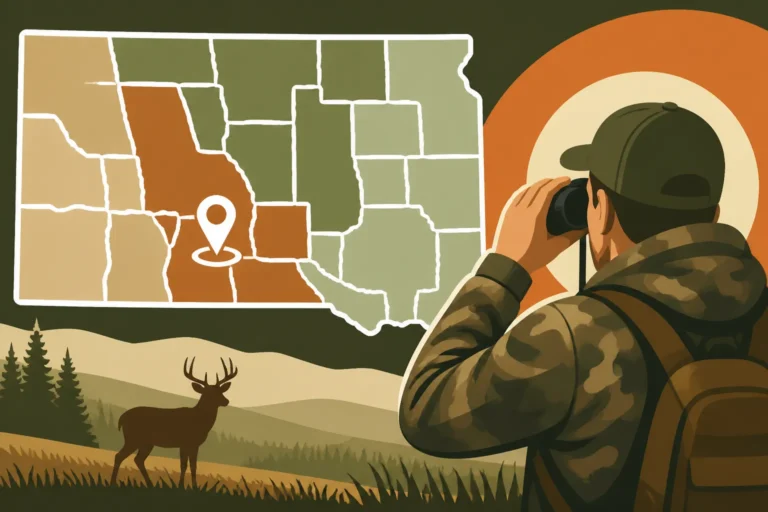
The first, and frankly, most indispensable tool for any hunter looking to explore public ground near Watertown – or anywhere in South Dakota, really – is the South Dakota Game, Fish and Parks (GFP) Public Hunting Atlas. Forget driving aimlessly hoping to spot a public access sign; this atlas is your roadmap, your crystal ball, and your secret weapon all rolled into one. It details every acre of publicly accessible land, from federal holdings to state parks and, most importantly for the Watertown area, the private lands enrolled in public access programs. Without it, you’re truly flying blind.
Navigating the Online Atlas and Mobile Apps for Watertown
The beauty of the Public Hunting Atlas is its accessibility. You can view it online, or, even better, download it to your mobile device. The online version allows you to zoom in on specific areas around Watertown, filtering by different types of public land: Walk-In Areas (WIAs), Game Production Areas (GPAs), Waterfowl Production Areas (WPAs), and more. This granular detail is crucial because each type of land can offer different hunting experiences and hold varying game. For instance, if you're targeting pheasants, you'll want to prioritize WIAs and GPAs with good cover, whereas ducks and geese will lead you straight to the WPAs. Many savvy hunters also use third-party apps like onX Hunt, which layers public land boundaries directly onto detailed satellite imagery, making it incredibly easy to see exactly where you can and cannot hunt, right down to the fence line. This can save you countless hours of driving and prevent accidental trespassing, which is a stress nobody needs on a hunt.
The Critical Role of E-Scouting for Productive Ground
Before you even load your shotgun or pack your vest, e-scouting is your best friend when looking for public ground near Watertown. Utilizing the GFP Public Hunting Atlas in conjunction with mapping software like onX Hunt or even tools within GoHunt allows you to meticulously examine terrain from the comfort of your home. Look for key habitat features such as dense cattail sloughs, rows of shelterbelts, unharvested food plots, or even significant changes in elevation that might provide thermal cover for deer. Reading Aerial Imagery for Cattail Cover is an excellent skill to develop here. Around Watertown, given its location in the Glacial Lakes region, paying close attention to water bodies and the associated cover is paramount, especially for waterfowl and upland birds that frequent marshy areas. This remote reconnaissance helps you pinpoint areas of interest, estimate walking distances, and plan your approach, often revealing hidden gems that casual drive-by scouting might miss. It’s about being strategic, not just lucky.
Understanding Walk-In Areas (WIAs) and Their Potential
Walk-In Areas, or WIAs, are a cornerstone of South Dakota's public hunting opportunities, and they are incredibly important around Watertown. These are privately owned lands that the South Dakota GFP leases from landowners to provide public hunting access. They are usually well-marked with distinctive yellow signs that clearly delineate boundaries. For many nonresident hunters, or even residents without private land connections, WIAs are often the most accessible option for chasing pheasants, and can also hold deer or other small game depending on the habitat. The appeal is obvious: guaranteed access to diverse habitat that might otherwise be off-limits. However, they come with their own set of challenges, particularly the pressure from other hunters.
Identifying Productive WIA Habitat Near Watertown
The success of your hunt in a WIA heavily depends on understanding the habitat. Near Watertown, you'll find WIAs that encompass a variety of landscapes. Prime pheasant habitat includes dense stands of cattails in low-lying areas, especially near water sources or sloughs. These provide crucial winter cover and roosting spots. Cattail Sloughs as Winter Cover is vital information. You'll also encounter plenty of shelterbelts—rows of trees planted for windbreaks—which are often overlooked but can hold surprisingly high numbers of birds, particularly later in the season. Working South Dakota Shelterbelts for Roosters can be a highly effective tactic. Don't forget to look for areas adjacent to harvested cornfields or even dedicated food plots; these provide food sources that attract birds throughout the day. When scouting the atlas, look for these specific features. A WIA that's nothing but short-grass pasture might be great for antelope further west, but it's unlikely to hold pheasants near Watertown.
Managing Hunter Pressure and Access on WIAs
One of the biggest frustrations with WIAs, especially during the pheasant opener, is the sheer volume of other hunters. It can feel like you're competing for space, and the birds get pushed around constantly. Hunting Pressure Patterns on Walk-In Areas are a real consideration. To mitigate this, consider hunting mid-week if your schedule allows, or targeting areas that require a longer walk from the road. Most hunters stick close to their vehicles, so venturing deeper into a WIA can often put you on birds that haven't been disturbed as much. Planning your Access Routes That Do Not Blow Out Birds is also critical; think about how your approach might spook game and try to use terrain or natural cover to your advantage. Early mornings, just after legal shooting light, or late afternoons can also be less pressured times, as some groups have already moved on or are heading out for lunch.
Game Production Areas (GPAs) and Waterfowl Production Areas (WPAs)
Beyond WIAs, the Watertown area is also rich with Game Production Areas (GPAs) and Waterfowl Production Areas (WPAs). These are parcels of land managed by the state (GPAs) or federal government (WPAs) specifically for wildlife habitat and public recreation, including hunting. They offer permanent, high-quality habitat that can be incredibly productive, and because they are publicly owned, they remain accessible year after year, unlike WIAs which can change annually.
GPAs: Permanent Habitat for Upland Birds and Deer
Game Production Areas are managed by the South Dakota GFP to provide stable habitat for various game species, primarily pheasants, deer, and other small game. These areas often feature a mix of dense grassland, food plots, tree belts, and wetland components, creating a mosaic of cover and food sources. They are typically larger than many WIAs, offering more expansive areas to hunt. Around Watertown, GPAs are excellent for South Dakota Ring-Necked Pheasants, providing consistent opportunities throughout the season. They're also worth investigating for White-Tailed Deer Across South Dakota, particularly in areas with heavier timber or brushy draws. Understanding South Dakota Game Production Area Rules is essential, as some have specific regulations regarding vehicle access, blinds, or other activities. Always check the atlas or signage at the site.
WPAs: Waterfowl Havens in the Glacial Lakes
Watertown sits squarely in the heart of the Glacial Lakes region, an area renowned for its countless potholes and wetlands. This makes Waterfowl Production Areas (WPAs) incredibly important for duck and goose hunters. WPAs are managed by the U.S. Fish and Wildlife Service, primarily to protect and restore wetland habitats for migratory birds. They consist of wetlands, grasslands, and sometimes small tracts of woodlands, providing critical nesting, resting, and feeding grounds. For hunters, this means fantastic opportunities for Waterfowl Hunting the South Dakota Prairie. When scouting for WPAs, look for those with good surrounding cover for concealment, or those located along known flight paths. Decoying Ducks on a South Dakota Prairie Pothole is a classic WPA tactic. Remember that federal regulations, in addition to state rules, apply to WPAs, so it's always wise to familiarize yourself with specific requirements like steel shot mandates or blind restrictions.
Here's a quick comparison of the types of public land you'll find near Watertown:
| Public Land Type | Ownership | Primary Game Species | Typical Habitat | Key Consideration |
|---|---|---|---|---|
| Walk-In Areas | Private | Pheasant, Deer, Small Game | CRP, shelterbelts, food plots, sloughs | Annual changes, hunting pressure, clear signage |
| Game Production Areas | State | Pheasant, Deer, Small Game | Grassland, food plots, wetlands, timber | Permanent, stable habitat, state regulations |
| Waterfowl Production Areas | Federal | Ducks, Geese, Shorebirds | Wetlands, potholes, native grassland | Waterfowl focus, federal regulations (e.g., steel shot) |
| National Grasslands | Federal | Deer, Antelope, Grouse | Prairies, breaks, some timber (further west) | Larger tracts, potential for diverse game |
Strategies for Maximizing Success on Watertown's Public Lands
Hunting public ground, especially around a popular area like Watertown, requires a bit more intentionality than hunting private, unpressured land. It's not just about finding the spot, but understanding how to hunt it effectively and ethically.
Scouting Beyond the Map: Boots-on-the-Ground
While e-scouting with tools like onX Hunt is an excellent starting point, nothing beats putting boots on the ground. If you can make a trip to the Watertown area before the season, even a day or two of driving roads and walking the edges of public parcels can provide invaluable insight. Look for game sign – tracks, scat, feather piles – and observe patterns of movement. Note where birds flush, where deer cross, and where game might seek refuge when pressured. Scouting South Dakota Public Ground Before the Season can give you an edge over hunters who only rely on maps. Pay attention to how the cover actually looks versus how it appears on a satellite image; a seemingly thin shelterbelt might actually be quite dense, or a marsh might be drier or wetter than anticipated.
Respecting the Rules and Your Fellow Hunters
Public land hunting often means sharing the space. This is why Pheasant Hunting Etiquette on Public Ground is so crucial. Always be aware of other hunting parties. If a field or WIA is already being actively hunted, move on to another spot or wait until they are finished. Don't crowd other hunters, and always maintain safe shooting lanes, especially when driving birds. Following blaze orange requirements (which vary by game species and season, so check the current regulations) is not just a legal necessity but a moral one for safety. Remember that you are an ambassador for hunters, and how you conduct yourself reflects on all of us. Being courteous, leaving no trace, and reporting any violations you observe helps preserve these precious resources for everyone.
Adapting to Conditions and Game Behavior
Finally, be ready to adapt. The weather in South Dakota can change on a dime, and so can animal behavior. High winds might push pheasants into denser cover, while a sudden cold snap might change waterfowl flight patterns dramatically. Pay attention to the conditions and be willing to adjust your plans. If one WIA is proving unproductive, don't be afraid to pull up stakes and try another, even if it means a longer drive. The beauty of having so many public land options around Watertown is that you have choices. Utilize them, stay persistent, and enjoy the incredible hunting South Dakota has to offer.
Disclaimer
This article is for general informational purposes only and does not constitute professional advice. Laws, prices and regulations vary by location and change over time. Consult a qualified professional for guidance on your specific situation.