Wind Cave Park Hunting Status
It’s a common frustration for hunters: you’re looking at a map, seeing what looks like prime habitat, only to realize it's a national park or monument, throwing a wrench into your plans. The question of whether you can hunt in Wind Cave National Park is one that comes up frequently, and for good reason – the area is teeming with wildlife. This comprehensive guide will clear up the hunting status of Wind Cave National Park, explore the bountiful opportunities that surround it, and equip you with the knowledge to navigate the unique landscape of the Black Hills for a successful hunt.
The Basics of Hunting in National Parks
The rules around hunting on federal lands can feel like a labyrinth of overlapping jurisdictions and varying regulations. It’s easy to get confused, especially when you encounter different designations like National Parks, National Forests, and National Grasslands, all managed by different federal agencies with distinct missions. Many hunters assume that if it's "public land," it's open for hunting, but that's simply not the case, and understanding these distinctions is key to staying legal and having a productive hunt.
Understanding Federal Land Designations
When you're looking at a map of western South Dakota, you'll see a patchwork of different land types. National Forests, like the vast Black Hills National Forest that largely surrounds Wind Cave, are generally managed for multiple uses, including timber, recreation, grazing, and yes, hunting and fishing, in accordance with state regulations. These lands are often a hunter's paradise, offering extensive access to a variety of game. The same often applies to National Grasslands, such as the Buffalo Gap National Grassland, which also provide significant hunting opportunities. Black Hills National Forest Hunting is a prime example of where these opportunities lie.
However, National Parks and National Monuments fall under the purview of the National Park Service, and their primary mission is preservation and public enjoyment. This often means very different rules regarding resource extraction and activities like hunting. It’s critical to understand that these designations aren't just names; they dictate the entire management philosophy and, consequently, what activities are permitted. The frustration comes from seeing incredible habitat and healthy wildlife populations within these protected areas, knowing you can't pursue them.
Why Wind Cave National Park is Closed to Hunting
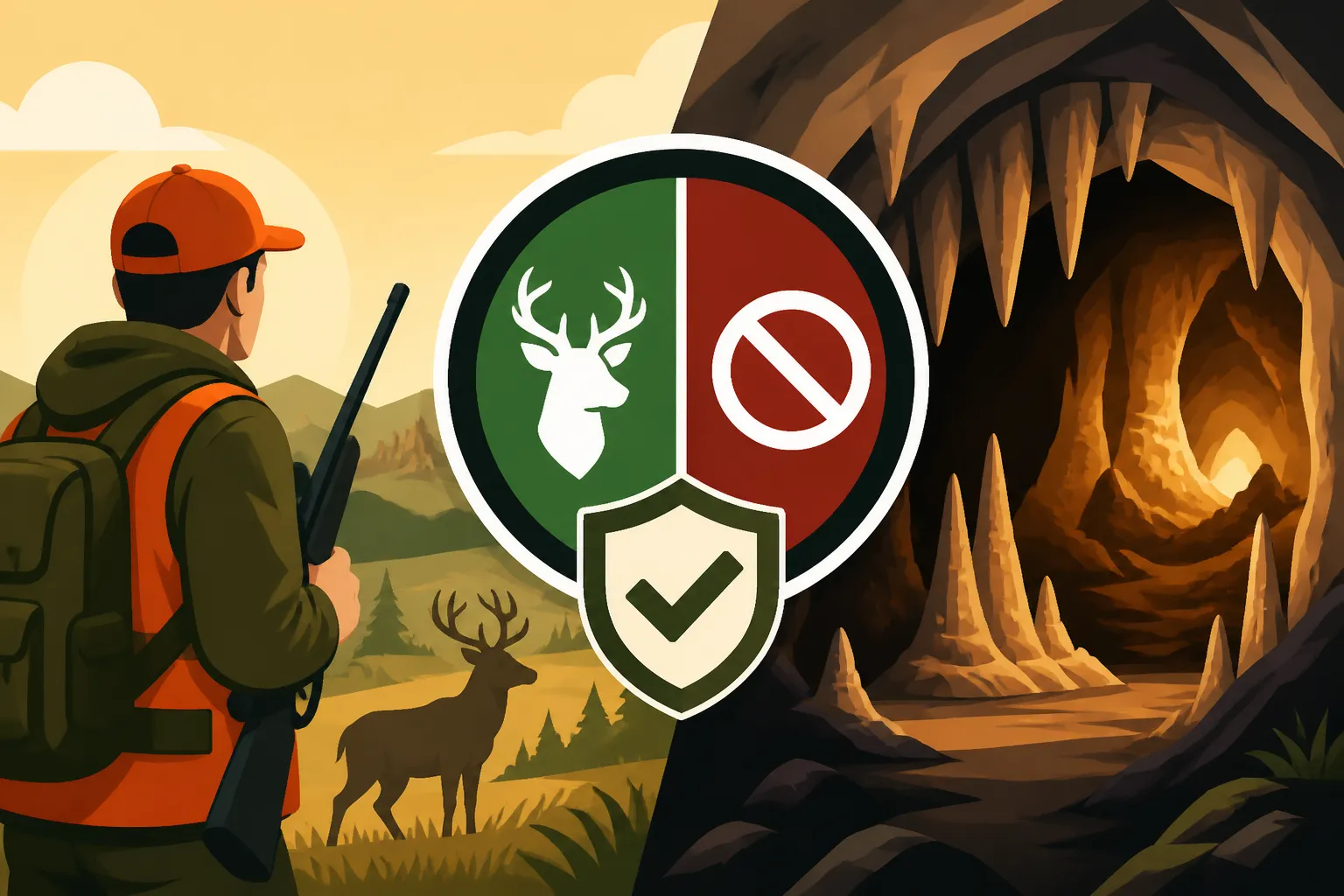
So, let's get right to it: hunting is generally not permitted within Wind Cave National Park. As a unit of the National Park System, Wind Cave's primary purpose is the preservation of its natural and cultural resources, including its unique cave system, prairie ecosystem, and diverse wildlife, for the enjoyment of present and future generations. This mission typically excludes hunting as a recreational activity. While wildlife thrives within its boundaries, offering incredible viewing opportunities for visitors, the pursuit of game with firearms or archery equipment is not allowed.
This strict regulation is in place to protect the park's wildlife populations from hunting pressure and to ensure the safety and enjoyment of all park visitors, many of whom are there specifically to observe animals like bison, elk, and pronghorn in a natural, undisturbed setting. While there might be very rare exceptions for scientific collection or specific wildlife management purposes, these are not hunting opportunities available to the general public. It can be disheartening to drive through and see elk grazing peacefully, knowing they are off-limits, but that's the nature of a national park's designation.
Hunting Opportunities Near Wind Cave Park
Just because you can't hunt in Wind Cave National Park doesn't mean the surrounding area isn't teeming with incredible opportunities. The park sits in a truly unique spot, bordered by expansive public lands and private ranches that offer some of the best hunting in South Dakota. Understanding these adjacent areas is the key to planning a successful hunt in the region.
Adjacent Black Hills National Forest Lands
Directly surrounding Wind Cave National Park, particularly to the north, east, and west, lies a substantial portion of the Black Hills National Forest. This vast tract of public land is indeed open to hunting in accordance with South Dakota state regulations. This is where most hunters who visit the region will focus their efforts. You'll find a wide variety of game here, from whitetail and mule deer that roam the timbered hills and draws, to robust populations of elk and healthy numbers of Merriam's turkeys. Black Hills Elk Hunting Tactics can be incredibly useful when pursuing those elusive monarchs.
The Black Hills National Forest offers diverse terrain, from dense Ponderosa pine forests to open parks and steep canyons. This habitat provides excellent cover and forage for big game. Hunters can explore hundreds of miles of forest roads, two-tracks, and hiking trails to access prime hunting spots. Whether you're interested in Hunting Elk on Steep Black Hills Ridges or looking for deer in the valleys, the National Forest is your best bet for public land hunting right on the doorstep of Wind Cave. Just remember, these areas can see pressure, especially during opening weeks, so thorough scouting is always recommended. For those looking for bigger timber and rougher country, Hunting Elk in Ponderosa Timber will be your focus.
Custer State Park: A Unique Situation
Immediately adjacent to Wind Cave National Park, and actually encompassing a large portion of the central Black Hills, is Custer State Park. Now, Custer State Park is not a National Park; it's a state-managed park, and it has a very different approach to wildlife management. While it’s also known for its incredible wildlife viewing opportunities, including its famous bison herd, Custer State Park does offer limited hunting opportunities for certain species through a highly controlled, draw-only system.
These hunts are generally for elk, deer, and sometimes bison, and they are extremely sought after due to the quality of animals and the unique hunting experience. Drawing a tag for Custer State Park is a significant accomplishment and often requires many years of applying. The rules are very specific, often involving mandatory orientations and designated hunt units. It's a completely different animal than hunting the surrounding National Forest. For anyone dreaming of a Custer State Park hunt, understanding the Custer State Park Hunting Rules is paramount, as they are distinct from statewide regulations.
Private Land Considerations in the Area
Beyond the federal and state public lands, the Black Hills region, particularly around the fringes of the National Forest and parks, includes a good deal of private land. Many large ranches and smaller private holdings offer excellent habitat for deer, elk, and turkey. Accessing these lands for hunting typically requires explicit permission from the landowner. This can range from knocking on doors and asking for permission to securing a paid lease or booking a hunt with an outfitter who has secured private land access.
It’s crucial to respect private property boundaries and always obtain permission before entering any private land, even for retrieving downed game. South Dakota has strict trespass laws, and ignorance is no excuse. While some landowners may be open to granting permission, especially for responsible hunters, others may manage their land exclusively or lease it out. Don't be afraid to ask, but always be polite and prepared for a "no." If you're looking to expand your options beyond public ground, Finding Private Land Access in South Dakota is a vital resource for navigating this aspect of hunting.
Navigating Hunting Regulations and Boundaries
The intricate mosaic of public and private land, combined with varying regulations, makes hunting in the Black Hills region a true planning exercise. Simply relying on outdated paper maps or general knowledge can lead to frustration or, worse, accidental trespass or violation. Modern tools and diligent research are your best friends here.
Essential Tools for Identifying Legal Areas
In today's hunting world, digital mapping applications are indispensable, especially when dealing with complex land ownership patterns like those around Wind Cave National Park. Applications like onX Hunt have revolutionized how hunters navigate and understand land boundaries. With onX Hunt, you can clearly see the official boundaries of Wind Cave National Park, Custer State Park, and the Black Hills National Forest, all overlaid on detailed satellite imagery and topographic maps. This level of detail makes it incredibly easy to distinguish huntable National Forest land from the off-limits National Park.
You can also use these tools to identify private land parcels and, in many cases, see landowner names, which can be invaluable if you're trying to gain permission. Gone are the days of guessing whether that timber patch is public or private. The "public lands" layer on onX Hunt specifically highlights areas where you can legally hunt. Understanding the onX Layers for South Dakota Land Status is a game-changer, allowing you to plan your approach, identify access points, and ensure you are always within legal hunting boundaries. It's an investment that pays for itself many times over by preventing headaches and ensuring you're hunting ethically and legally. These apps make Finding Property Lines in South Dakota so much easier than it used to be.
Understanding South Dakota's Specific Rules
Beyond just knowing where you can hunt, you need to understand the how. South Dakota Game, Fish and Parks (GFP) sets the regulations for all hunting within the state, even on federal lands. This includes season dates, bag limits, weapon restrictions, and specific unit boundaries for different game species. For example, deer and elk hunting in the Black Hills are often managed by specific unit numbers, and understanding these boundaries is critical for drawing the correct tag and hunting in the correct area.
The GFP website and their annual hunting handbooks are your authoritative sources for this information. Don't rely on information from forums or anecdotes; always consult the official regulations. Unit boundaries for deer and elk in the Black Hills are especially important, as they dictate which tags you can apply for and where those tags are valid. What may be open for general archery deer might be closed to elk hunting, or require a specific draw tag. Make it a habit to pore over the latest South Dakota Hunting Handbook Release well in advance of your hunt. This research is just as important as your physical scouting.
Planning Your Hunt in the Black Hills Region
With the hunting status of Wind Cave National Park clarified, and a good grasp of the surrounding opportunities, it's time to start thinking about the actual logistics of your Black Hills hunt. This region offers a truly wild experience, but it requires careful planning and preparation to be successful and safe.
Species to Pursue Around Wind Cave
While Wind Cave National Park itself is a no-go for hunting, the adjacent Black Hills National Forest and some private lands present fantastic opportunities for several species:
- White-tailed Deer and Mule Deer: Both species can be found throughout the Black Hills. Whitetails tend to favor denser timber and riparian areas, while mule deer prefer the more open, broken country and sagebrush flats. Depending on your draw success, you could potentially have a tag for either. Scouting for fresh sign and understanding their movement patterns are key to success.
- Elk: The Black Hills National Forest supports a robust elk population, making it one of South Dakota's premier elk hunting destinations. These animals are notoriously challenging to hunt, requiring physical endurance and persistent scouting. The Black Hills Elk Herd History shows a long, rich tradition of these animals in the area, and with careful planning, you could be part of its future. Calling during the rut can be effective, as can still-hunting or setting up ambushes near feeding and bedding areas.
- Merriam's Turkey: If you're a turkey hunter, the Black Hills offers some exceptional Merriam's hunting. These mountain birds are beautiful and vocal, providing an exciting challenge. The ponderosa pine forests provide ideal habitat, and locating roosting birds or striking up a conversation with a gobbler can make for an unforgettable hunt. Learn about South Dakota Turkey Subspecies to understand what makes Merriam's special.
Remember that tags for big game like deer and especially elk are often distributed through a draw system, and nonresident tags can be limited and highly competitive. Planning your hunt might begin years in advance by accumulating preference points or simply playing the odds in the draw.
Practical Tips for Public Land Hunters
Hunting the public lands around Wind Cave requires a strategic approach. Here are a few pointers to maximize your chances:
- Scouting is Paramount: Whether it's e-scouting with tools like GoHunt and onX Hunt from home or boots-on-the-ground exploration, knowing the terrain, identifying pinch points, water sources, and bedding areas before the season opens will significantly increase your odds. Animals behave differently under pressure, so understanding escape routes is also crucial. Scouting South Dakota Public Ground Before the Season cannot be overemphasized for a successful hunt.
- Understand Hunting Pressure: Areas easily accessible from main roads often see higher hunting pressure. To find less disturbed animals, be prepared to walk further, hike into steeper terrain, or explore less obvious access points. Don't be afraid to put in the miles; often, the best hunting begins a mile or two from the nearest trailhead or parking spot. Understanding Hunting Pressure Patterns on Walk-In Areas can help you find those honey holes.
- Dress for the Elements: The Black Hills weather can be unpredictable. You can experience warm, sunny days followed by sudden cold fronts and even snow, especially during the fall. Layering is essential, and always carry rain gear, even if the forecast looks clear. Sturdy, comfortable hiking boots are a must for covering varied terrain.
- Leave No Trace: Public lands are a shared resource. Pack out everything you pack in, and minimize your impact on the environment. This includes properly disposing of game carcasses away from trails and water sources.
- Safety First: Inform someone of your hunting plans, including your route and expected return time. Carry a first-aid kit, navigation tools (GPS device and/or a fully charged phone with a mapping app like onX Hunt), sufficient water, and emergency supplies. Be aware of other hunters, and always practice safe firearm handling.
The Black Hills region, with its stunning landscapes and abundant wildlife, offers incredible hunting adventures. By understanding the regulations, utilizing modern tools, and preparing thoroughly, you can have a truly rewarding experience just outside the boundaries of Wind Cave National Park.
Summary of Hunting Access in the Wind Cave Region
To help clarify the distinctions between the different land types you'll encounter around Wind Cave National Park, here's a quick overview:
| Land Designation | Hunting Permitted? | Primary Management Goal | Common Game Species (if permitted) | Key Considerations |
|---|---|---|---|---|
| Wind Cave National Park | No | Preservation, Visitor Enjoyment | N/A | Strictly no hunting. Focus on wildlife viewing. |
| Black Hills National Forest | Yes | Multiple Use (Timber, Recreation, etc.) | Deer (Whitetail/Mule), Elk, Turkey | Adheres to SD GFP regs. Extensive public access. Can be pressured. |
| Custer State Park | Limited (Draw Only) | Recreation, Wildlife Management | Elk, Deer, Bison (very limited draws) | Highly sought-after tags, specific rules, lottery access. |
| Private Land | Yes (with permission) | Private Ownership, Various Uses | Deer, Elk, Turkey | Requires explicit landowner permission or paid access. |
Disclaimer
This article is for general informational purposes only and does not constitute professional advice. Laws, prices and regulations vary by location and change over time. Consult a qualified professional for guidance on your specific situation.