Dogs and Training on Walk-In Ground
It's a common headache, isn't it? You’ve got a zealous hunting dog, full of energy and potential, and you're desperate to give them the training they need without running afoul of land access rules or disturbing other hunters. Navigating South Dakota's vast public lands, especially the unique Walk-In Areas, with your canine companion can feel like a minefield of regulations and etiquette questions. This guide will walk you through everything you need to know about training and hunting with your dog on South Dakota's Walk-In Areas, ensuring you and your best friend have a successful and responsible experience.
Understanding South Dakota Walk-In Area Regulations for Dogs
South Dakota's Walk-In Area (WIA) program is a fantastic resource, providing millions of acres of privately owned land open to public hunting. However, because these lands are private with public access easements, the rules can sometimes differ from traditional public lands. Understanding these nuances is crucial when you bring your dog along.
Permitted Activities and Restrictions
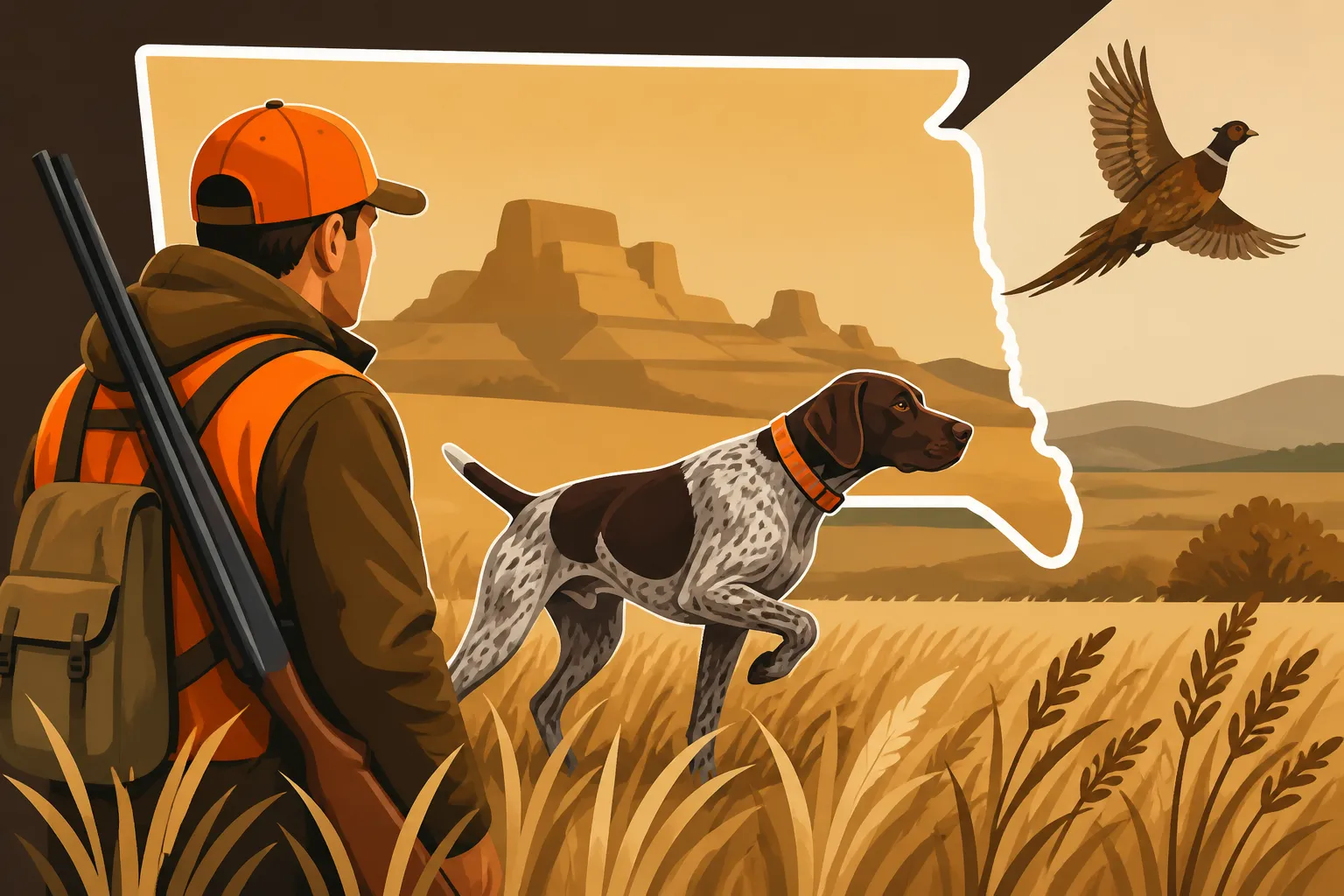
Generally speaking, dogs are absolutely welcome on South Dakota Walk-In Areas, especially during hunting seasons. The very nature of pheasant and grouse hunting often requires a good dog, whether it's a pointing breed meticulously working cover or a flushing dog pushing birds out of heavy cattails. During the open hunting seasons, your dog is typically expected to be under your control, primarily for hunting purposes. This means that while there isn't usually a strict "leash law" on these areas during hunting, your dog should be responsive to commands and not harassing livestock, disturbing other hunters, or wandering off into areas not covered by the WIA easement.
Outside of hunting season, or if you're purely training, the expectations remain largely the same: keep your dog under control. While some public lands might have specific rules about off-leash dogs or require leashes in certain high-traffic zones, WIAs generally defer to the common sense of the handler. It’s always a good idea to pack out any waste your dog leaves behind, just as you would your own trash. Remember, these lands are provided by private landowners, and respect for their property and wishes is paramount to the continued success of the WIA program. For more on the basics, consult South Dakota Walk-In Areas Explained.
Key Differences from Other Public Lands
When it comes to dogs, WIAs present a slightly different scenario compared to other South Dakota public lands. For instance, on a Game Production Area (GPA), which is land owned and managed by the state for wildlife habitat and public hunting, the rules might be more explicitly defined or rigorously enforced regarding off-leash training during sensitive nesting periods. Similarly, vast federal lands like the National Grasslands might have different regulations depending on the specific zone or season, especially concerning areas with livestock.
The core distinction for WIAs lies in their landowner agreements. The South Dakota Game, Fish and Parks (GFP) partners with private landowners to open these areas. This means while the general rules for hunting apply, always be mindful that you are on someone else's property. This often translates to an unwritten expectation of extra courtesy and control. For example, while on a GPA, you might feel comfortable letting your dog range widely in the off-season, on a WIA, you'd want to be doubly sure they aren't disturbing any livestock or wandering into farmsteads. Unlike some city parks or recreational areas, there generally aren't designated dog training fields or specific off-leash zones on WIAs; the entire parcel is typically open, but with the caveat of responsible use. It's truly a privilege to use these lands, and treating them with respect, including your dog's behavior, ensures that privilege continues. You can find more details on state-owned options in South Dakota Game Production Area Rules.
Strategic Dog Training on Walk-In Areas During the Off-Season
The off-season, when the hunting pressure is low or non-existent, can be an excellent time to get your dog out on WIAs for training. It allows you to focus on specific skills without the distraction of other hunters or the immediate pressure of finding birds.
Identifying Ideal WIA Characteristics for Training
Not all WIAs are created equal when it comes to dog training. When scouting an area, look for parcels that offer a variety of cover types that mimic what you'll encounter during hunting season. Expanses of native prairie grasses are perfect for teaching quartering patterns and scent work. Sections with denser cover, such as thick stands of cattails or brushy draws, provide excellent opportunities for developing flushing or pointing skills in challenging environments. Water features, like small sloughs or stock dams, are invaluable for practicing water retrieves, especially for waterfowl dogs.
Using mapping tools like onX Hunt or even exploring the South Dakota Public Hunting Atlas can help you pinpoint these ideal training grounds from home. Look for areas away from roads or residential areas to minimize distractions. Pay attention to the size and shape of the WIA – longer, narrower strips might be great for teaching linear drives, while larger, more open tracts are better for broad quartering. During the summer, also consider the availability of shade and water for your dog, especially if you're training on warmer days.
Maximizing Training Effectiveness While Minimizing Impact
When training during the off-season, particularly in spring and early summer, it's vital to be mindful of nesting birds and fawns. While your dog is an invaluable hunting partner, their presence can inadvertently disturb wildlife during these critical periods. Try to conduct training sessions in early mornings or late evenings when temperatures are cooler and wildlife activity might be less concentrated. Focus on controlled drills rather than allowing your dog to range freely. Drills like steady-to-shot, blind retrieves, and advanced obedience commands are perfect for honing skills without causing undue disturbance.
Consider working on specific challenges your dog faces. For a young dog, this might involve simply getting them used to the sights, sounds, and smells of actual hunting cover. For an experienced dog, you might focus on refining their range, teaching them to work wind more effectively, or improving their retrieve on difficult terrain. Always ensure your dog's behavior is respectful of the land and any wildlife present. The goal is to build a better hunting dog while leaving the WIA undisturbed for both the landowner and the wild game that call it home. It's a balance of rigorous training and responsible land use that ensures future access.
Hunting with Dogs on South Dakota Walk-In Areas
Hunting with a well-trained dog on a WIA is one of the most rewarding experiences South Dakota has to offer. Their ability to find and retrieve game can significantly enhance your success and enjoyment.
Navigating Pressure and Other Hunters
South Dakota WIAs can experience considerable hunting pressure, especially during the opening weekend of pheasant season or on major holidays. This means you'll likely encounter other hunters and their dogs. Good dog control and hunter etiquette are paramount here. Your dog should be calm and responsive, not interfering with other hunting parties or chasing game that others are working. Keep them close when moving between fields or parking areas. If you see another group working a field, give them ample space or politely communicate your intentions. A simple wave or conversation can prevent conflicts and ensure everyone has a good day afield. It’s about sharing the resource respectfully.
Consider hunting WIAs during weekdays or later in the season if you prefer less crowded conditions. Often, the birds will be pushed into heavier cover as the season progresses, which is where a strong, persistent dog truly shines. Be prepared for your dog to encounter other dogs, and ensure they are well-socialized enough to avoid aggressive interactions. The goal is a safe and enjoyable hunt for everyone involved. Being aware of Sharing a Walk-In Area With Another Party is always a good practice.
Optimizing Dog Performance in WIA Cover
WIAs offer a diverse range of cover, from short CRP grass to dense cattail sloughs and thorny shelterbelts. Your dog's performance will be optimized if they are conditioned and trained for these varied conditions. For flushing dogs, the ability to bust through thick cover and quickly find running roosters is invaluable. For pointing dogs, their methodical search and staunch points are critical for holding birds in those same dense areas.
During a hunt, pay close attention to the wind, guiding your dog to work into it whenever possible so they can maximize their scenting ability. In heavier cover, slow down your pace and encourage your dog to work thoroughly. A dog that busts through cover too quickly might push birds out of range or past blockers. Conversely, a dog that bogs down too much might miss opportunities. It’s a dynamic dance between handler and dog, reading the cover and the bird behavior. Remember, a good dog helps find lost birds, saving them from waste. For specific challenges in heavy vegetation, check out Flushing Dogs in Heavy Cattails. Also, be sure to keep your dog comfortable and safe in the field; understanding things like Keeping a Dog Cool on an Early Opener and dealing with Dog Water and Burrs on the Prairie are crucial for their well-being and performance.
Essential Tools and Best Practices for WIA Dog Work
Beyond basic commands and conditioning, certain tools and practices can make your dog training and hunting experiences on WIAs more productive and safer for both of you.
Technology and Gear for You and Your Dog
Modern technology has become a hunter's best friend, and that extends to working with dogs. A GPS collar, like those offered by various brands, is nearly indispensable. It allows you to track your dog's movements in real-time, know their location even in dense cover, and ensures you can retrieve them if they range out of sight. This is especially useful on large WIAs where a dog can disappear quickly. Combining this with a robust mapping app like onX Hunt or even using GoHunt to identify prime habitat can give you a significant advantage. These apps help you stay within WIA boundaries and provide valuable insights into terrain and cover. For example, you can use the onX Hunt app to pinpoint exact property lines, ensuring your dog doesn't inadvertently trespass.
Beyond technology, consider practical gear for your dog. A blaze orange vest can increase their visibility to other hunters, especially crucial during pheasant season. Protective booties might be necessary for dogs working through burr-laden fields or rocky terrain, preventing painful cuts and abrasions. Always carry a basic first aid kit for your dog, including items for cuts, thorns, and general discomfort. Having essentials like plenty of water, a collapsible bowl, and high-energy treats will keep your dog hydrated and fueled for long days in the field.
Respecting the Resource and Other Users
The continued availability of Walk-In Areas depends entirely on respectful use by hunters. This includes being a responsible dog owner. Always adhere to the Foot Traffic Only Rules on South Dakota Walk-In Areas, ensuring no vehicles venture onto private land unless explicitly permitted. Park your vehicle in designated areas or legally on road rights-of-way, making sure you don't block gates or access points. Being discreet with your parking can sometimes lead to Finding Ground That Sees Fewer Hunters.
Beyond explicit rules, practicing good etiquette is key. If you encounter other hunters, especially those with dogs, a friendly greeting and a brief chat about their plans can help avoid conflicts. Control your dog to prevent them from interfering with another party's hunt. Picking up after your dog, especially in parking areas or near visible access points, helps maintain a positive image for all hunters. Remember, every positive interaction reinforces the value of public access, while negative ones can jeopardize it. We are guests on these lands, and our actions, and those of our dogs, directly reflect on the entire hunting community. For more on general conduct, see Pheasant Hunting Etiquette on Public Ground.
Here’s a quick overview of dog considerations across various South Dakota public hunting lands:
| Public Land Type | Primary Dog Use | Common Regulations & Considerations | Off-Season Training Suitability | Key Etiquette Point |
|---|---|---|---|---|
| Walk-In Areas (WIA) | Hunting, controlled training | Under handler control, no strict leash laws during hunting, respect private property. No vehicle access. | Good, but be mindful of nesting wildlife and landowner activities. | Keep dogs away from livestock; respect farmsteads. |
| Game Production Areas (GPA) | Hunting, training, dog exercise | Typically allow off-leash under control; specific rules may vary by site. Managed habitat. | Excellent, often designed for wildlife and public recreation. | Be aware of other users (hikers, birdwatchers) and sensitive areas. |
| National Grasslands | Hunting, extensive training | Generally allow off-leash under control; potential for grazing livestock, specific permit areas. | Excellent for wide-ranging dogs, extensive space, varying terrain. | Avoid disturbing cattle; respect federal regulations (e.g., Buffalo Gap National Grassland Hunting). |
| Waterfowl Production Areas (WPA) | Waterfowl hunting, limited upland training | Specific rules for waterfowl season; often restrictions near nesting habitat during spring/summer. | Use with caution during nesting seasons; ideal for water retrieves in fall. | Focus on waterfowl-specific training; minimize upland disturbance. |
Disclaimer
This article is for general informational purposes only and does not constitute professional advice. Laws, prices and regulations vary by location and change over time. Consult a qualified professional for guidance on your specific situation.