Tribal Reservation Boundaries and Licences
Oh, the sheer headache of trying to figure out where one piece of hunting land ends and another begins in South Dakota, especially when you throw tribal reservations into the mix! It can feel like you need a law degree and a high-tech mapping system just to step foot in the right place. This guide is here to untangle that knot, helping you understand the crucial distinctions of tribal reservation boundaries and the licenses required so you can hunt confidently, legally, and respectfully.
The Overlapping Patchwork: Why Tribal Boundaries Matter to Hunters
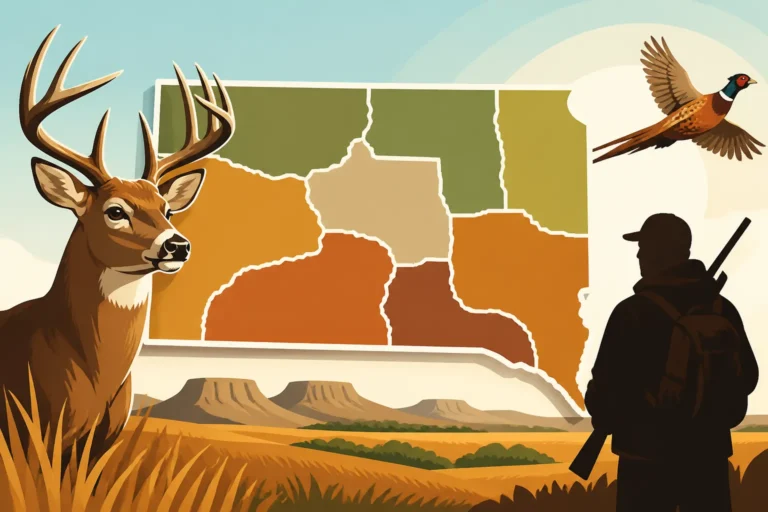
South Dakota is home to several sovereign tribal nations, each with its own jurisdiction, laws, and regulations that govern land use, including hunting. This isn't just a minor detail; it's a fundamental difference from hunting on state-managed public land or private land outside a reservation. Many hunters, especially those new to the state or visiting from elsewhere, simply don't realize the complexities involved, leading to honest mistakes that can have serious repercussions. It's not enough to simply know if a piece of land is "public" or "private" when you're near a reservation. You absolutely have to understand whose rules apply to that specific parcel, and that often means delving into tribal laws that are distinct from South Dakota state law.
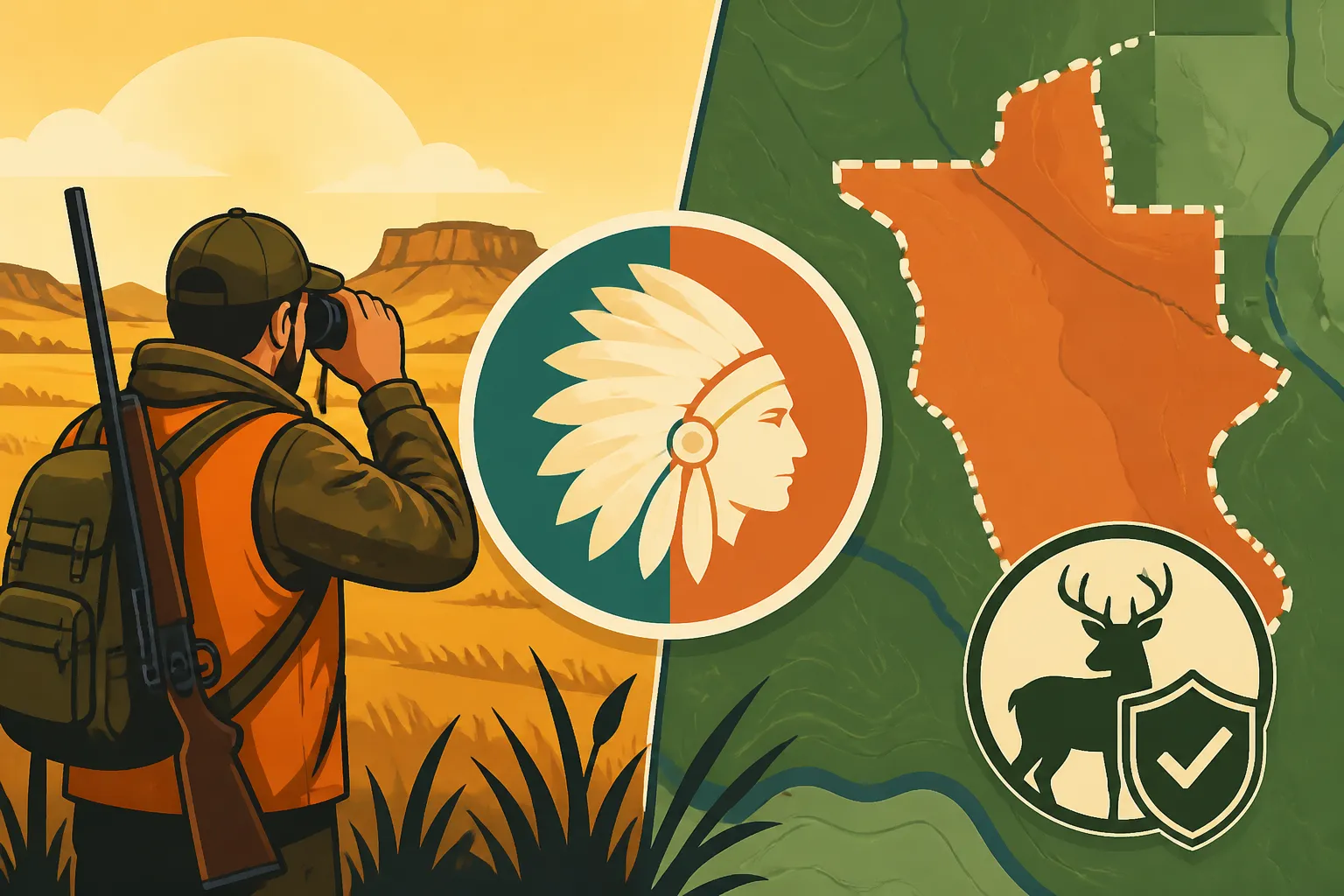
Imagine you're driving through what looks like classic South Dakota prairie, seeing rolling hills and ideal habitat for pheasants or deer. You pull out your mapping app, and it shows the area as green for public land. But suddenly, you cross an invisible line, and without realizing it, you're on tribal land where different rules for licenses, seasons, and even species limits might apply. This scenario is far too common and often leads to frustrated hunters, enforcement issues, and a lack of respect for tribal sovereignty. Each tribal nation has the right to manage its natural resources, including wildlife, within its reservation boundaries, and these management plans can vary significantly from state regulations. This creates a critical need for hunters to educate themselves thoroughly before venturing out. The land status within reservation boundaries can be a complex mix of tribal trust land, tribal fee land, individually allotted trust land, and even non-Indian fee land, each potentially carrying different access and licensing requirements.
Getting Your Papers in Order: Tribal Versus State Licenses
This is where many hunters get tripped up, and it's easy to see why. You’ve likely bought your South Dakota state hunting license, maybe even a habitat stamp, and you feel ready to go. But depending on exactly where you're hunting within or adjacent to a tribal reservation, a state license might not be sufficient – or even valid. The general rule of thumb, and one you should engrain in your mind, is that if you are hunting on tribal trust lands or lands managed directly by the tribe, you will need a tribal hunting license issued by that specific tribe, in addition to or sometimes instead of a state license.
Each of the tribal nations in South Dakota, such as the Oglala Lakota, Rosebud Sioux, Cheyenne River Sioux, Standing Rock Sioux, and others, has its own game and fish department. These departments are the definitive source for their hunting regulations and licensing requirements. It’s absolutely imperative that you contact the relevant tribal department before your hunt to get the most current and accurate information. Don't rely on word-of-mouth or assumptions. What might be true for one reservation could be entirely different for another. For instance, some tribes might honor a state license for certain species on specific types of land within their external boundaries, while others require a tribal license for any hunting on any land within the reservation, even private fee land owned by non-tribal members.
Here's a simplified breakdown to help illustrate the general concepts, but remember, always confirm directly with the specific tribal game department.
| Land Type (within exterior reservation boundaries) | General Licensing Requirement | Considerations |
|---|---|---|
| Tribal Trust Land (managed by Tribe) | Tribal License Required | State license typically not valid. |
| Individually Allotted Trust Land | Tribal License (and often owner permission) Required | Check with Tribe; owner permission is key. |
| Non-Indian Fee Land (private land owned by non-tribal member) | Tribal and/or State License (and owner permission) | This is the trickiest. Some tribes require tribal license for any hunting within reservation boundaries, others defer to state rules if it's private non-tribal land. Always verify. |
| State/Federal Public Land (e.g., National Grasslands, Corps of Engineers land) | State License Required | Check if tribal harvest reporting also applies. |
This table clearly shows the potential for confusion. A significant pain point for many hunters is the "Non-Indian Fee Land" category. Even if you obtain permission from a private landowner whose property lies within a reservation's exterior boundaries, you may still need a tribal license to hunt that land, depending on the tribe’s specific laws. This often surprises hunters who are used to state regulations where private land permission is usually enough. For this reason, many hunters stick to clearly delineated Public Hunting Land in South Dakota or South Dakota Walk-In Areas Explained outside of reservation boundaries to avoid any confusion. However, for those seeking opportunities on or near reservations, it is essential to contact the tribal wildlife agency for their detailed regulations. You'll find that these agencies often have friendly, helpful staff who are eager to clarify their rules and ensure hunters have a positive and legal experience. You can also find general information in the South Dakota Hunting Handbook Release, but it will always defer to tribal regulations for lands within reservations.
Drawing the Line: Identifying Reservation Borders in the Field
Knowing which license you need is one thing, but knowing exactly where the invisible lines are drawn on the ground is another challenge entirely. South Dakota's landscape doesn't exactly come with clearly marked boundary signs every few yards, especially in vast, open prairie country. This challenge is compounded by the fact that reservation boundaries aren't always straight lines or easily identifiable natural features. They can weave and wander, creating a checkerboard pattern of tribal, state, federal, and private lands.
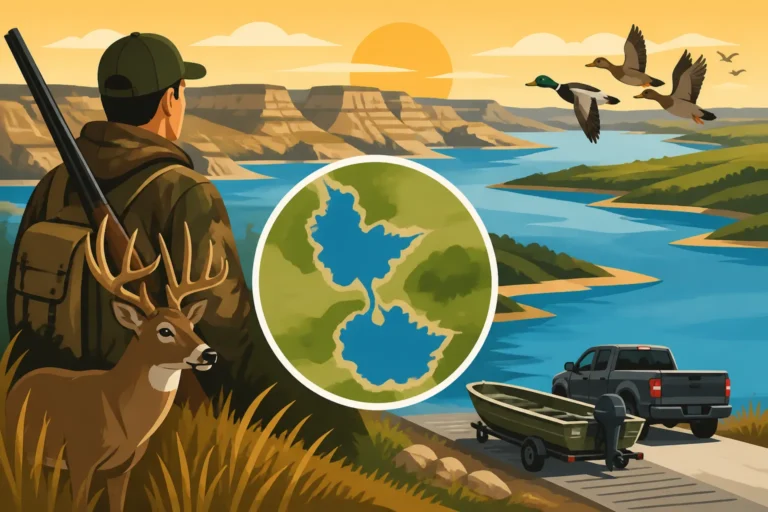
This is where modern technology becomes an indispensable tool for the diligent hunter. Mapping applications like onX Hunt have revolutionized how hunters navigate complex land ownership. With detailed layers that show public, private, and often tribal land boundaries, these apps provide a visual guide directly on your smartphone. Many hunters swear by onX Layers for South Dakota Land Status as their go-to for ensuring they know whose land they are on at any given moment. This is far superior to relying on outdated paper maps or general knowledge. Before heading into any area near a reservation, it's highly advisable to use such an app to scout your intended hunting grounds from home. Look for potential access points, identify different land ownership parcels, and note any tricky boundary areas.
Even with these powerful tools, exercising caution is paramount. GPS signals can sometimes be less accurate in certain terrains or under heavy cloud cover, and app data, while excellent, can occasionally have minor discrepancies. Always cross-reference with other sources if possible, and if there's any doubt about which side of a boundary you're on, err on the side of caution. It's far better to back out and clarify than to inadvertently trespass or hunt illegally. Many hunters also find value in services like GoHunt, which can provide additional mapping and land ownership data, helping to further confirm boundary lines. Remember, even if an app shows a parcel as "public" within a reservation, it might still fall under tribal jurisdiction for hunting purposes, so Finding Property Lines in South Dakota is only one piece of the puzzle; understanding the rules for that property line is the other.
Respect, Rules, and Avoiding Trouble: Best Practices
Hunting on or near tribal lands isn't just about understanding the legalities; it's about practicing respect and being a good guest on sovereign territory. The tribal nations of South Dakota have a deep, historical connection to these lands and their wildlife, and approaching hunting with this understanding fosters a more positive experience for everyone. Disregarding tribal laws or boundaries is not only illegal but also deeply disrespectful to the tribal community and can jeopardize future hunting opportunities for others.
The consequences of violating tribal hunting laws can range from significant fines and confiscation of game, firearms, or vehicles, to even more serious legal action, including potential jail time. These consequences can be enforced by tribal law enforcement, and in some cases, by state or federal authorities depending on the specific violation and land status. It's a stark reminder that ignorance of the law is not an excuse. This isn't just a minor infraction like being a few minutes past shooting hours; these are serious matters. Familiarize yourself with South Dakota Wildlife Violation Penalties in general, but know that tribal penalties can be just as, if not more, severe.
To ensure a smooth and respectful hunt, here are some best practices:
- Do Your Homework: Before you even plan your trip, identify which tribal reservations your intended hunting area might overlap with or be adjacent to.
- Contact Tribal Agencies Directly: This is the most critical step. Call the specific tribal game, fish, and parks department for the most current regulations and licensing requirements. Ask specific questions about the type of land you plan to hunt (e.g., "If I'm on private fee land within the reservation, do I need a tribal license?") and clarify if state licenses are valid or if tribal licenses supersede them for particular species or areas.
- Utilize Mapping Technology: Invest in a robust hunting app like onX Hunt. Download offline maps before you go, as cell service can be spotty in many remote areas of South Dakota. Use the app to constantly monitor your location relative to reservation and land ownership boundaries.
- Seek Permission Enthusiastically: Even if you believe you are on public land within a reservation, or on private non-tribal land, consider contacting tribal authorities or landowners for additional guidance and permission. Many tribes welcome respectful hunters but want to ensure their rules are followed.
- Be a Responsible Hunter: Beyond the legal requirements, practice ethical hunting. Follow fair chase principles, clean up after yourself, and be a good steward of the land. This positive behavior reflects well on all hunters.
- When in Doubt, Stay Out: If you are unsure about a boundary, a regulation, or whether your license is valid, do not hunt that area. It’s always better to be overly cautious than to face legal trouble or disrespect tribal sovereignty.
Navigating tribal reservation boundaries and licensing rules in South Dakota requires diligence and respect. While it adds a layer of complexity, the opportunity to hunt these unique and often beautiful landscapes is a privilege. By doing your homework, leveraging technology, and approaching the experience with respect for tribal sovereignty, you can enjoy a rewarding and ethical hunting adventure.
Disclaimer
This article is for general informational purposes only and does not constitute professional advice. Laws, prices and regulations vary by location and change over time. Consult a qualified professional for guidance on your specific situation.