South Dakota CREP Land Access
Finding good hunting land in South Dakota can feel like cracking a secret code, especially when you're navigating a mix of private, public, and semi-public options. It’s easy to feel overwhelmed trying to figure out where you can legally and ethically pursue game without running afoul of regulations or unknowingly trespassing. This guide is here to shed light on South Dakota's Conservation Reserve Enhancement Program (CREP) lands, offering a clear path to understanding how these valuable acres provide unique hunting opportunities.
Understanding South Dakota's CREP Program
The Conservation Reserve Enhancement Program, or CREP, is a vital piece of the conservation puzzle in South Dakota, playing a significant role in both environmental health and providing public access for hunting. Unlike outright public land purchases, CREP is a voluntary land retirement program. It's a partnership between state and federal agencies, working with private landowners to restore and enhance vital habitat.
What CREP Actually Is
At its core, CREP encourages farmers and ranchers to take environmentally sensitive land out of agricultural production and plant beneficial conservation covers. Think grasslands, wetlands, or riparian buffers along streams. These areas, which might otherwise be farmed right up to the water's edge or used for row crops, are converted into wildlife-friendly landscapes. The landowner receives annual rental payments and cost-share assistance for establishing the conservation practices. It’s a win-win: improved water quality, reduced soil erosion, and thriving wildlife habitat. For hunters, the best part is that many of these CREP agreements include a voluntary component to allow public hunting access.
Why CREP is Important for Hunters
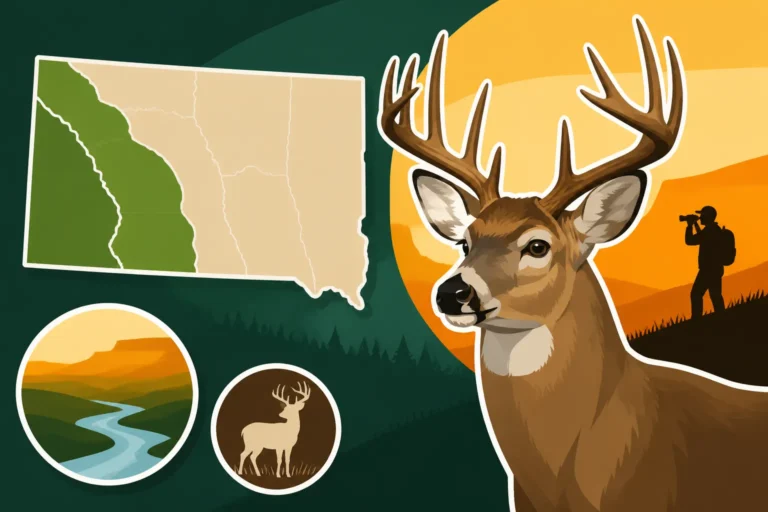
The sheer volume and strategic placement of CREP lands make them incredibly important for South Dakota hunters. Much of this land is strategically located along river systems or in areas that connect existing habitat, creating corridors for wildlife movement. These aren't just isolated patches; they're often part of a larger ecological mosaic. Without programs like CREP, many of these acres would remain in private production with no public access, leaving hunters with fewer options. It supplements other access programs by providing additional contiguous habitat that often holds a surprising amount of game.
How CREP Lands Offer Hunting Access
Accessing CREP lands for hunting isn't always as straightforward as walking onto a Game Production Area (GPA), but it offers a distinct advantage by opening up acres that would otherwise be off-limits. The key is understanding how these lands are designated for public use and what that means for your hunt.
The Voluntary Access Component
When a landowner enrolls in CREP, they have the option to include a public hunting access clause in their agreement. This is a voluntary decision, meaning not every CREP parcel is open to the public. However, many landowners see the benefit in participating in this public access component, which further sweetens the deal for them with additional incentives. When they do, those acres become part of the public access network, often managed by the state's wildlife agency. This creates a unique opportunity to hunt land that, while privately owned, is publicly accessible for hunting. It’s a wonderful example of conservation and recreation working hand-in-hand.
Key Differences from Other Public Lands
CREP lands are distinct from traditional public land types like National Grasslands or even state-owned South Dakota Game Production Areas. While GPAs are purchased specifically for wildlife and public recreation, CREP lands remain in private ownership, with the public access being an agreement, not an acquisition. This distinction is crucial because it often means rules can vary slightly, and respect for the landowner's primary operations is paramount. Unlike South Dakota Walk-In Areas Explained, which are often signed seasonally with distinct yellow signs, CREP areas might be indicated differently or be part of larger public access maps. Hunters need to be diligent in verifying access and understanding boundaries.
Finding and Identifying CREP Acres
The biggest hurdle for many hunters with CREP lands is simply knowing where they are. While the concept is great, finding these specific parcels on the ground requires a bit of savvy and the right tools. Thankfully, modern technology has made this much easier than it used to be.
Utilizing Online Resources and Mapping Tools
The South Dakota Game, Fish and Parks (GFP) Department is the primary source for identifying CREP lands open to public hunting. They typically provide an online public hunting atlas that is updated regularly. This atlas is a game-changer, allowing hunters to zoom in on specific areas, see land ownership details, and identify public access points. It’s often color-coded, making it easy to distinguish between federal land, state land, Walk-In Areas, and CREP parcels.
For even more detailed planning, mobile mapping applications have become indispensable. Tools like onX Hunt allow you to download maps and view property boundaries, public land designations, and even specific CREP acres right on your phone, even when you're out of cell service. You can use these apps to verify exactly where you are standing, preventing accidental trespass and helping you navigate complex property lines. This is especially helpful when trying to discern the exact boundaries of a field or a riparian corridor that might be enrolled in the program. Many experienced hunters rely on such mapping overlays when doing their e-scouting before the season. E-Scouting Walk-In Areas Before the Season covers some of these techniques.
Reading the Landscape and Signage
Once you've identified potential CREP areas on a map, the next step is to head out and verify on the ground. While not all CREP lands are marked with the same yellow signage you'd expect on Walk-In Areas, many will have some form of indication that they are open to public hunting. Look for signs at fence lines, access points, or along road ditches. However, do not rely solely on signage. Always cross-reference with your mapping app or the GFP atlas.
Understanding the landscape itself can also give you clues. CREP lands are often focused on conservation, so you might see dense native grass plantings, restored wetlands, or heavily vegetated stream banks. These features, which are less common in actively farmed areas, are visual cues that you might be looking at a CREP parcel. When Reading Aerial Imagery for Cattail Cover, you can often pick out the distinct patterns of these conservation efforts. Remember, a lack of "No Trespassing" signs doesn't automatically mean public access; always confirm with official maps.
Rules and Regulations on CREP Land
Hunting on CREP land comes with a few specific regulations and best practices that hunters absolutely need to be aware of. Because these lands are still privately owned and often neighbor active agricultural operations, respectful and responsible behavior is paramount to maintaining these valuable access opportunities.
General Access Rules
For the most part, hunting regulations on CREP land mirror those on other public lands in South Dakota. You'll need the appropriate South Dakota Nonresident Licence Costs or resident license, along with a South Dakota Habitat Stamp Requirements. Standard shooting hours, bag limits, and legal methods of take apply. However, there are nuances. Many CREP parcels are designated "foot traffic only," meaning no motorized vehicles beyond designated parking areas. Always check the specific rules for the parcel you intend to hunt, as some landowners may have additional restrictions.
It is also crucial to be aware of surrounding private property. Even if you are legally on a CREP parcel, you are still bound by South Dakota Trespass Law and Posted Land. Keep your dog under control, ensure your shot trajectory is safe, and never cross into adjacent private land without explicit permission. The goodwill of participating landowners is what makes these programs successful.
Respecting the Landowner and Their Property
This cannot be stressed enough: the landowner is doing you a favor by allowing public access to their CREP ground. Treat their property with the utmost respect. This means:
- Leave No Trace: Pack out everything you pack in. Do not litter.
- Stay on Designated Paths: If there are paths, use them. Do not drive or walk through crops or areas not intended for access.
- Close Gates: If you open a gate, close it. This is critical for livestock control.
- Report Issues: If you notice a broken fence, a gate left open, or anything that could be detrimental to the landowner, consider reporting it to GFP.
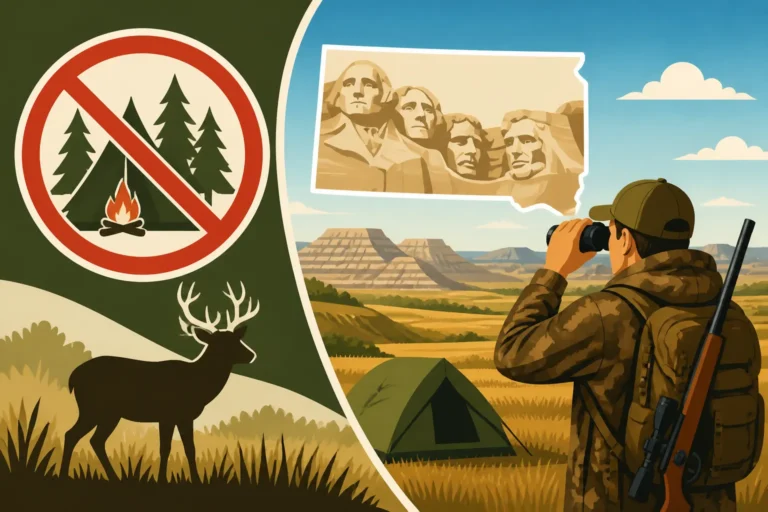
- No Camping or Fires: Generally, Camping on South Dakota Public Land rules apply, and CREP lands are typically not open for camping or fires unless explicitly stated otherwise. Assume it’s not allowed.
Failure to adhere to these unspoken rules, or explicit ones, can jeopardize future public access for everyone.
Special Considerations for Different Game
The type of game you're pursuing on CREP land might influence specific rules or best practices. For pheasant hunting, for example, many CREP fields consist of dense grass cover, which can be fantastic for holding birds. However, be mindful of where the birds flush and where they might land on adjacent private ground. For deer hunting, CREP lands often provide critical cover and travel corridors, particularly along river bottom areas. Setting up ground blinds or treestands might be permitted, but always confirm any regulations regarding temporary structures.
| Feature | CREP Land | Walk-In Area (WIA) | Game Production Area (GPA) |
|---|---|---|---|
| Ownership | Private (public access agreement) | Private (public access agreement) | State-owned |
| Primary Purpose | Conservation & habitat restoration | Public hunting access | Wildlife management & public recreation |
| Funding Source | Federal & state grants, landowner payments | State funds, landowner payments | State funds (licence sales, federal aid) |
| Signing | Varies, often indicated on maps | Distinct yellow signs, usually seasonal | Green signs, generally year-round |
| Access Rules | Foot traffic common, check specifics | Foot traffic only | Varies, often includes vehicle access on roads |
| Habitat | Grasslands, wetlands, riparian buffers | Wide variety, often ag-adjacent | Diverse, managed for specific wildlife |
| Hunter Pressure | Can vary, often less than GPAs | Moderate to high, especially early season | Moderate to high, depending on location |
Comparing CREP to Other Public Access Programs
South Dakota offers a robust suite of public hunting access programs, and CREP is a valuable component alongside others like Walk-In Areas and Game Production Areas. Understanding how they differ can help you maximize your hunting opportunities.
CREP vs. Walk-In Areas (WIAs)
Both CREP and How South Dakota Walk-In Areas Work leverage private land for public hunting, but their origins and primary focus differ. WIAs are solely about opening private land for hunting, often on an annual contract, providing straightforward access to a variety of habitats, from crop stubble to cattail sloughs. CREP, on the other hand, prioritizes conservation first and access second. This means CREP lands are typically managed with specific long-term habitat goals in mind, which often translates to higher quality, denser cover for wildlife year-round. While WIAs are excellent for chasing pheasants, CREP often provides more stable, perennial cover for a broader range of species.
Another key difference is signage. WIAs are famous for their bright yellow signs that clearly mark the boundaries of public access. While many CREP lands are shown on the GFP atlas, they might not always have the same prominent physical signage on the ground. This makes using digital mapping tools like onX Hunt even more critical when planning a hunt on CREP acreage.
CREP vs. Game Production Areas (GPAs)
Game Production Areas are lands purchased outright by the state specifically for wildlife management and public recreation. These are true public lands, owned by the people of South Dakota. GPAs are managed intensely for various game species, often featuring a mix of native grasses, food plots, and wetland development. They are a cornerstone of public hunting in the state.
CREP lands, while offering public hunting, are still privately owned and are managed according to the conservation plan agreed upon by the landowner and the government agencies. The state doesn't own the land, but rather leases the conservation and public access easements. This means that while GPAs are permanent public access, CREP access depends on the landowner's continued enrollment in the program. Hunters often find GPAs have more developed access points and sometimes even basic facilities, whereas CREP parcels are typically more rugged and undeveloped, offering a more primitive hunting experience. Both are invaluable, but knowing the distinction helps set expectations for your hunt.
Integrating CREP into Your Hunting Strategy
For the savvy South Dakota hunter, CREP lands aren't just an afterthought; they're an integral part of a successful hunting strategy. By diversifying your scouting and hunting efforts across different types of public and semi-public lands, you can adapt to changing conditions and hunting pressure.
Imagine a scenario: it's late in the pheasant season, and the Late-Season South Dakota Pheasants in Heavy Cover are hunkered down. While WIAs might be picked over, a dense CREP block of switchgrass or a restored wetland could be just the ticket, offering undisturbed cover that holds birds. Similarly, for deer, a CREP riparian buffer might offer a quiet travel corridor when adjacent areas are seeing heavy pressure. Using platforms like GoHunt to research broader areas and then pinpointing specific CREP parcels with onX Hunt can give you an edge. The key is to see CREP as another arrow in your quiver, a valuable resource to combine with your knowledge of other public access options.
Disclaimer
This article is for general informational purposes only and does not constitute professional advice. Laws, prices and regulations vary by location and change over time. Consult a qualified professional for guidance on your specific situation.