Late-Season Birds in Thick Cover
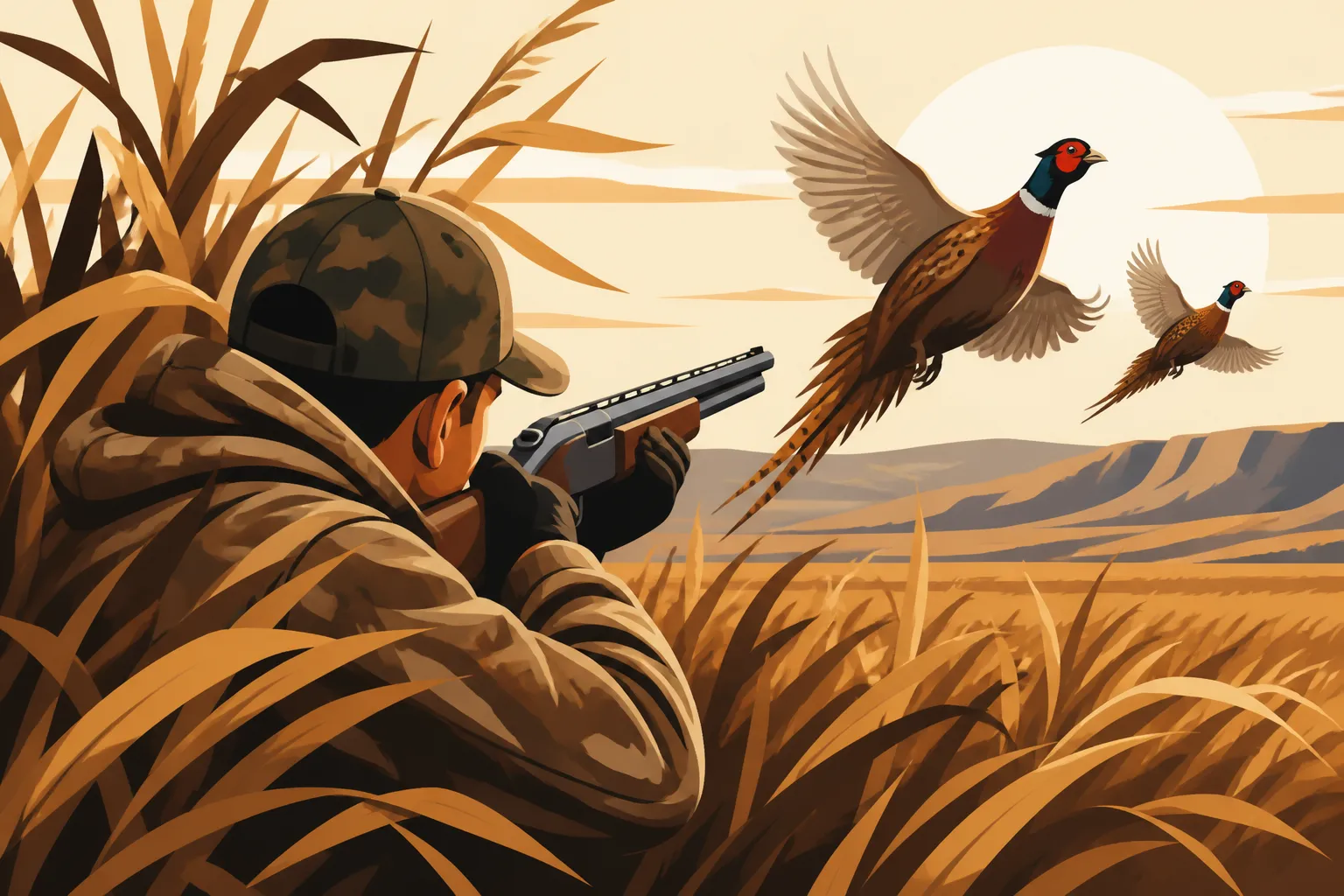
As the crisp air of early pheasant season gives way to the biting winds and heavy snows of December and January, many hunters pack away their gear, convinced the birds have vanished. The truth is, these late-season pheasants haven't disappeared; they've simply retreated into the most impenetrable, thick cover South Dakota has to offer, becoming incredibly wary and challenging to hunt. This guide is dedicated to helping you unlock the secrets of successfully pursuing these elusive roosters when the going gets tough, providing actionable strategies, dog-handling tips, and essential gear advice for braving the brutal late-season conditions.
Why Late-Season Pheasants Flock to Thick Cover
By the time late season rolls around, the landscape has changed dramatically. Crop fields are harvested, leaving little for concealment, and the milder temperatures of October are a distant memory. This shift forces pheasants to adapt, and their survival instinct drives them straight into the densest, most protective habitats available. Understanding this behavioral change is the first step in successful late-season hunting.
The Appeal of Thermal and Visual Protection
In the harsh South Dakota winter, survival hinges on two main factors: warmth and concealment from predators. Thick cover, such as dense cattail sloughs, tangled willow thickets, or robust shelterbelts, provides both. These areas create microclimates that offer crucial thermal protection against freezing winds and heavy snow, allowing birds to conserve energy. When temperatures plummet, and blizzards roll in, a pheasant tucked deep into a cattail stand is far more likely to survive than one exposed in sparse grass.
Beyond thermal benefits, these heavy cover types offer unparalleled visual protection. After weeks of hunting pressure, pheasants learn quickly to associate open ground with danger. They become incredibly "runner-friendly," preferring to sneak away unseen rather than flush. Deep cover allows them to hold tight, often letting hunters walk right by if they aren't working the cover thoroughly. This is where the challenge and the reward truly lie – finding a bird that is literally inches from your boots, convinced it's invisible. It's a game of hide-and-seek where the stakes are high for the pheasant, and the hunter needs to bring their A-game.
Scarce Food Sources and Winter Roosts
While thick cover is paramount for survival, pheasants still need to eat. As the season progresses, accessible food sources diminish. Harvested corn fields might offer scattered kernels, but deep snow can cover these, forcing birds to seek out alternative forage. This often means finding areas that combine heavy cover with proximity to residual food, like unharvested food plots, standing strips of corn, or areas where weed seeds are still abundant and accessible above the snowline.
Late-season roosters also establish distinct winter roosting patterns. They'll often roost overnight in particularly dense stands of cattails or switchgrass, then move short distances to feed in the morning, returning to the heavy cover for midday loafing and protection. Identifying these transition areas, where cover meets food, can be key to intercepting birds. This is why understanding the lay of the land, often through tools like GoHunt, which lets you scout aerial imagery, becomes so important. You can identify potential winter roosts and adjacent food sources from the comfort of your home, greatly increasing your efficiency when you hit the field.
Strategic Approaches for Working Heavy Cover Effectively
Hunting late-season pheasants in thick cover isn't just about walking; it's about strategy, patience, and persistence. The birds are smarter, faster, and more prone to running, so your approach needs to be calculated to maximize your chances of a flush.
Slow and Deliberate Walking Pace
One of the most common mistakes hunters make in heavy late-season cover is moving too quickly. When pheasants are pressured and seeking refuge in dense vegetation, they will run a considerable distance ahead of hunters and dogs before flushing. A brisk walking pace often results in birds flushing far out of range or, worse, running out the end of the cover before you even know they were there. Instead, adopt a slow, methodical pace, almost a shuffle, especially in areas where you know birds are likely to be holding tight.
Imagine pushing a cattail slough: you need to walk at a speed that allows your dogs to thoroughly work every pocket, every clump, and every tangle. This pace also gives the pheasants time to get nervous enough to hold, rather than just keep running ahead of the perceived threat. It's a balance – too slow, and you lose momentum; too fast, and you push birds too far. The ideal speed is one where you can see your dogs methodically dissecting the cover, noses to the ground, working out the scent trails. If you're pushing a large piece of cover, consider having designated blockers on the far end, as detailed in our guide on Pushing a Cattail Slough With Blockers, to cut off escape routes for those wily runners.
Utilizing Blockers and Flankers
In larger, more expansive pieces of thick cover, a team approach with blockers and flankers is often indispensable. Blockers are positioned at the far end of a field or slough to intercept birds that try to run out the back. These individuals need to be patient, concealed, and ready for fast-flying birds that break cover at high speed. Flankers, on the other hand, walk the edges of the cover, staying slightly ahead of the main push line. Their role is to prevent birds from sneaking out the sides prematurely, forcing them back into the main body of the cover where the dogs and primary walkers are working.
This coordinated effort creates a funnel, concentrating birds and increasing the likelihood of a flush within shooting range. The communication between the pushers, flankers, and blockers is crucial. Handheld radios can be invaluable for coordinating movements, especially in dense cover where visibility is limited. Remember, pheasants have an uncanny ability to find the weakest link in your line, so maintaining discipline and a consistent line is paramount. For areas like dense shelterbelts, having flankers walk the edges can make a huge difference in keeping birds contained, as explored in Working South Dakota Shelterbelts for Roosters.
Understanding Bird Escape Routes
Pheasants are creatures of habit, and their escape routes are often predictable. They will almost always try to use the path of least resistance or the most natural travel corridor to escape danger. In thick cover, this might mean a deer trail, a slight depression in the terrain, or a more open strip of vegetation within the larger block of cover. Before you even step into a field, take a few minutes to survey the area, using aerial maps on a robust mapping application like GoHunt, to identify these potential escape avenues.
Look for bottlenecks, ditches, fence lines, or changes in vegetation density that could serve as pheasant highways. By anticipating these escape routes, you can position your hunters and dogs to cut them off. For example, if a large cattail slough narrows down to a drain ditch at one end, that ditch is a prime escape route. Stationing a shooter there can turn what would have been a missed opportunity into a successful retrieve. Understanding How Far Roosters Fly When Pushed can help you determine optimal blocker placement. Always assume birds will try to go downwind and towards the densest cover available, and plan your approach accordingly.
Optimizing Your Dog's Performance and Safety
Your hunting dog is your most valuable asset in late-season thick cover. Their keen nose, relentless drive, and ability to penetrate dense vegetation are unmatched. However, the challenging conditions also present unique demands and potential hazards for your canine companion.
The Right Dog for the Job
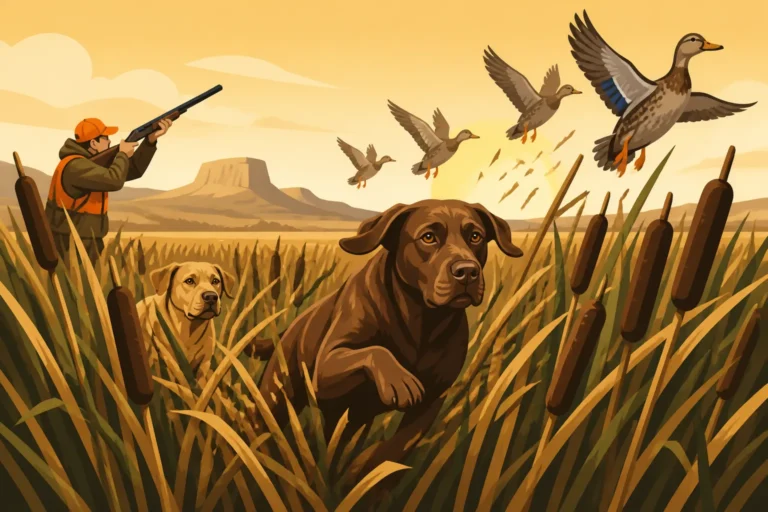
While any bird dog can be effective, some breeds and hunting styles are particularly well-suited for late-season pheasants in heavy cover. Flushers like Labrador Retrievers or Springer Spaniels often excel because they are built to crash through thick stuff and put birds in the air. Their powerful drive to find and retrieve, combined with their ability to push through dense vegetation, makes them incredibly efficient. Pointing breeds can also be fantastic, but they require birds that will hold for a point, which is less common with late-season, pressured pheasants. Still, a good pointing dog that learns to adjust its range and "creep" on running birds can be deadly.
What truly matters is a dog with a strong nose, an insatiable desire to find birds, and the physical toughness to endure the challenging terrain and weather. A dog that wants to work close, checking back frequently, will be more effective in thick cover than a wide-ranging dog that gets lost in the tangles. If you're weighing your options, our guide on Pointing Dogs Versus Flushers on Wild Birds offers a deeper dive into the pros and cons of each style for different scenarios. Ultimately, the best dog is a well-trained one that works in sync with its handler, adjusting its search pattern to the cover density and bird behavior.
Keeping Your Dog Hydrated and Free from Burrs
Even in freezing temperatures, dogs working hard in thick cover can become dehydrated. They're expending a tremendous amount of energy, and thick snow can sometimes be more of a hindrance than a source of hydration, as it takes energy to melt and consume. Always carry plenty of fresh water and offer it frequently during breaks. A collapsible water bowl is a must-have item in your pack.
Another major concern in thick cover is burrs and other plant matter. Cattails, thistles, and various prairie weeds are notorious for clinging to a dog's coat, especially around their ears, armpits, and paws. These can quickly mat fur, cause skin irritation, and even lead to infections if not removed. Take regular breaks to check your dog, meticulously picking out burrs. A good grooming comb, a pair of blunt-nosed scissors, and even a squirt bottle with a little detangler solution can be lifesavers. Some hunters even outfit their dogs with protective vests to minimize burr accumulation and provide an extra layer of warmth, which can be particularly useful in dense areas covered in our article Dog Water and Burrs on the Prairie. Prioritizing your dog's comfort and safety will ensure they can perform at their best throughout the hunt.
Essential Gear and Planning for December Hunts
Late-season hunting in South Dakota is not for the faint of heart. The weather can turn nasty in an instant, and being unprepared can quickly turn an exciting hunt into a dangerous situation. Proper gear and meticulous planning are non-negotiable.
Layering for Extreme Cold and Wind
South Dakota winters are legendary for their brutal cold and relentless winds. The key to staying warm and comfortable is effective layering. Start with a moisture-wicking base layer to draw sweat away from your skin. Follow this with insulating layers, such as fleece or down, to trap body heat. Your outer layer should be windproof and waterproof, capable of shedding snow and blocking the biting prairie gusts. Don't forget your extremities: a warm hat that covers your ears, insulated gloves or mittens, and thick, wool socks are crucial. You'll be moving and stopping, generating and losing heat, so having layers you can easily add or remove is essential.
Think about materials: synthetics and wool excel at retaining warmth even when damp, unlike cotton, which loses all insulating properties when wet. Our guide on Layering for South Dakota Wind offers more detailed advice on choosing the right components for your system. It's not just about staying warm, it's about staying dry, as moisture is your biggest enemy in cold weather.
Reliable Footwear and Navigation Tools
You'll be doing a lot of walking in often-wet and snowy conditions, so waterproof, insulated boots with good ankle support are absolutely critical. Look for boots designed for cold weather and long treks through heavy cover like cattail sloughs or frozen marsh edges. There's nothing worse than cold, wet feet, which can quickly lead to discomfort and even frostbite. Our deep dive into Boots for Walking Cattails All Day provides specific recommendations and features to look for in quality footwear.
Beyond footwear, reliable navigation tools are a must. Snow can obscure trails, and dense cover can disorient you. A GPS device or a smartphone with a robust mapping app (like GoHunt with its offline map capabilities) is invaluable for tracking your position, marking flushed birds, and ensuring you always know how to get back to your vehicle. Always carry a portable power bank for your electronics, as cold weather can drain batteries quickly. And it's never a bad idea to have a physical compass and map as a backup, just in case.
Safety Preparedness and Emergency Planning
Given the remote nature of many hunting areas and the unpredictable winter weather, safety should always be your top priority. Inform someone of your hunting plans, including your location and expected return time. Carry a fully charged cell phone, but don't rely on it entirely, as service can be spotty in West River country. A small, but comprehensive first-aid kit is essential for treating minor injuries to yourself or your dog.
Consider packing an emergency kit in your vehicle with extra warm clothing, blankets, a shovel, jumper cables, and a tow strap. Getting stuck on a snow-covered two-track in freezing temperatures, as discussed in Getting Stuck on a Prairie Two-Track, is a real possibility and can quickly become a life-threatening situation. Always carry plenty of water and some high-energy snacks. Even if you're only planning a short hunt, be prepared for an unexpected overnight stay. Better safe than sorry when hunting in the wilds of South Dakota in winter.
Navigating Specific Late-Season Habitats
Late-season pheasants aren't just in any thick cover; they have preferred strongholds. Knowing what types of cover to target and how to approach them will greatly increase your success.
Cattail Sloughs: The Ultimate Winter Fortress
Cattail sloughs are the undisputed champions of late-season pheasant cover in South Dakota. These dense, often wet areas provide unparalleled thermal protection and nearly impenetrable visual concealment. Pheasants will dive deep into these sloughs, often hunkering down right at the water's edge or in the thickest, driest clumps. Hunting them requires a methodical approach, often best done with a strong line of hunters and determined dogs.
When approaching a cattail slough, always try to hunt into the wind if possible. This allows your dogs to work the scent more effectively and gives you an advantage on flushing birds. However, the wind can also carry the sound of your approach, so balance it with stealth. Maintain a tight, consistent line, and trust your dogs to work the birds. If you're alone or with a small group, focus on smaller, isolated patches of cattails first, as they might hold surprising numbers of birds that have been overlooked. Be prepared for birds to flush wildly and fly long distances once they escape the confines of the cattails.
Shelterbelts and Tree Rows
Shelterbelts, often planted as windbreaks, provide excellent linear cover and thermal protection for late-season pheasants. These can range from single rows of cedars to multi-row belts of various deciduous and coniferous trees. Birds often use these to travel between feeding and roosting areas, or as a safe haven during strong winds. The key to hunting shelterbelts is to cover them thoroughly, from one end to the other.
Again, a coordinated effort with blockers at the end is highly effective. Walk the shelterbelt slowly, allowing dogs to work the dense undergrowth. Pheasants will often run the length of the belt, trying to escape out the far end. Pay close attention to the very ends of the shelterbelt, as these can be prime spots for birds attempting to sneak out. Don't neglect the "dead ends" or short spurs coming off the main belt; these can sometimes hold a single, cunning rooster. Keep an eye out for tracks in any snow present, which can indicate recent pheasant activity and preferred travel lanes.
Food Plots and Standing Corn
While harvested fields offer little, standing food plots and unharvested corn rows can be late-season magnets for pheasants. These areas offer both food and crucial cover. Birds will often feed in the morning and evening, retreating to adjacent heavy cover during the day, but sometimes they'll loaf directly within the standing crop if it's dense enough. Hunting these requires a keen eye for signs of activity and a willingness to work through the stalks.
When working standing corn, look for areas where the stalks are particularly thick or where there are downed sections that provide overhead cover. Birds will run in corn rows, making it challenging to get them to flush. Consider walking crisscross patterns or having hunters walk within a few rows of each other to cut off running lanes and create pressure. Food plots, especially those designed with pheasant-friendly grains like sorghum or milo, are excellent bets, particularly if they are adjacent to a slough or dense grass. These are often high-value areas, as birds don't have to travel far to eat, and can quickly dive back into dense thermal cover when disturbed.
| Late-Season Hunting Priority | Description | Key Action |
|---|---|---|
| Bird Behavior | Pheasants are wary, prefer to run, and seek densest thermal/visual cover. | Hunt slow, use blockers, anticipate escape routes. |
| Cover Type | Cattail sloughs, dense shelterbelts, standing food plots are prime. | Target these areas, understand how birds use each. |
| Dog Performance | Need tough, tenacious dogs with good noses, capable of penetrating heavy cover. | Hydrate dogs frequently, meticulously remove burrs. |
| Hunter Gear | Layered, waterproof, windproof clothing; insulated, waterproof boots; navigation tools. | Prioritize warmth and dryness; carry backups for electronics. |
| Safety | Inform others of plans, carry emergency kit, be prepared for vehicle issues and cold exposure. | Don't hunt alone in remote areas; pack for unexpected delays. |
| Scouting | Use aerial maps (e.g., GoHunt) to identify cover, food sources, and escape routes before the hunt. | Pre-scout electronically; look for sign on the ground. |
Disclaimer
Hunting carries inherent risks, and conditions in South Dakota can be extreme. Always prioritize safety, adhere to all local and state regulations, and ensure you are adequately prepared for the challenges of late-season hunting. The information provided is for educational purposes and should not replace professional guidance or personal responsibility.