South Dakota Waterfowl Guide Day Rates
Trying to figure out what a guided waterfowl hunt in South Dakota might actually cost you can feel like trying to hit a fast-flying teal with a slingshot—it's tough to nail down! You're wading through websites, hearing whispers of "it depends," and just want a straightforward answer to budget your trip. This guide is here to shed some light on the typical day rates for South Dakota waterfowl guides, breaking down what influences the price and what you should expect to get for your hard-earned money.
Understanding South Dakota Waterfowl Guide Day Rates
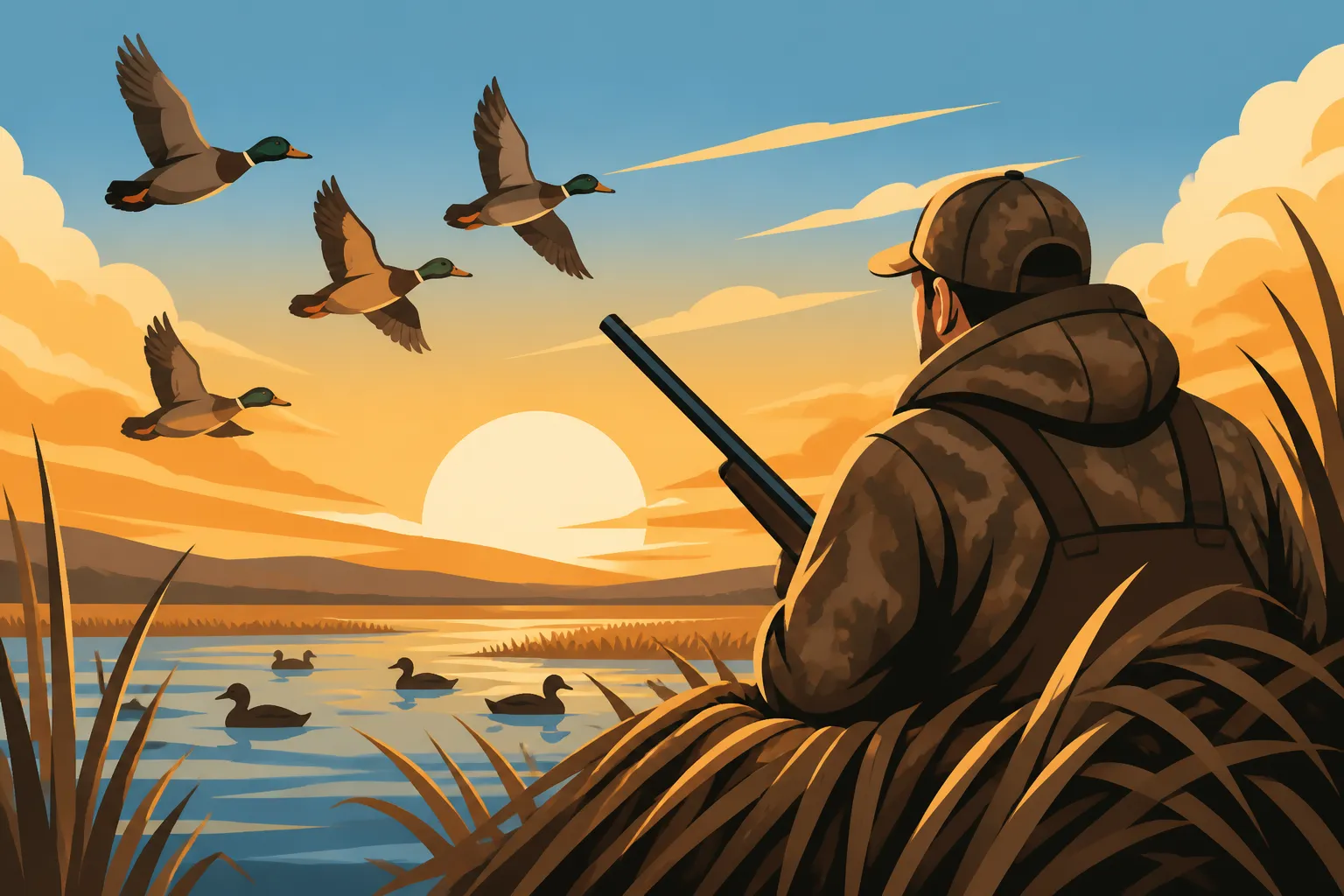
When you're dreaming of honkers cupping into your spread or mallards dropping into a prairie pothole, the cost often becomes a practical concern. South Dakota is legendary for its waterfowl hunting, and with that reputation comes a range of guiding services, each with its own pricing structure. It's not as simple as a flat fee; many variables come into play, shaping what you'll ultimately pay for a day afield.
What Influences the Cost of a Guided Hunt?
Several factors can significantly impact the day rate a South Dakota waterfowl guide charges. First and foremost is the species you're targeting. Are you solely focused on a goose hunt, hoping to fill limits of giant Canadas in a cut cornfield? Or is your heart set on a diverse duck hunt, with a mixed bag of puddle ducks and divers over a prairie pothole? Goose hunts, especially those requiring extensive decoy spreads and layout blinds, can sometimes be priced differently than duck hunts. Some outfitters specialize in one or the other, or offer combo hunts that might have a higher price point due to the added logistics and scout time involved.
The specific location within South Dakota also plays a huge role. Guides operating on prime private ground with established blinds and consistent bird numbers in areas known for heavy waterfowl traffic might command higher rates. Think of the rich prairie pothole regions in eastern South Dakota or the major flyways along the Missouri River. The time of year, too, is a factor. Early season hunts, when birds are local and weather is milder, might differ in price from late-season hunts where extreme cold dictates different tactics and gear, often requiring more effort from the guide and specialized equipment. Understanding South Dakota Waterfowl Seasons and Zones can give you a better idea of when peak hunting occurs and how that might affect pricing.
Finally, the reputation and experience of the guide or outfitter itself can influence rates. Guides with decades of experience, a long list of successful clients, and a track record of consistently putting hunters on birds often charge more. They're selling not just access, but expertise, diligent scouting, and proven strategies that minimize downtime and maximize opportunities. It's often a case of "you get what you pay for" in the hunting world, where experienced hands make a real difference in your overall experience and success.
Typical Day Rate Inclusions and Exclusions
So, what exactly does a "day rate" typically cover when you book a South Dakota waterfowl guide? Generally, you can expect the guide service to provide the core essentials for the hunt itself. This usually means a skilled guide (or guides, depending on group size), a well-trained retriever or two, high-quality decoys (whether it's a massive spread of full-body goose decoys or an array of duck blocks), and comfortable, effective blinds (from layout blinds in stubble fields to pit blinds or A-frame blinds near water). Transportation to and from the hunting location, usually starting from a designated meeting point, is also almost always included. They handle all the heavy lifting of setting up and taking down the spread, which, if you've ever done it yourself, you know is a huge relief! This core offering is often what you're paying for when you see a basic day rate advertised, giving you a clear picture of what a South Dakota waterfowl guide provides.
However, it’s crucial to understand what’s typically not included in that base day rate, as these can add up and significantly impact your total trip cost. Lodging and meals are almost always separate, though some premium packages might bundle them. You’re also responsible for your own hunting licenses, state and federal duck stamps, and HIP registration. Don't forget about ammunition; a good waterfowl hunt can burn through a surprising amount of shells. Post-hunt services like bird cleaning, packaging, and freezing are often extra or handled by you, though many guides can direct you to local processors if you don't want to do it yourself. And, of course, tips for your guide and dog handler are a customary way to show appreciation for their hard work and are never included in the advertised rate. Being clear on these exclusions upfront is paramount to avoiding any unwelcome surprises down the road.
The Range of Day Rates: What to Expect
The financial investment for a guided waterfowl hunt in South Dakota can vary wildly, leaving many hunters feeling a bit lost. It's not like buying a gallon of milk where the price is pretty standard across the board. Instead, you'll find a spectrum, from more budget-friendly options to high-end, all-inclusive experiences. Understanding this range will help you set realistic expectations and find a hunt that aligns with both your desires and your wallet.
Breaking Down the Price Spectrum
When you start researching South Dakota waterfowl guides, you'll notice a general price spectrum. On the lower end, you might find day rates that focus primarily on the guide service, decoys, and blinds, often for smaller groups or those willing to provide their own lodging and meals. These are fantastic for experienced hunters who just need help with access to prime ground and the heavy lifting of a well-scouted spread. They typically operate on a per-person, per-day basis, with slight discounts sometimes available for larger groups. If you're flexible with your dates or willing to join a mixed group, you might find some more accessible options. Websites like BookYourHunt can be a great resource for comparing various guide offerings and seeing typical ranges across different outfitters, giving you an aggregated view of the market.
Moving up the scale, you'll encounter mid-range packages that might add in things like basic field lunches, a bit more personalized attention, or access to different hunting locations throughout your stay. Then there are the premium or all-inclusive packages, which often cover not just the hunt itself, but also comfortable lodging, delicious home-cooked meals, bird cleaning and packaging, and sometimes even transportation from a nearby airport. These typically cater to groups seeking a seamless, worry-free experience where almost every detail is handled. The pricing for South Dakota Waterfowl Guide Packages can reflect these various levels of service, so it's vital to read the fine print and compare what each package truly offers. Don't be shy about calling guides directly to discuss what specific components contribute to their overall rates.
Factors That Can Increase Your Daily Outlay
Beyond the base day rate, there are several factors that can nudge your daily hunting expenditure upwards. As mentioned, lodging and meals are frequent add-ons. If a guide offers a full lodge experience with hot breakfast, field lunch, and a hearty dinner, that convenience and quality will be reflected in a higher overall price per day compared to a guide who simply meets you in a parking lot before dawn. Some outfitters might offer specialty hunts, such as exclusive early goose season opportunities or specific trophy hunts, which can be priced at a premium due to their uniqueness or intensity of scouting. For example, a dedicated full-day layout blind hunt for big Canada geese on prime stubble fields, requiring extensive decoy spreads and meticulous concealment, might cost more than a morning duck hunt over a smaller pothole. Learning more about specific techniques like Layout Blinds on South Dakota Stubble can illustrate the effort involved.
Another potential cost increaser is the group size relative to the guide's capacity. While many guides offer per-person rates, some might have minimum group sizes or offer a slight discount for filling a certain number of spots. If you're a solo hunter or a very small group, you might end up paying a slightly higher per-person rate to cover the guide's overhead, unless you join a larger, open group. Additional services like professional bird processing or taxidermy referrals, while convenient, will always come with their own price tag separate from the hunt itself. It’s always best to have a clear conversation with your chosen outfitter about every potential charge so you can budget accurately and avoid any surprises.
Finding and Vetting Waterfowl Guides
Once you have a better grasp of what South Dakota waterfowl guide day rates entail, the next step is actually finding a reputable guide and making sure they're the right fit for your hunting goals. This isn't just about comparing numbers; it's about finding a guide who offers a great experience, operates ethically, and delivers on their promises. A little upfront research can save you a lot of frustration and ensure your hunt is everything you hope for.
Researching Guide Services and Comparing Costs
The internet is your best friend when it comes to researching South Dakota waterfowl guide services. Start with broad searches, then drill down into specific regions or types of hunts you're interested in. Look for guides with professional websites, active social media presences, and clear contact information. Pay attention to their photo galleries – do the hunters look genuinely happy? Do the birds look like wild, healthy specimens? Beyond direct searches, hunting forums, online communities, and dedicated hunting resource platforms can be invaluable. For example, while GoHunt is widely recognized for Western big game, many similar platforms and forums exist where hunters discuss and review waterfowl outfitters across the country, including South Dakota. These platforms often provide firsthand accounts, which are gold when you're trying to gauge a guide's reputation and typical offerings.
When comparing costs, remember that the cheapest option isn't always the best value, and the most expensive isn't automatically superior. A guide charging slightly more might offer more personalized service, better equipment, or access to more productive hunting grounds. Conversely, a less expensive guide might be newer, building a client base, or offer a more "no-frills" experience that perfectly suits an independent hunter. The key is to match the service and cost to your personal expectations. Don't hesitate to contact multiple guides. Ask them Questions to Ask a South Dakota Outfitter about their hunting philosophy, scout methods, typical day structure, and what happens if weather forces a cancellation. Gather as much information as you can before making a decision.
The Importance of a Detailed Quote
Once you've narrowed down your options, the single most important step is to get a detailed quote or contract in writing. Vague verbal agreements can lead to misunderstandings and disappointment. A professional outfitter will be happy to provide a clear breakdown of everything included in your day rate or package. This written document should explicitly state the daily cost, what services (guide, decoys, blinds, dogs, bird cleaning, lodging, meals) are covered, and any services that are not included. It should also specify payment terms, deposit requirements, and perhaps most importantly, the cancellation and refund policy. Unexpected events happen – weather can turn, travel plans can change – and knowing where you stand financially can prevent a lot of stress.
A comprehensive quote should also outline the hunting dates, meeting times and locations, and any specific gear you are expected to bring. This clarity ensures that both parties are on the same page and helps manage expectations for the hunt itself. Understanding What a South Dakota Contract Should Say before you commit is absolutely vital. If a guide is hesitant to provide a written agreement or is vague about pricing, consider that a red flag. Reputable outfitters operate with transparency, as their business relies on satisfied clients and repeat bookings. Don't be afraid to ask for clarification on any point you don't fully understand; a good guide will patiently explain everything.
Here's a simplified comparison of what you might find in "Basic" versus "Premium" day rate offerings:
| Feature | Basic Day Rate (Example) | Premium Day Rate (Example) |
|---|---|---|
| Guide Service | Yes, 1 guide per 3-4 hunters | Yes, 1 guide per 2-3 hunters, dedicated scout |
| Decoys & Blinds | Standard spreads, shared blinds | High-end, extensive spreads, custom blinds |
| Hunting Dogs | Guide's dog provided | Guide's dog, option to bring own dog (fee) |
| Scouting | Daily scouting efforts | Intensive, dedicated 24/7 scouting |
| Transportation | To/from hunt area from meeting point | To/from hunt area, possible airport pickup |
| Meals | Not included, bring your own snacks | Field lunch, snacks, sometimes full lodge meals |
| Lodging | Not included, arrange your own | Included in package, private rooms |
| Bird Cleaning/Packaging | Not included, DIY or local processor referral | Included, professional cleaning & freezing |
| Licenses/Stamps | Not included, hunter's responsibility | Not included, hunter's responsibility |
| Ammunition | Not included, hunter's responsibility | Not included, hunter's responsibility |
| Tipping | Expected, extra | Expected, extra |
| Avg. Group Size | 3-6 hunters | 2-4 hunters |
| Overall Experience | Focused on the hunt itself, less amenities | All-inclusive, luxury amenities, seamless |
Disclaimer
This article is for general informational purposes only and does not constitute professional advice. Laws, prices and regulations vary by location and change over time. Consult a qualified professional for guidance on your specific situation.