Changing a South Dakota Hunting Period
Life sometimes throws us curveballs, and what looked like a perfect South Dakota hunting trip on the calendar can suddenly be impossible. Whether it's a last-minute work commitment, a family emergency, or simply a change of heart after checking the long-range weather forecast, the need to adjust your South Dakota hunting period is a common frustration for many hunters. This guide will walk you through everything you need to know about how and if you can change your selected hunting period in South Dakota, what the regulations are, and important considerations before you make any adjustments.
Understanding South Dakota's Hunting Period System
South Dakota employs a structured hunting period system for various game species, and understanding how these periods function is the first step to knowing if you can even make a change. It's not a one-size-fits-all approach, and what applies to pheasant hunting might be entirely different for big game like deer or antelope.
Why Periods Exist for Certain Hunts
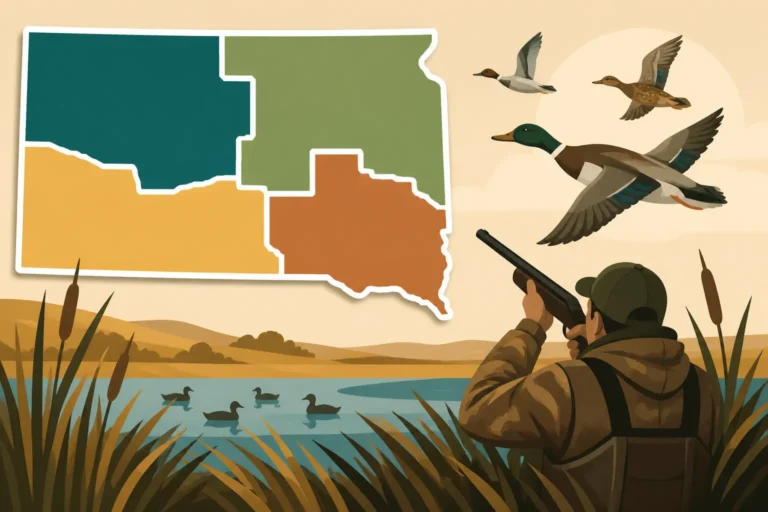
Hunting periods are more than just arbitrary dates on a calendar; they are a critical tool for wildlife management. The South Dakota Game, Fish and Parks (GFP) uses these periods to manage hunter pressure, ensure sustainable harvest levels, and account for the biological considerations of different species. For instance, breaking the pheasant season into specific blocks, especially for nonresidents, helps distribute hunters across the landscape and throughout the season, reducing congestion on public lands and private leases. It's about balancing opportunity with conservation. Think about the bustling opening weekends versus the quiet solitude of Late-Season Hunting in South Dakota Snow—these periods directly influence the experience. For big game, specific seasons are often tied to biological events like the rut or antler development, and altering these periods could disrupt management goals.
Consider the classic nonresident pheasant license, which is often structured around "five-day periods." These are designed to give hunters a defined window of opportunity, ensuring that outfitters and public lands aren't overwhelmed by a continuous influx of hunters. This system allows the GFP to better predict and manage hunter impact on bird populations and habitat. Similarly, deer seasons might have archery periods, muzzleloader periods, and various firearms periods, each with specific dates and regulations aimed at targeting deer populations effectively while minimizing stress on the herds. Knowing how these periods are set helps us understand why changing them isn't always as simple as picking a new date.
The Initial Application and Selection Process
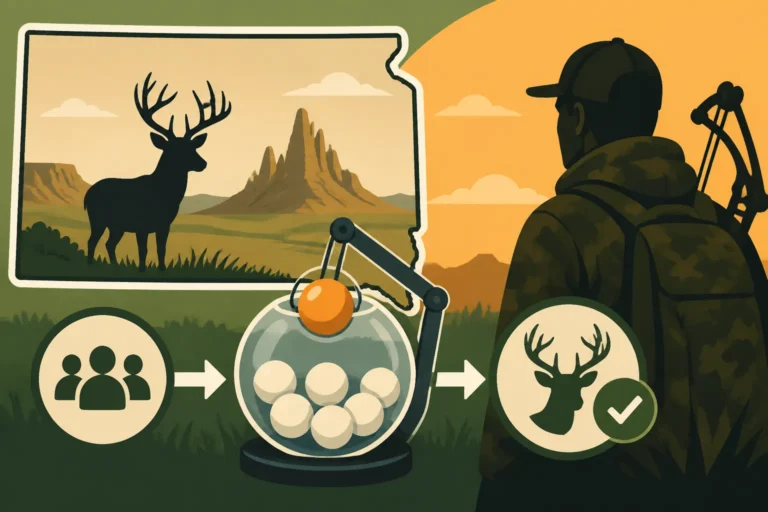
When you first apply for or purchase a South Dakota hunting license, particularly for popular species or through a draw system, you're usually asked to select your desired hunting period right from the start. This is a crucial step that often dictates your entire hunting plan. For big game, especially in the draw units, your initial selection of a unit and period is often what determines your draw success. Tools like GoHunt can be invaluable resources during this planning phase, helping you research draw odds and unit specifics before you even apply. You're committing to a specific window, whether it's the first five-day period for pheasants in November or a specific week for a West River deer hunt.
This initial selection is particularly important for nonresident pheasant hunters. When you purchase your nonresident small game license, you'll choose two specific five-day hunting periods. These are your designated windows for pursuing pheasants, grouse, and other small game. Similarly, for deer, antelope, or elk, the application process for South Dakota Big Game Draws and How to Apply requires you to select your preferred unit and season (e.g., archery, rifle, specific dates). This upfront choice becomes part of your license details, and any subsequent change needs to go through the official channels, adhering to strict rules set by the GFP. It’s not just about what works for your schedule, but what the wildlife management objectives allow.
The Process of Changing Your Hunting Period
So, you've got your license, and now your original dates just aren't working out. The next logical step is to explore how you might change your South Dakota hunting period. While the ability to change periods varies significantly by license type, there are general guidelines and processes to follow.
When and How Changes Are Allowed
For many nonresident small game licenses, particularly those for pheasant hunting, changing your selected five-day periods before they commence is often possible, provided there's availability in the desired new period. The South Dakota Game, Fish and Parks (GFP) website is your go-to resource for these types of changes. Generally, you would log into your GFP licensing account, navigate to your active licenses, and look for an option to "amend" or "change period." It's critical to act before your originally selected period begins, as changes are typically not allowed once the period has started. There might also be a small administrative fee associated with the change. This process is designed to offer some flexibility, recognizing that plans can shift, especially for those traveling from out of state.
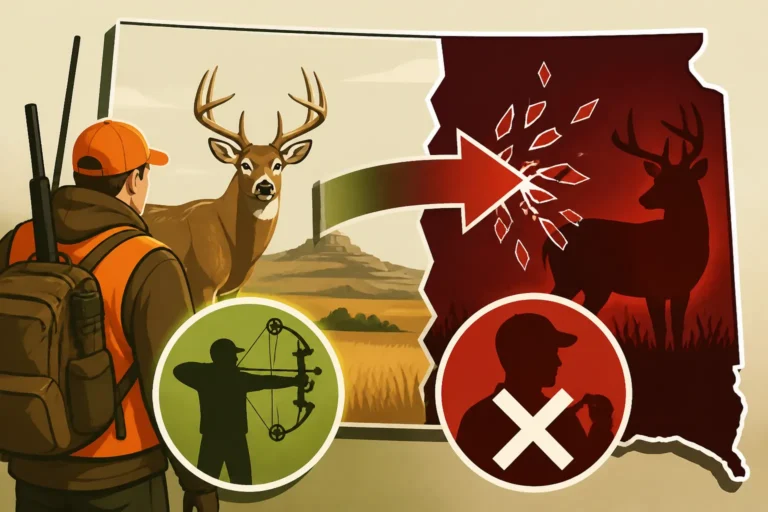
However, for most big game licenses obtained through a draw, especially those with limited quotas or specific unit restrictions, changing your hunting period is often not possible. Once you've drawn a specific unit and season tag (e.g., a "West River Deer" rifle tag for specific dates), that tag is typically fixed. The system is designed to allocate tags based on specific management goals for those units and periods, and allowing changes could disrupt those objectives. In these cases, your only option might be to forfeit the tag if you can't hunt, or explore options like South Dakota Deer Tag Transfer Rules if permitted, which is rare. Always check the current year's hunting handbook or contact GFP directly for the most accurate and up-to-date information regarding your specific license type.
Step-by-Step Guide to Requesting a Change
If you've determined that your license type allows for a period change (most commonly for nonresident small game five-day periods), here’s a general step-by-step guide to navigate the process:
- Access the South Dakota GFP Licensing System: Head to the official South Dakota Game, Fish and Parks website. Look for the "Licenses & Permits" section, and find the link to log into your account. If you don't have an account, you'll likely need to create one using the information from your original license purchase.
- Locate Your Active License: Once logged in, you should see a list of your active hunting licenses. Find the specific license for which you want to change the hunting period. For nonresident pheasant hunters, this would be your "Nonresident Small Game" license.
- Initiate the Change Request: Look for an option next to your license that says "Amend," "Change Period," or something similar. This option might not be immediately obvious, so you may need to click on the license details or a specific menu. The system will then guide you through available periods. If you can't find this option, or if the system indicates no changes are allowed, it's time to move to step 5.
- Select New Periods and Confirm: The system will typically show you the available five-day periods. Choose your new desired dates. Be aware that popular periods, especially early in the season, might be fully booked. Review your selection carefully, confirm any associated fees, and finalize the change. You should receive a confirmation email or an updated license document.
- Contact South Dakota GFP Directly: If you cannot find the online option, or if you have a big game license and are unsure about your options, the best course of action is to contact the South Dakota GFP customer service directly. Explain your situation, provide your license details, and they can inform you of any possibilities or limitations. Their contact information is usually readily available on their website.
Restrictions and Limitations on Changes
While flexibility is nice, there are very clear boundaries around changing South Dakota hunting periods that you need to be aware of. The most significant limitation is often the timing: once a hunting period has begun, or especially after it has passed, it is almost universally impossible to make a change. The system is set up to manage participation within specific windows, and allowing retroactive changes would undermine that structure. So, if your original five-day pheasant period started yesterday, unfortunately, you’re likely out of luck for adjusting those specific dates.
Furthermore, for many drawn big game tags, the unit and period combination is essentially a fixed contract. If you drew a specific Custer County Black Hills Elk tag for a rifle season in October, that's what you got. You can't switch it to a November hunt, or to a different unit, even if those seasons are open. This rigidity is due to the precise quotas and management objectives tied to each specific draw. Trying to change a period for these types of tags often means you'd have to forfeit the tag entirely, and you would not get your preference points back. This is where researching South Dakota Draw Application Deadlines and making your initial selection carefully really pays off. Always assume that drawn big game tags are non-transferable and non-changeable unless explicitly stated otherwise by the GFP.
| License Type | Period Change Flexibility (Before Period Starts) | Period Change Flexibility (After Period Starts) | General Fee for Change |
|---|---|---|---|
| Nonresident Small Game (5-day periods) | Generally Yes, if desired new periods are available online through GFP licensing system. | No | Small administrative fee (e.g., $5-$10) |
| Resident Small Game | N/A (Often continuous season, no specific periods tied to license) | N/A | N/A |
| Drawn Big Game (Deer, Antelope, Elk) | Extremely limited or No. Once drawn for a specific unit/period, the tag is typically fixed. Contact GFP for any rare exceptions or special circumstances. | No | N/A |
| Over-the-Counter Big Game (e.g., Archery Deer) | Generally No, as these often cover broader date ranges or are sold as-is. Check specific regulations for any archery tag amendments. | No | N/A |
| Refuse/Muzzleloader Deer | Highly restricted or No. Similar to drawn big game tags, these are tied to specific rules and dates. | No | N/A |
Factors to Consider Before Changing Your Period
Deciding to change your hunting period, even when possible, isn't a decision to be made lightly. There are several practical and strategic factors that can significantly impact your hunt's success and overall experience. Thinking through these points beforehand can save you a lot of headache and potential disappointment.
Impact on Draw Success and Tag Availability
For many of South Dakota's premier big game hunts, your success hinges entirely on the draw. If you're fortunate enough to draw a coveted tag for a specific unit and period, like an early season Black Hills Elk tag, understand that this tag is typically tied to that exact configuration. Attempting to change the period for such a tag is almost universally not allowed. Your draw success was for that specific hunt. If you can't make it, you might be looking at forfeiting the tag, which means losing out on what could be years of accumulated South Dakota Preference Points Explained. It’s a harsh reality, but it emphasizes the importance of absolute certainty when you're applying for those limited-entry opportunities.
Even for licenses that do allow period changes, like the nonresident five-day pheasant license, availability is a real concern. If you're trying to shift your hunt from a less popular period to the prime opening weekend, you might find that those dates are already fully booked. The GFP limits the number of hunters in each period to manage pressure, especially on public access areas like South Dakota Walk-In Areas Explained. Using tools like GoHunt to scout and understand typical hunting pressure patterns for different weeks can help you anticipate availability issues. It's often easier to change from a more popular time to a less popular one than the other way around.
Hunting Conditions and Bird/Game Behavior
Changing your hunting period means you're changing the conditions you'll face in the field, which can drastically alter your hunting strategy and success. Consider pheasant hunting: the early season (late October) often means warmer weather, standing crops (especially corn), and birds that haven't been pressured much. This can be fantastic for finding birds in unharvested fields, but it also means more cover. A later season hunt, say in December, will likely mean colder temperatures, more snow, and most crops harvested. Birds will be concentrated in heavy cover like cattail sloughs and dense tree belts, which requires entirely different tactics, as detailed in our guide on Late-Season South Dakota Pheasants in Heavy Cover.
For deer hunters, shifting your hunt can mean the difference between pre-rut, peak rut, or post-rut behavior. If you initially planned for an early November rifle hunt (prime rut activity) but have to push it to late November, you'll encounter a completely different deer behavior pattern. Bucks might be less active during daylight hours, and their patterns will have changed. Our article on How Buck Movement Changes Through the Rut delves into these nuances. Always research what the conditions and game behavior are typically like for your newly proposed period before committing to a change. A different period might mean a different strategy for finding water, using cover, or even choosing your access routes to avoid heavy hunting pressure.
Logistical Considerations
Beyond the actual hunt, changing your period can unleash a cascade of logistical headaches. If you’re traveling from out of state, your original flight bookings might need to be canceled or changed, incurring potentially hefty fees. Accommodation, whether it's a hotel, an Airbnb, or a spot at a hunting lodge, will almost certainly need to be rebooked, and availability for your new dates might be scarce, especially during peak season. Imagine trying to rebook a block of rooms for a group of hunters on short notice for the opening weekend of pheasant season – it can be nearly impossible in some of the smaller, bird-rich towns.
If you've booked a guide or an outfitter, changing your dates will require direct communication with them immediately. Their schedules are often booked solid months or even a year in advance, and they might not be able to accommodate a shift. This is where understanding your outfitter contract's cancellation and rescheduling policies becomes paramount. Any changes could result in lost deposits or additional fees. Furthermore, if you’re hunting with a group, everyone’s schedule needs to align. Coordinating multiple people’s availability for new dates can be a Herculean task, often leading to compromises or someone having to drop out. These logistical hurdles are a significant reason why hunters try their best to stick to their original plans.
Disclaimer
The information provided in this article is for general guidance only and is subject to change. South Dakota hunting regulations, season dates, and license requirements are updated annually by the South Dakota Game, Fish and Parks (GFP). It is the hunter's sole responsibility to consult the most current official GFP hunting handbooks, regulations, and website before participating in any hunting activity. Always verify specific rules regarding license periods, application deadlines, and any potential changes directly with the South Dakota GFP.