Access Routes That Do Not Blow Out Birds
Smart access routes for South Dakota pheasant hunting help hunters approach cover without alerting wily roosters that run away.
Close the distance.
Archery, muzzleloader, and firearm techniques — calling, stand placement, still-hunting, spot-and-stalk, and the weapon rules that change at the state line.
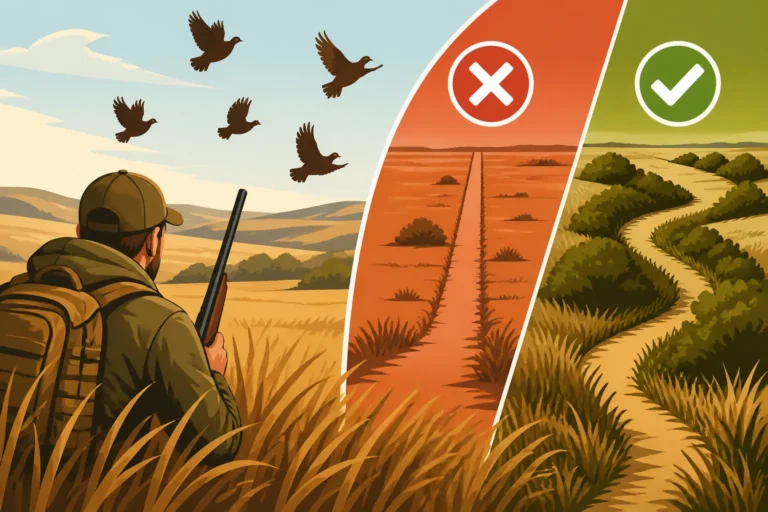
Smart access routes for South Dakota pheasant hunting help hunters approach cover without alerting wily roosters that run away.
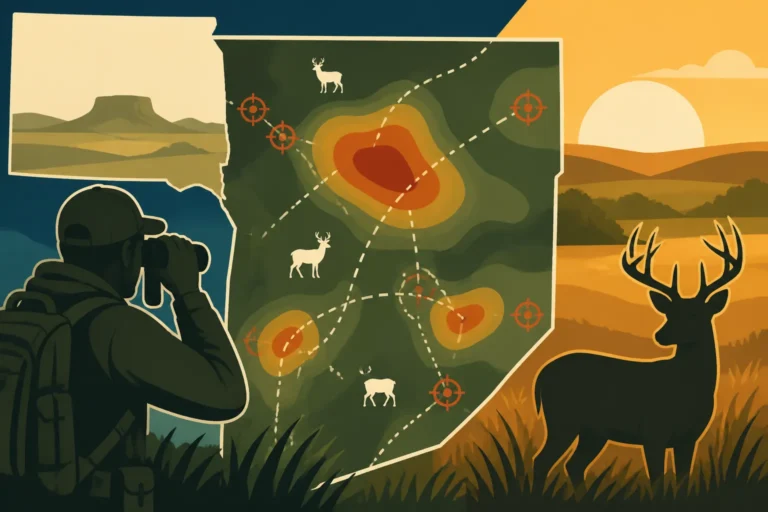
South Dakota Walk-In Area hunting pressure patterns reveal peak times and days, helping hunters avoid crowds and find game.
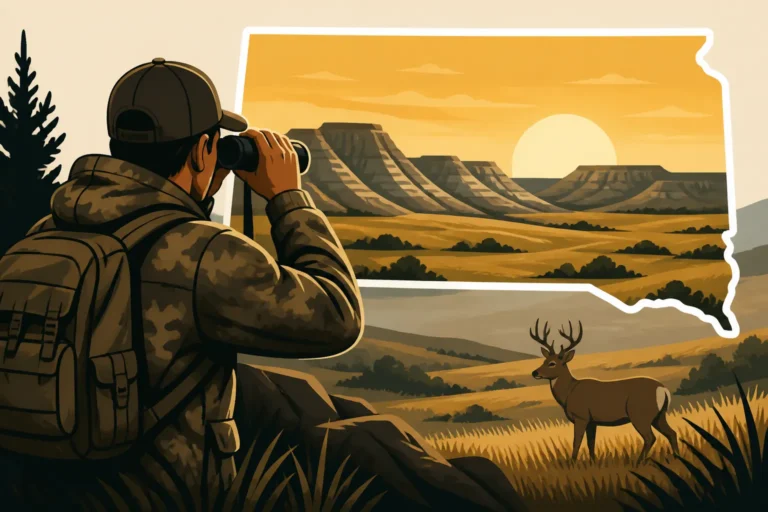
Pre-season scouting strategies for South Dakota public land help hunters avoid crowds and locate game before opening day.

Black Hills elk hunting strategies explain ridge movement patterns, seasonal behavior shifts, and steep timbered terrain travel corridors.

Black Hills elk calling techniques, vocalizations, and rut behaviors help hunters decipher sounds and attract bulls in timber.
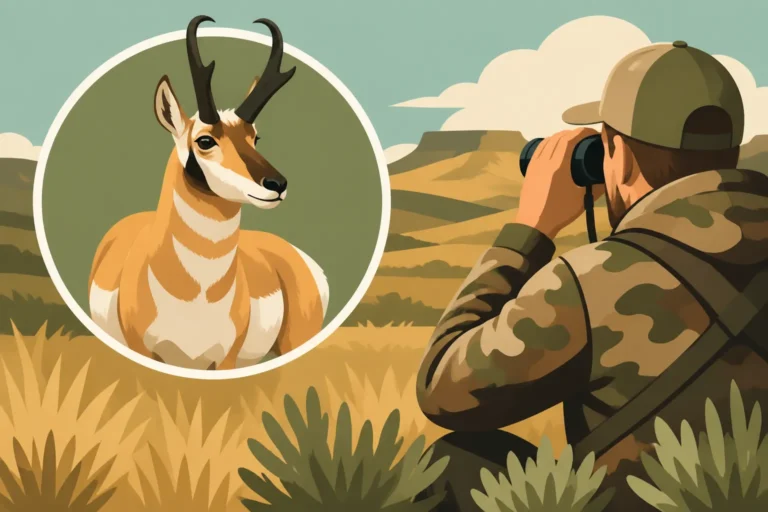
Pronghorn horn anatomy, distance distortion factors, and movement challenges in South Dakota help hunters field judge bucks accurately.
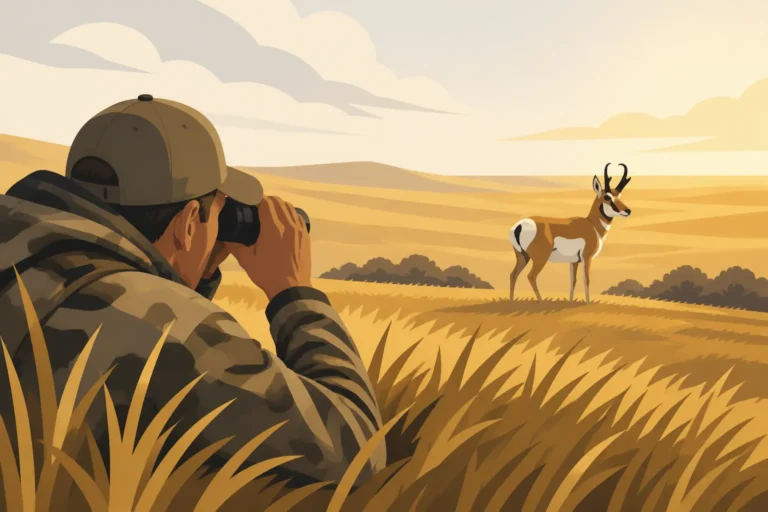
South Dakota pronghorn hunting techniques help hunters use prairie terrain and overcome antelope eyesight to stalk bucks.

Decoying antelope over water helps South Dakota hunters turn distant prairie bucks into close rifle range opportunities.
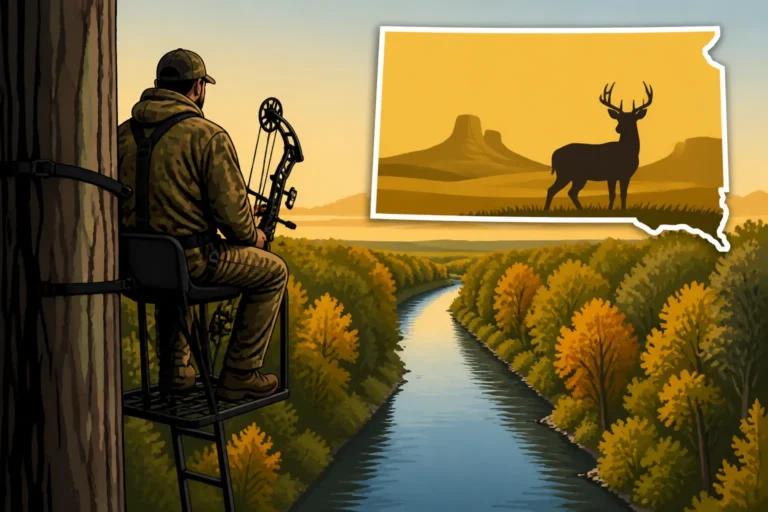
Treestand setups in narrow South Dakota river timber help hunters intercept deer moving through confined travel corridors.
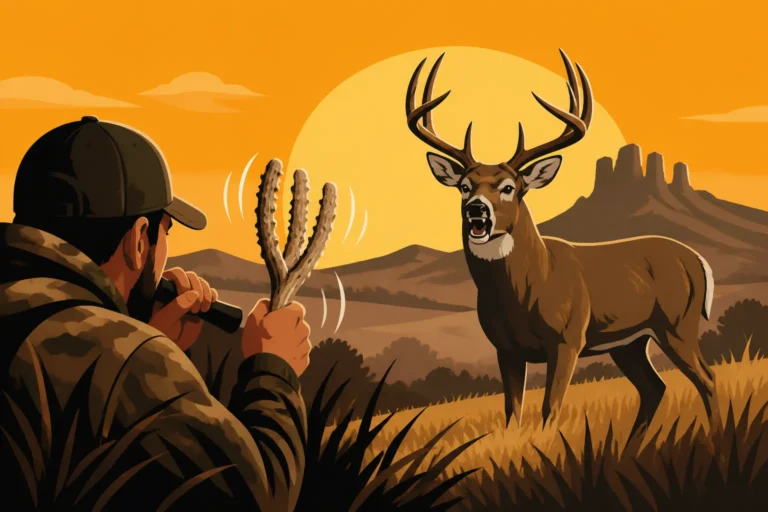
Effective rattling and grunting techniques help deer hunters attract wary whitetail bucks during the South Dakota rut by mimicking territorial fights.