Pointing Dogs on Wild South Dakota Roosters
Hunting wild South Dakota roosters with a pointing dog requires understanding bird behavior, habitat preferences, and canine body language.
Close the distance.
Archery, muzzleloader, and firearm techniques — calling, stand placement, still-hunting, spot-and-stalk, and the weapon rules that change at the state line.
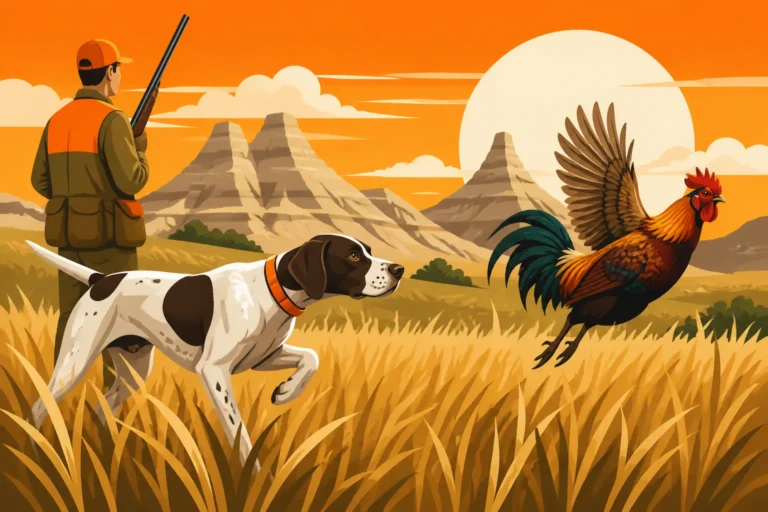
Hunting wild South Dakota roosters with a pointing dog requires understanding bird behavior, habitat preferences, and canine body language.
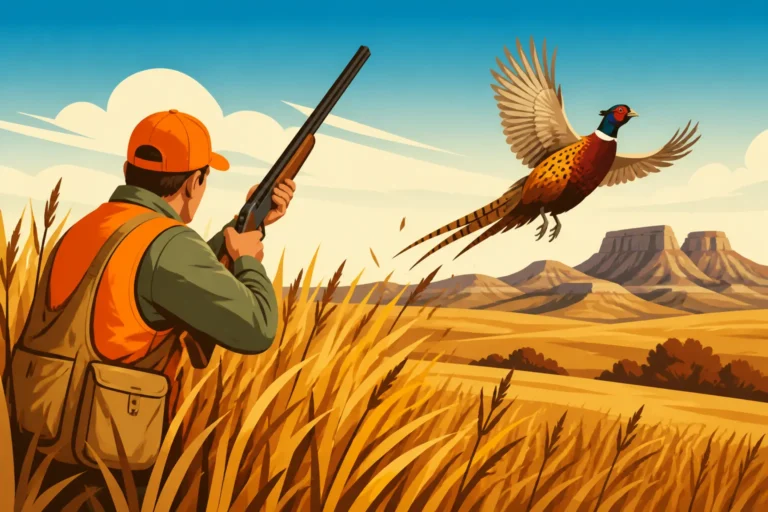
Dogless pheasant hunting strategies and behavior insights help hunters flush birds in South Dakota without canine companions.
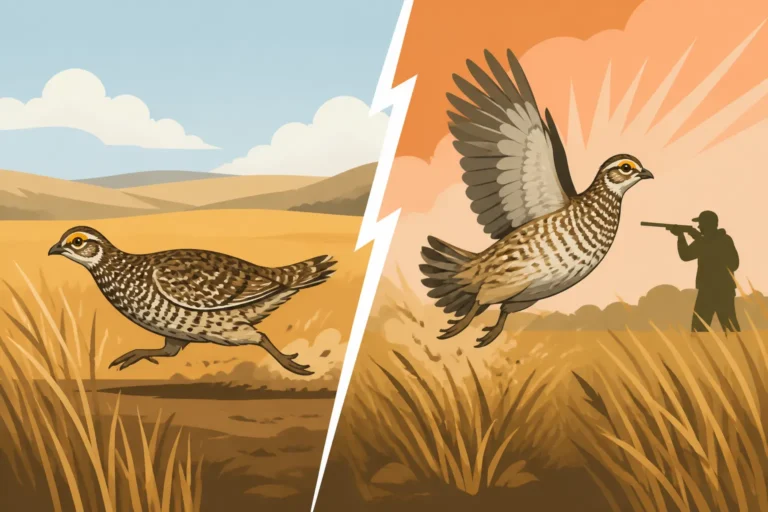
Pheasant running behavior explains why ground dwelling roosters sprint from predators like coyotes and how hunters can respond.
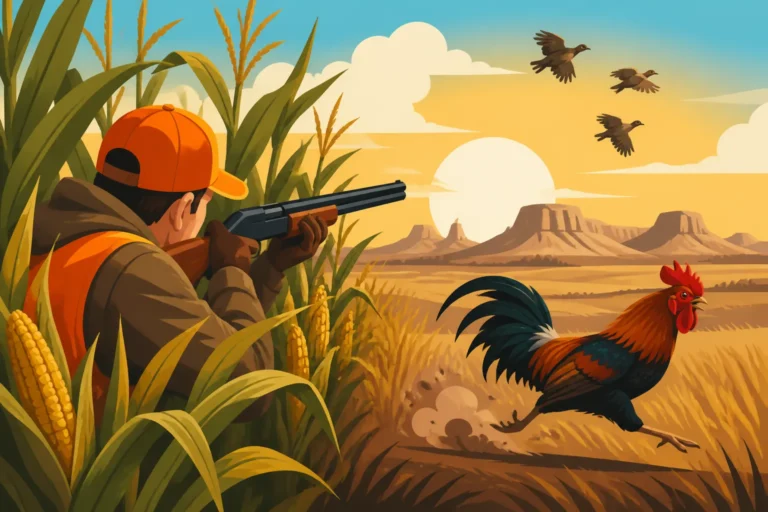
South Dakota pheasant hunters learn why running roosters evade capture in cornfields and how wind and scent affect successful flushes.
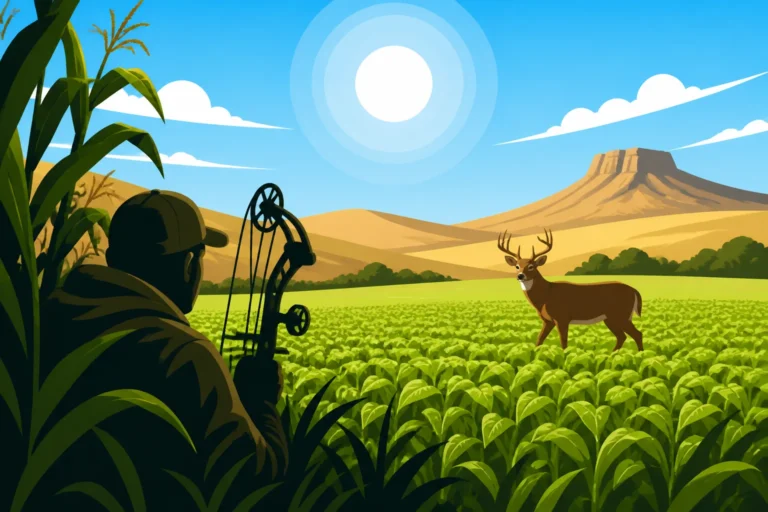
Midday deer hunting around South Dakota food plots explains how nutrition and pressure create unexpected daylight activity.
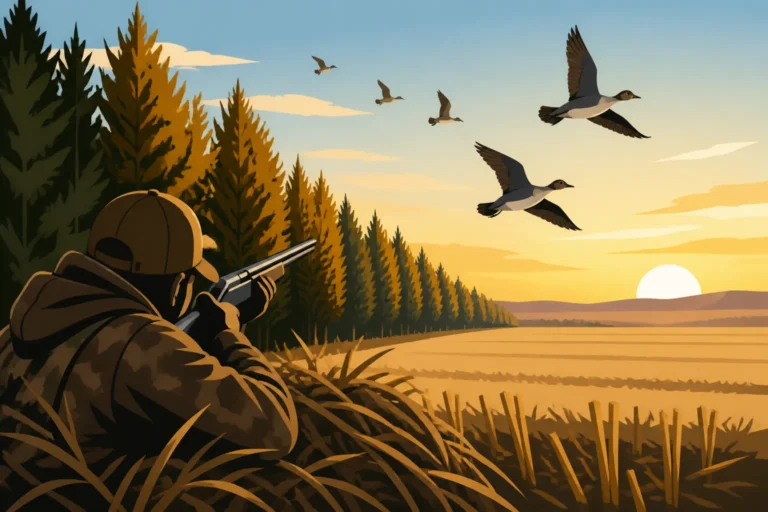
Late-season South Dakota shelterbelt ends provide dense thermal cover and escape routes for hunters finding cagey pheasants.
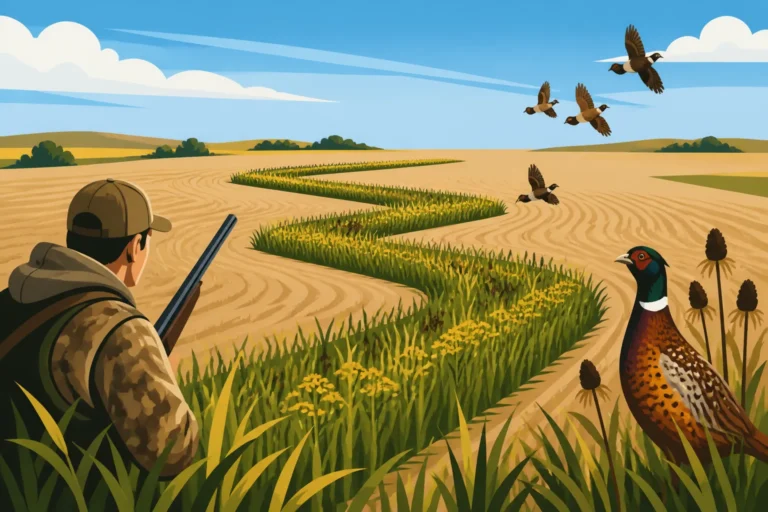
Zigzagging grass strips in South Dakota creates lateral pressure that forces running pheasants to flush within shooting range.
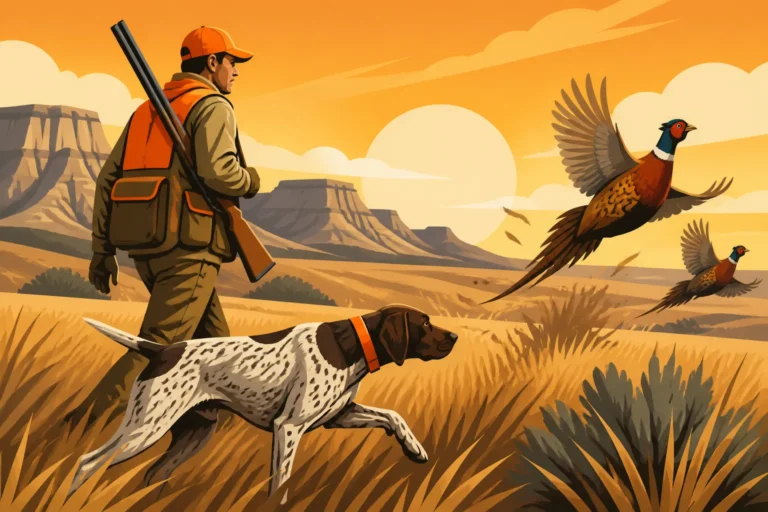
Walking speed between 1.5 and 2 miles per hour helps South Dakota pheasant hunters make wily roosters flush within range.
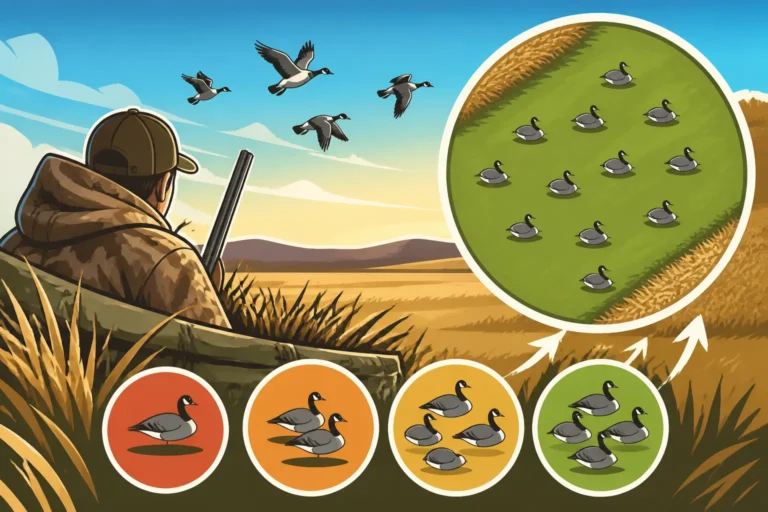
Pheasant drive blockers stopping escaping roosters require careful calculation based on field size, cover density, and bird numbers.
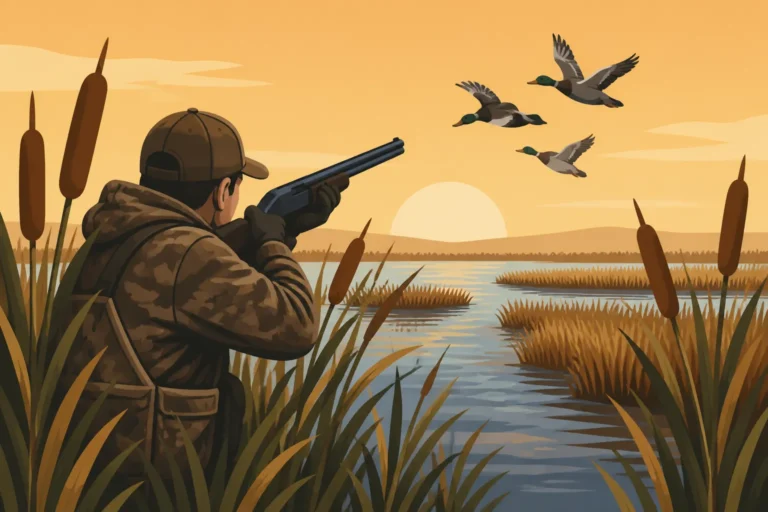
South Dakota pheasant hunting strategies for pushing cattail sloughs, reading layouts, and flushing roosters from dense vegetation.