Glassing Grids on Open Breaks
Systematic glassing grids help hunters scan expansive South Dakota breaks and spot bedded deer or antelope hidden in the terrain.
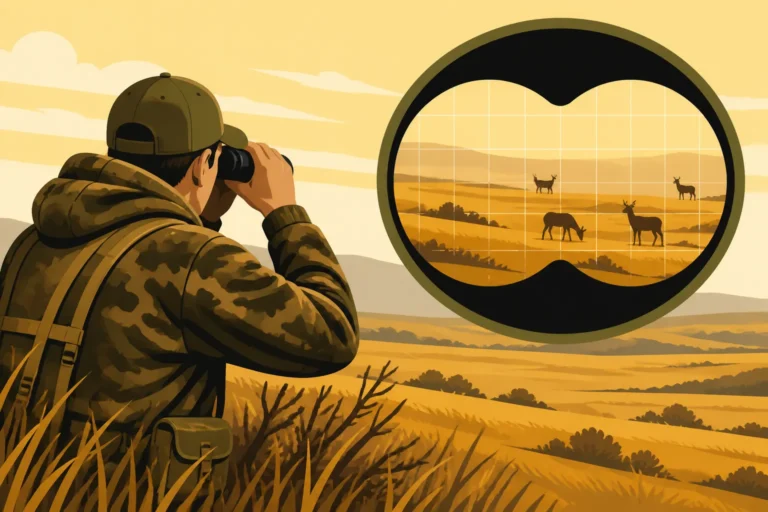
Systematic glassing grids help hunters scan expansive South Dakota breaks and spot bedded deer or antelope hidden in the terrain.
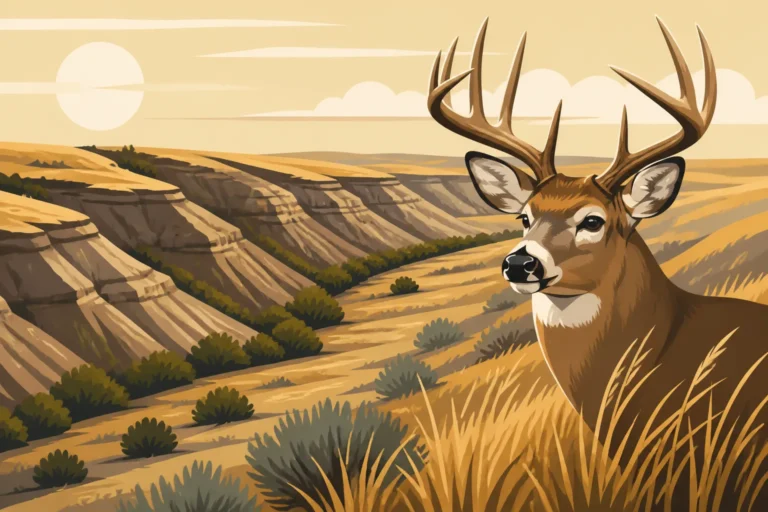
South Dakota mule deer behavior during dry years explains which coulees hold bucks near reliable water sources and thermal cover.
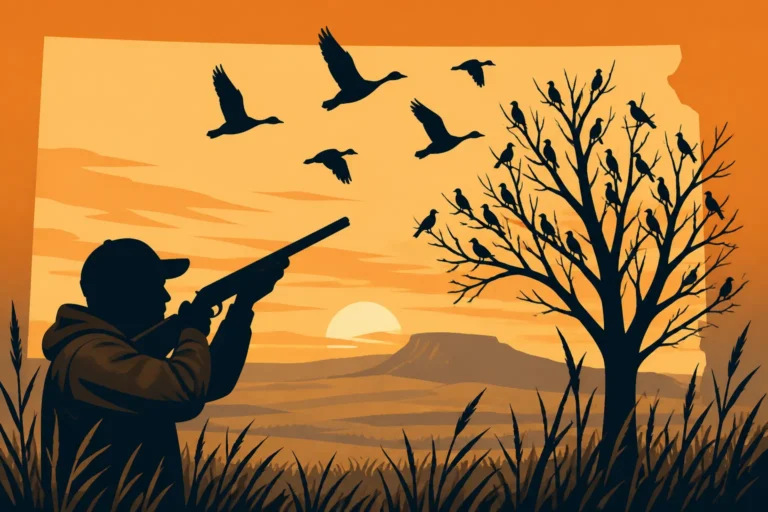
South Dakota pheasant evening roost hunting regulations, safety risks in fading light, fair chase ethics, and population impacts.
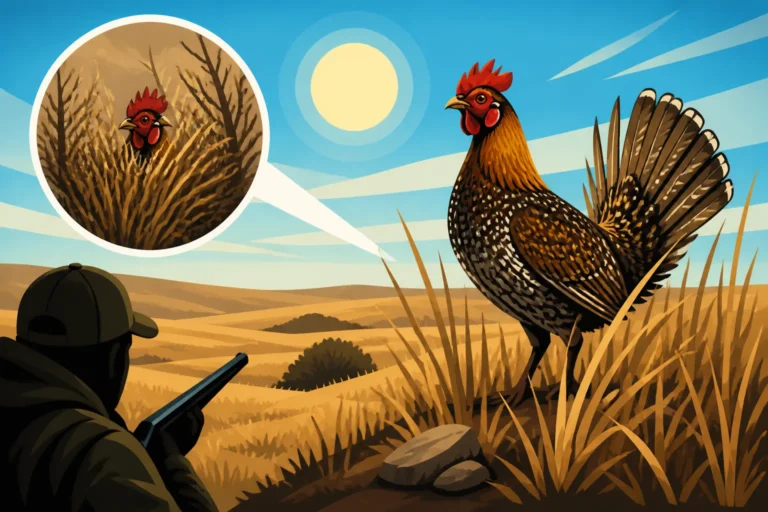
South Dakota pheasant midday behavior and habitat choices explain how hunters find birds resting in dense cover during warm afternoon hours.
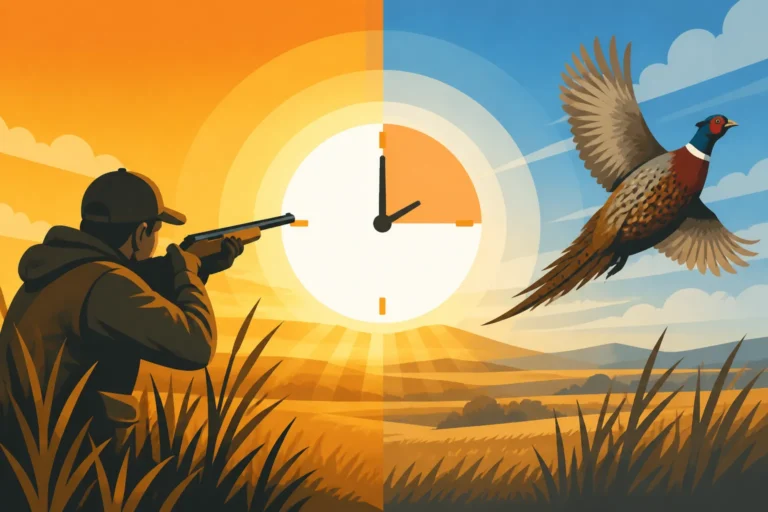
South Dakota pheasant hunting regulations and bird biology explain the ten a.m. start time strategy for ethical harvests.
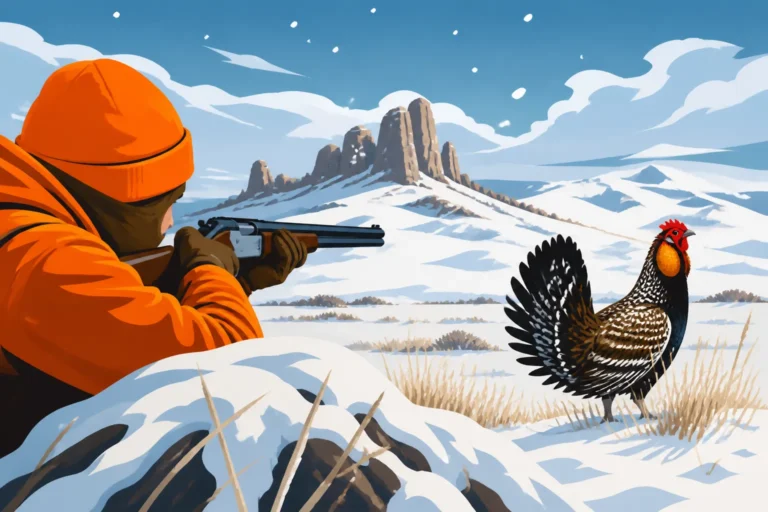
South Dakota pheasant hunting strategies after blizzards explain where roosters seek heavy shelter and altered feeding patterns.
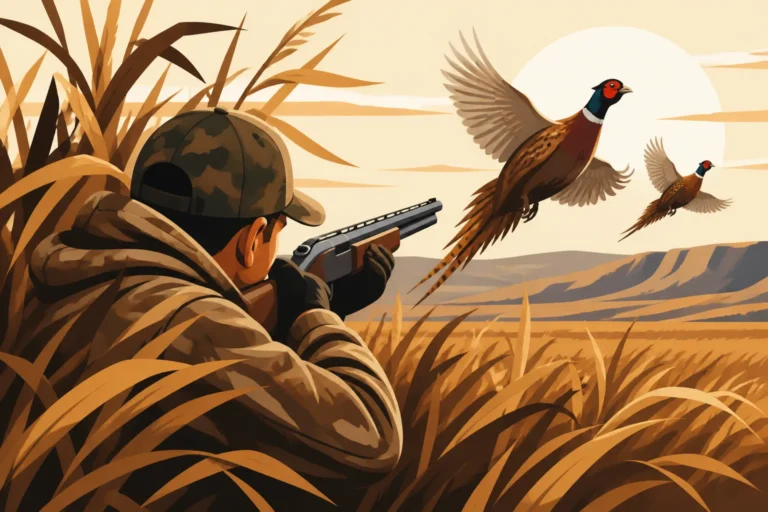
Late-season South Dakota pheasants retreat into dense thick cover for winter survival, requiring specific hunting strategies and dog-handling techniques.
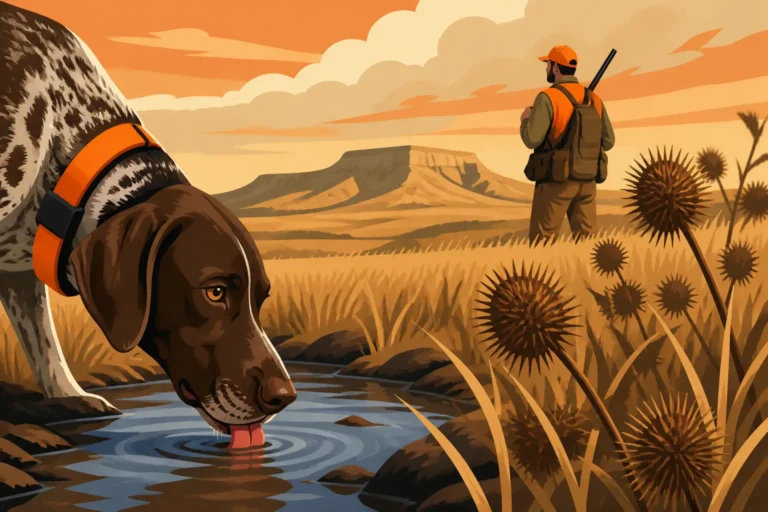
South Dakota hunting dogs face serious dehydration and burrs, requiring careful hydration planning and proactive field care.
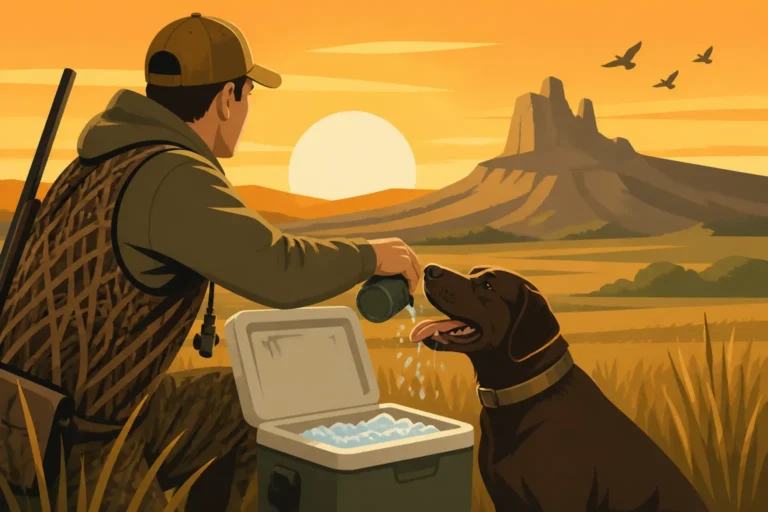
South Dakota pheasant hunters learn heat stress risks and warning signs to keep working dogs safe during warm early season days.
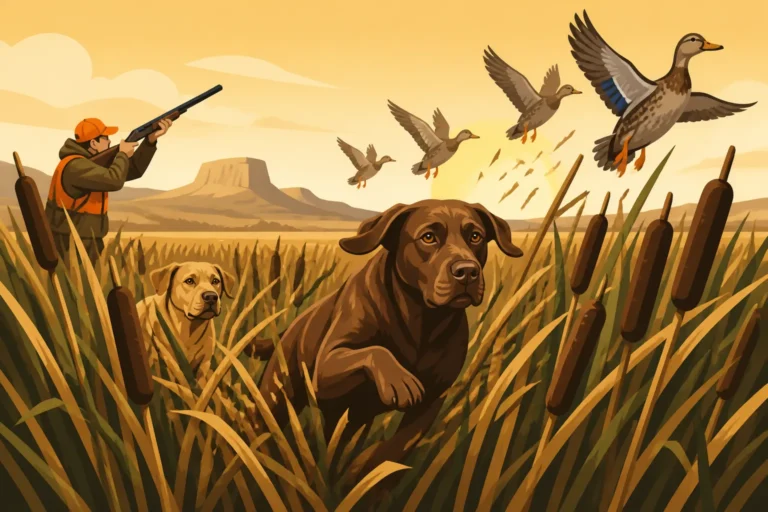
South Dakota pheasant hunting techniques for flushing dogs in heavy cattails stop running birds and improve late season shots.