Where South Dakota Turkeys Roost
For many turkey hunters, the most frustrating part of the pursuit isn't calling them in or making the shot; it's simply locating the birds in the first place, especially understanding their evening routines. Knowing where South Dakota turkeys prefer to roost can dramatically increase your odds of success, allowing you to be in position when they fly down at first light or pinpoint them for an evening setup. This comprehensive guide will unravel the mysteries of South Dakota turkey roosting habits across the state's diverse landscapes.
Understanding Turkey Roosting Behavior: More Than Just Sleeping
Turkeys don't just pick any random tree to sleep in. Their choice of roosting location is a critical survival decision, driven by instinct and a need for security from nocturnal predators. If you can think like a turkey and understand why they choose certain spots, you'll be much closer to finding them consistently.
The Safety Imperative of Roosting
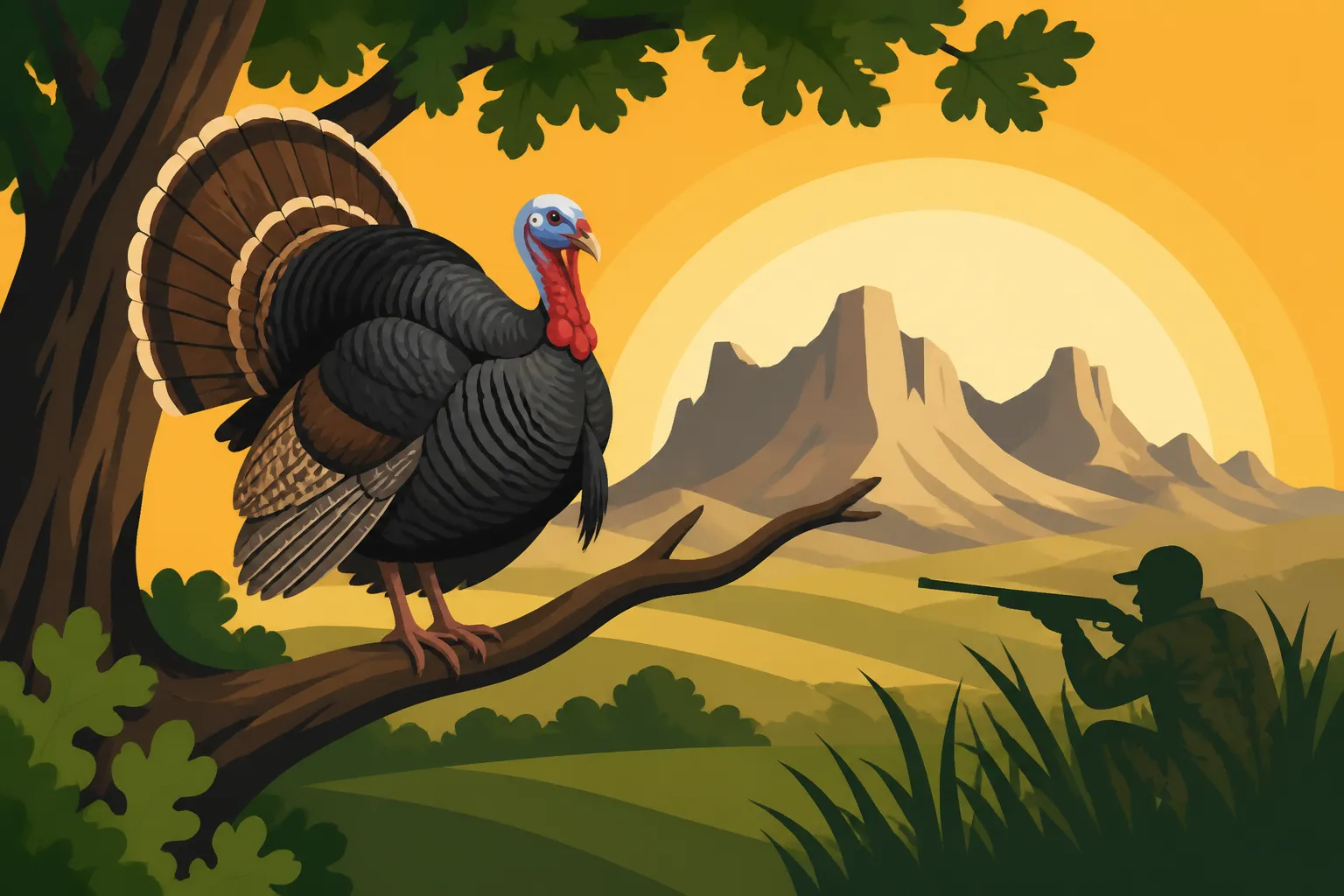
The primary driver behind a turkey's roosting choice is safety. When they fly up into the trees for the night, they're attempting to escape ground-dwelling predators like coyotes, foxes, and even mountain lions, which are definitely a concern in parts of the Black Hills. They want height, clear lines of sight, and sometimes, a bit of protection from the elements. This means they often favor the tallest, stoutest trees available in a given area. A big old cottonwood along a river, a mature ponderosa pine on a ridge, or a robust shelterbelt tree on the prairie offers a secure perch far from the dangers below.
It's not just about getting off the ground; it's about making it difficult for predators to reach them. They typically won't roost in flimsy saplings or dead snags that might break. They prefer sturdy limbs that can support their weight, often high up where they can see danger approaching from a distance. The noise of a predator moving through brush or snow below can alert them, giving them a chance to flush from the roost if needed.
Thermal Cover and Weather Protection
While safety is paramount, turkeys also consider thermal cover, especially during the colder months or on windy nights. A dense stand of evergreens, such as ponderosa pines in the Black Hills, offers significant protection from bitter winds and freezing temperatures. In river bottoms or prairie settings where evergreens are scarce, turkeys might opt for the leeward side of a large deciduous tree, hoping its bare branches still offer some slight buffer against the elements.
Think about how you'd seek shelter from a cold wind or a driving rain. Turkeys do the same. If a strong north wind is blowing, they'll often roost on the south side of a ridge or in a stand of timber that breaks the wind. They'll also orient themselves on the limb to minimize exposure. During exceptionally harsh winter weather, they might even roost lower than usual in extremely thick cover, prioritizing warmth over height, though this is less common during spring seasons.
The Importance of Fly-Up and Fly-Down Zones
A turkey's roost isn't just the tree itself, but the surrounding area that facilitates their flight up and down. They need clear flight paths. This means open areas around the tree where they can comfortably take off and land without hitting branches or other obstructions. This open space is crucial for both their evening fly-up and their morning fly-down.
When a turkey flies down in the morning, they usually glide a fair distance before landing on the ground, often in an open field, food plot, or along a timber edge. They don't just drop straight down. This "fly-down zone" is where you want to be positioned in the morning, listening for those first tree yelps and wing beats, anticipating their descent. Conversely, in the evening, they'll typically strut around in an open area, perhaps feeding, before looking for an opportune spot to launch themselves into their chosen roost tree, again preferring clear access.
Diverse Roosting Habitats Across South Dakota
South Dakota offers a fantastic array of turkey hunting opportunities, but the state's varied geography means that where turkeys roost can differ significantly from one region to another. Understanding these regional preferences is key to effective scouting and successful hunting.
Black Hills Ponderosa Pines
In the rugged Black Hills of western South Dakota, Merriam's turkeys reign supreme, and their roosting preferences are heavily influenced by the dominant ponderosa pine forests. These birds are masters of their mountainous domain and utilize the terrain to their advantage. If you're hunting in the Black Hills, understanding these specific roosting habits is paramount. Merriam's Turkeys in the Black Hills are notorious for their reliance on these iconic trees.
Turkeys in the Black Hills almost exclusively roost in mature ponderosa pines. These trees offer the height, sturdy limbs, and dense canopy needed for protection and concealment. They often choose pines located on the upper third of a ridge or along a bench, giving them a commanding view of the surrounding landscape. They want to be able to see potential threats below and to utilize gravity for an easy morning fly-down into feeding areas in the draws or meadows. Don't be surprised to find multiple birds, sometimes entire flocks, roosting in the same group of pines, especially if it's a particularly dominant ridge with good cover.
River Bottom Cottonwoods and Hardwoods
Moving east into the river corridors like the Missouri River or its tributaries, you'll encounter Eastern and hybrid turkey subspecies. Here, the landscape changes dramatically, and so do the roosting choices. Massive cottonwood trees, often towering over the smaller hardwoods, become the prime real estate for these birds. This habitat can be incredibly productive, and knowing where to look in these linear strips of timber is essential. Hunting Whitetails in South Dakota's Missouri River Timber can offer similar insights into accessing these areas.
Along the Missouri River and other major waterways, look for the largest cottonwood trees, especially those growing right on the edge of the riverbank or overlooking a cut field. These giants provide the height and robust limbs that turkeys seek. They also utilize other large hardwoods like oaks, hackberry, and elm, particularly in thicker stands within the bottomlands. These turkeys often roost near open fields or agricultural land where they can feed easily after flying down. The presence of water nearby is also a significant draw, offering a consistent evening drink before flying up to roost.
Prairie Shelterbelts and Isolated Tree Lines
The vast prairie landscape of central and eastern South Dakota presents a unique challenge for turkeys, as tall trees can be few and far between. Here, turkeys—often a mix of Eastern and hybrid genetics—become incredibly reliant on man-made shelterbelts, old farmsteads, and isolated pockets of timber along creek bottoms. This is a very different game compared to the dense woods of the Black Hills or the expansive river corridors. Finding these isolated patches of cover is often the entire battle.
On the open prairie, shelterbelts, which are rows of trees planted to break the wind, are absolute magnets for turkeys. These include plantings of cedars, pines, and various deciduous trees. Turkeys will also utilize old abandoned farmsteads with mature trees, or any natural timber along ephemeral creeks and drainages. The taller the trees in these isolated spots, the more attractive they are. They will often choose the most protected side of the shelterbelt, typically the leeward side, to escape the omnipresent South Dakota wind. Keep an eye out for these linear features as you're Scouting South Dakota Public Ground Before the Season.
Here's a quick overview of roosting preferences by region:
| Region | Primary Roost Trees | Preferred Terrain | Key Considerations |
|---|---|---|---|
| Black Hills | Ponderosa Pine | Upper third of ridges, benches | Height, visibility, thermal cover in evergreen |
| River Bottoms | Cottonwood, Oak, Hackberry | Riverbanks, timber edges, floodplains | Proximity to water and open feeding areas |
| Prairie | Shelterbelt trees, Cedars | Isolated tree lines, creek bottoms | Shelter from wind, scarcity of suitable trees |
Scouting for Roosting Turkeys: Your Pre-Hunt Strategy
Knowing where turkeys might roost is one thing; pinpointing their exact evening location is another. Effective pre-hunt scouting is invaluable for turkey hunting, perhaps more so than for any other game animal. You're not just looking for tracks or droppings; you're listening and observing their daily routine. Many hunters find using mapping tools like GoHunt invaluable for identifying potential roosting habitat before even stepping foot in the field.
Listening for the Evening Fly-Up and Morning Fly-Down
The most effective way to find a roost is by listening. Turkeys are vocal animals, and they are particularly so around their roosting times. In the evening, as they prepare to fly up, you'll hear a flurry of excited clucks, yelps, and cutting. Then, listen for the distinct sound of heavy wings beating as they launch themselves into the trees. If you're within earshot, you might even hear the "thump" as they land on a sturdy branch. Try to be out in potential turkey country an hour or two before sundown, positioning yourself quietly to listen.
In the morning, the sequence reverses. Before legal shooting light, turkeys will often begin "tree yelping" from their roosts, sometimes gobbling right off the limb. As dawn breaks and light fills the woods, listen for those powerful wing beats again as they fly down. These sounds give away their location. Remember, fly-down can be quick and quiet or a cacophony of excited chatter. Being there early, sitting still, and letting the woods wake up around you is your best bet. You can use this knowledge to plan your approach for a morning hunt, knowing exactly where to set up before they hit the ground.
Glassing and Visual Confirmation
Sometimes, especially in more open terrain like the prairie or in clear-cut areas of the Black Hills, you can spot turkeys flying up to roost with binoculars or a spotting scope. Find a vantage point that overlooks potential roosting areas—shelterbelts, river bends, or ridge tops with scattered pines—and patiently glass the area during the last hour of daylight. Watch for their tell-tale silhouettes against the evening sky as they fly into the trees. Using a good pair of optics can save you a lot of walking and confirm a roost site without disturbing the birds.
This is where a good mapping app like GoHunt really shines. You can mark potential roost trees or clusters right on your digital map as you observe them, making it easy to return in the morning. Note the exact location, the type of trees, and any terrain features that might influence their fly-down path. This information is gold for planning your pre-dawn approach and choosing the best setup spot. If you want to dive deeper into digital reconnaissance, check out E-Scouting Walk-In Areas Before the Season.
Looking for Physical Sign
While listening and glassing are your primary tools for pinpointing current roosts, fresh physical sign can confirm consistent use and help you narrow down potential areas. Look directly under large trees for a concentration of turkey droppings and scattered feathers. The volume and freshness of the droppings can tell you how many birds are using the roost and how recently they were there. You might even find small bits of bark scraped from branches where they've landed.
Remember, turkeys move. A roost used tonight might not be used tomorrow night, especially if they've been disturbed or if weather patterns shift. However, consistent sign points to preferred habitat that turkeys return to repeatedly throughout the season. Sometimes, finding this sign is the only way to confirm a roost in dense timber where visual confirmation is difficult. Also, look for faint game trails leading to and from these areas, indicating their likely approach and departure routes.
Ethical Considerations and Hunting Near Roosts
Once you've located a roost, it's natural to want to capitalize on that information. However, there are important ethical and strategic considerations when hunting turkeys around their nighttime sanctuaries. Respecting the birds and the land is paramount, and it will also lead to more consistent success in the long run.
Avoiding Disturbing Roosted Birds
The golden rule of hunting a roosted turkey is do not disturb them. If you know where they're sleeping, your job is to get into position silently and well before first light, without making your presence known. Bumping a turkey off its roost at dawn or dusk can ruin that day's hunt and potentially cause them to abandon that roost site for days or weeks. This is especially true on pressured public land, where other hunters might be trying to do the same thing.
This means quiet movements, knowing your route in the dark, and using terrain to your advantage to stay concealed. Sometimes, this involves a longer, more circuitous approach than you'd prefer, but it's worth it to avoid spooking the birds. Always assume the birds are alert, even in the darkness, and ready to fly at the slightest hint of danger. Remember, you might only get one chance at an undisturbed fly-down.
Legal Shooting Hours and Strategic Setups
South Dakota has specific legal shooting hours for turkeys, typically starting 30 minutes before sunrise. This means you cannot shoot a turkey while it is still on the roost in the dark. Your strategy should be to get into position where you anticipate the birds will fly down, and then wait for legal light and for them to hit the ground. Often, they'll fly down, strut a bit, maybe make a few clucks and yelps, and then begin moving towards feeding areas.
Your setup location should consider their likely fly-down path and where you can remain hidden. If they're roosted on a ridge, they'll likely glide down into a field or open timber in the draw below. Position yourself between the roost and their likely feeding area, using natural cover like a downed log, a thick cedar, or a slight rise in the terrain. Having an app like GoHunt can help you visualize the contours of the land and pick the perfect ambush spot. Remember, turkeys have incredible eyesight, so concealment is key. Understanding South Dakota Turkey Season Dates will also help you plan the best time for these tactics.
Disclaimer
This article is for general informational purposes only and does not constitute professional advice. Laws, prices and regulations vary by location and change over time. Consult a qualified professional for guidance on your specific situation.