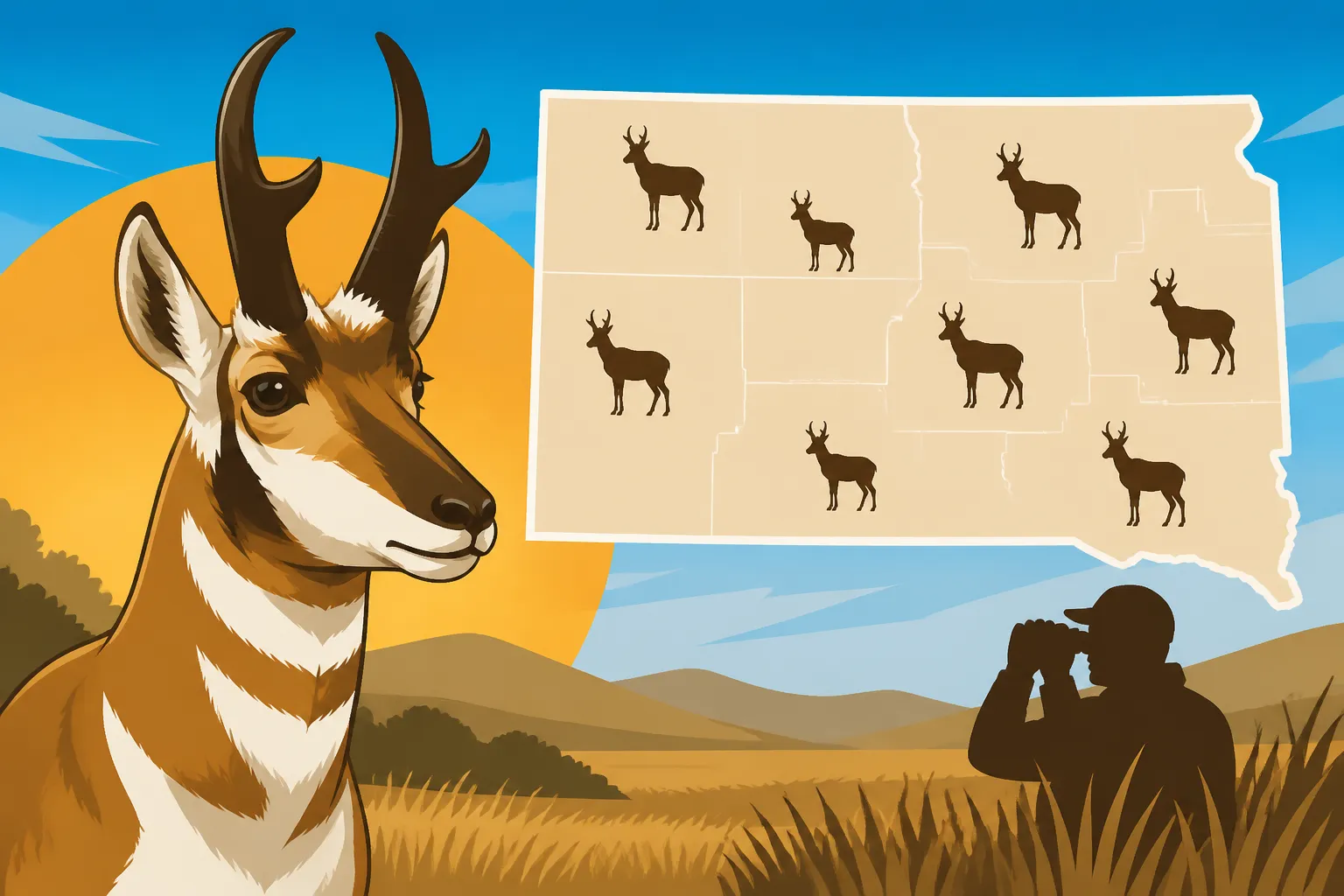
Pronghorn Numbers Across South Dakota
If you've ever gazed out across the vast, rolling prairies of South Dakota, you've likely felt a deep sense of wildness. And for many, that feeling is intrinsically linked to the sight of pronghorn antelope—the fastest land mammal in North America, perfectly adapted to this challenging landscape. However, understanding the actual numbers of these incredible animals across our state isn't always straightforward. Their populations can fluctuate significantly due to a myriad of environmental factors, leaving hunters and wildlife enthusiasts wondering about their abundance. This comprehensive guide will delve into the intricate world of South Dakota's pronghorn, exploring their population dynamics, current distribution, and the crucial factors that impact their health and numbers, helping you grasp the realities of this iconic species.
The Unique Appeal of South Dakota's Pronghorn
South Dakota's West River country holds a special place in the hearts of many who cherish wide-open spaces and the wildlife that calls them home. Among these, the pronghorn stands out—an animal often mistakenly called an antelope, but truly a species unto itself, unique to North America. Its very presence defines the prairie experience for many, embodying speed, vigilance, and survival against harsh elements.
Why the Prairie is Perfect for Pronghorn
The sweeping grasslands, sagebrush flats, and undulating draws of western South Dakota create an almost tailor-made environment for pronghorn. These creatures thrive in open country where their phenomenal eyesight—often likened to that of an 8x binocular—gives them an unparalleled advantage in detecting predators from a distance. Unlike deer or elk, pronghorn prefer to see danger coming from miles away, allowing them to utilize their incredible speed to escape.
Think about it: miles of short-grass prairie and scattered brush mean fewer places for cougars or coyotes to hide, making the pronghorn's strategy of "run, don't hide" incredibly effective. Their diet, too, is perfectly suited to this arid environment. They are primarily browsers, not grazers, meaning they prefer forbs, sagebrush, and other woody plants over grasses, which are abundant in our West River counties. This dietary flexibility also helps them weather dry spells when lush grasses might be scarce. The lack of tall, dense timber that characterizes much of East River means less habitat fragmentation for a species that prefers to cover ground unimpeded. This natural affinity for the open, unhindered landscape is a primary reason Where South Dakota Antelope Concentrate in these western stretches of the state.
Historical Fluctuations in Pronghorn Populations
The story of pronghorn numbers in South Dakota, like many wildlife species, is one of dramatic shifts. Before European settlement, vast herds roamed the Great Plains, their numbers likely in the tens of millions. However, the relentless expansion westward in the 19th century brought market hunting, habitat destruction from agricultural conversion, and barriers like fences that severely impacted these free-ranging herds. By the early 20th century, pronghorn were on the brink of extinction, with only a few thousand remaining across their entire range.
South Dakota's pronghorn populations faced similar declines. It's hard to imagine now, but there were periods where seeing a pronghorn was a rarity, a testament to how close we came to losing them entirely. Thankfully, aggressive conservation efforts, regulated hunting, and the establishment of wildlife refuges and state game departments helped pull them back from the brink. Reintroduction programs and improved land management practices allowed their numbers to slowly rebound through the mid to late 20th century. While we'll never see the vast herds of yesteryear, the current populations are a significant conservation success story, illustrating the resilience of the species when given a chance.
Understanding Pronghorn Population Trends and Surveys
If you've ever tried to count a dozen white-tailed deer in a dense river bottom, you know how challenging wildlife surveys can be. Now imagine trying to count animals that can run up to 60 miles per hour across thousands of square miles of wide-open prairie. It's a logistical challenge, to say the least, but one that the South Dakota Game, Fish and Parks (GFP) tackles head-on to ensure sustainable management.
How South Dakota Monitors Pronghorn Herds
The South Dakota GFP primarily relies on aerial surveys to estimate pronghorn populations, particularly in the vast expanses of West River country. These surveys typically involve flying fixed-wing aircraft or helicopters at low altitudes along predetermined transects, systematically counting animals within defined strips of habitat. It's a highly specialized operation, often conducted during late summer or early fall when fawns are old enough to be easily seen, and vegetation is less dense. Spotters are trained to identify and count bucks, does, and fawns separately, providing crucial data on herd composition and reproductive success.
This method, while effective, isn't without its challenges. Weather conditions can severely impact survey efficacy, as high winds or poor visibility make accurate counting impossible. The incredible mobility of pronghorn means they can move significant distances between surveys, and their natural camouflage can make them surprisingly difficult to spot even from the air. The GFP uses sophisticated statistical models to extrapolate these counts into a comprehensive population estimate, providing the basis for setting South Dakota Antelope Season and Draw quotas each year. Tools like those offered by GoHunt, which analyze draw odds and harvest data, often rely on these GFP estimates to help hunters make informed decisions about where and when to apply for tags.
Factors Influencing Pronghorn Numbers Year-to-Year
Pronghorn populations are highly sensitive to environmental fluctuations, making their numbers inherently dynamic. Unlike some species that can tough out a bad year, pronghorn often experience sharp declines when conditions turn against them.
Winter Severity: This is arguably the most critical factor. Severe winters with deep, crusted snow can be devastating. Pronghorn are built for speed, not for plowing through heavy snow, and deep drifts can block access to crucial forage. A hard winter followed by a late spring can lead to significant mortality, especially among fawns and older animals. We saw this starkly illustrated during the extreme winter of 2022-2023, which led to significant Pronghorn Losses in Severe Winters across South Dakota and other western states.
Drought: Conversely, extended periods of drought can also suppress populations. While pronghorn are adapted to arid environments, prolonged lack of moisture impacts forage quality and quantity, which in turn affects the health of does and the survival rates of fawns. Does that enter winter in poor condition are less likely to carry fawns to term or to successfully rear them through their vulnerable first few months.
Fawn Recruitment: The number of fawns that survive to adulthood (recruitment) is a direct driver of population growth. Factors like predator abundance (coyotes are a major fawn predator), forage availability, and weather during the fawning season all play a role. A strong fawn crop, coupled with mild conditions, can lead to rapid population recovery after a downturn.
Habitat Changes: While pronghorn prefer open prairie, changes due to agricultural expansion, energy development, or even invasive plant species can impact their movements and food sources. Maintaining vast, healthy prairie ecosystems is essential for stable pronghorn numbers.
Disease: Though less common than for deer, diseases can also occasionally impact pronghorn herds. Epizootic Hemorrhagic Disease (EHD) has been known to affect pronghorn, though they are generally more resistant than white-tailed deer.
The interplay of these factors means that South Dakota's pronghorn population is a constantly moving target, requiring continuous monitoring and adaptive management strategies from the GFP.
Current Pronghorn Hotspots and Distribution
When most people think of pronghorn in South Dakota, their minds immediately drift to the vast, windswept landscapes west of the Missouri River. This is indeed where the overwhelming majority of the state's "speed goats" reside, but understanding their specific distribution helps paint a clearer picture of their stronghold and why they are less common elsewhere.
West River Country: The Heart of Pronghorn Territory
The West River region of South Dakota is, without a doubt, the epicenter for pronghorn. This expansive area encompasses several counties that consistently boast the highest populations and the most tags available during the South Dakota Antelope Season and Draw.
Harding County in the extreme northwest corner of the state is often cited as a prime example, with its mix of rolling prairie, sagebrush flats, and interspersed agricultural fields. The remoteness and large tracts of private and public lands, including parts of the Grand River National Grassland, provide ample undisturbed habitat. Following closely are Perkins, Butte, and Meade counties, extending south and east from Harding. These areas share similar characteristics: vast tracts of rangeland, minimal human population density, and suitable forage that allows pronghorn herds to flourish.
Consider the Buffalo Gap National Grassland and the Fort Pierre National Grassland, massive federal land holdings that are crucial for pronghorn. These grasslands offer miles upon miles of continuous, open habitat—exactly what pronghorn need to thrive. They provide both year-round habitat and, importantly, connectivity between different populations, which is vital for genetic diversity and resilience. These lands, combined with extensive private ranchlands where conservation-minded landowners often maintain excellent habitat, create a mosaic that is perfectly suited for pronghorn. If you're looking to understand Where South Dakota Antelope Concentrate, these West River counties are your answer, offering ideal conditions for these iconic prairie dwellers.
East River Sightings and Peripheral Range
While West River is the undisputed kingdom of the pronghorn, it's not entirely unheard of to spot these animals east of the Missouri River. However, these sightings are far less frequent and typically represent small, isolated groups or individuals venturing outside their primary range.
Historically, pronghorn did extend into parts of East River South Dakota, particularly the westernmost counties adjacent to the Missouri River. However, the intensive agricultural development, increased human population, and more fragmented habitat east of the river are less hospitable to a species that requires vast, open, and relatively undisturbed landscapes. The numerous high-tensile fences, extensive corn and soybean fields, and reduced expanses of native prairie create barriers to movement and limit suitable forage.
Occasionally, individuals or small groups might cross the Missouri River, or migrate north or south along its corridor, pushing into areas like Lyman or Brule counties. These are generally transient populations, however, and do not represent established, breeding herds. For hunters, pursuing pronghorn east of the Missouri is generally not a viable option, as tags are almost exclusively allocated to West River units due to the concentrated populations there. This geographical divide underscores the pronghorn's strong preference for their specific prairie niche, highlighting the unique ecological boundaries within South Dakota.
Challenges to Pronghorn Health and Management
Living on the open prairie, exposed to the full force of nature, means pronghorn face a relentless array of challenges. Their survival and population health are intimately tied to the delicate balance of their environment, and when that balance is upset, the consequences can be severe.
The Impact of Severe Winters and Drought
We've touched on this already, but it's worth emphasizing just how impactful extreme weather events are for pronghorn. They are simply not built for deep, heavy snow. Their narrow, sharp hooves are designed for speed on hard ground, not for pushing through drifts. When snow accumulates to depths of 12 inches or more, and especially when it crusts over with ice, it effectively locks them out of forage. They can't dig through it like deer, and their natural inclination is to try and run around it, often leading to exhaustion and starvation.
The winter of 2022-2023 was a stark reminder of this vulnerability. Across western South Dakota and into parts of Wyoming and Montana, historic snowfalls, sustained cold, and icy conditions led to significant Pronghorn Losses in Severe Winters. Anecdotal reports from ranchers and official GFP surveys confirmed substantial mortality, especially among fawns and older animals. Such events can set a population back by several years, requiring multiple seasons of strong fawn recruitment and mild conditions for recovery. The GFP responds to these events by drastically reducing or eliminating hunting tags in affected units, allowing the herds a chance to rebuild. For hunters using resources like GoHunt, understanding these environmental impacts is crucial when evaluating South Dakota Antelope Draw Odds for the upcoming seasons.
Drought, while less dramatic in its immediate impact, has a cumulative effect. Years of below-average rainfall lead to poorer forage quality and quantity. Does that are nutritionally stressed produce fewer fawns, or fawns that are weaker and less likely to survive. This can lead to a gradual, insidious decline in numbers, making the herds more vulnerable to the next severe winter. Management often involves trying to enhance habitat resilience through practices that conserve moisture and promote drought-resistant forage, where possible, on public lands and through private landowner partnerships.
Habitat Fragmentation and Fence Issues
Another significant threat to pronghorn is habitat fragmentation, often exacerbated by human infrastructure, particularly fences. Pronghorn are adapted to long-distance movements, especially during seasonal migrations to find food and escape harsh conditions. They have an innate tendency to crawl under fences rather than jump over them, a behavioral trait that stems from their evolutionary history on open plains without natural barriers.
However, modern ranching and agricultural fences, particularly those with multiple strands of barbed wire or woven wire, can be impassable for pronghorn. A bottom wire too close to the ground, or a fence that is simply too dense, can act as an impenetrable barrier, cutting off access to crucial wintering grounds, fawning areas, or water sources. This "fence effect" can trap animals in unsuitable areas, leading to localized overgrazing or preventing escape from deep snow.
Efforts are underway by conservation groups and landowners to modify fences to be more "pronghorn friendly," often involving raising the bottom wire to at least 18 inches, or replacing barbed wire with smooth wire on the bottom strand. While these efforts are valuable, the sheer scale of fencing across the landscape means it remains a persistent challenge. Beyond fences, the encroachment of human development, the conversion of native prairie to cropland, and the spread of invasive species like cheatgrass can degrade and fragment prime pronghorn habitat, further limiting their range and ability to thrive. These ongoing changes underscore the need for continuous habitat protection and thoughtful land use planning to secure the future of South Dakota's pronghorn.
| West River County | 2023 Pronghorn Estimate (approx.) | Major Public Land | General Habitat |
|---|---|---|---|
| Harding | 2,000 – 3,000 | Grand River NG | Rolling Prairie, Sagebrush |
| Perkins | 1,500 – 2,500 | Grand River NG | Grassland, Crop Edges |
| Butte | 1,000 – 2,000 | Buffalo Gap NG | Mixed-Grass Prairie |
| Meade | 800 – 1,500 | Buffalo Gap NG | Short-Grass Prairie |
| Fall River | 500 – 1,000 | Buffalo Gap NG | Prairie, Pine Breaks |
| Custer | 300 – 600 | Buffalo Gap NG | Open Prairie, Badlands |
Note: These numbers are approximate and can vary significantly year to year based on environmental factors and survey methodology. "NG" refers to National Grassland.
Hunting and Conservation Efforts
Hunting is a tool that often sparks debate, but when it comes to wildlife management in South Dakota, it plays a vital, scientifically backed role in maintaining healthy pronghorn populations. Alongside hunting, proactive conservation measures are crucial for ensuring these speedsters continue to grace our prairies for generations to come.
How Hunting Regulates Pronghorn Populations
For pronghorn, carefully regulated hunting seasons are not about depleting populations, but rather about managing them sustainably. South Dakota's Game, Fish and Parks (GFP) sets annual hunting quotas based directly on the aerial survey data and population estimates we discussed earlier. If surveys indicate a healthy, stable, or growing population, a certain number of tags will be issued. Conversely, if numbers have declined, as they did dramatically after the harsh winter of 2022-2023, the GFP will significantly reduce or even eliminate tags in affected units to allow the herds to recover. This adaptive management approach is central to wildlife conservation.
Hunting helps achieve several biological and social objectives:
- Population Control: It prevents overpopulation in specific areas, which could lead to habitat degradation and increased susceptibility to disease. While pronghorn don't often "over-browse" in the same way deer might, high densities can strain local resources, especially during lean times.
- Harvesting Surplus Animals: Every wildlife population produces a surplus of animals each year that the habitat can sustain. Ethical hunting targets this surplus, ensuring that animals are utilized rather than lost to starvation or disease.
- Managing Herd Composition: Hunting regulations can be tailored to manage the buck-to-doe ratio. Sometimes, antlerless tags are issued to reduce the overall population size or to target specific age classes, which can lead to healthier herds with stronger reproductive potential.
- Funding Conservation: The revenue generated from hunting licenses and tags directly funds wildlife research, habitat improvement projects, law enforcement, and future management initiatives. Without hunter dollars, many conservation programs would simply not exist. For those researching their hunting options, services like GoHunt offer detailed draw odds and harvest data, helping hunters understand the impact of these regulations and plan their applications effectively.
Ultimately, hunting is a carefully calibrated management tool, integral to the long-term health and vitality of South Dakota's pronghorn. Learning about South Dakota Antelope Draw Odds can give you an insight into how the state manages these tags.
Conservation Initiatives for Pronghorn
Beyond hunting, numerous conservation initiatives are vital for the continued well-being of South Dakota's pronghorn. These efforts often involve a collaboration between state agencies, federal partners, private landowners, and non-governmental organizations.
Habitat Improvement: A cornerstone of pronghorn conservation is enhancing and protecting their habitat. This includes initiatives on South Dakota Game Production Areas and National Grasslands that focus on prescribed grazing to maintain healthy grassland ecosystems, control of invasive plant species that outcompete native forage, and promoting diverse plant communities. Projects might involve planting native forbs and shrubs that are crucial to the pronghorn's diet.
Fence Modifications: Recognizing the significant impact of fences, many organizations work with ranchers to implement "wildlife-friendly" fencing practices. This can mean modifying existing fences to raise the bottom wire, installing jump-through sections, or even removing unnecessary fences that impede movement. These efforts are particularly important in critical migration corridors and wintering areas, helping How Fast and How Far Pronghorn Travel without undue obstruction.
Research and Monitoring: Ongoing research into pronghorn ecology, behavior, and disease is essential. This includes studies on fawn survival, migration patterns, and the impacts of climate change. For example, telemetry studies can track individual pronghorn to understand their movements and identify bottlenecks or areas of high mortality. This scientific understanding underpins all management decisions.
Public-Private Partnerships: A significant portion of South Dakota's pronghorn habitat is on private land. Engaging landowners through incentive programs, conservation easements, and educational outreach is crucial. Many ranchers are stewards of the land, and their cooperation is paramount to large-scale conservation success.
Through a combination of responsible hunting management and dedicated conservation efforts, South Dakota aims to ensure that the iconic pronghorn continues to be a vibrant and thriving part of the prairie landscape. These efforts reflect a commitment to preserving the wild spirit of the West River country for future generations to appreciate and enjoy, whether they're drawing a tag, or simply enjoying the sight of an antelope herd speeding across the prairie.
Disclaimer
Please remember that hunting regulations, seasons, and wildlife populations can change. Always consult the latest South Dakota Game, Fish and Parks (GFP) regulations and official publications before planning any hunting trip or making management decisions. This information is for general guidance only and should not replace official sources.