Bobwhite Quail on the Eastern Edge
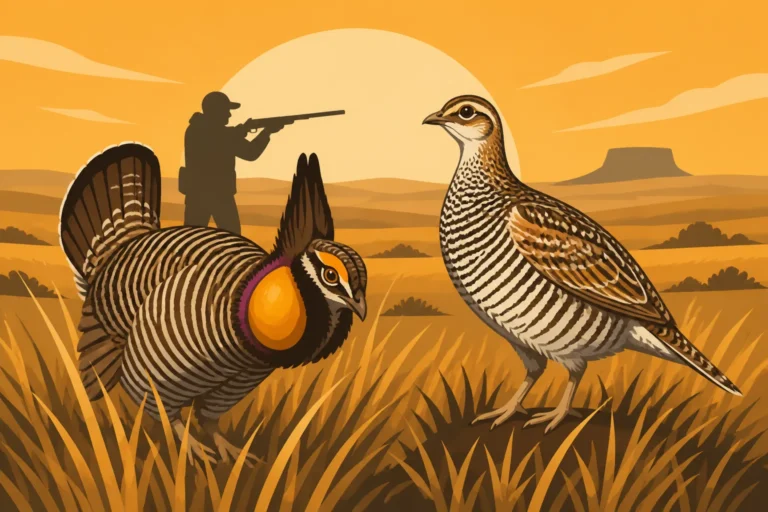
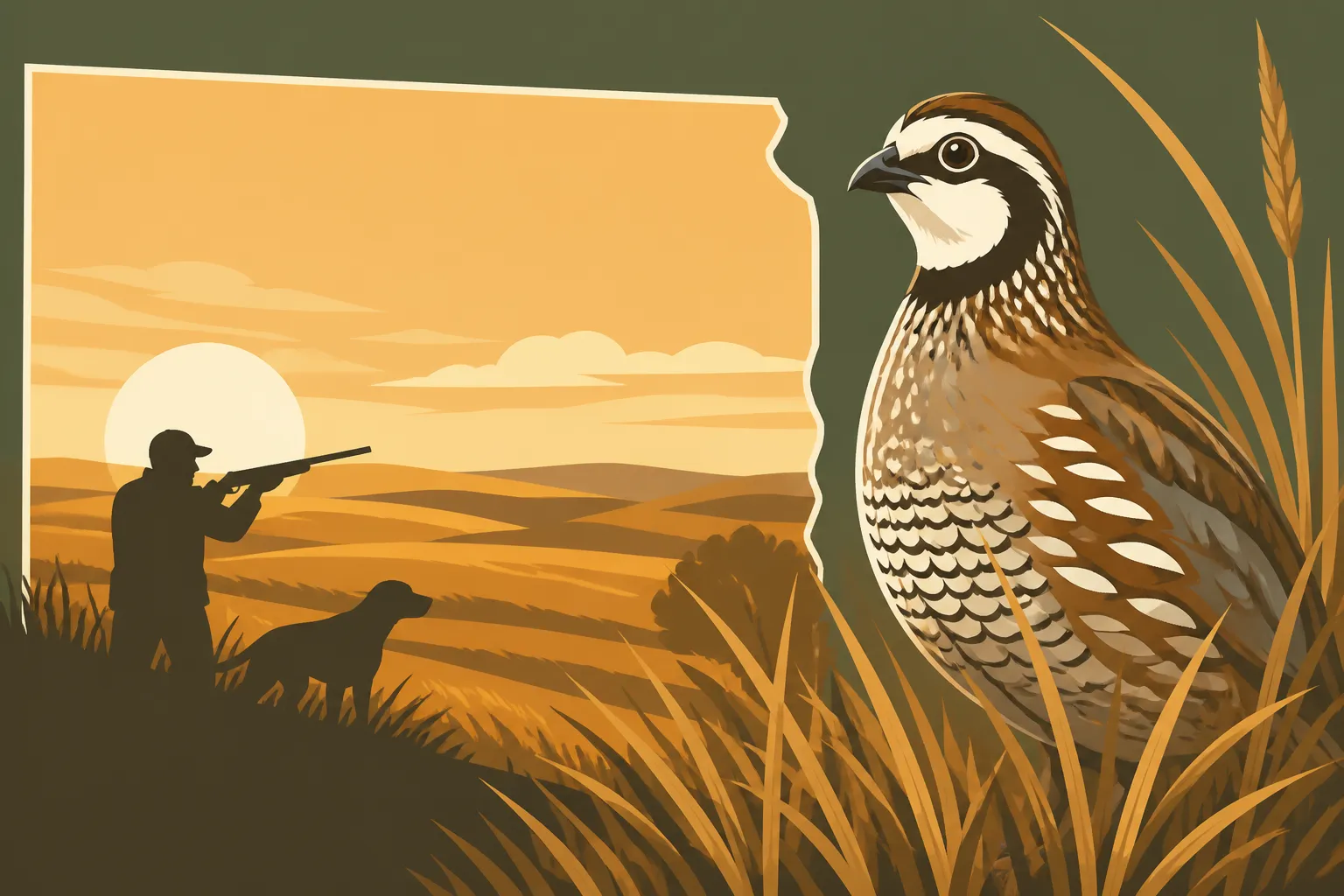
When most folks think about hunting in South Dakota, their minds immediately jump to the endless fields of corn and the explosive flush of a ring-necked pheasant. And for good reason – we're the Pheasant Capital of the World, after all! But what many hunters, even seasoned ones, often overlook is a quieter, more secretive game bird that thrives in specific pockets along our state's eastern edge: the bobwhite quail. If you've ever yearned for the thrill of a covey rise, that distinct "bob-white" call, and a different kind of challenge, then this guide is for you. We'll dive deep into finding and hunting these often-forgotten gems, understanding their unique habitat, and how to successfully pursue them.
Understanding the Eastern Edge Habitat for Bobwhite Quail
Unlike their more famous pheasant cousins, bobwhite quail aren't built for wide-open prairie. They need a very specific mix of cover, food, and shelter, and that perfect recipe is predominantly found as you approach and trace the eastern border of South Dakota. It's a different world out there compared to the rolling grasslands and vast croplands further west, and understanding this distinction is crucial to finding birds.
The Landscape of Quail Country
Imagine a patchwork quilt of small agricultural fields, interspersed with brushy draws, stands of timber, and neglected farmsteads. That's the essence of bobwhite quail country on our eastern edge. These birds thrive on "edge habitat" – places where two or more habitat types meet, creating a diverse environment. Think about where a cornfield might meet a plum thicket, or where an old shelterbelt gives way to a pasture. These transition zones are gold for quail.
You'll find them gravitating towards areas that offer protection from predators, shelter from harsh weather, and a consistent food supply, often all within a stone's throw of each other. This isn't the kind of place where you drive large tracts with a line of hunters. Instead, you're looking for those hidden, brushy sanctuaries that provide a haven for a covey. It's a more intimate hunt, requiring a keen eye for detail and an understanding of the subtle nuances of the landscape.
Habitat Requirements: Food, Cover, and Nesting
Bobwhite quail are particular about their living arrangements. They need year-round access to food, dense escape cover, and good nesting sites, all within a relatively small home range. This is why the eastern edge, with its more varied terrain and smaller-scale farming practices, is so vital.
For food, quail are big fans of seeds from native grasses and weeds, agricultural waste grain like corn or soybeans, and a healthy dose of insects, especially for chicks. They'll often forage along the edges of crop fields, in overgrown fencerows, and in brushy creek bottoms. Nesting cover is typically provided by clumps of native warm-season grasses, like switchgrass or big bluestem, which offer overhead concealment while allowing easy movement at ground level. They like to tuck their nests away where they're not easily spotted by aerial predators.
The most critical component, perhaps, is escape cover. When a hawk swoops down or a coyote trots by, bobwhites need instant refuge. This comes in the form of dense brush, thorny thickets, multiflora rose patches, plum thickets, and even old junk piles or discarded farm machinery. These dense areas provide an impenetrable fortress for a covey. It's these brushy pockets, often overlooked by pheasant hunters, that are the prime spots to focus your efforts. CRP Acres and South Dakota Bird Numbers can certainly play a role here, as well-managed CRP fields adjacent to suitable woody cover can create fantastic quail habitat.
Where to Find Bobwhite Quail on South Dakota's Eastern Edge
Pinpointing exact spots for bobwhite quail can be a bit more challenging than just looking for big fields of standing corn. Their habitat is more fragmented and localized, requiring a bit more detective work.
Counties and River Corridors
When we talk about the "eastern edge," we're generally referring to the southeastern quadrant of South Dakota, extending up along the eastern border. Think counties like Union, Clay, Yankton, Bon Homme, and further north into areas bordering the Big Sioux River, Vermillion River, and James River drainages. These river corridors, with their associated timber, brushy bottoms, and diverse land use, create ideal conditions for bobwhites.
The rivers themselves aren't necessarily where the quail live, but their presence indicates a more varied topography, more mature timber, and a higher density of the brushy draws and fencerows that quail rely on. These areas tend to have a blend of pastureland, small woodlots, and cultivated fields, which create that perfect mosaic of food and cover. While you won't find them blanketing entire sections, you'll find coveys concentrated in specific, rich pockets within these regions. If you're used to scouting for large expanses of bird habitat, you'll need to adjust your mindset to look for smaller, more intricate parcels.
Identifying Productive Cover: Scouting Like a Pro
Effective quail hunting starts long before you ever step foot in the field, with diligent scouting. This is where modern tools can really shine. Services like GoHunt and other mapping apps are invaluable for dissecting the landscape from afar. You're looking for those tell-tale signs:
- Aerial Imagery: Zoom in on satellite views. Look for distinct edges where different cover types meet. Areas with dense, dark green patches (brush, timber) next to lighter green (grasses) or tan (crop stubble) are prime candidates. Pay close attention to draws, creek beds, and fencerows that are overgrown and neglected.
- Fencerows and Field Edges: These are classic quail haunts. Overgrown fencerows provide travel corridors and feeding areas, especially if they're choked with plum thickets, multiflora rose, or other dense brush. Where these fencerows meet a crop field or a stand of timber, you’ll often find birds.
- Shelterbelts and Tree Lines: Not all shelterbelts are created equal for quail. You want the older, messier ones that have undergrowth, thick bases, and maybe even a few fallen trees that create dense tangles. These offer critical winter cover and escape routes.
- Old Farmsteads: Abandoned farmsteads, with their overgrown orchards, dilapidated outbuildings, and neglected yard trees, are magnets for quail. They provide unique combinations of escape cover and food sources.
Once you have some promising areas identified on your maps, a drive-by scout or even a walk-through before the season can confirm what the satellite imagery suggests. Look for actual quail sign – dusting bowls, droppings, and listen for their distinctive calls. Remember, quail don't range far, so finding good cover means finding birds. E-Scouting Walk-In Areas Before the Season covers general principles that apply perfectly here, just with a narrower focus on specific habitat types.
Strategies for Hunting Bobwhite Quail in South Dakota
Hunting bobwhite quail is a different rhythm compared to a pheasant hunt. It's often slower, more methodical, and deeply rewarding. Forget the long lines of blockers and drivers – this is about patience, precision, and partnership with a good bird dog.
Working the Edges and Pockets
Quail hunting is all about dissecting the cover. Instead of covering large swaths of ground, you're systematically working through smaller, denser pockets of habitat. This means walking slower, pausing frequently, and paying close attention to every bit of brush, every thicket, and every fencerow.
Think of it like this: if you're pushing a cattail slough for pheasants, you're trying to push birds forward to the blockers. For quail, you're trying to put pressure on a small area to get the covey to flush, ideally within shotgun range. Focus on the edges of fields, the interiors of brushy draws, and around those old farmsteads. Quail will often run a short distance before flushing, so being patient and letting your dog work thoroughly is key. Don't be afraid to double back and work cover from a different angle if you suspect birds are holding tight. This type of hunting is often done with one or two hunters, maximizing stealth and minimizing disturbance.
The Indispensable Role of Dogs
Let's be blunt: attempting to hunt wild bobwhite quail effectively without a good bird dog is an exercise in frustration. These birds are small, they hold tight, and they leave minimal scent compared to a pheasant. A strong pointing dog is an absolute game-changer, moving through the cover, locking up on scent, and signaling the presence of a covey that you would undoubtedly walk right past.
A pointing dog allows you to approach the covey in a controlled manner, getting into position before the birds explode. The dog's steady point is one of the most exciting moments in bird hunting. Flushers can also be effective, but a pointing dog gives you more time to get ready for the shot. Training for quail is often specific, focusing on honoring points and retrieving shot birds quickly before they disappear into dense cover. You'll want to make sure your dog is well-conditioned and hydrated, especially if you're hitting early season hunts. Dog Water and Burrs on the Prairie is an essential read for any bird dog owner, regardless of species.
Shotgun and Ammunition Choices
Given the typically fast, close-range flushes of quail, lighter shotguns and more open chokes are generally preferred. A 20-gauge or 28-gauge shotgun is often ideal, offering a quick swing and lighter recoil, which is appreciated after a long day of walking. Even a .410 can be a respectable choice for experienced quail hunters.
As for ammunition, a light field load with 7.5 or 8 shot will generally be perfect. You're not looking for heavy penetration; you're looking for a good pattern spread at close to moderate ranges. Many hunters prefer an improved cylinder or skeet choke for the first shot, followed by a modified for any second shots as the birds scatter. The goal is to get a clean kill without over-damaging the small birds. Having the right setup can make a real difference in your success rate and enjoyment.
Seasons, Regulations, and Conservation on the Eastern Edge
Like all hunting in South Dakota, chasing bobwhite quail comes with its own set of rules and responsibilities. Staying informed about current regulations and understanding the importance of conservation is paramount.
Key Season Dates and Bag Limits
While the pheasant opener in South Dakota is a celebrated event, quail season often opens concurrently or very close to it, typically in mid to late October. The season usually runs for several weeks, often extending into December, weather permitting. Daily bag limits are generally conservative, reflecting the localized nature of the populations. For example, you might see a daily limit of 5-8 birds with a possession limit two or three times the daily.
It's absolutely critical to always consult the current South Dakota Hunting Handbook, published annually by the Game, Fish and Parks (GFP) department. Seasons, dates, shooting hours, and bag limits can change year to year based on population surveys and management objectives. Never rely on outdated information. Make sure your small game license is up to date, and remember that a South Dakota Nonresident Small Game Licence Price and a habitat stamp are required for non-residents.
| Aspect | Pheasant Hunting (Typical) | Bobwhite Quail Hunting (Eastern Edge) |
|---|---|---|
| Habitat Focus | Large crop fields, dense cattail sloughs, shelterbelts, CRP | Brushy draws, overgrown fencerows, timber edges, old farmsteads |
| Hunting Style | Driven lines, blocking, covering large areas | Methodical working of small, dense pockets |
| Dog Type | Flushers often used, good retrievers key | Pointing dogs highly recommended, essential for success |
| Bird Behavior | Often run before flushing, strong fliers | Hold tight, explosive close-range flush, short flights |
| Shotgun/Choke | 12ga, Modified/Full | 20ga/28ga, Skeet/Improved Cylinder |
| Season Duration | Longer, extends into January | Shorter, usually ends earlier |
| Physical Demands | Can be strenuous due to long walks in heavy cover | Can be strenuous due to navigating dense brush and shorter, more frequent bursts of activity |
Conservation Efforts for Bobwhites
Bobwhite quail populations have faced challenges across much of their range, primarily due to habitat loss and fragmentation. In South Dakota, while they may not have the same statewide focus as pheasants, their welfare is certainly on the radar. Conservation efforts often involve promoting diverse land use practices, maintaining brushy cover, and planting native grasses that benefit a variety of upland birds. Programs that encourage landowners to leave buffer strips, maintain fencerows, and manage timbered areas can have a positive impact on quail.
Every hunter has a role to play in conservation. This means respecting habitat, adhering to bag limits, and being mindful of your impact on the land. By hunting ethically and supporting conservation initiatives, we can help ensure that the thrill of a covey rise remains a part of the South Dakota hunting experience for generations to come. You might consider checking out information on South Dakota Habitat Stamp Requirements to understand how your license fees contribute to habitat projects that benefit all game species, including our elusive bobwhites.
So, next time you're planning a trip to South Dakota, don't just think about pheasants. Consider setting aside a day or two to explore the eastern edge. With a good dog, a keen eye, and a bit of patience, you might just discover the quiet thrill of bobwhite quail hunting. It’s a different kind of challenge, but one that offers immense satisfaction and a deeper appreciation for the diverse hunting opportunities our state offers. Remember to utilize tools like GoHunt to help you scout those overlooked patches of cover before you head out.
Disclaimer
This article is for general informational purposes only and does not constitute professional advice. Laws, prices and regulations vary by location and change over time. Consult a qualified professional for guidance on your specific situation.