Sharp-Tailed Grouse Range in South Dakota
Finding sharp-tailed grouse in South Dakota can feel like searching for a needle in a vast, grassy haystack if you don't know where to start. These birds are true emblems of the prairie, but they don't just pop up anywhere. This guide is all about helping you understand the specific range and preferred habitats of sharp-tailed grouse across South Dakota, so you can focus your efforts and increase your chances of a successful hunt.
The Heart of Sharp-Tailed Grouse Country in South Dakota
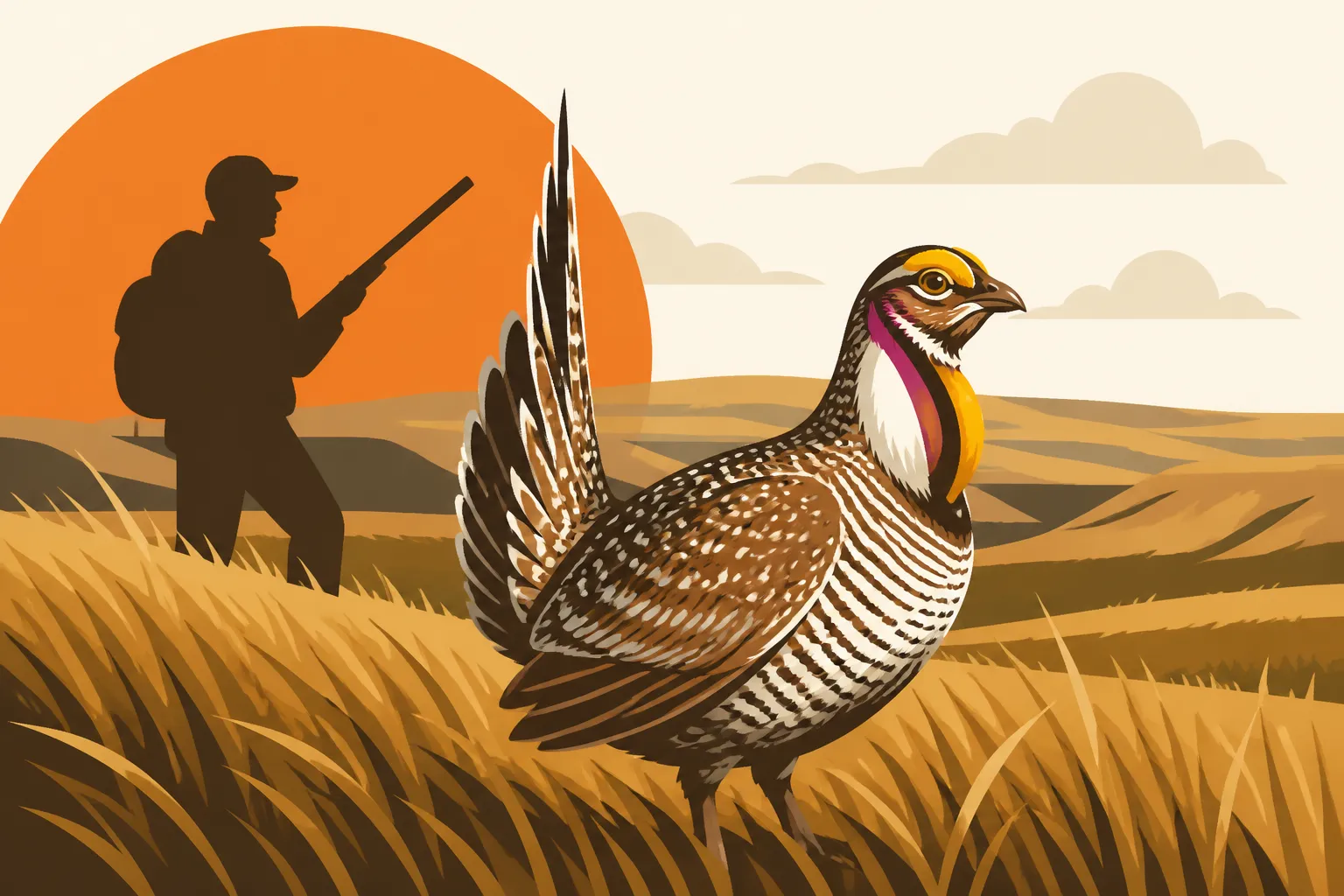
South Dakota truly is a special place for prairie grouse, and sharp-tailed grouse are a big part of that heritage. Unlike pheasants, which thrive in agricultural mosaics and shelterbelts, sharp-tails are birds of the native grassland. They need large, unbroken tracts of prairie to truly flourish. If you’re a hunter coming from an area where sharp-tails are rare or non-existent, it can be a bit of a shock to realize just how much ground these birds cover and how specific their needs are. You can’t just walk any old field and expect to flush them. You need to be in their domain.
The vast majority of South Dakota's sharp-tailed grouse population resides west of the Missouri River. This is the heart of the "West River" country, characterized by its rolling hills, mixed-grass prairies, and fewer intensely farmed areas compared to the eastern side of the state. While there might be scattered, smaller populations in suitable pockets east of the river, especially in certain counties with extensive grassland habitat, your best bet for a consistent sharp-tail encounter will almost always be out west. Think big, open country, often with little to no trees beyond the occasional river bottom or planted shelterbelt.
Geographical Distribution: West River Dominance
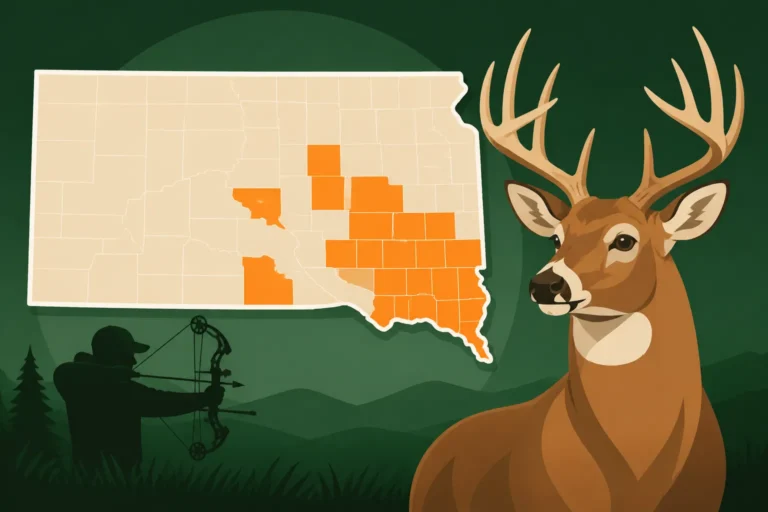
When we talk about the sharp-tailed grouse range in South Dakota, we are overwhelmingly talking about the western half of the state. Counties like Harding, Perkins, Corson, Ziebach, Dewey, Stanley, Haakon, Jackson, Jones, Mellette, Todd, and Tripp are often cited as prime sharp-tail territory. These areas provide the expansive, unbroken grasslands that sharp-tails rely on for all aspects of their life cycle – nesting, brooding, feeding, and winter cover. You'll notice a distinct shift in the landscape as you cross the Missouri River from east to west; the row crops and dense pheasant cover give way to rolling pastures, deep coulees, and vast horizons. This transition marks the true beginning of sharp-tail country.
The national grasslands, such as the Buffalo Gap National Grassland and the Fort Pierre National Grassland, are particularly well-known for their sharp-tailed grouse populations. These massive tracts of public land offer excellent opportunities, but they also demand hunters be prepared for truly wild birds and extensive walking. Understanding these specific public land offerings is critical for anyone looking to hunt prairie grouse. Fort Pierre Grassland Prairie Grouse Hunting is an excellent resource if you're targeting that specific region. Even in these prime areas, sharp-tails are not uniformly distributed; they’ll gravitate to the specific habitat features we'll discuss next.
Limited East River Pockets
While the West River reigns supreme for sharp-tails, it’s worth noting that very limited populations can occasionally be found in specific grassland units on the far eastern edge of the state, particularly in the northeastern glacial lakes region. These are usually isolated pockets where native prairie has been preserved, often on public lands like Waterfowl Production Areas (WPAs) or some Game Production Areas (GPAs) that haven't been converted to intense agriculture. However, these populations are much more localized, often smaller, and prone to greater fluctuations due to habitat fragmentation. If you’re hunting East River, you’re far more likely to encounter pheasants or even Hungarian Partridge in South Dakota before you stumble upon a robust sharp-tail covey. It's truly a testament to how sensitive these birds are to their preferred grassland habitat.
Understanding Sharp-Tailed Grouse Habitat Preferences
Sharp-tailed grouse aren't just looking for "grass." They have specific preferences within the grassland ecosystem that dictate their presence and concentration. Successful hunters know how to read the landscape and identify these key habitat components. It’s not about covering miles of ground indiscriminately; it’s about strategically targeting areas that offer the ideal mix of cover and food. Thinking like a sharp-tail is your best tool for finding them.
Native Mixed-Grass Prairie
The cornerstone of sharp-tail habitat is healthy, native mixed-grass prairie. This isn't your manicured lawn or even a monoculture hayfield. We're talking about diverse grasses, forbs (flowering plants), and low-growing shrubs. These plants provide essential cover for nesting hens, concealment for chicks, and a steady supply of insects, seeds, and buds that make up their diet. Tall, decadent grass, often found in undisturbed areas, provides crucial winter cover that helps them weather harsh prairie blizzards. Areas that have been heavily grazed or converted to non-native forage grasses are generally less productive for sharp-tails.
Look for areas with varying grass heights and densities. Patches of taller, denser grass provide escape cover and winter thermal protection, while shorter, sparser areas might be used for feeding or dusting. This diversity is key. A good way to scout these areas is by using tools like GoHunt, which can help you analyze satellite imagery to pick out promising habitat before you even set foot on the ground. E-Scouting Walk-In Areas Before the Season can give you a leg up, allowing you to identify these subtleties from afar.
Rolling Hills and Coulees
Sharp-tailed grouse love rolling terrain. The gentle undulations, draws, and coulees provide natural breaks in the wind, offering shelter from the elements and hiding places from predators. These topographical features can also create microclimates that influence plant growth, leading to more diverse forage options. Hunters often find birds concentrated in these draws, especially on windy days or during the midday lull, as they seek refuge. They might sit on the sunny side of a slope to warm up or drop into a deep coulee to escape the wind.
When you're out walking, pay close attention to the contours of the land. Birds might flush from unexpected spots in a draw or fly over a ridge, making for challenging shots. Understanding how the terrain functions as cover is paramount. This is a big reason why Sharp-Tailed Grouse and Prairie Chickens in South Dakota often coexist in similar environments, as both prefer these types of landscapes.
Small Patches of Shrubby Cover
While primarily grassland birds, sharp-tails do utilize scattered patches of low-growing shrubs, such as silver sagebrush, chokecherry, or buffaloberry. These shrubs provide crucial escape cover from aerial predators like hawks and eagles, as well as an additional source of food (berries). You won't find them in dense timber, but isolated clumps or ribbons of these shrubs within the prairie are definite hotspots. They provide a structural component to the habitat that plain grass doesn't.
Think of these shrub patches as natural "islands" of cover within the ocean of grass. Birds might roost in them overnight, or flush from them during the day when feeling pressured. When you’re scouting with mapping apps like GoHunt, make sure to zoom in and look for these tell-tale darker green patches among the lighter grassland hues. They often indicate excellent holding cover for grouse.
Lek Sites (Dancing Grounds)
During the spring breeding season, male sharp-tailed grouse gather at traditional communal display grounds called "leks" or "dancing grounds." While hunting season is typically in the fall, knowing the general location of active lek sites can be an indirect indicator of good local populations. These sites are often on slightly elevated, open areas within suitable habitat, allowing the males to be seen and heard from a distance. While you won't be hunting these areas directly, identifying where these leks occur gives you insight into the core areas of sharp-tail activity.
Factors Influencing Sharp-Tailed Grouse Populations and Range
Like all wildlife, sharp-tailed grouse populations aren't static. Several factors can influence their numbers and, consequently, where you might find them. Understanding these dynamics can help you gauge your expectations for a given season and tailor your hunting strategy accordingly. The wild nature of these birds means you're always adapting to what the prairie gives you.
Habitat Loss and Fragmentation
The biggest threat to sharp-tailed grouse, and indeed many prairie species, is habitat loss and fragmentation. Conversion of native prairie to agriculture, energy development, or urban sprawl directly reduces the amount of suitable living space. Even if some grassland remains, breaking it up into smaller, isolated patches makes it harder for birds to move between areas, increasing their vulnerability to predators and limiting genetic diversity. This is why vast, unbroken tracts of grassland are so vital for their long-term survival. The more fragmented the landscape, the more restricted the sharp-tail range becomes.
Conservation programs like the Conservation Reserve Program (CRP) can provide some excellent habitat for sharp-tails, especially when planted with diverse native grasses. However, the overall trend of native prairie loss remains a concern. Hunters often find themselves relying heavily on public lands and robust private land access programs to find these birds. Hunting South Dakota Walk-In Areas and other public access initiatives become even more important when considering these broader habitat trends.
Weather Patterns
Sharp-tailed grouse populations are highly susceptible to weather fluctuations, particularly during nesting and brooding seasons. Cold, wet springs can reduce chick survival rates, leading to fewer birds in the fall. Severe winters with prolonged deep snow can also impact overwinter survival, especially if food sources become inaccessible or cover is insufficient. On the flip side, mild winters and warm, dry springs can lead to boom years with excellent bird numbers.
A good year for sharp-tails often means the birds are more widely distributed within their established range, as more coverts can support a covey. In tough years, they might be concentrated in only the most ideal habitat pockets, making them harder to find. Paying attention to local weather reports and brood survey outlooks (if available) before your hunt can give you a valuable clue about what to expect.
Predator Presence
Like all ground-nesting birds, sharp-tailed grouse face a variety of predators, including foxes, coyotes, badgers, raptors, and even domestic cats. While predation is a natural part of the ecosystem, abnormally high predator numbers or a lack of sufficient escape cover can impact grouse populations. Healthy, diverse prairie habitat helps birds evade predators by offering numerous hiding spots and escape routes. Without it, even natural predator levels can take a heavier toll. This interplay between habitat quality and predator pressure is another reason why robust native grasslands are so critical for these birds.
Hunting Strategies within the Sharp-Tail Range
Now that we understand where sharp-tailed grouse live and what kind of habitat they prefer, let's talk about how to apply this knowledge to your hunt. Finding these birds demands a different approach than, say, hunting pheasants in a cornfield. It requires patience, keen observation, and often, a lot of walking. Utilizing tools like GoHunt or the South Dakota Game, Fish and Parks public access maps is an invaluable first step for any hunter planning a trip into sharp-tail country.
Covering Ground Effectively
Because sharp-tails inhabit such expansive country, you need a strategy for covering ground. This often involves a mix of glassing and walking. Start by getting to a high point (a hill or even your truck if legal and safe) and using good binoculars or a spotting scope to scan distant hillsides and coulees, especially during early morning or late afternoon when birds might be more active. Look for subtle movements, a flash of white rump, or the distinct profile of a grouse on the horizon. This is where tools like GoHunt's satellite and topographical maps really shine, allowing you to identify potential high points for glassing and planning your approach. Glassing Grids on Open Breaks can show you how to systematically search large areas.
Once you identify a promising area, or if glassing isn’t an option, be prepared to walk. Use the contours of the land to your advantage, walking ridgelines to get good visibility, and then dropping into coulees. Don't be afraid to zig-zag through patches of diverse grass and shrubby cover. Sharp-tails will often hold tight, relying on their camouflage until you're almost on top of them.
Utilizing Dogs for Sharp-Tails
A good bird dog is an incredible asset for sharp-tailed grouse hunting, though it's certainly not impossible without one. Pointers are particularly effective as they can pinpoint birds in the vast grass and hold them for a flush, allowing you to get into position. Flushers can also be effective, especially in denser pockets of cover, but it requires the hunter to be ready for fast-flying birds. The key is to have a dog that works within gun range and responds well to commands, as these birds can run. Pointing Dogs Versus Flushers on Wild Birds provides an excellent comparison for different hunting styles.
Keep in mind that the open, often dry and warm conditions of the prairie can be tough on dogs. Ensure you bring plenty of water, and watch for burrs and foxtails that can irritate paws and coats. Proper conditioning for your dog is essential for these long, demanding hunts.
Reading the Wind and Sun
Wind direction and intensity can significantly affect how and where sharp-tails hold. On very windy days, birds will often hunker down in sheltered coulees or on the leeward side of hills. This is where you should concentrate your efforts. The sun also plays a role; early in the morning, birds might be sunning themselves on south-facing slopes. Later in the day, they might move into shadier draws. Always be mindful of these environmental factors and how they influence bird behavior.
Additionally, consider how the wind affects your approach. Walking into the wind can help carry your scent away from the birds and allow your dog to pick up scent more easily. However, sharp-tails are known for their strong eyesight, so using terrain to hide your approach is often more critical than solely relying on wind.
| Habitat Feature | Description | Why Sharp-Tails Use It | Hunting Implication |
|---|---|---|---|
| Native Mixed-Grass Prairie | Diverse grasses, forbs, low shrubs; varying height and density. | Cover for nesting, brooding, escape; food source (seeds, insects). | Walk deliberately through varying heights; look for diversity. |
| Rolling Hills & Coulees | Undulating terrain with natural depressions, draws, and breaks. | Shelter from wind/weather; hidden travel routes; sunning spots. | Concentrate efforts in draws, leeward slopes, especially on windy days. |
| Small Shrub Patches | Isolated clumps of silver sagebrush, chokecherry, buffaloberry within grass. | Escape cover from raptors; additional food (berries); roosting. | Target these "islands" of cover; birds often hold tight. |
| Undisturbed Grasslands | Areas with less grazing pressure, taller, denser grass. | Prime nesting and winter thermal cover. | Essential to identify on maps; often holds highest bird densities. |
South Dakota's sharp-tailed grouse range offers an incredible hunting experience, connecting you directly with the wild heart of the prairie. By understanding their preferred habitats and adapting your hunting strategies to this unique environment, you'll be well on your way to enjoying a truly rewarding chase. It’s about more than just pulling the trigger; it’s about immersing yourself in the landscape these magnificent birds call home.
Disclaimer
This article is for general informational purposes only and does not constitute professional advice. Laws, prices and regulations vary by location and change over time. Consult a qualified professional for guidance on your specific situation.